Households and ordinary people
Grandmothers, parents and neighbours doing the small things: the knot, the salt, the red thread.
Households and ordinary people do most of the world's magic: the grandmother who ties a thread on a baby's wrist, the neighbour who throws salt, the shopkeeper who hangs a lemon and chillies, the family that burns incense before a photograph. These people are not specialists and often do not call it magic. This page looks at the domestic side of the subject, which is the commonest and least written about.
Everyday customs
Household practice is woven into daily life: sweeping at new year, a bead on a cradle, a horseshoe over a door, a charm in a car. It tends to be practical, brief and handed down within the family. Many people say they do it because their mother did, or to be safe. It rarely needs a priest, a text or a fee. The hands that do it are those of mothers and grandmothers, who also cook, clean and care, so the magic is part of the labour of the home.
Women and the home
Women are the principal keepers of household custom in many societies, as mothers, grandmothers and aunts. Their knowledge covers birth, child care, food, illness, marriage and death. That knowledge is often undervalued by the formal religion and by scholars, and was also the source of accusations in the witch trials, in which women who were midwives or healers were prominent. A household custom is learned by watching and may never be explained, since the practitioner does not see it as special.
Faith and the home
Religious leaders have seen household custom as faith, as superstition or as a nuisance. Reformers in Protestant Europe, Salafi Islam and some Hindu and Buddhist movements have told people to give up such practices. Many people keep them regardless. In the diaspora, the home customs are sometimes the part of heritage that lasts longest, and are carried to new countries in suitcases. In cities, small shrines, protective charms and everyday rituals often survive in apartments, taxis and shops.
Why scholars care
Anthropologists of everyday religion and folklorists record these customs as evidence of how people manage risk. They show how belief and practice differ, since people may say they do not believe and still knock on wood. Household magic is also the easiest to commercialise, in shops selling charms and kits that detach customs from their homes. A new student or visitor may find that families who say they do not believe still follow such customs carefully, and this gap is one of the more interesting findings.
Households and ordinary people on EveryJaadu
The entries written up so far, best known first.
 🇮🇸 Iceland and 1 moreHidden-folkhuldufólk
Supernatural beings in Nordic folklore who live in a parallel world within the landscape.Being · Protection · Luck and prosperity Living
🇮🇸 Iceland and 1 moreHidden-folkhuldufólk
Supernatural beings in Nordic folklore who live in a parallel world within the landscape.Being · Protection · Luck and prosperity Living
 🇲🇦 Morocco and 5 moreWild rueاسپند
A desert plant whose seeds hold psychoactive alkaloids and serve as incense in the Middle East.Substance · Protection · Speaking with spirits and the dead Living
🇲🇦 Morocco and 5 moreWild rueاسپند
A desert plant whose seeds hold psychoactive alkaloids and serve as incense in the Middle East.Substance · Protection · Speaking with spirits and the dead Living
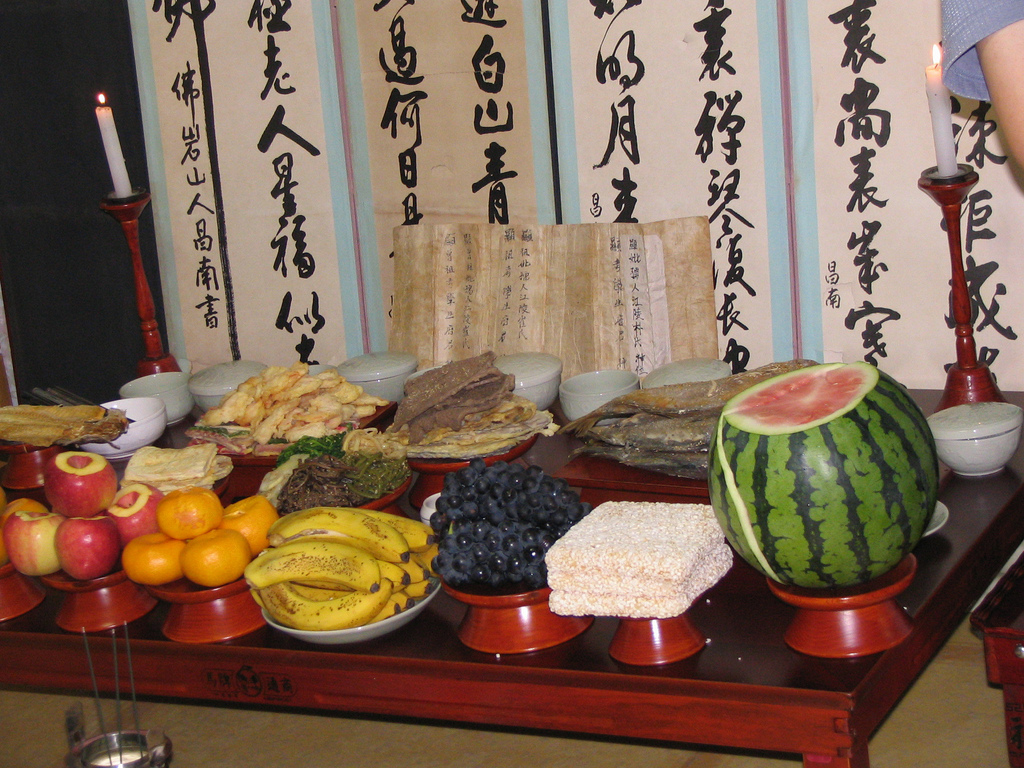 🇰🇷 South KoreaJesa제사
A Korean ancestral memorial rite involving food offerings and ritual bowsRite · Speaking with spirits and the dead · Luck and prosperity Living
🇰🇷 South KoreaJesa제사
A Korean ancestral memorial rite involving food offerings and ritual bowsRite · Speaking with spirits and the dead · Luck and prosperity Living
 🇯🇵 JapanKagura神楽
A Shinto ritual dance where performers embody deities to purify and welcome spiritsTradition · Protection · Speaking with spirits and the dead Living
🇯🇵 JapanKagura神楽
A Shinto ritual dance where performers embody deities to purify and welcome spiritsTradition · Protection · Speaking with spirits and the dead Living
 🇨🇳 China and 5 moreChinese guardian lions石獅 (shíshī)
Stone lion pairs placed at entrances to ward off harm and welcome fortuneCharm · Protection · Luck and prosperity Living
🇨🇳 China and 5 moreChinese guardian lions石獅 (shíshī)
Stone lion pairs placed at entrances to ward off harm and welcome fortuneCharm · Protection · Luck and prosperity Living
 🇮🇪 Ireland and 1 moreBeltaneBealtaine
A Gaelic festival marking the start of summer with protective bonfires and livestock ritualsTradition · Protection · Luck and prosperity Revived
🇮🇪 Ireland and 1 moreBeltaneBealtaine
A Gaelic festival marking the start of summer with protective bonfires and livestock ritualsTradition · Protection · Luck and prosperity Revived
 🇨🇳 ChinaPixiu貔貅
A winged Chinese creature that guards wealth and wards off evil spiritsFigure · Protection · Luck and prosperity Living
🇨🇳 ChinaPixiu貔貅
A winged Chinese creature that guards wealth and wards off evil spiritsFigure · Protection · Luck and prosperity Living
 🇬🇧 United KingdomDeath knell
A church bell rung to announce a person's death and mark the funeral.Rite · Speaking with spirits and the dead Fading
🇬🇧 United KingdomDeath knell
A church bell rung to announce a person's death and mark the funeral.Rite · Speaking with spirits and the dead Fading
 🇮🇶 Iraq and 1 morePazuzu𒀭𒅆𒊒𒍪𒍪 (pà.zu.zu)
A Mesopotamian wind demon and protective amulet against child-harming spiritsBeing · Protection · Cursing and harm Historical
🇮🇶 Iraq and 1 morePazuzu𒀭𒅆𒊒𒍪𒍪 (pà.zu.zu)
A Mesopotamian wind demon and protective amulet against child-harming spiritsBeing · Protection · Cursing and harm Historical
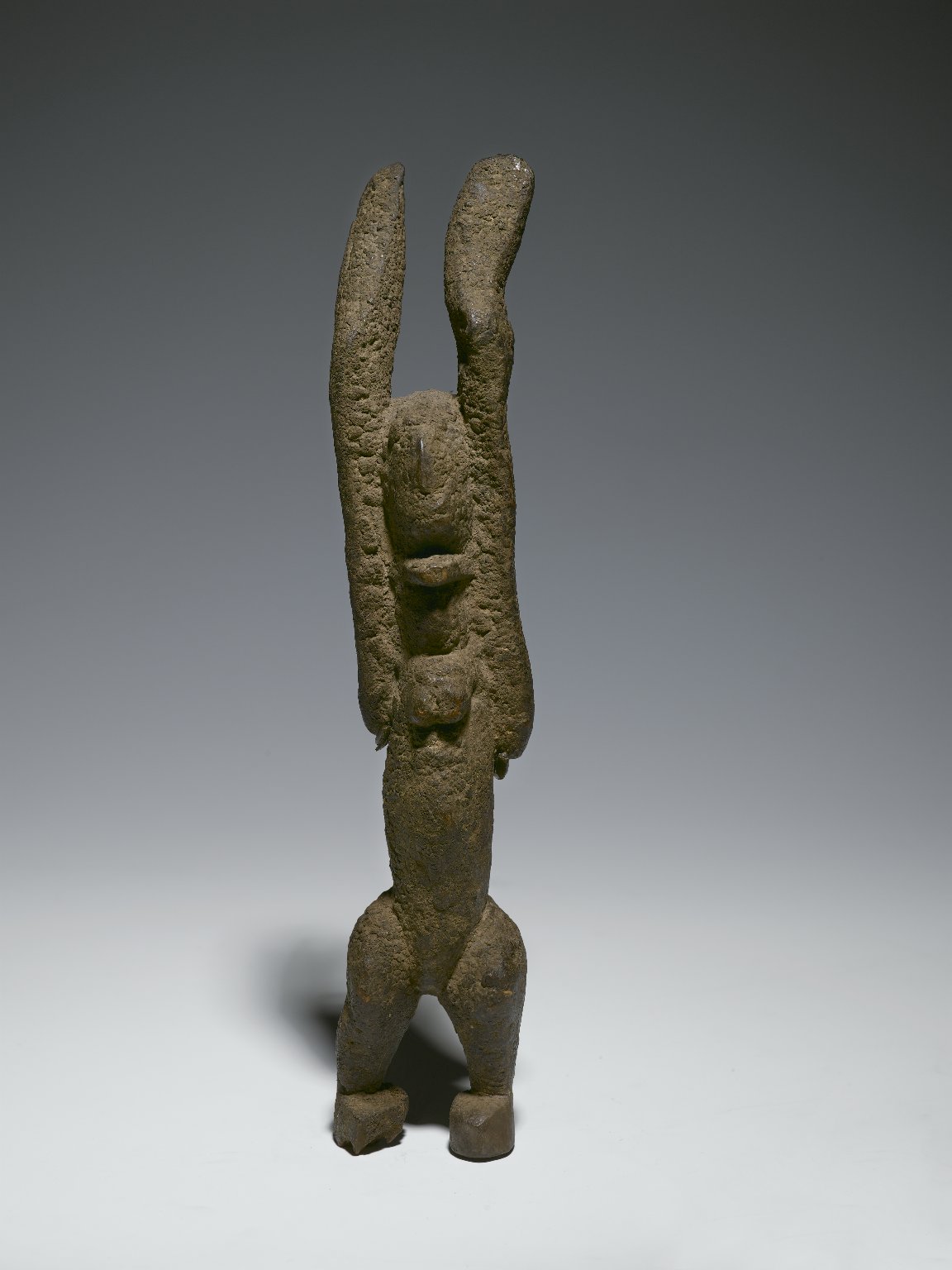 🇲🇱 MaliDogon religion
The traditional spiritual beliefs of the Dogon people of MaliTradition · Protection · Speaking with spirits and the dead Living
🇲🇱 MaliDogon religion
The traditional spiritual beliefs of the Dogon people of MaliTradition · Protection · Speaking with spirits and the dead Living
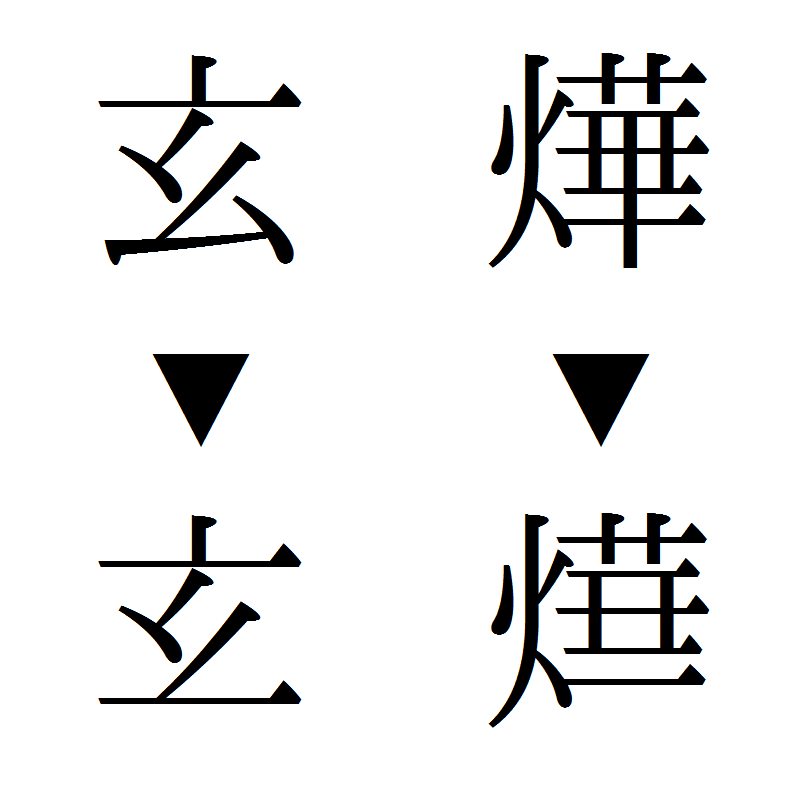 🇨🇳 China and 2 moreNaming taboo避諱
A cultural rule against speaking or writing the names of rulers and ancestors in East AsiaBelief · Protection Historical
🇨🇳 China and 2 moreNaming taboo避諱
A cultural rule against speaking or writing the names of rulers and ancestors in East AsiaBelief · Protection Historical
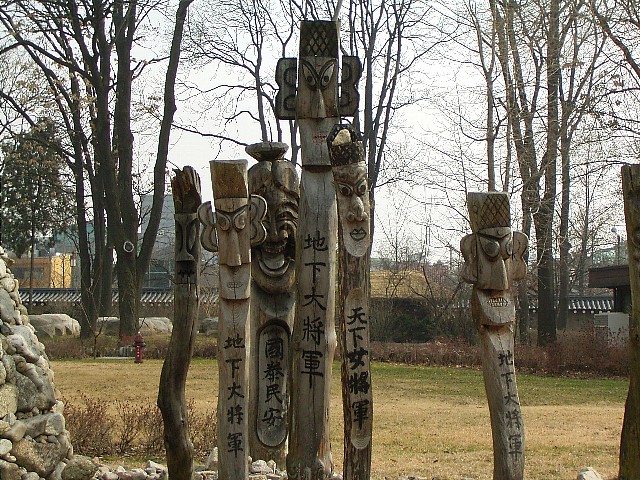 🇰🇷 South Korea and 1 moreJangseung장승
Wooden or stone poles that guard Korean villages and temples from evil spiritsTradition · Protection · Speaking with spirits and the dead Living
🇰🇷 South Korea and 1 moreJangseung장승
Wooden or stone poles that guard Korean villages and temples from evil spiritsTradition · Protection · Speaking with spirits and the dead Living
 🇻🇺 Vanuatu and 5 moreKava culture
A shared ritual across Oceania where a root brew marks ceremony, respect, and social gathering.Tradition · Speaking with spirits and the dead · Luck and prosperity Living
🇸🇸 South Sudan and 1 moreDinka religion
The traditional animist and creator-based faith of the Dinka people of South SudanTradition · Protection · Healing Living
🇻🇺 Vanuatu and 5 moreKava culture
A shared ritual across Oceania where a root brew marks ceremony, respect, and social gathering.Tradition · Speaking with spirits and the dead · Luck and prosperity Living
🇸🇸 South Sudan and 1 moreDinka religion
The traditional animist and creator-based faith of the Dinka people of South SudanTradition · Protection · Healing Living
 🇺🇸 United States and 5 moreFlorida Water
A citrus perfume used in spiritual cleansing and folk healing across the Americas.Substance · Protection · Cleansing and purification Living
🇺🇸 United States and 5 moreFlorida Water
A citrus perfume used in spiritual cleansing and folk healing across the Americas.Substance · Protection · Cleansing and purification Living
 🇮🇹 Italy and 5 moreRelic
An object or body part kept to honor a holy person and mark their connection to the divineCharm · Protection · Healing Living
🇬🇧 United KingdomSt Mark's Eve
An English folk custom to witness omens of death and future marriage on the eve of a saint's feast dayRite · Seeing and foretelling · Cursing and harm Historical
🇮🇹 Italy and 5 moreRelic
An object or body part kept to honor a holy person and mark their connection to the divineCharm · Protection · Healing Living
🇬🇧 United KingdomSt Mark's Eve
An English folk custom to witness omens of death and future marriage on the eve of a saint's feast dayRite · Seeing and foretelling · Cursing and harm Historical
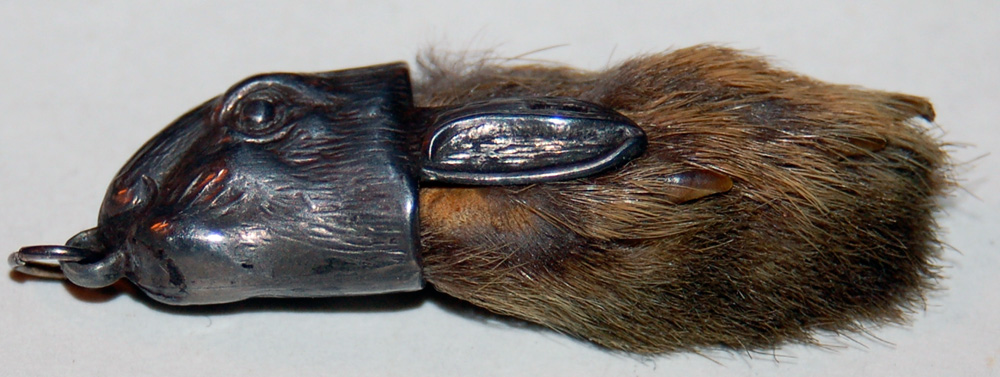 🇺🇸 United States and 2 moreRabbit's foot
A charm carried for luck, often linked to graveyards and strict folk rulesCharm · Luck and prosperity Historical
🇳🇿 New Zealand and 5 moreTapu
A Polynesian concept of sacred restriction and spiritual prohibitionTradition · Protection · Speaking with spirits and the dead Living
🇺🇸 United States and 2 moreRabbit's foot
A charm carried for luck, often linked to graveyards and strict folk rulesCharm · Luck and prosperity Historical
🇳🇿 New Zealand and 5 moreTapu
A Polynesian concept of sacred restriction and spiritual prohibitionTradition · Protection · Speaking with spirits and the dead Living
 🇮🇩 IndonesiaNyepiᬜᬾᬧᬶ
A Balinese day of total silence, fasting, and self-reflection to mark the new year.Rite · Cleansing and purification · Speaking with spirits and the dead Living
🇮🇩 IndonesiaNyepiᬜᬾᬧᬶ
A Balinese day of total silence, fasting, and self-reflection to mark the new year.Rite · Cleansing and purification · Speaking with spirits and the dead Living
 🇺🇸 United States and 4 moreRainmaking
Efforts to induce rain through technology, ritual, or prayer.Tradition · Protection · Healing Living
🇺🇸 United States and 4 moreRainmaking
Efforts to induce rain through technology, ritual, or prayer.Tradition · Protection · Healing Living
 🇪🇸 Spain and 5 moreDuende
A humanoid spirit of Iberian and Latin American folklore, ranging from household pranksters to forest guardians.Being · Protection · Cursing and harm Living
🇪🇸 Spain and 5 moreDuende
A humanoid spirit of Iberian and Latin American folklore, ranging from household pranksters to forest guardians.Being · Protection · Cursing and harm Living
 🇸🇳 Senegal and 5 moreAncestor veneration
Rituals of respect and offerings for the dead across many culturesTradition · Protection · Speaking with spirits and the dead Living
🇸🇳 Senegal and 5 moreAncestor veneration
Rituals of respect and offerings for the dead across many culturesTradition · Protection · Speaking with spirits and the dead Living
 🇧🇷 Brazil and 5 moreAmethyst
A violet quartz variety used in jewelry and historically believed to ward off intoxicationSubstance · Protection · Luck and prosperity Living
🇧🇷 Brazil and 5 moreAmethyst
A violet quartz variety used in jewelry and historically believed to ward off intoxicationSubstance · Protection · Luck and prosperity Living
 🇲🇽 Mexico and 5 moreDay of the DeadDía de los Muertos
A Mexican holiday honoring the dead with altars, food, and humor during Allhallowtide.Tradition · Speaking with spirits and the dead · Luck and prosperity Living
🇲🇽 Mexico and 5 moreDay of the DeadDía de los Muertos
A Mexican holiday honoring the dead with altars, food, and humor during Allhallowtide.Tradition · Speaking with spirits and the dead · Luck and prosperity Living
 🇨🇳 China and 1 moreAncestor veneration in China中國傳統宗法性宗教
Rites for dead kin who are thought to watch over the familyTradition · Protection · Speaking with spirits and the dead Living
🇨🇳 China and 1 moreAncestor veneration in China中國傳統宗法性宗教
Rites for dead kin who are thought to watch over the familyTradition · Protection · Speaking with spirits and the dead Living
 🇹🇭 ThailandYi Pengยี่เป็ง
A northern Thai festival of lights featuring sky lanterns and Buddhist merit-makingTradition · Speaking with spirits and the dead · Luck and prosperity Living
🇹🇭 ThailandYi Pengยี่เป็ง
A northern Thai festival of lights featuring sky lanterns and Buddhist merit-makingTradition · Speaking with spirits and the dead · Luck and prosperity Living
 🇸🇪 Sweden and 3 moreSilver bullet
A folk weapon for monsters and a metaphor for simple solutionsCharm · Cursing and harm Historical
🇸🇪 Sweden and 3 moreSilver bullet
A folk weapon for monsters and a metaphor for simple solutionsCharm · Cursing and harm Historical
 🇧🇷 BrazilBoitatá
A fiery serpent of Brazilian folklore that guards forests or frightens childrenBeing · Protection · Cursing and harm Living
🇧🇷 BrazilBoitatá
A fiery serpent of Brazilian folklore that guards forests or frightens childrenBeing · Protection · Cursing and harm Living
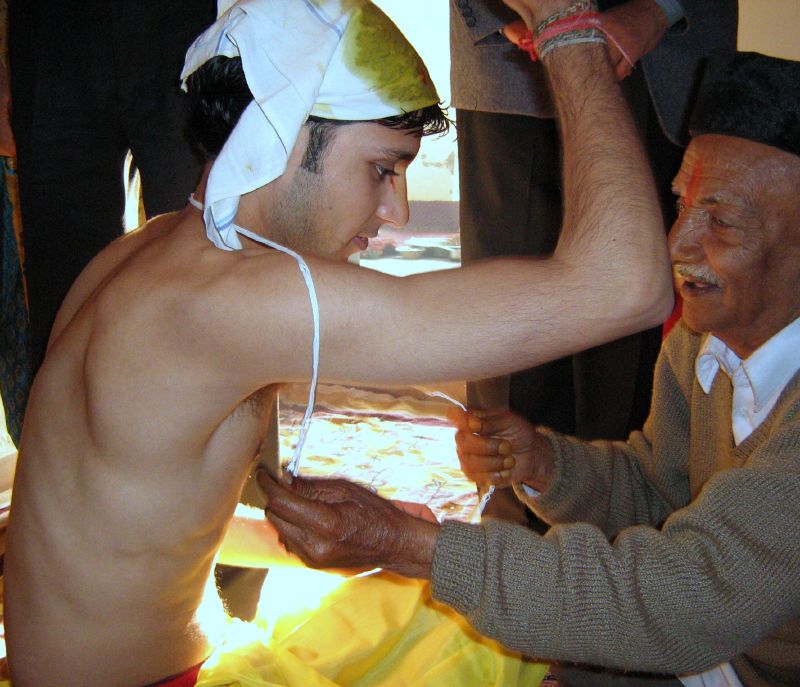 🇮🇳 India and 1 moreUpanayanaउपनयन
A Hindu rite of passage marking a student's initiation into formal education and spiritual discipline.Rite · Speaking with spirits and the dead · Power and authority Living
🇮🇳 India and 1 moreUpanayanaउपनयन
A Hindu rite of passage marking a student's initiation into formal education and spiritual discipline.Rite · Speaking with spirits and the dead · Power and authority Living
 🇹🇭 Thailand and 7 moreSpirit house
A small roofed shrine that shelters a place's protective spiritCharm · Protection Living
🇹🇭 Thailand and 7 moreSpirit house
A small roofed shrine that shelters a place's protective spiritCharm · Protection Living
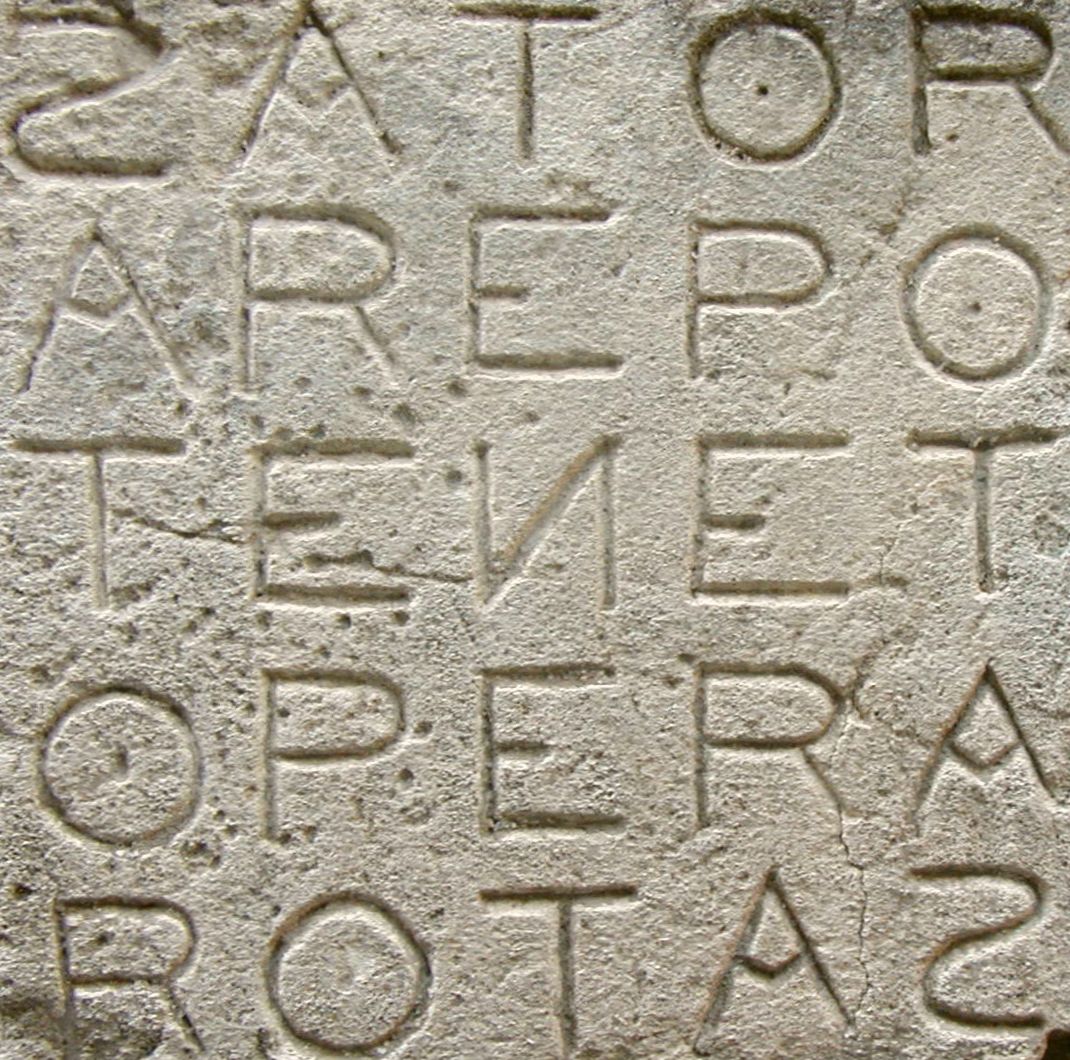 🇮🇹 Italy and 5 moreSator Square
A five-word Latin palindrome found in Roman ruins and medieval churchesCharm · Protection · Healing Historical
🇮🇹 Italy and 5 moreSator Square
A five-word Latin palindrome found in Roman ruins and medieval churchesCharm · Protection · Healing Historical
 🇨🇦 Canada and 1 moreTotemdoodem
A spirit or symbol linking a group to nature, from Ojibwe clan systems to Australian kinshipBelief · Speaking with spirits and the dead · Power and authority Living
🇨🇦 Canada and 1 moreTotemdoodem
A spirit or symbol linking a group to nature, from Ojibwe clan systems to Australian kinshipBelief · Speaking with spirits and the dead · Power and authority Living
 🇲🇽 MexicoOfrenda
A Mexican home altar built to welcome the souls of the dead during Día de los MuertosTradition · Speaking with spirits and the dead Living
🇲🇽 MexicoOfrenda
A Mexican home altar built to welcome the souls of the dead during Día de los MuertosTradition · Speaking with spirits and the dead Living
 🇦🇺 AustraliaWelcome to Country
A ceremony performed by Aboriginal elders to welcome visitors to their landRite · Speaking with spirits and the dead Living
🇦🇺 AustraliaWelcome to Country
A ceremony performed by Aboriginal elders to welcome visitors to their landRite · Speaking with spirits and the dead Living
 🇮🇳 India and 3 moreMaha Shivaratriमहाशिवरात्रि
A Hindu night of fasting and vigil dedicated to the deity ShivaTradition · Protection · Speaking with spirits and the dead Living
🇮🇳 India and 3 moreMaha Shivaratriमहाशिवरात्रि
A Hindu night of fasting and vigil dedicated to the deity ShivaTradition · Protection · Speaking with spirits and the dead Living
 🇮🇹 ItalyFortunaFortūna
The Roman goddess of luck and fate, shown with a wheel and a horn of plentyBeing · Luck and prosperity · Seeing and foretelling Historical
🇮🇹 ItalyFortunaFortūna
The Roman goddess of luck and fate, shown with a wheel and a horn of plentyBeing · Luck and prosperity · Seeing and foretelling Historical
 🇪🇬 Egypt and 2 moreIsisꜣst (Egyptian)
Egyptian goddess of magic, mourning and kingship, mother of HorusBeing · Protection · Healing Historical
🇪🇬 Egypt and 2 moreIsisꜣst (Egyptian)
Egyptian goddess of magic, mourning and kingship, mother of HorusBeing · Protection · Healing Historical
 🇯🇵 JapanOmamori御守/お守り
Japanese amulets from shrines and temples for luck and protectionCharm · Protection · Luck and prosperity Living
🇯🇵 JapanOmamori御守/お守り
Japanese amulets from shrines and temples for luck and protectionCharm · Protection · Luck and prosperity Living
 🇮🇱 Israel and 5 moreTefillinתְּפִלִּין
Black leather boxes containing Torah scrolls, worn by Jewish men during weekday prayers.Charm · Speaking with spirits and the dead · Protection Living
🇧🇯 Benin and 2 morePapa Legba
A loa who stands at the crossroads and opens the gate between people and spiritsBeing · Speaking with spirits and the dead · Power and authority Living
🇮🇱 Israel and 5 moreTefillinתְּפִלִּין
Black leather boxes containing Torah scrolls, worn by Jewish men during weekday prayers.Charm · Speaking with spirits and the dead · Protection Living
🇧🇯 Benin and 2 morePapa Legba
A loa who stands at the crossroads and opens the gate between people and spiritsBeing · Speaking with spirits and the dead · Power and authority Living
 🇮🇹 Italy and 3 moreSaturnalia
An ancient Roman winter festival of role reversal and feasting in honor of SaturnTradition · Luck and prosperity · Wonder and entertainment Historical
🇮🇹 Italy and 3 moreSaturnalia
An ancient Roman winter festival of role reversal and feasting in honor of SaturnTradition · Luck and prosperity · Wonder and entertainment Historical
 🇺🇸 United States and 2 moreSéance
A gathering to communicate with spirits, ranging from religious services to stage performances.Rite · Speaking with spirits and the dead · Healing Living
🇺🇸 United States and 2 moreSéance
A gathering to communicate with spirits, ranging from religious services to stage performances.Rite · Speaking with spirits and the dead · Healing Living
 🇵🇬 Papua New GuineaWitch-hunts in Papua New Guinea
Violent attacks on people accused of sorcery, mainly women and girlsBelief · Cursing and harm Living
🇵🇬 Papua New GuineaWitch-hunts in Papua New Guinea
Violent attacks on people accused of sorcery, mainly women and girlsBelief · Cursing and harm Living
 🇪🇸 Spain and 6 moreBurning of Judas
An Easter rite where an effigy of the betrayer is destroyed by fire or other meansRite · Cursing and harm · Cleansing and purification Living
🇪🇸 Spain and 6 moreBurning of Judas
An Easter rite where an effigy of the betrayer is destroyed by fire or other meansRite · Cursing and harm · Cleansing and purification Living
 🇮🇪 Ireland and 1 moreBuilders' rites
Ceremonies performed during construction to ensure stability and mark progress.Rite · Power and authority Historical
🇮🇪 Ireland and 1 moreBuilders' rites
Ceremonies performed during construction to ensure stability and mark progress.Rite · Power and authority Historical
 🇵🇪 Peru and 1 moreQuyllurit'iQoyllur Rit'i
A syncretic Andean pilgrimage celebrating the Pleiades and the Lord of Star SnowTradition · Protection · Healing Living
🇵🇪 Peru and 1 moreQuyllurit'iQoyllur Rit'i
A syncretic Andean pilgrimage celebrating the Pleiades and the Lord of Star SnowTradition · Protection · Healing Living
 🇨🇱 Chile and 1 moreMapuche religion
The traditional spiritual practice of the Mapuche people of Chile and ArgentinaTradition · Protection · Healing Living
🇨🇱 Chile and 1 moreMapuche religion
The traditional spiritual practice of the Mapuche people of Chile and ArgentinaTradition · Protection · Healing Living
Photo credits on this page
The small pictures above come from Wikimedia Commons under free licences. Some are cropped to fit.
- Rabisu: editor Austen Henry Layard , drawing by L. Gruner, Public domain, source
- Fortuna: Charles Samuel, CC BY-SA 4.0, source
- Hidden-folk: Schorle, CC BY-SA 3.0, source
- Rainmaking: George Catlin, Public domain, source
- Tefillin: Brooklyn Museum, CC BY 3.0, source
- Séance: Unknown author, Public domain, source
- Jesa: by Joseph Steinberg (Baltimoron in Korea) at Flickr, CC BY-SA 2.0, source
- Kagura: Elstner Hilton, Public domain, source
- Wild rue: Yuriy75, CC BY-SA 3.0, source
- Chinese guardian lions: Pvt pauline, CC BY-SA 3.0, source
- Beltane: Stefan Schäfer, Lich, CC BY-SA 3.0, source
- Pixiu: Sol lc, CC BY-SA 4.0, source
- Death knell: Dougsim, CC BY-SA 4.0, source
- Dogon religion: Unknown author, CC BY 3.0, source
- Jangseung: Yoshiaki Sano, CC BY-SA 2.0, source
- Naming taboo: Haruno Akiha, Public domain, source
- Kava culture: Jaejay77, CC BY-SA 4.0, source
- Rabbit's foot: Sobebunny, CC BY-SA 3.0, source
- Nyepi: Matt Croxson, Public domain, source
- Duende: René Mayorga, CC BY-SA 2.0, source
- Ancestor veneration in China: Three huntings, CC BY-SA 4.0, source
- Day of the Dead: RubeHM, CC BY-SA 4.0, source
- Amethyst: JJ Harrison ( https://jjharrison.com.au/ ), CC BY-SA 3.0, source
- Yi Peng: Takeaway, CC BY-SA 3.0, source
- Silver bullet: Smithsonian Institution, CC0, source
- Boitatá: The ponta cabeça, CC BY-SA 4.0, source
- Upanayana: vinodbahal, CC BY 2.0, source
- Spirit house: Chainwit., CC BY-SA 4.0, source
- Sator Square: M Disdero, CC BY-SA 3.0, source
- Totem: Jami430, CC BY-SA 4.0, source
- Ofrenda: Eneas de Troya, CC BY 2.0, source
- Welcome to Country: Bidgee, CC BY-SA 3.0 au, source
- Maha Shivaratri: Navneesh Ramessur, CC BY-SA 4.0, source
- Isis: Ägyptischer Maler um 1360 v. Chr., Public domain, source
- Omamori: Leongboy1, Public domain, source
- Saturnalia: Themadchopper, Antoine-François Callet, CC0, source
- Burning of Judas: Unknown author, Public domain, source
- Quyllurit'i: AgainErick, CC BY-SA 3.0, source
- Mapuche religion: Gary Todd, CC0, source
- Witch-hunts in Papua New Guinea: The original uploader was Dr. Blofeld at English Wikipedia ., Attribution, source
- Builders' rites: U.S. Government, Public domain, source
- Florida Water: Unknown artist(s), Public domain, source
- Relic: MathieuGuy, CC BY-SA 3.0, source
- Ancestor veneration: Thang Nguyen, CC BY-SA 2.0, source