
Kartikeya
In its own language: Kārttikeya
from Sanskrit, meaning 'of the Krittikas'
Hindu god of war and victory, son of Shiva and Parvati
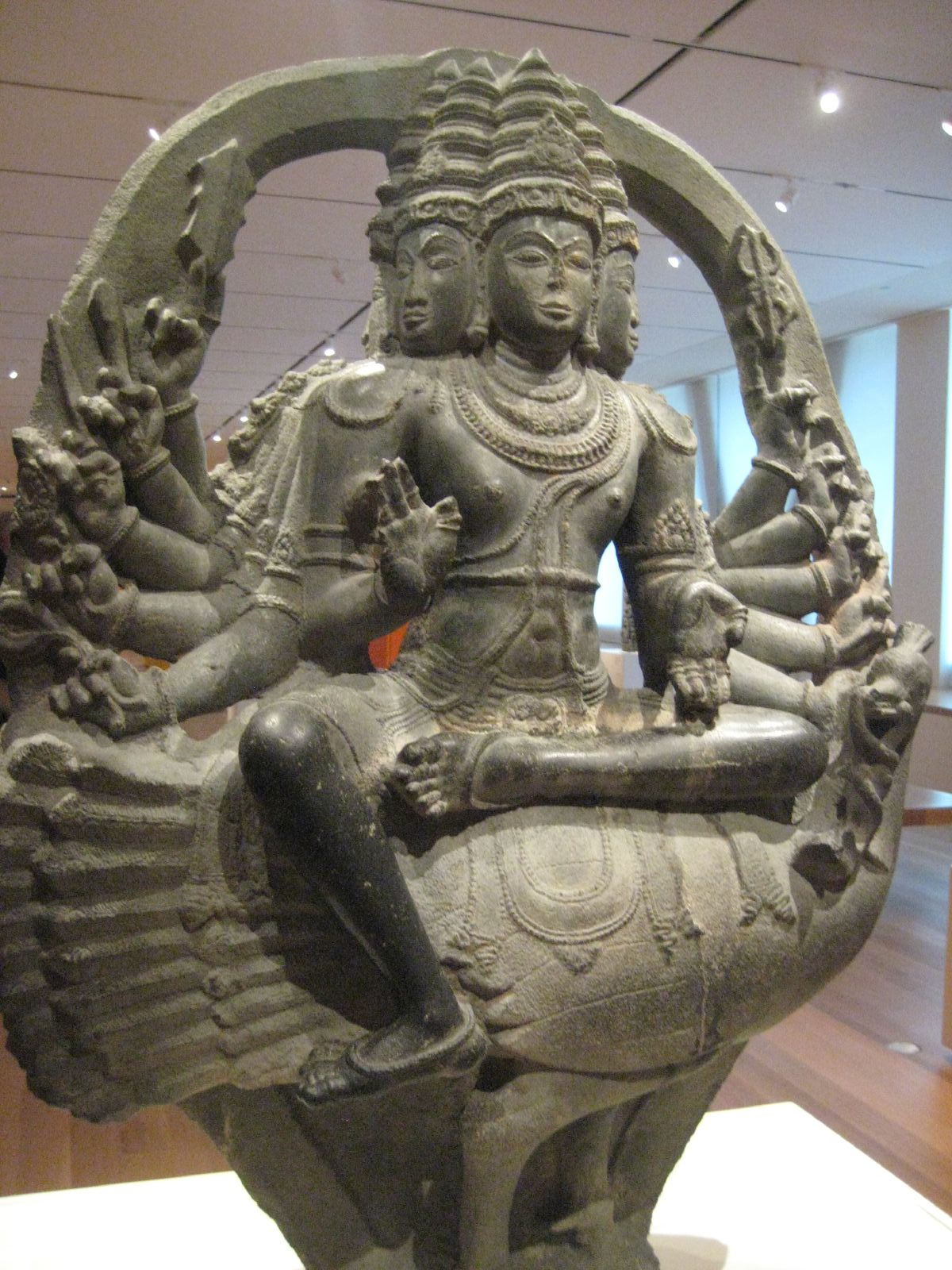
Kartikeya is the Hindu deity of war and victory, widely worshipped across South Asia and among Tamil diaspora communities. He is the son of Shiva and Parvati and serves as the commander of the devas against demonic forces.
- Son of Shiva and Parvati, commander of the devas
- Wields the divine spear called the vel
- Rides a peacock and bears a rooster banner
- Six-headed form originates from fused baby boys
- Central figure in Tamil Sangam literature
What it is
Kartikeya is a major Hindu deity recognized as the god of war and victory. He is typically depicted as an ever-youthful warrior who leads the celestial army against demonic forces. Devotees view him as a protector and a symbol of divine power. His worship spans from ancient times to the present day across the Indian subcontinent and beyond.
Where it comes from
References to Kartikeya appear in Sanskrit literature dating back to the fifth century BCE. By the second century BCE, his mythology had spread widely through North India. Archaeological finds from the first century CE link his imagery with Agni, the fire god, showing his early importance. In South India, the local deity Muruga merged with the Vedic Skanda over centuries, creating a distinct regional tradition.
How it is done
Worship involves offering prayers on Tuesdays and during specific festivals like Thaipusam. Devotees visit temples dedicated to the Six Abodes, particularly the Palani Hills. Rituals often include processions and the carrying of kavadi. The deity is invoked for strength and protection in times of conflict or personal crisis.
Tools and materials
The primary tool associated with Kartikeya is the vel, a divine spear given by his mother Parvati. He rides a peacock named Paravani and carries a banner featuring a rooster. These symbols represent his authority and his role as a warrior. The vel embodies the power of Shakti and is used to distinguish good from evil.
Kartikeya, drawn and placed
- Living
- Revived
- Fading
- Historical
- Legendary
- Performed
- Lineage
- Shaivism
- Timing
- during festivals and Tuesdays
What it is for
Devotees seek Kartikeya's help for victory in battles and success in endeavors. He is also seen as a philosopher who teaches ethical living and spiritual wisdom. Parents may pray for their children's protection under his gaze. His role as commander makes him a focal point for those seeking courage and leadership.
Who does it
Priests in Shaivite temples conduct daily rituals and festival ceremonies. Household devotees maintain shrines and offer daily prayers. The deity is central to the Kaumaram denomination, which focuses exclusively on his veneration. Scholars study his texts to understand Hindu theology and Tamil literary history.
Peoples and places
Kartikeya is revered throughout India, especially in Tamil Nadu where he is known as Muruga. Worship extends to Sri Lanka and Southeast Asian nations like Malaysia, Singapore, and Thailand. Diaspora communities in Canada, Australia, and the Caribbean also maintain strong traditions of devotion to him.
At a glance: who, where and when
Belief worlds
Occasions


What people believe
He is the son of Shiva and Parvati, born to defeat powerful asuras who threatened the heavens. Legends say he was created from six sparks of Shiva's energy, giving him six heads. He represents the triumph of divine order over chaos. His marriage to Devasena or Valli signifies his connection to both military might and earthly love.
When it is done
Major festivals include Thaipusam, Vaikasi Visakam, and Karthika Deepam. Tuesdays are considered auspicious days for his worship. The Kartik Purnima full moon is also significant. These occasions mark key events in his mythological life and invite large gatherings of pilgrims at sacred sites.
How scholars and sceptics see it
Researchers note the fusion of the Tamil Muruga with the Vedic Skanda. Literary scholars analyze works like the Tirumurukāṟṟuppaṭai for insights into early devotion. Historians trace his iconography to early associations with fire deities. Anthropologists study how his worship adapts within modern diaspora communities.
Cautions and what is closed
Some traditions consider certain aspects of his worship closed to outsiders. Pilgrims must follow strict rules when visiting sacred hills like Palani. Misunderstandings about his dual nature can lead to confusion regarding his marital status in different regions.
Compare and confuse
He is often compared to Ganesha, his brother, who represents wisdom while Kartikeya represents action. In other cultures, war gods share similar traits but lack the specific familial ties found in Hindu mythology. The name Skanda appears on ancient coins alongside Greek inscriptions, showing cross-cultural interaction.
Days linked to Kartikeya
Questions people ask about Kartikeya
Who is Kartikeya?
Kartikeya is the Hindu god of war and victory. He is the son of Shiva and Parvati and the brother of Ganesha. He leads the celestial army against demons and is worshipped for protection and success.
What does his name mean?
The name Kartikeya means 'of the Krittikas' in Sanskrit. It refers to the stars that raised him as an infant. Other names like Muruga mean handsome, while Skanda means one who leaps or attacks.
Where is he worshipped?
He is worshipped primarily in India, Sri Lanka, and Southeast Asia. Significant temples exist in Malaysia, Singapore, and Thailand. Diaspora communities in the Caribbean and North America also revere him.
What is his weapon?
His weapon is the vel, a divine spear given by his mother Parvati. It represents the power of Shakti and is used to destroy evil forces. It is a central symbol in his iconography and worship.
Good reading and sources
- Kartikeya on WikipediaEncyclopedia
- More photos on Wikimedia CommonsPhotos and video
- Wikidata recordOpen data
The facts on this page come from the Wikipedia article "Kartikeya", written by its contributors and used under the CC BY-SA 4.0 licence, and from its Wikidata record (CC0). EveryJaadu rewrote the text in its own words, with AI assistance, and compares every page with the article to make sure no passage is copied. It may be reused under the same CC BY-SA 4.0 licence with a link back.
It may contain mistakes. Names and customs differ from one community to the next, and some knowledge is closed to outsiders and left out here. This page describes belief and practice. It does not say that any of it works, it is not a how-to, and it is not medical advice. If something is wrong, tell us. Last refreshed 2026-10-05.
More from India
All the entries from India 🇮🇳 India and 5 morePretaप्रेत
A suffering spirit of insatiable hunger found in Asian religious traditionsBeing · Speaking with spirits and the dead Living
🇮🇳 IndiaAlakshmiदेवी अलक्ष्मी
A Hindu goddess of misfortune and the shadow opposite to LakshmiBeing · Cursing and harm Living
🇮🇳 India and 5 morePretaप्रेत
A suffering spirit of insatiable hunger found in Asian religious traditionsBeing · Speaking with spirits and the dead Living
🇮🇳 IndiaAlakshmiदेवी अलक्ष्मी
A Hindu goddess of misfortune and the shadow opposite to LakshmiBeing · Cursing and harm Living
 🇮🇳 India and 1 moreLakshmiलक्ष्मी
A Hindu goddess of wealth, prosperity, and beauty, worshipped as the consort of Vishnu.Being · Luck and prosperity · Power and authority Living
🇮🇳 India and 1 moreLakshmiलक्ष्मी
A Hindu goddess of wealth, prosperity, and beauty, worshipped as the consort of Vishnu.Being · Luck and prosperity · Power and authority Living
 🇮🇳 IndiaKaliकाली
A fierce Hindu goddess of time and destruction, worshipped as a protective mother.Being · Protection · Cursing and harm Living
🇮🇳 IndiaKaliकाली
A fierce Hindu goddess of time and destruction, worshipped as a protective mother.Being · Protection · Cursing and harm Living
Related elsewhere
All being 🇨🇳 China and 3 moreChinese dragon龍
A legendary water deity and imperial symbol in East Asian cultureBeing · Protection · Luck and prosperity Historical
🇨🇳 China and 3 moreChinese dragon龍
A legendary water deity and imperial symbol in East Asian cultureBeing · Protection · Luck and prosperity Historical
 🇮🇶 Iraq and 5 moreGrimoire
A textbook containing instructions for spells, rituals, and the creation of magical objects.Text · Protection · Healing Historical
🇮🇶 Iraq and 5 moreGrimoire
A textbook containing instructions for spells, rituals, and the creation of magical objects.Text · Protection · Healing Historical
 🇮🇹 ItalyCornicello
A twisted horn charm worn in Italy to ward off the evil eye and invite luck.Charm · Protection · Luck and prosperity Living
🇮🇹 ItalyCornicello
A twisted horn charm worn in Italy to ward off the evil eye and invite luck.Charm · Protection · Luck and prosperity Living
 🇫🇷 France and 5 moreYule log
A large wooden log burned in the hearth during winter festivals across Europe and North America.Tradition · Protection · Luck and prosperity Living
🇫🇷 France and 5 moreYule log
A large wooden log burned in the hearth during winter festivals across Europe and North America.Tradition · Protection · Luck and prosperity Living