Households and ordinary people
Grandmothers, parents and neighbours doing the small things: the knot, the salt, the red thread.
Households and ordinary people do most of the world's magic: the grandmother who ties a thread on a baby's wrist, the neighbour who throws salt, the shopkeeper who hangs a lemon and chillies, the family that burns incense before a photograph. These people are not specialists and often do not call it magic. This page looks at the domestic side of the subject, which is the commonest and least written about.
Everyday customs
Household practice is woven into daily life: sweeping at new year, a bead on a cradle, a horseshoe over a door, a charm in a car. It tends to be practical, brief and handed down within the family. Many people say they do it because their mother did, or to be safe. It rarely needs a priest, a text or a fee. The hands that do it are those of mothers and grandmothers, who also cook, clean and care, so the magic is part of the labour of the home.
Women and the home
Women are the principal keepers of household custom in many societies, as mothers, grandmothers and aunts. Their knowledge covers birth, child care, food, illness, marriage and death. That knowledge is often undervalued by the formal religion and by scholars, and was also the source of accusations in the witch trials, in which women who were midwives or healers were prominent. A household custom is learned by watching and may never be explained, since the practitioner does not see it as special.
Faith and the home
Religious leaders have seen household custom as faith, as superstition or as a nuisance. Reformers in Protestant Europe, Salafi Islam and some Hindu and Buddhist movements have told people to give up such practices. Many people keep them regardless. In the diaspora, the home customs are sometimes the part of heritage that lasts longest, and are carried to new countries in suitcases. In cities, small shrines, protective charms and everyday rituals often survive in apartments, taxis and shops.
Why scholars care
Anthropologists of everyday religion and folklorists record these customs as evidence of how people manage risk. They show how belief and practice differ, since people may say they do not believe and still knock on wood. Household magic is also the easiest to commercialise, in shops selling charms and kits that detach customs from their homes. A new student or visitor may find that families who say they do not believe still follow such customs carefully, and this gap is one of the more interesting findings.
Households and ordinary people on EveryJaadu
The entries written up so far, best known first.
 🇪🇬 Egypt and 3 moreAmulet
A portable object worn or carried to ward off harm and invite fortuneCharm · Protection · Luck and prosperity Living
🇪🇬 Egypt and 3 moreAmulet
A portable object worn or carried to ward off harm and invite fortuneCharm · Protection · Luck and prosperity Living
 🇨🇳 China and 2 moreDiyu地獄
The underworld realm of trial, atonement, and rebirth in Chinese mythologyBelief · Cleansing and purification · Change and initiation Living
🇨🇳 China and 2 moreDiyu地獄
The underworld realm of trial, atonement, and rebirth in Chinese mythologyBelief · Cleansing and purification · Change and initiation Living
 🇪🇬 Egypt and 5 moreTalisman
An object believed to channel specific forces for protection, healing, or influence.Charm · Protection · Healing Historical
🇪🇬 Egypt and 5 moreTalisman
An object believed to channel specific forces for protection, healing, or influence.Charm · Protection · Healing Historical
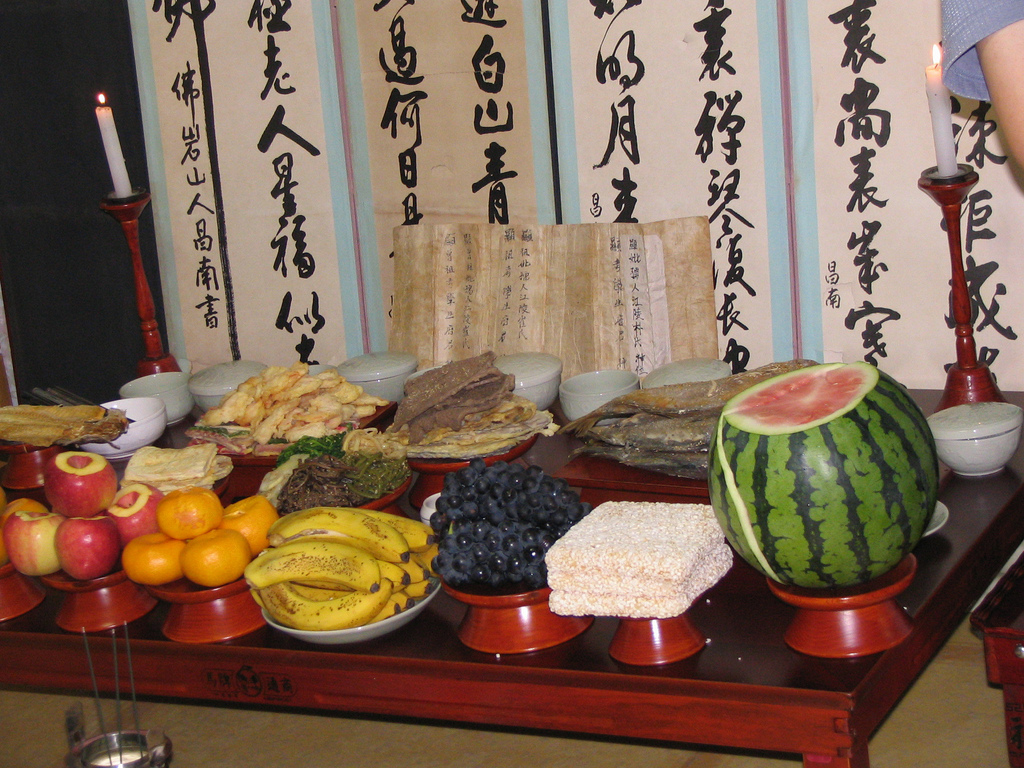 🇰🇷 South Korea and 1 moreChuseok추석 (Chuseok), 한가위 (Hangawi)
A Korean autumn harvest festival marked by ancestral rites and feasting on the full moon.Tradition · Speaking with spirits and the dead · Luck and prosperity Living
🇨🇳 China and 4 moreKitchen God灶君
The Chinese hearth deity who reports domestic conduct to the Jade EmperorBeing · Protection · Luck and prosperity Living
🇰🇷 South Korea and 1 moreChuseok추석 (Chuseok), 한가위 (Hangawi)
A Korean autumn harvest festival marked by ancestral rites and feasting on the full moon.Tradition · Speaking with spirits and the dead · Luck and prosperity Living
🇨🇳 China and 4 moreKitchen God灶君
The Chinese hearth deity who reports domestic conduct to the Jade EmperorBeing · Protection · Luck and prosperity Living
 🇸🇩 Sudan and 5 moreIncense
Aromatic plant materials burned to release fragrant smoke for ritual, scent, or timekeeping.Substance · Protection · Speaking with spirits and the dead Living
🇸🇩 Sudan and 5 moreIncense
Aromatic plant materials burned to release fragrant smoke for ritual, scent, or timekeeping.Substance · Protection · Speaking with spirits and the dead Living
 🇮🇳 India and 5 morePretaप्रेत
A suffering spirit of insatiable hunger found in Asian religious traditionsBeing · Speaking with spirits and the dead Living
🇮🇳 India and 5 morePretaप्रेत
A suffering spirit of insatiable hunger found in Asian religious traditionsBeing · Speaking with spirits and the dead Living
 🇯🇵 JapanOmikujiおみくじ
Paper fortunes drawn at Japanese shrines and temples to reveal luck and life adviceOracle · Seeing and foretelling · Luck and prosperity Living
🇯🇵 JapanOmikujiおみくじ
Paper fortunes drawn at Japanese shrines and temples to reveal luck and life adviceOracle · Seeing and foretelling · Luck and prosperity Living
 🇨🇳 China and 1 moreMoon blocks筊杯
Two crescent blocks thrown to a deity for a yes or noOracle · Seeing and foretelling Living
🇨🇳 China and 1 moreMoon blocks筊杯
Two crescent blocks thrown to a deity for a yes or noOracle · Seeing and foretelling Living
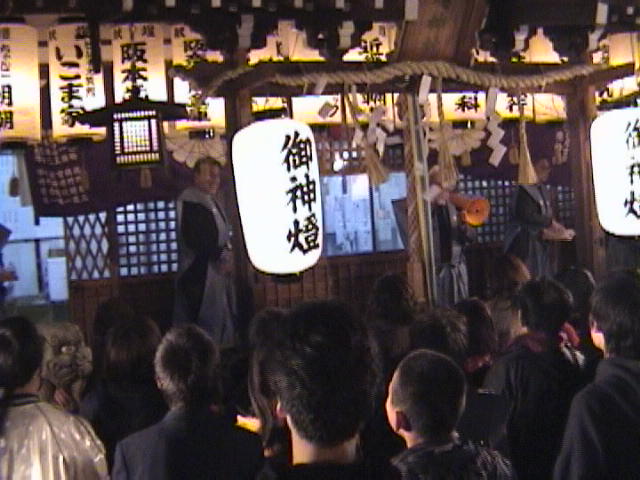 🇯🇵 JapanSetsubun節分
A Japanese seasonal rite to drive away bad luck and welcome spring with roasted beansRite · Protection · Luck and prosperity Living
🇯🇵 JapanSetsubun節分
A Japanese seasonal rite to drive away bad luck and welcome spring with roasted beansRite · Protection · Luck and prosperity Living
 🇯🇵 JapanShinto shrine神社 (jinja)
A structure housing kami deities within the Shinto tradition of JapanTradition · Protection · Speaking with spirits and the dead Living
🇯🇵 JapanShinto shrine神社 (jinja)
A structure housing kami deities within the Shinto tradition of JapanTradition · Protection · Speaking with spirits and the dead Living
 🇯🇵 JapanOfudaお札/御札 (ofuda)
Paper and wooden talismans from Japanese Shinto shrines and Buddhist templesCharm · Protection · Cleansing and purification Living
🇯🇵 JapanOfudaお札/御札 (ofuda)
Paper and wooden talismans from Japanese Shinto shrines and Buddhist templesCharm · Protection · Cleansing and purification Living
 🇨🇳 China and 5 moreQingming Festival清明节
A spring day for sweeping graves, feeding the dead and honouring ancestorsTradition · Speaking with spirits and the dead · Protection Living
🇨🇳 China and 5 moreQingming Festival清明节
A spring day for sweeping graves, feeding the dead and honouring ancestorsTradition · Speaking with spirits and the dead · Protection Living
 🇮🇳 India and 5 moreAncestor worship
Rites of respect for the dead that maintain family bonds and seek spiritual guidanceTradition · Protection · Speaking with spirits and the dead Living
🇮🇳 India and 5 moreAncestor worship
Rites of respect for the dead that maintain family bonds and seek spiritual guidanceTradition · Protection · Speaking with spirits and the dead Living
 🇨🇳 ChinaNeidan内丹
A Taoist practice using the body as a cauldron to refine inner energies for longevity and immortalityTradition · Healing · Power and authority Living
🇨🇳 ChinaNeidan内丹
A Taoist practice using the body as a cauldron to refine inner energies for longevity and immortalityTradition · Healing · Power and authority Living
 🇯🇵 JapanKodama木霊
A tree spirit in Japanese folklore that brings misfortune if the host tree is harmedBeing · Cursing and harm Living
🇯🇵 JapanKodama木霊
A tree spirit in Japanese folklore that brings misfortune if the host tree is harmedBeing · Cursing and harm Living
 🇨🇳 China and 5 moreJoss paper金紙
Paper burned as money and goods for ancestors, gods and the deadCharm · Speaking with spirits and the dead · Luck and prosperity Living
🇨🇳 China and 5 moreJoss paper金紙
Paper burned as money and goods for ancestors, gods and the deadCharm · Speaking with spirits and the dead · Luck and prosperity Living
 🇸🇳 Senegal and 5 moreAncestor veneration
Rituals of respect and offerings for the dead across many culturesTradition · Protection · Speaking with spirits and the dead Living
🇸🇳 Senegal and 5 moreAncestor veneration
Rituals of respect and offerings for the dead across many culturesTradition · Protection · Speaking with spirits and the dead Living
 🇯🇵 Japan and 2 moreTanabataたなばた (七夕)
A Japanese celebration of star-crossed lovers and written wishesTradition · Luck and prosperity · Wonder and entertainment Living
🇯🇵 Japan and 2 moreTanabataたなばた (七夕)
A Japanese celebration of star-crossed lovers and written wishesTradition · Luck and prosperity · Wonder and entertainment Living
 🇯🇵 JapanKami神
Spirits and deities of Shinto, found in nature, ancestors, and placesBeing · Protection · Luck and prosperity Living
🇯🇵 JapanKami神
Spirits and deities of Shinto, found in nature, ancestors, and placesBeing · Protection · Luck and prosperity Living
 🇯🇵 JapanTorii鳥居
A traditional Japanese gate marking the boundary between the mundane and sacred spaces of Shinto shrines.Tradition · Speaking with spirits and the dead · Protection Living
🇯🇵 JapanTorii鳥居
A traditional Japanese gate marking the boundary between the mundane and sacred spaces of Shinto shrines.Tradition · Speaking with spirits and the dead · Protection Living
 🇯🇵 Japan and 3 moreManeki-neko招き猫
A Japanese figurine of a beckoning cat believed to bring luck and prosperityCharm · Luck and prosperity · Protection Living
🇯🇵 Japan and 3 moreManeki-neko招き猫
A Japanese figurine of a beckoning cat believed to bring luck and prosperityCharm · Luck and prosperity · Protection Living
 🇯🇵 JapanKagura神楽
A Shinto ritual dance where performers embody deities to purify and welcome spiritsTradition · Protection · Speaking with spirits and the dead Living
🇯🇵 JapanKagura神楽
A Shinto ritual dance where performers embody deities to purify and welcome spiritsTradition · Protection · Speaking with spirits and the dead Living
 🇨🇳 China and 1 moreAncestor veneration in China中國傳統宗法性宗教
Rites for dead kin who are thought to watch over the familyTradition · Protection · Speaking with spirits and the dead Living
🇨🇳 China and 1 moreAncestor veneration in China中國傳統宗法性宗教
Rites for dead kin who are thought to watch over the familyTradition · Protection · Speaking with spirits and the dead Living
 🇯🇵 JapanOmamori御守/お守り
Japanese amulets from shrines and temples for luck and protectionCharm · Protection · Luck and prosperity Living
🇯🇵 JapanOmamori御守/お守り
Japanese amulets from shrines and temples for luck and protectionCharm · Protection · Luck and prosperity Living
 🇨🇳 China and 1 moreDongyue Dadi東嶽大帝
The Chinese mountain god of Mount Tai who rules lifespans and underworld recordsBeing · Speaking with spirits and the dead · Power and authority Living
🇨🇳 China and 1 moreDongyue Dadi東嶽大帝
The Chinese mountain god of Mount Tai who rules lifespans and underworld recordsBeing · Speaking with spirits and the dead · Power and authority Living
 🇮🇳 India and 5 moreMandalaमण्डल
A sacred geometric design used in Indian religions for meditation and spiritual mapping.Tradition · Speaking with spirits and the dead · Wonder and entertainment Living
🇮🇳 India and 5 moreMandalaमण्डल
A sacred geometric design used in Indian religions for meditation and spiritual mapping.Tradition · Speaking with spirits and the dead · Wonder and entertainment Living
 🇯🇵 Japan and 1 moreMisogi禊
A Shinto rite of full-body purification using cold waterRite · Cleansing and purification · Speaking with spirits and the dead Living
🇯🇵 JapanYutaユタ
Okinawan folk shamans who guide families through spirits and fortune-tellingTradition · Protection · Healing Living
🇯🇵 JapanOmamori (sample)お守り
A small shrine charm in a brocade pouch.Charm · Protection · Luck and prosperity Living
🇯🇵 Japan and 1 moreMisogi禊
A Shinto rite of full-body purification using cold waterRite · Cleansing and purification · Speaking with spirits and the dead Living
🇯🇵 JapanYutaユタ
Okinawan folk shamans who guide families through spirits and fortune-tellingTradition · Protection · Healing Living
🇯🇵 JapanOmamori (sample)お守り
A small shrine charm in a brocade pouch.Charm · Protection · Luck and prosperity Living
 🇨🇳 ChinaJin Chan金蟾
A three-legged toad charm used in feng shui to attract wealth and guard against bad luckBeing · Luck and prosperity · Protection Living
🇨🇳 ChinaJin Chan金蟾
A three-legged toad charm used in feng shui to attract wealth and guard against bad luckBeing · Luck and prosperity · Protection Living
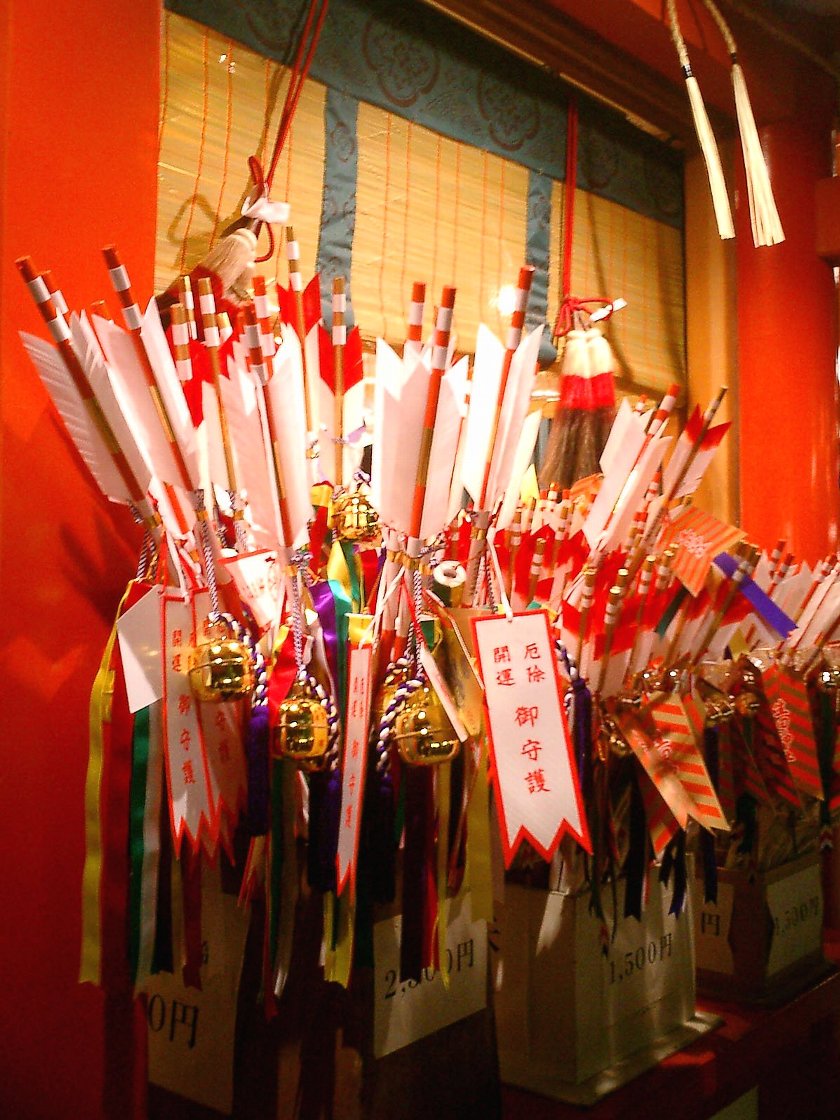 🇯🇵 JapanHamaya破魔矢
A blunt arrow given at shrines to ward off evil and secure good luck for the new yearCharm · Protection · Luck and prosperity Living
🇯🇵 JapanHamaya破魔矢
A blunt arrow given at shrines to ward off evil and secure good luck for the new yearCharm · Protection · Luck and prosperity Living
 🇯🇵 JapanUshi no toki mairi丑の時参り
A Japanese ritual of cursing performed at a shrine during the early morning hours.Rite · Cursing and harm Historical
🇯🇵 JapanUshi no toki mairi丑の時参り
A Japanese ritual of cursing performed at a shrine during the early morning hours.Rite · Cursing and harm Historical
 🇨🇳 China and 1 moreJiaobei筊杯 (jiǎobēi)
Wooden crescent blocks thrown in pairs to ask temple deities yes or no questionsOracle · Seeing and foretelling · Speaking with spirits and the dead Living
🇨🇳 China and 1 moreJiaobei筊杯 (jiǎobēi)
Wooden crescent blocks thrown in pairs to ask temple deities yes or no questionsOracle · Seeing and foretelling · Speaking with spirits and the dead Living
 🇨🇳 China and 2 moreCoin-sword辟邪劍 (bì xié jiàn)
A Chinese numismatic talisman made of cash coins strung on a rod to ward off evil spiritsCharm · Protection Living
🇨🇳 China and 2 moreCoin-sword辟邪劍 (bì xié jiàn)
A Chinese numismatic talisman made of cash coins strung on a rod to ward off evil spiritsCharm · Protection Living
 🇹🇼 Taiwan and 1 moreOng Yah王爺 (Ông-iâ)
Royal Lord deities of Fujian and Taiwan who tour the land, driving out diseaseBeing · Protection · Healing Living
🇹🇼 Taiwan and 1 moreOng Yah王爺 (Ông-iâ)
Royal Lord deities of Fujian and Taiwan who tour the land, driving out diseaseBeing · Protection · Healing Living
 🇨🇳 China and 1 moreLock charms家锁 / 锁片 (jiā suǒ / suǒ piàn)
A Chinese metal pendant shaped like a lock to protect children from harm and death.Charm · Protection · Luck and prosperity Historical
🇯🇵 JapanJapanese superstitions
Common beliefs in Japan about luck, numbers, and omens rooted in language and customBelief · Luck and prosperity · Protection Living
🇨🇳 China and 1 moreLock charms家锁 / 锁片 (jiā suǒ / suǒ piàn)
A Chinese metal pendant shaped like a lock to protect children from harm and death.Charm · Protection · Luck and prosperity Historical
🇯🇵 JapanJapanese superstitions
Common beliefs in Japan about luck, numbers, and omens rooted in language and customBelief · Luck and prosperity · Protection Living
 🇯🇵 JapanChinkon kishin鎮魂帰神
A Japanese spiritual practice combining soul calming with spirit possessionRite · Speaking with spirits and the dead · Healing Living
🇯🇵 Japan and 2 moreJapanese numismatic charm絵銭
Coin-shaped charms from Japan used for protection, luck, and blessings.Charm · Protection · Luck and prosperity Living
🇯🇵 JapanChinkon kishin鎮魂帰神
A Japanese spiritual practice combining soul calming with spirit possessionRite · Speaking with spirits and the dead · Healing Living
🇯🇵 Japan and 2 moreJapanese numismatic charm絵銭
Coin-shaped charms from Japan used for protection, luck, and blessings.Charm · Protection · Luck and prosperity Living
 🇨🇳 China and 1 moreFalun Gong法轮功
A Chinese cultivation practice blending meditative exercises with moral principlesTradition · Healing · Protection Living
🇨🇳 China and 1 moreFalun Gong法轮功
A Chinese cultivation practice blending meditative exercises with moral principlesTradition · Healing · Protection Living
 🇬🇷 Greece and 4 moreTutelary deity
A guardian spirit or god assigned to protect a specific place, person, or group.Being · Protection Living
🇬🇷 Greece and 4 moreTutelary deity
A guardian spirit or god assigned to protect a specific place, person, or group.Being · Protection Living
 🇯🇵 Japan and 4 moreHousehold deity
A spirit or minor god believed to guard a home and its family members.Being · Protection · Speaking with spirits and the dead Historical
🇯🇵 Japan and 4 moreHousehold deity
A spirit or minor god believed to guard a home and its family members.Being · Protection · Speaking with spirits and the dead Historical
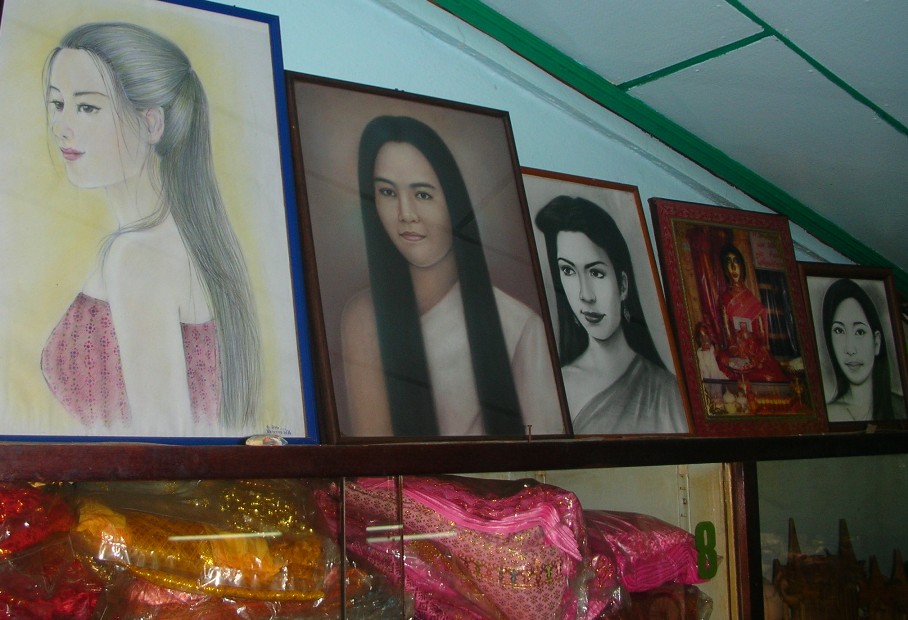 🇹🇭 ThailandMae Nak Phra Khanongแม่นากพระโขนง
A Thai ghost of a woman who died in childbirth and her shrine for protection and fertilityBeing · Protection · Healing Living
🇹🇭 ThailandMae Nak Phra Khanongแม่นากพระโขนง
A Thai ghost of a woman who died in childbirth and her shrine for protection and fertilityBeing · Protection · Healing Living
 🇨🇳 China and 1 moreQianliyan千里眼
A Chinese sea and door god with clairvoyant sight, guardian of the sea goddess MazuBeing · Protection Living
🇯🇵 Japan and 1 moreKōshin庚申信仰
A Japanese folk belief involving vigils to prevent internal spirits from reporting human deeds to heavenBelief · Protection · Healing Living
🇨🇳 China and 1 moreQianliyan千里眼
A Chinese sea and door god with clairvoyant sight, guardian of the sea goddess MazuBeing · Protection Living
🇯🇵 Japan and 1 moreKōshin庚申信仰
A Japanese folk belief involving vigils to prevent internal spirits from reporting human deeds to heavenBelief · Protection · Healing Living
 🇨🇳 ChinaSuperstition in China
A broad category for folk beliefs and rituals dismissed as backward by modern Chinese authoritiesBelief · Protection · Luck and prosperity Living
🇨🇳 ChinaSuperstition in China
A broad category for folk beliefs and rituals dismissed as backward by modern Chinese authoritiesBelief · Protection · Luck and prosperity Living
 🇪🇬 Egypt and 5 moreWorship of heavenly bodies
Veneration of stars, planets, and the sky as divine forces or deitiesTradition · Protection · Power and authority Historical
🇪🇬 Egypt and 5 moreWorship of heavenly bodies
Veneration of stars, planets, and the sky as divine forces or deitiesTradition · Protection · Power and authority Historical
Photo credits on this page
The small pictures above come from Wikimedia Commons under free licences. Some are cropped to fit.
- Jin Chan: Tristanb, CC BY-SA 3.0, source
- Gazu Hyakki Yagyō: Toriyama Sekien, Public domain, source
- Amulet: Anonymous ( Egypt ) Unknown author, Public domain, source
- Chinkon kishin: Tomokiyo Yoshisane (友清歓真), also known as Tomokiyo Kyūgo (友清九吾), Public domain, source
- Incense: nakimusi, CC BY 2.0, source
- Hamaya: Tomomarusan, CC BY 2.5, source
- Omikuji: C121749n, Public domain, source
- Moon blocks: Hsiung/d6478coke, CC BY 2.0, source
- Curse: Katsushika Hokusai, Public domain, source
- Setsubun: Unknown author, CC BY-SA 3.0, source
- Ofuda: 教派研究 (Sectarian research), CC BY-SA 3.0, source
- Shinto shrine: No machine-readable author provided. Fg2 assumed (based on copyright c, Public domain, source
- Ancestor worship: Lyn Gateley, CC BY 2.0, source
- Neidan: A16898, CC BY-SA 4.0, source
- Brownie: Unknown author, CC BY-SA 2.5, source
- Jiaobei: Jnzl's Public Domain Photos, CC BY 2.0, source
- Ong Yah: Suzuki1314 at Chinese Wikipedia, Public domain, source
- Tanabata: Laika ac, CC BY-SA 2.0, source
- Kami: Bernard Gagnon, CC BY-SA 3.0, source
- Torii: JordyMeow, CC BY-SA 3.0, source
- Maneki-neko: Su--May, CC BY 2.0, source
- Jesa: by Joseph Steinberg (Baltimoron in Korea) at Flickr, CC BY-SA 2.0, source
- Kagura: Elstner Hilton, Public domain, source
- Ancestor veneration in China: Three huntings, CC BY-SA 4.0, source
- Omamori: Leongboy1, Public domain, source
- Falun Gong: longtrekhome, CC BY 3.0, source
- Mae Nak Phra Khanong: Xufanc, CC BY-SA 3.0, source
- Misogi: Ds13 at English Wikipedia, CC BY-SA 3.0, source
- Mandala: Marion Golsteijn, CC BY-SA 3.0, source
- Coin-sword: Etnografiska museet, CC BY 2.5, source
- Dongyue Dadi: H2v5o68z, CC0, source
- Ancestor veneration: Thang Nguyen, CC BY-SA 2.0, source
- Joss paper: Vmenkov, CC BY-SA 3.0, source
- Lock charms: Scott Semans World Coins (CoinCoin.com)., CC BY 3.0, source
- Household deity: Claus Ableiter, CC BY-SA 3.0, source
- Qianliyan: 玄史生, CC0, source
- Worship of heavenly bodies: Jean-Pierre Dalbéra, CC BY 2.0, source
- Qingming Festival: Jacklee ., CC BY-SA 3.0, source
- Preta: Temple, Richard Carnac, Sir, Public domain, source
- Talisman: Sasha India, CC BY 2.0, source
- Diyu: ScribblingGeek, CC BY-SA 4.0, source
- Superstition in China: Gary Todd, CC0, source