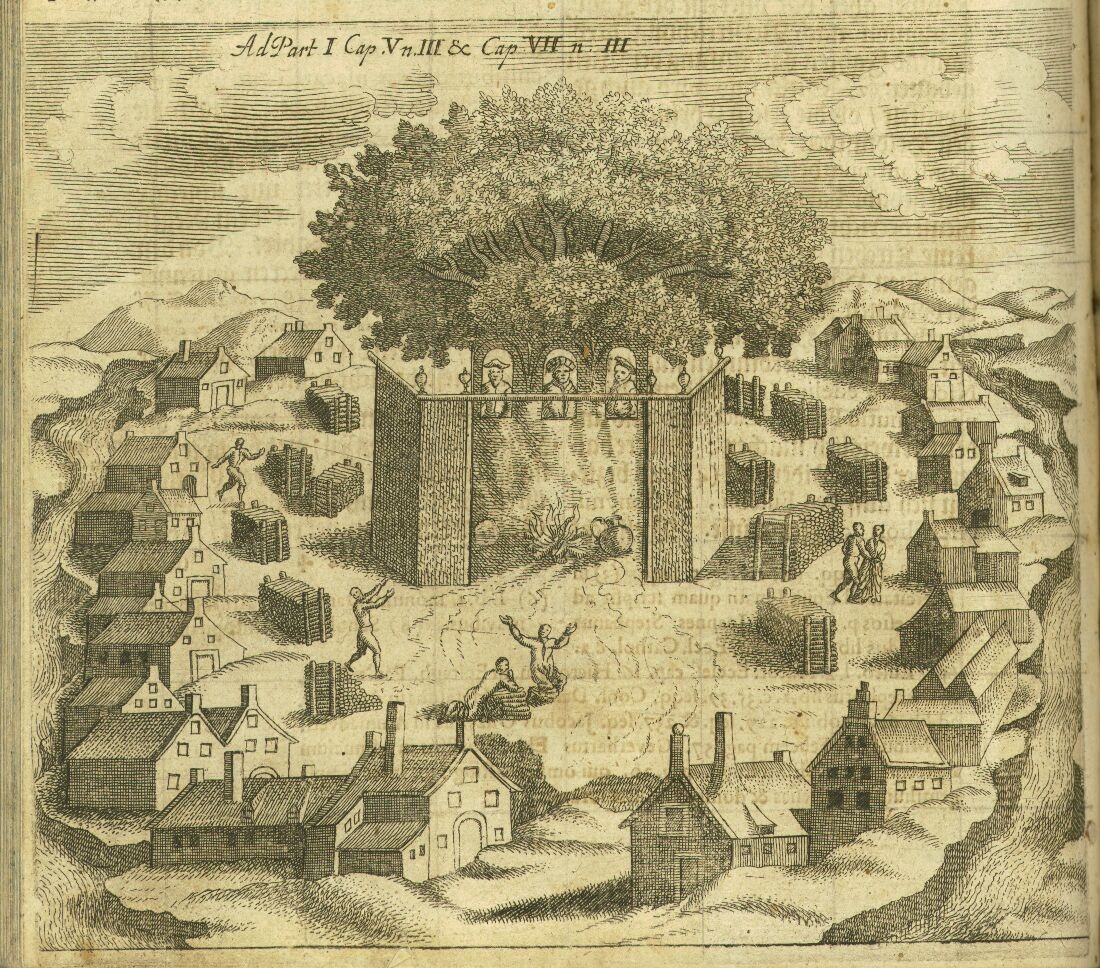
Lithuanian mythology
In its own language: Lietuvių mitologija
from the name of the Lithuanian people and their ancient stories
The ancient polytheistic beliefs of the Baltic people, preserved in folklore and early chronicles
This is the traditional belief system of the Lithuanians before they adopted Christianity. It shares roots with other Indo-European cultures and remains visible today through folk songs, customs, and historical records written by outsiders.
- Survived in folklore after Christianisation
- Shared roots with Latvian and Prussian beliefs
- Recorded by Greek and Roman travelers
- Priests led rituals in holy groves
- Pantheon included thunder god Perkūnas
What it is
Lithuanian mythology represents the pre-Christian religious worldview of the Baltic region. It was a polytheistic system where multiple deities were worshipped. The practice involved rituals in sacred spaces like holy groves. After Christianisation, these beliefs survived mostly in folklore, songs, and local customs rather than formal religious structures.
Where it comes from
The origins lie in ancient Indo-European traditions mixed with earlier local practices. Early records come from Greek and Roman writers who described neighboring tribes. Later accounts were recorded by Christian missionaries and chroniclers during the crusades. These texts often mixed factual observation with propaganda against pagans.
How it is done
Rituals took place in natural settings, particularly in forests and groves considered sacred. Priests, known as Kriwe, led ceremonies at altars called alkas. Practices included offerings to gods like Perkūnas and Žemyna. Cremation was a common funerary custom among Baltic peoples.
Tools and materials
Sacred sites included holy groves and specific trees believed to house spirits. Iron hammers were used in rituals involving the sun. Boar figures were worn as symbols. Altars made of stone or wood served as focal points for worship in open-air sanctuaries.
Lithuanian mythology, drawn and placed
- Living
- Revived
- Fading
- Historical
- Legendary
- Performed
- Lineage
- Baltic mythology
- Timing
- during festivals, funerals, and daily life
What it is for
Worshippers sought protection, harvest blessings, and cosmic balance. Deities governed natural forces like thunder, earth, and the sun. Rituals aimed to maintain harmony between humans and the spiritual world. Funerary rites ensured proper passage for the dead.
Who does it
Priests held high status and performed key rituals. Ordinary households participated in seasonal festivals and daily prayers. Scholars now study fragmented texts and oral traditions to reconstruct the original belief system. Modern interest focuses on cultural heritage rather than active worship.
Peoples and places
The tradition belongs primarily to Lithuanians but closely relates to Latvian and Prussian beliefs. All three groups share linguistic and mythological roots. Regional variations existed, such as differences between Samogitians and other Lithuanian subgroups. The pantheon evolved over centuries through cultural exchange.
At a glance: who, where and when
Peoples
Belief worlds


What people believe
The cosmos was divided into realms ruled by different gods. Dievas was the supreme sky deity. Feminine earth goddesses coexisted with male thunder gods. The sun was revered as a life-giving force. Spirits inhabited natural objects like trees and stones.
When it is done
Festivals marked agricultural cycles and seasonal changes. Daily life included prayers to household deities. Funeral rites followed specific protocols for cremation. Sunday was dedicated to the sun in some traditions. Lunar calendars influenced astronomical observations.
How scholars and sceptics see it
Academics rely on fragmentary sources including medieval chronicles and 19th-century folklore collections. Researchers note that early Christian accounts may contain biases or inaccuracies. Linguists compare Baltic myths with other Indo-European traditions. Archaeomythology combines artifact analysis with textual evidence.
Cautions and what is closed
Historical records were often written by hostile Christian observers. Some texts mix legend with fact, making reconstruction difficult. Colonial powers suppressed pagan practices during crusades. Modern interpretations vary widely among scholars regarding authenticity.
Compare and confuse
Lithuanian mythology shares features with Greek, Roman, and Germanic systems due to shared Indo-European ancestry. Deities like Perkūnas resemble Thor or Zeus. Unlike organized religions, it lacked a central temple structure. Folklore preserves elements lost in formal religious decline.
Questions people ask about Lithuanian mythology
What is Lithuanian mythology?
It is the ancient polytheistic belief system of the Lithuanian people before they adopted Christianity. It involved worshipping nature deities and maintaining rituals in sacred groves.
Where did it originate?
It developed from ancient Indo-European traditions combined with local Baltic practices. Early references appear in Greek and Roman texts describing neighboring tribes.
How do we know about it today?
Most knowledge comes from medieval chronicles written by outsiders and 19th-century folklore collections. Oral traditions preserved songs and tales that reflect old beliefs.
Who were the main gods?
Dievas was the supreme sky god. Perkūnas was the thunder deity. Žemyna represented the earth. The sun was also highly revered as a life-giving spirit.
Good reading and sources
The facts on this page come from the Wikipedia article "Lithuanian mythology", written by its contributors and used under the CC BY-SA 4.0 licence, and from its Wikidata record (CC0). EveryJaadu rewrote the text in its own words, with AI assistance, and compares every page with the article to make sure no passage is copied. It may be reused under the same CC BY-SA 4.0 licence with a link back.
It may contain mistakes. Names and customs differ from one community to the next, and some knowledge is closed to outsiders and left out here. This page describes belief and practice. It does not say that any of it works, it is not a how-to, and it is not medical advice. If something is wrong, tell us. Last refreshed 2026-10-05.
More from Lithuania
All the entries from Lithuania 🇱🇻 Latvia and 1 moreLatvian mythology
A collection of myths about gods, spirits, and the afterlife from the Baltic region.Tradition · Speaking with spirits and the dead · Power and authority Living
🇱🇻 Latvia and 1 moreLatvian mythology
A collection of myths about gods, spirits, and the afterlife from the Baltic region.Tradition · Speaking with spirits and the dead · Power and authority Living
 🇫🇷 France and 5 moreKabbalahקַבָּלָה
An esoteric school of thought within Judaism focused on the hidden meanings of scripture and the divine.Tradition · Speaking with spirits and the dead · Change and initiation Living
🇫🇷 France and 5 moreKabbalahקַבָּלָה
An esoteric school of thought within Judaism focused on the hidden meanings of scripture and the divine.Tradition · Speaking with spirits and the dead · Change and initiation Living
 🇸🇪 Sweden and 5 moreMidsummerJāņi; Joninės; Jaanipäev; Enyovden; Litha; Juhannus
A summer solstice festival marked by bonfires, maypole dancing, and feasting across Europe.Tradition · Protection · Luck and prosperity Living
🇸🇪 Sweden and 5 moreMidsummerJāņi; Joninės; Jaanipäev; Enyovden; Litha; Juhannus
A summer solstice festival marked by bonfires, maypole dancing, and feasting across Europe.Tradition · Protection · Luck and prosperity Living
 🇷🇺 Russia and 5 moreRinging Cedars' Anastasianismдвижение «Анастасия»
A Russian new religious movement based on books about a Siberian mystic and nature worshipTradition · Protection · Speaking with spirits and the dead Living
🇷🇺 Russia and 5 moreRinging Cedars' Anastasianismдвижение «Анастасия»
A Russian new religious movement based on books about a Siberian mystic and nature worshipTradition · Protection · Speaking with spirits and the dead Living
Related elsewhere
All tradition 🇱🇾 Libya and 4 moreTraditional Berber religionAmazigh religion
Ancient beliefs of Northwest Africa centered on celestial bodies, caves, and ancestors.Tradition · Speaking with spirits and the dead · Luck and prosperity Historical
🇱🇾 Libya and 4 moreTraditional Berber religionAmazigh religion
Ancient beliefs of Northwest Africa centered on celestial bodies, caves, and ancestors.Tradition · Speaking with spirits and the dead · Luck and prosperity Historical
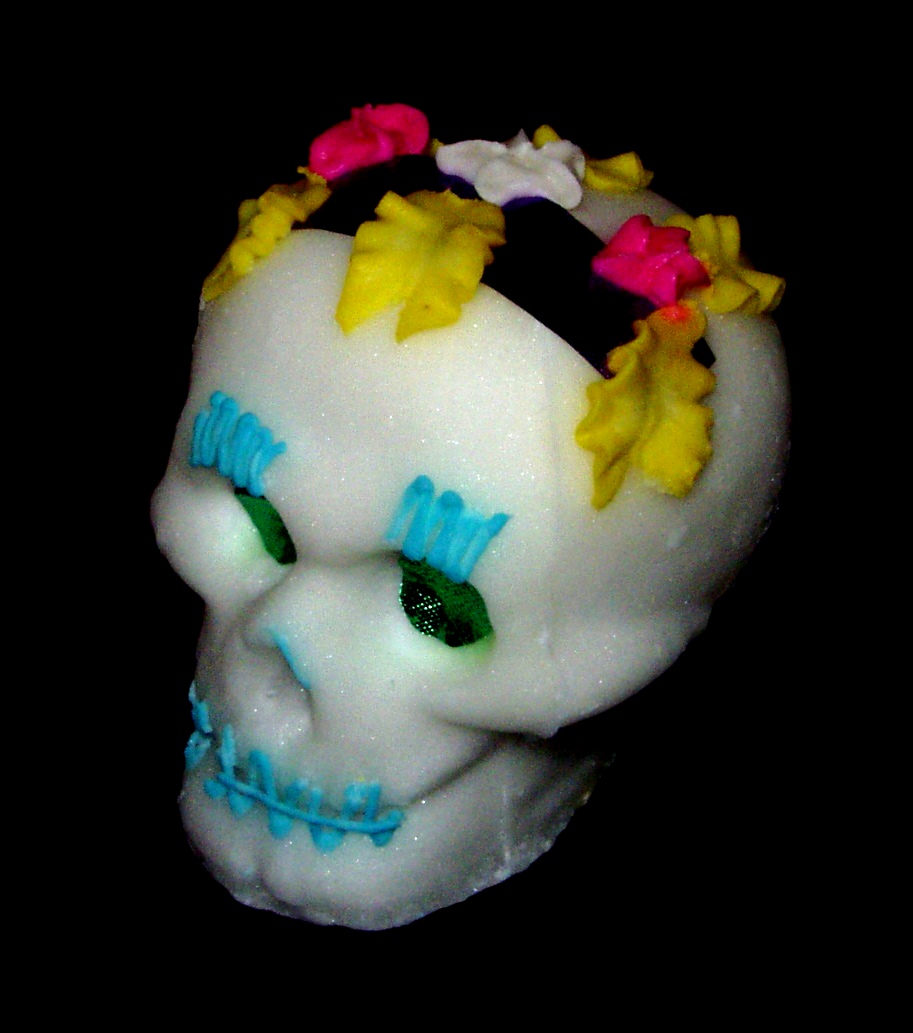 🇲🇽 MexicoCalavera
A sugar or clay skull used in Mexican Day of the Dead celebrations.Charm · Speaking with spirits and the dead · Luck and prosperity Living
🇲🇽 MexicoCalavera
A sugar or clay skull used in Mexican Day of the Dead celebrations.Charm · Speaking with spirits and the dead · Luck and prosperity Living
 🇲🇳 Mongolia and 1 moreTsagaan SarЦагаан сар
A Mongol lunisolar new year marked by white clothes and dairy feastsTradition · Luck and prosperity · Speaking with spirits and the dead Living
🇲🇳 Mongolia and 1 moreTsagaan SarЦагаан сар
A Mongol lunisolar new year marked by white clothes and dairy feastsTradition · Luck and prosperity · Speaking with spirits and the dead Living