
Shakta pithas
In its own language: शाक्त पीठ (Śākta Pīṭha)
from Sanskrit Śakti Pīṭha, meaning 'seats of power'
Sacred shrines in Shaktism marking where parts of the goddess Sati fell to earth.
The Shakta pithas are major pilgrimage sites dedicated to Devi Sati within the Hindu tradition of Shaktism. According to legend, these locations mark the places where body parts or ornaments of the goddess dropped after Lord Vishnu dismembered her corpse following her death.
- Legends say Vishnu cut Sati's body into pieces that fell to earth.
- There are 51, 64, or 108 pithas depending on the text.
- Kamakhya marks the site where Sati's yoni fell.
- Sharada Peeth is in ruins near the India-Pakistan border.
- Each site usually has shrines for both Goddess and Bhairava.
What it is
The Shakta pithas form a network of sacred shrines central to Shaktism, the branch of Hinduism focused on the worship of the mother goddess. These sites are revered as physical manifestations of divine energy. Pilgrims visit them to pay homage to Adi Shakti, who is worshipped here in various forms derived from the deity Sati. The tradition recognizes different numbers of these seats, with texts citing counts of 51, 64, or 108 distinct locations across South Asia.
Where it comes from
The existence of these shrines is rooted in the myth of Sati's self-immolation at her father Daksha's sacrifice. After she died, Shiva wandered the cosmos carrying her body. To stop his grief, Vishnu used his discus to cut her remains into pieces. These fragments fell to earth, transforming the impact sites into holy ground. Shiva also took the form of Bhairava at these locations, establishing a dual presence of goddess and god at each shrine.
How it is done
Devotees travel to these specific geographic points to perform rituals and offer prayers. Each site typically contains shrines for both the Goddess and her consort Bhairava. Pilgrimage involves visiting the temple structures built over the legendary drop points. The practice is open to all believers seeking spiritual connection, without restricted initiation requirements for general visitation.
Tools and materials
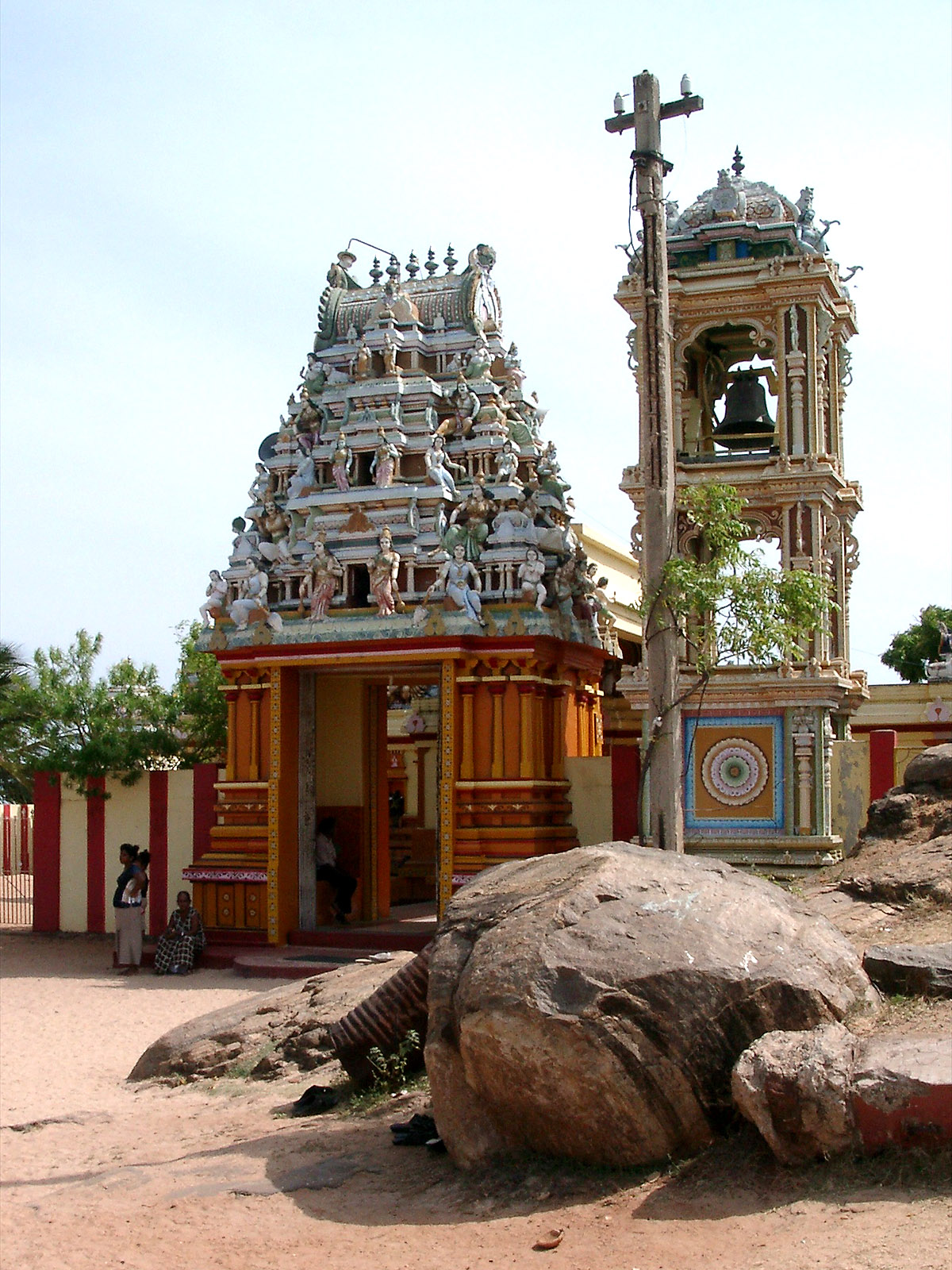
The primary tools are the temples themselves, which house idols representing specific body parts or jewelry of the goddess. Common items include representations of feet, breasts, genitals, and toes. Some sites feature unique local artifacts, such as the main idol of Dhakeshwari, which was moved to Kolkata during political upheaval. Replicas often stand in place of lost original relics.
Shakta pithas, drawn and placed
- Living
- Revived
- Fading
- Historical
- Legendary
- Performed
- Lineage
- Shaktism
- Timing
- year-round pilgrimage
What it is for
These sites serve as centers for devotion and spiritual power. They are believed to grant blessings related to creation, nourishment, and annihilation. Pilgrims seek protection, prosperity, and divine favor. The locations are considered potent sources of energy, allowing devotees to commune with the divine feminine force that sustains the universe.
Who does it
Any Hindu devotee can visit these sites. There are no specialized priestly orders required for general worship, though local temple priests manage daily rituals. The tradition is inclusive, welcoming householders and ascetics alike. Status within the community is not determined by access to these shrines, as they are public pilgrimage destinations.
Peoples and places
The tradition is primarily held by Hindus in India, where most pithas are located. Significant communities exist in Nepal, Bangladesh, Pakistan, Sri Lanka, and Bhutan. Regional variations exist in how specific sites are named or which body part they represent. Local cultures have integrated these legends into their own religious landscapes over centuries.
At a glance: who, where and when
Who does it
Peoples
Belief worlds
Occasions



What people believe
The core belief is that the goddess Sati's physical form became the earth itself at these points. This transforms geography into theology, making land sacred through divine contact. The presence of Bhairava ensures cosmic balance.
When it is done
Pilgrimage occurs throughout the year, with no single mandatory festival. However, specific days may see higher attendance based on local customs. The sites are always open for worship, serving as permanent anchors in the religious calendar for Shaktas seeking connection with the goddess.
How scholars and sceptics see it
Researchers note that lists of pithas vary significantly between Puranas and Tantric texts. Scholars like Dineschandra Sircar have documented how these lists expanded alongside the growth of Shakta sacred geography. Variations in numbering and location reflect historical shifts in religious influence and textual transmission rather than fixed dogma.
Cautions and what is closed
Some sites face political challenges. Sharada Peeth lies near the Line of Control, limiting access due to border tensions. The Guhyeshwari temple in Nepal requires careful distinction from other knee-related shrines to avoid confusion. Pilgrims should respect local regulations regarding idol placement and temple entry.
Compare and confuse
The concept resembles other sacred geography systems where divine events sanctify land. It differs from generic temple worship by tying specific anatomical parts of a deity to precise locations. Unlike some esoteric practices, it is openly practiced and widely recognized across mainstream Hinduism.
Questions people ask about Shakta pithas
What are the Shakta pithas?
They are sacred shrines in Shaktism marking where parts of the goddess Sati fell after her death. Located mainly in India, they are major pilgrimage sites for Hindus seeking divine connection.
How many pithas are there?
Texts vary, citing 51, 64, or 108 locations. Most traditions focus on 18 major pithas, with four considered especially powerful for their association with key aspects of the goddess.
Where are they located?
Most are in India, but sites also exist in Nepal, Bangladesh, Pakistan, Sri Lanka, and Bhutan. Some, like Sharada Peeth, are in politically sensitive border regions.
Who do devotees worship there?
Visitors worship Devi Sati in various forms, along with her consort Bhairava. Each site represents a specific body part or ornament of the goddess, linking physical space to divine myth.
Good reading and sources
- Shakta pithas on WikipediaEncyclopedia
- More photos on Wikimedia CommonsPhotos and video
- Wikidata recordOpen data
The facts on this page come from the Wikipedia article "Shakta pithas", written by its contributors and used under the CC BY-SA 4.0 licence, and from its Wikidata record (CC0). EveryJaadu rewrote the text in its own words, with AI assistance, and compares every page with the article to make sure no passage is copied. It may be reused under the same CC BY-SA 4.0 licence with a link back.
It may contain mistakes. Names and customs differ from one community to the next, and some knowledge is closed to outsiders and left out here. This page describes belief and practice. It does not say that any of it works, it is not a how-to, and it is not medical advice. If something is wrong, tell us. Last refreshed 2026-10-05.
More from India
All the entries from India 🇮🇳 IndiaChakraचक्र
Meditation points in the subtle body used in Hindu and Buddhist yogaTradition · Speaking with spirits and the dead · Change and initiation Living
🇮🇳 IndiaChakraचक्र
Meditation points in the subtle body used in Hindu and Buddhist yogaTradition · Speaking with spirits and the dead · Change and initiation Living
 🇮🇳 IndiaMahakaleshwar JyotirlingaMahākāleśvara
A sacred Shiva shrine in Ujjain, India, known for its south-facing idol and ancient origins.Tradition · Protection · Power and authority Living
🇮🇳 IndiaMahakaleshwar JyotirlingaMahākāleśvara
A sacred Shiva shrine in Ujjain, India, known for its south-facing idol and ancient origins.Tradition · Protection · Power and authority Living
 🇮🇳 India and 5 moreKolamகோலம்
A daily geometric floor drawing made with rice flour at the home entrance in South IndiaTradition · Protection · Luck and prosperity Living
🇮🇳 India and 5 moreKolamகோலம்
A daily geometric floor drawing made with rice flour at the home entrance in South IndiaTradition · Protection · Luck and prosperity Living
 🇮🇳 India and 5 moreHoliहोली
A Hindu spring festival marked by coloured powders and bonfires to celebrate love and virtue.Tradition · Love and attraction · Cursing and harm Living
🇮🇳 India and 5 moreHoliहोली
A Hindu spring festival marked by coloured powders and bonfires to celebrate love and virtue.Tradition · Love and attraction · Cursing and harm Living
Related elsewhere
All tradition 🇺🇸 United States and 1 moreMedicine wheel
Circular stone formations built by Indigenous peoples of North America for ceremony and astronomy.Tradition · Speaking with spirits and the dead · Power and authority Living
🇳🇴 NorwayEsbat
A monthly Wiccan ritual held at the full or new moon for worship and community.Rite · Speaking with spirits and the dead · Love and attraction Living
🇺🇸 United States and 1 moreMedicine wheel
Circular stone formations built by Indigenous peoples of North America for ceremony and astronomy.Tradition · Speaking with spirits and the dead · Power and authority Living
🇳🇴 NorwayEsbat
A monthly Wiccan ritual held at the full or new moon for worship and community.Rite · Speaking with spirits and the dead · Love and attraction Living
 🇮🇶 Iraq and 5 moreGrimoire
A textbook containing instructions for spells, rituals, and the creation of magical objects.Text · Protection · Healing Historical
🇮🇶 Iraq and 5 moreGrimoire
A textbook containing instructions for spells, rituals, and the creation of magical objects.Text · Protection · Healing Historical
 🇪🇬 Egypt and 4 moreAnimal sacrifice
The ritual killing of livestock or wild animals as an offering to deitiesRite · Speaking with spirits and the dead · Power and authority Historical
🇪🇬 Egypt and 4 moreAnimal sacrifice
The ritual killing of livestock or wild animals as an offering to deitiesRite · Speaking with spirits and the dead · Power and authority Historical