
Fig sign
from Latin ficus, meaning fig
A hand gesture used to ward off the evil eye or as an insult in many cultures
The fig sign is a hand gesture formed by wedging the thumb between two fingers. It serves multiple roles across history and geography, acting as an apotropaic charm against the evil eye in Southern Europe or as a rude insult in Slavic and Asian countries. Its meaning shifts entirely depending on local custom.
- Ancient Romans used it in Lemuria rituals to ward off dead spirits
- Called manus obscena by early Christians
- Worn as jet amulets in Asturias to protect children
- Means 'shut up' in Romania and Moldova
- Used playfully in the US to pretend to steal a nose
What it is
The fig sign is a hand gesture made by placing the thumb inside the curled index and middle fingers. It functions as both a protective symbol and a vulgar insult. In some regions, it wards off bad luck, while in others, it conveys strong disagreement or sexual rudeness. The shape resembles a fig fruit, which links its name to ancient agricultural symbols.
Where it comes from
The gesture dates back to Ancient Rome, where it was called manus fica. Romans used it during the Lemuria ritual to repel dead spirits. The fig tree held sacred status in Roman mythology, particularly the Ficus Ruminalis. Ancient Greeks also wore amulets shaped like the hand to protect against the evil eye, believing the overtly sexual form distracted malevolent forces.
How it is done
To make the gesture, one curls the index and middle fingers into the palm and inserts the thumb between them. In protective contexts, people wear metal or stone replicas of this hand as necklaces. In insulting contexts, the hand is thrust toward the recipient, sometimes accompanied by verbal phrases like 'fig to you' or specific regional exclamations.
Tools and materials
Replicas of the gesture serve as physical charms. In Spain and Portugal, these are carved from jet stone or metal. They are known as higas in Spanish and figas in Portuguese. Children receive these amulets to guard against the evil eye. The physical hand itself acts as the primary tool for communication.
Fig sign, drawn and placed
- Living
- Revived
- Fading
- Historical
- Legendary
- Performed
- Lineage
- Mediterranean folk magic
What it is for
The gesture aims to protect individuals from supernatural harm or social ill will. In Mediterranean cultures, it blocks the evil eye. Conversely, in Eastern Europe and Asia, it refuses requests or insults the recipient's masculinity or mother. It can also signal playful teasing among children without any offensive intent.
Who does it
Ordinary households use the gesture daily. Grandparents give protective amulets to children. Adults use the hand signal in arguments or to dismiss demands. The practice requires no special training, relying instead on cultural familiarity with the symbol's dual nature as either blessing or curse.
Peoples and places
Southern Europeans view it as a lucky charm. Slavic peoples use it for absolute refusal. Turks employ it as a rude equivalent to the middle finger. In Mongolia, it represents female genitalia and carries heavy insult. North American and Northwestern European children use it innocently in nose-stealing games, stripping it of its obscene roots.
At a glance: who, where and when
Who does it
Belief worlds

What people believe
The power lies in the symbolism of the fig and the phallus. Ancients believed sexual imagery distracted evil spirits. The gesture mimics penetration, representing life force or aggressive rejection. In folk magic, the physical shape channels apotropaic energy. The belief holds that the visual shock of the hand breaks negative spells or curses.
How scholars and sceptics see it
Linguists link the word sycophant to sykophantes, meaning fig revealer. One theory suggests false accusers insulted defendants like the gesture. Anthropologists note the shift from sacred Roman ritual to modern vulgarity. Historians track how colonial and trade routes spread the symbol’s varied meanings across continents.
Cautions and what is closed
Using the gesture internationally risks severe offense. What is a joke in Canada is a grave insult in Russia or Turkey. Misunderstanding the context can lead to social conflict or violence. The sexual connotations are explicit in many Asian and Eastern European cultures, requiring careful navigation by travelers.
Questions people ask about Fig sign
What does the fig sign look like?
It is formed by curling the index and middle fingers into the palm and inserting the thumb between them. The shape resembles a fig fruit or a phallus.
Is the fig sign always offensive?
No. In Italy, Spain, and Portugal, it is often a good luck charm against the evil eye. In the US and UK, children use it playfully to say 'I've got your nose.'
Where did the gesture originate?
It originated in Ancient Rome as manus fica. Romans used it to repel spirits during the Lemuria festival, linking it to the sacred fig tree of Rumina.
What does it mean in Russia?
In Russia, it is called shish. It signifies a firm refusal or disagreement, often accompanied by the phrase 'fig to you.' It is considered very rude.
Good reading and sources
- Fig sign on WikipediaEncyclopedia
- More photos on Wikimedia CommonsPhotos and video
- Wikidata recordOpen data
The facts on this page come from the Wikipedia article "Fig sign", written by its contributors and used under the CC BY-SA 4.0 licence, and from its Wikidata record (CC0). EveryJaadu rewrote the text in its own words, with AI assistance, and compares every page with the article to make sure no passage is copied. It may be reused under the same CC BY-SA 4.0 licence with a link back.
It may contain mistakes. Names and customs differ from one community to the next, and some knowledge is closed to outsiders and left out here. This page describes belief and practice. It does not say that any of it works, it is not a how-to, and it is not medical advice. If something is wrong, tell us. Last refreshed 2026-10-05.
More from Italy
All the entries from Italy 🇩🇪 Germany and 5 moreWitch trials in the Holy Roman Empire
A wave of executions across Central Europe between the fifteenth and eighteenth centuries.Belief · Cursing and harm Historical
🇩🇪 Germany and 5 moreWitch trials in the Holy Roman Empire
A wave of executions across Central Europe between the fifteenth and eighteenth centuries.Belief · Cursing and harm Historical
 🇫🇷 France and 1 moreNostradamus
A French astrologer and physician known for a book of poetic propheciesText · Seeing and foretelling · Power and authority Historical
🇫🇷 France and 1 moreNostradamus
A French astrologer and physician known for a book of poetic propheciesText · Seeing and foretelling · Power and authority Historical
 🇮🇹 Italy and 5 moreTarottarocchi
A set of playing cards used for games and divinationTradition · Seeing and foretelling · Luck and prosperity Living
🇮🇹 Italy and 5 moreTarottarocchi
A set of playing cards used for games and divinationTradition · Seeing and foretelling · Luck and prosperity Living
 🇮🇹 Italy and 5 moreRelic
An object or body part kept to honor a holy person and mark their connection to the divineCharm · Protection · Healing Living
🇮🇹 Italy and 5 moreRelic
An object or body part kept to honor a holy person and mark their connection to the divineCharm · Protection · Healing Living
Related elsewhere
All belief 🇨🇬 Republic of the CongoNkisi
Spirit containers and power figures from the Congo Basin used for justice and healingCharm · Protection · Healing Living
🇨🇬 Republic of the CongoNkisi
Spirit containers and power figures from the Congo Basin used for justice and healingCharm · Protection · Healing Living
 🇮🇷 Iran and 1 moreJinnجِنّ
Supernatural beings in Islamic and pre-Islamic Arabian belief, created from smokeless fire.Being · Protection · Cursing and harm Living
🇮🇷 Iran and 1 moreJinnجِنّ
Supernatural beings in Islamic and pre-Islamic Arabian belief, created from smokeless fire.Being · Protection · Cursing and harm Living
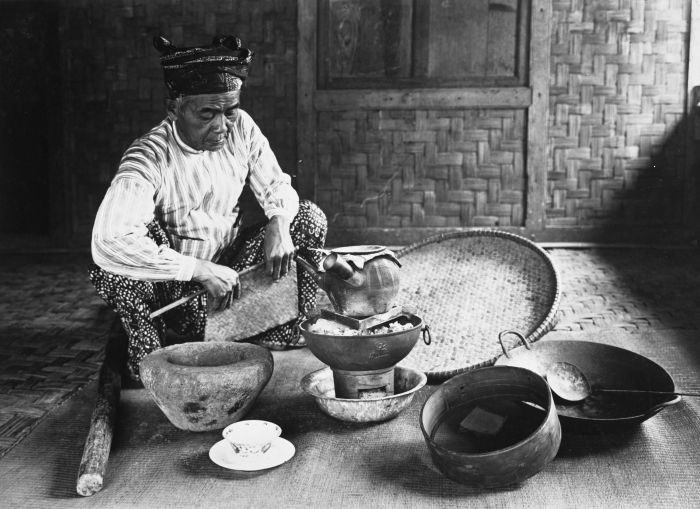 🇮🇩 Indonesia and 2 moreDukun
A traditional healer and spirit medium in Indonesian folk practiceTradition · Healing · Seeing and foretelling Living
🇧🇷 Brazil and 1 moreQuimbanda
An Afro-Brazilian religion focused on male and female street spirits for worldly mattersTradition · Protection · Luck and prosperity Living
🇮🇩 Indonesia and 2 moreDukun
A traditional healer and spirit medium in Indonesian folk practiceTradition · Healing · Seeing and foretelling Living
🇧🇷 Brazil and 1 moreQuimbanda
An Afro-Brazilian religion focused on male and female street spirits for worldly mattersTradition · Protection · Luck and prosperity Living