Households and ordinary people
Grandmothers, parents and neighbours doing the small things: the knot, the salt, the red thread.
Households and ordinary people do most of the world's magic: the grandmother who ties a thread on a baby's wrist, the neighbour who throws salt, the shopkeeper who hangs a lemon and chillies, the family that burns incense before a photograph. These people are not specialists and often do not call it magic. This page looks at the domestic side of the subject, which is the commonest and least written about.
Everyday customs
Household practice is woven into daily life: sweeping at new year, a bead on a cradle, a horseshoe over a door, a charm in a car. It tends to be practical, brief and handed down within the family. Many people say they do it because their mother did, or to be safe. It rarely needs a priest, a text or a fee. The hands that do it are those of mothers and grandmothers, who also cook, clean and care, so the magic is part of the labour of the home.
Women and the home
Women are the principal keepers of household custom in many societies, as mothers, grandmothers and aunts. Their knowledge covers birth, child care, food, illness, marriage and death. That knowledge is often undervalued by the formal religion and by scholars, and was also the source of accusations in the witch trials, in which women who were midwives or healers were prominent. A household custom is learned by watching and may never be explained, since the practitioner does not see it as special.
Faith and the home
Religious leaders have seen household custom as faith, as superstition or as a nuisance. Reformers in Protestant Europe, Salafi Islam and some Hindu and Buddhist movements have told people to give up such practices. Many people keep them regardless. In the diaspora, the home customs are sometimes the part of heritage that lasts longest, and are carried to new countries in suitcases. In cities, small shrines, protective charms and everyday rituals often survive in apartments, taxis and shops.
Why scholars care
Anthropologists of everyday religion and folklorists record these customs as evidence of how people manage risk. They show how belief and practice differ, since people may say they do not believe and still knock on wood. Household magic is also the easiest to commercialise, in shops selling charms and kits that detach customs from their homes. A new student or visitor may find that families who say they do not believe still follow such customs carefully, and this gap is one of the more interesting findings.
Households and ordinary people on EveryJaadu
The entries written up so far, best known first.
 🇮🇷 Iran and 4 moreChaharshanbe Suriچهارشنبهسوری
An Iranian fire festival marking the transition from winter to springTradition · Luck and prosperity · Speaking with spirits and the dead Living
🇮🇷 Iran and 4 moreChaharshanbe Suriچهارشنبهسوری
An Iranian fire festival marking the transition from winter to springTradition · Luck and prosperity · Speaking with spirits and the dead Living
 🇮🇳 IndiaSarnaism
A tribal faith centered on nature worship and sacred groves in eastern IndiaTradition · Protection · Speaking with spirits and the dead Living
🇮🇳 IndiaSarnaism
A tribal faith centered on nature worship and sacred groves in eastern IndiaTradition · Protection · Speaking with spirits and the dead Living
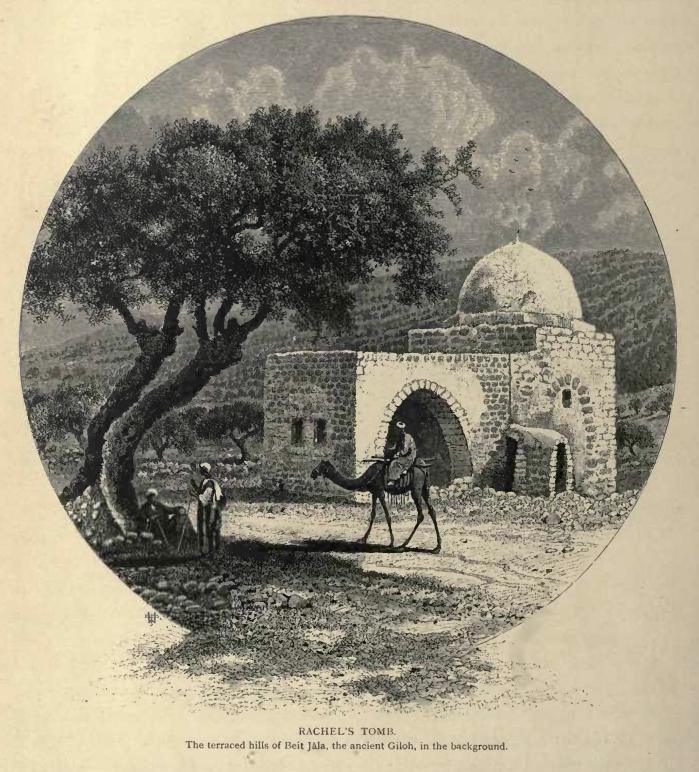 🇵🇸 Palestine and 1 moreRachel's TombQever Raḥel; Qabr Rāḥīl
A shared holy site near Bethlehem revered by Jews, Christians, and MuslimsTradition · Speaking with spirits and the dead · Protection Living
🇵🇸 Palestine and 1 moreRachel's TombQever Raḥel; Qabr Rāḥīl
A shared holy site near Bethlehem revered by Jews, Christians, and MuslimsTradition · Speaking with spirits and the dead · Protection Living
 🇮🇳 IndiaKumkumकुङ्कुमम्
A red powder made from turmeric and lime, used in Hindu markings and ritualsSubstance · Protection · Luck and prosperity Living
🇮🇳 IndiaKumkumकुङ्कुमम्
A red powder made from turmeric and lime, used in Hindu markings and ritualsSubstance · Protection · Luck and prosperity Living
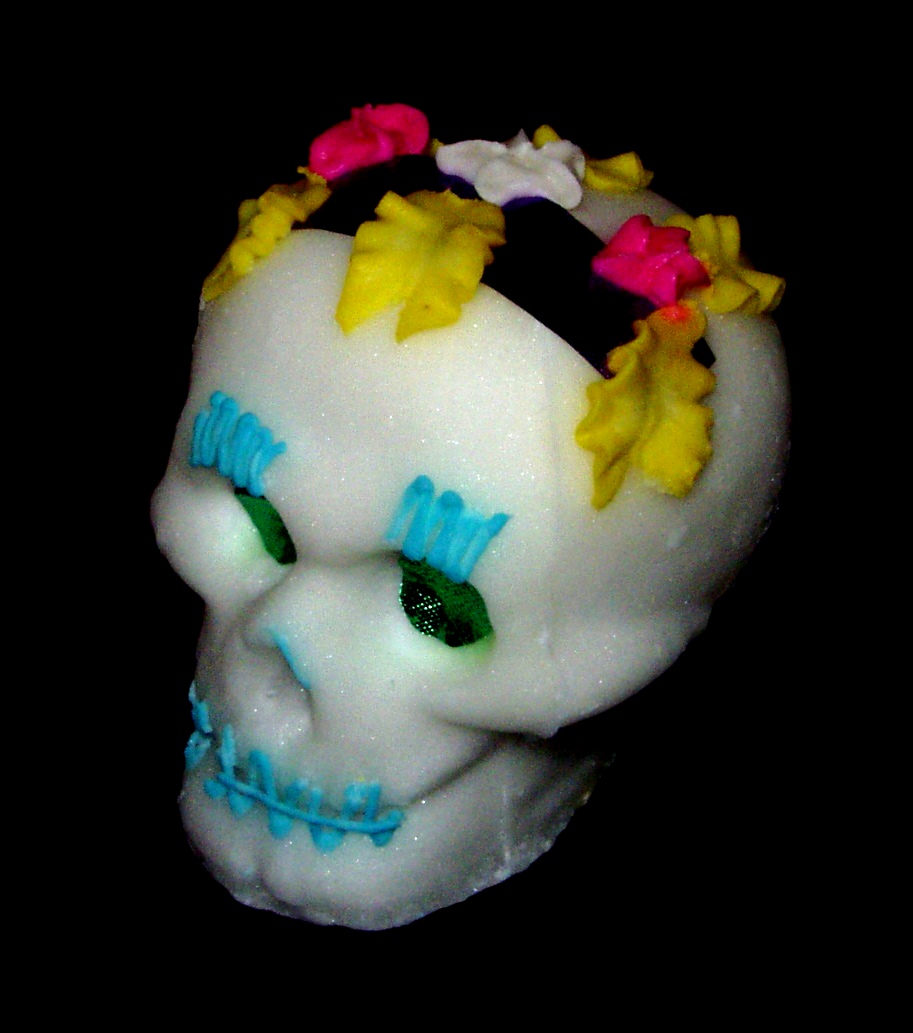 🇲🇽 MexicoCalavera
A sugar or clay skull used in Mexican Day of the Dead celebrations.Charm · Speaking with spirits and the dead · Luck and prosperity Living
🇲🇽 MexicoCalavera
A sugar or clay skull used in Mexican Day of the Dead celebrations.Charm · Speaking with spirits and the dead · Luck and prosperity Living
 🇸🇳 Senegal and 1 moreSerer religionA ƭat Roog
The traditional faith of the Serer people, centred on the supreme deity Roog and ancestral veneration.Tradition · Protection · Speaking with spirits and the dead Living
🇸🇳 Senegal and 1 moreSerer religionA ƭat Roog
The traditional faith of the Serer people, centred on the supreme deity Roog and ancestral veneration.Tradition · Protection · Speaking with spirits and the dead Living
 🇰🇪 Kenya and 1 moreMaasai religion
The spiritual beliefs of the semi-nomadic Maasai people of East AfricaTradition · Protection · Healing Living
🇰🇪 Kenya and 1 moreMaasai religion
The spiritual beliefs of the semi-nomadic Maasai people of East AfricaTradition · Protection · Healing Living
 🇪🇸 Spain and 5 moreSt John's Eve
A Christian vigil marked by bonfires and plant gathering on the summer solstice eveRite · Protection · Speaking with spirits and the dead Living
🇨🇳 China and 4 moreKitchen God灶君
The Chinese hearth deity who reports domestic conduct to the Jade EmperorBeing · Protection · Luck and prosperity Living
🇪🇸 Spain and 5 moreSt John's Eve
A Christian vigil marked by bonfires and plant gathering on the summer solstice eveRite · Protection · Speaking with spirits and the dead Living
🇨🇳 China and 4 moreKitchen God灶君
The Chinese hearth deity who reports domestic conduct to the Jade EmperorBeing · Protection · Luck and prosperity Living
 🇳🇵 Nepal and 1 moreMani stone
Carved stones inscribed with Buddhist mantras, placed as offerings along paths in the Himalayas.Charm · Protection · Speaking with spirits and the dead Living
🇳🇵 Nepal and 1 moreMani stone
Carved stones inscribed with Buddhist mantras, placed as offerings along paths in the Himalayas.Charm · Protection · Speaking with spirits and the dead Living
 🇹🇭 Thailand and 3 moreThai Buddha amuletsพระเครื่อง (phrakhrueang)
Sacred Buddhist images and relics worn for protection, merit, and fortune in Thailand.Charm · Protection · Luck and prosperity Living
🇹🇭 Thailand and 3 moreThai Buddha amuletsพระเครื่อง (phrakhrueang)
Sacred Buddhist images and relics worn for protection, merit, and fortune in Thailand.Charm · Protection · Luck and prosperity Living
 🇮🇱 Israel and 5 moreTefillinתְּפִלִּין
Black leather boxes containing Torah scrolls, worn by Jewish men during weekday prayers.Charm · Speaking with spirits and the dead · Protection Living
🇳🇴 NorwayEsbat
A monthly Wiccan ritual held at the full or new moon for worship and community.Rite · Speaking with spirits and the dead · Love and attraction Living
🇮🇱 Israel and 5 moreTefillinתְּפִלִּין
Black leather boxes containing Torah scrolls, worn by Jewish men during weekday prayers.Charm · Speaking with spirits and the dead · Protection Living
🇳🇴 NorwayEsbat
A monthly Wiccan ritual held at the full or new moon for worship and community.Rite · Speaking with spirits and the dead · Love and attraction Living
 🇬🇧 United Kingdom and 1 moreWell dressing
A rural English custom of decorating water sources with natural designsTradition · Protection · Speaking with spirits and the dead Living
🇬🇧 United Kingdom and 1 moreWell dressing
A rural English custom of decorating water sources with natural designsTradition · Protection · Speaking with spirits and the dead Living
 🇬🇷 Greece and 5 moreCrossroads (folklore)
A junction between worlds where spirits are met and deals are madeBelief · Speaking with spirits and the dead · Cursing and harm Living
🇮🇶 IraqKispu
An ancient Mesopotamian ritual to feed and honour the dead ancestorsRite · Speaking with spirits and the dead · Protection Historical
🇬🇷 Greece and 5 moreCrossroads (folklore)
A junction between worlds where spirits are met and deals are madeBelief · Speaking with spirits and the dead · Cursing and harm Living
🇮🇶 IraqKispu
An ancient Mesopotamian ritual to feed and honour the dead ancestorsRite · Speaking with spirits and the dead · Protection Historical
 🇮🇳 India and 1 moreMantraमन्त्रम्
A sacred sound or phrase repeated to focus the mind and invoke spiritual powerText · Speaking with spirits and the dead · Power and authority Living
🇳🇿 New ZealandKarakia
Māori recitations used for spiritual guidance, protection, and formal greetingsTradition · Protection · Speaking with spirits and the dead Living
🇮🇳 India and 1 moreMantraमन्त्रम्
A sacred sound or phrase repeated to focus the mind and invoke spiritual powerText · Speaking with spirits and the dead · Power and authority Living
🇳🇿 New ZealandKarakia
Māori recitations used for spiritual guidance, protection, and formal greetingsTradition · Protection · Speaking with spirits and the dead Living
 🇪🇬 Egypt and 2 moreLibation
The ritual pouring of liquid as an offering to spirits or the deadRite · Speaking with spirits and the dead · Protection Living
🇪🇬 Egypt and 2 moreLibation
The ritual pouring of liquid as an offering to spirits or the deadRite · Speaking with spirits and the dead · Protection Living
 🇮🇶 Iraq and 5 moreGrimoire
A textbook containing instructions for spells, rituals, and the creation of magical objects.Text · Protection · Healing Historical
🇮🇶 Iraq and 5 moreGrimoire
A textbook containing instructions for spells, rituals, and the creation of magical objects.Text · Protection · Healing Historical
 🇱🇾 Libya and 4 moreTraditional Berber religionAmazigh religion
Ancient beliefs of Northwest Africa centered on celestial bodies, caves, and ancestors.Tradition · Speaking with spirits and the dead · Luck and prosperity Historical
🇵🇾 Paraguay and 3 moreGuarani mythology
The oral traditions of the Tupi-Guarani peoples regarding gods, spirits and creationTradition · Speaking with spirits and the dead · Power and authority Living
🇱🇾 Libya and 4 moreTraditional Berber religionAmazigh religion
Ancient beliefs of Northwest Africa centered on celestial bodies, caves, and ancestors.Tradition · Speaking with spirits and the dead · Luck and prosperity Historical
🇵🇾 Paraguay and 3 moreGuarani mythology
The oral traditions of the Tupi-Guarani peoples regarding gods, spirits and creationTradition · Speaking with spirits and the dead · Power and authority Living
 🇺🇸 United States and 1 moreMedicine wheel
Circular stone formations built by Indigenous peoples of North America for ceremony and astronomy.Tradition · Speaking with spirits and the dead · Power and authority Living
🇺🇸 United States and 1 moreMedicine wheel
Circular stone formations built by Indigenous peoples of North America for ceremony and astronomy.Tradition · Speaking with spirits and the dead · Power and authority Living
 🇮🇳 India and 5 morePretaप्रेत
A suffering spirit of insatiable hunger found in Asian religious traditionsBeing · Speaking with spirits and the dead Living
🇮🇳 India and 5 morePretaप्रेत
A suffering spirit of insatiable hunger found in Asian religious traditionsBeing · Speaking with spirits and the dead Living
 🇲🇳 Mongolia and 1 moreTsagaan SarЦагаан сар
A Mongol lunisolar new year marked by white clothes and dairy feastsTradition · Luck and prosperity · Speaking with spirits and the dead Living
🇲🇳 Mongolia and 1 moreTsagaan SarЦагаан сар
A Mongol lunisolar new year marked by white clothes and dairy feastsTradition · Luck and prosperity · Speaking with spirits and the dead Living
 🇸🇩 Sudan and 5 moreIncense
Aromatic plant materials burned to release fragrant smoke for ritual, scent, or timekeeping.Substance · Protection · Speaking with spirits and the dead Living
🇸🇩 Sudan and 5 moreIncense
Aromatic plant materials burned to release fragrant smoke for ritual, scent, or timekeeping.Substance · Protection · Speaking with spirits and the dead Living
 🇮🇳 IndiaKavu
Sacred forest patches in South India that protect local deities and wildlifeTradition · Protection · Speaking with spirits and the dead Living
🇮🇳 IndiaKavu
Sacred forest patches in South India that protect local deities and wildlifeTradition · Protection · Speaking with spirits and the dead Living
 🇮🇳 India and 1 moreNavagrahaनवग्रह
A group of nine celestial deities in Hinduism that govern fate and astrologyTradition · Protection · Luck and prosperity Living
🇮🇳 India and 1 moreNavagrahaनवग्रह
A group of nine celestial deities in Hinduism that govern fate and astrologyTradition · Protection · Luck and prosperity Living
 🇫🇷 France and 3 moreReliquary
A container for sacred remains or objects, crafted across many faithsCharm · Protection · Speaking with spirits and the dead Living
🇫🇷 France and 3 moreReliquary
A container for sacred remains or objects, crafted across many faithsCharm · Protection · Speaking with spirits and the dead Living
 🇮🇹 Italy and 5 moreRelic
An object or body part kept to honor a holy person and mark their connection to the divineCharm · Protection · Healing Living
🇮🇹 Italy and 5 moreRelic
An object or body part kept to honor a holy person and mark their connection to the divineCharm · Protection · Healing Living
 🇨🇳 China and 5 moreGhost FestivalZhongyuan Festival; Yulanpen Festival
A festival to feed wandering spirits and guide them home during the seventh lunar month.Tradition · Speaking with spirits and the dead · Protection Living
🇨🇳 China and 5 moreGhost FestivalZhongyuan Festival; Yulanpen Festival
A festival to feed wandering spirits and guide them home during the seventh lunar month.Tradition · Speaking with spirits and the dead · Protection Living
 🇨🇳 China and 5 moreJoss paper金紙
Paper burned as money and goods for ancestors, gods and the deadCharm · Speaking with spirits and the dead · Luck and prosperity Living
🇮🇷 Iran and 2 moreHaoma
A divine plant and spirit in Zoroastrianism, linked to healing and ancient rituals.Substance · Healing · Speaking with spirits and the dead Living
🇨🇳 China and 5 moreJoss paper金紙
Paper burned as money and goods for ancestors, gods and the deadCharm · Speaking with spirits and the dead · Luck and prosperity Living
🇮🇷 Iran and 2 moreHaoma
A divine plant and spirit in Zoroastrianism, linked to healing and ancient rituals.Substance · Healing · Speaking with spirits and the dead Living
 🇬🇧 United Kingdom and 4 moreCorn dolly
A woven straw figure made from the last sheaf of a European harvest to house the crop spirit.Tradition · Protection · Speaking with spirits and the dead Revived
🇬🇧 United Kingdom and 4 moreCorn dolly
A woven straw figure made from the last sheaf of a European harvest to house the crop spirit.Tradition · Protection · Speaking with spirits and the dead Revived
 🇨🇺 Cuba and 2 moreSanteríaRegla de Ocha
An Afro-Cuban religion blending Yoruba beliefs with Catholicism and SpiritismTradition · Protection · Healing Living
🇨🇺 Cuba and 2 moreSanteríaRegla de Ocha
An Afro-Cuban religion blending Yoruba beliefs with Catholicism and SpiritismTradition · Protection · Healing Living
 🇬🇷 GreeceKykeonκυκεών
An Ancient Greek ritual drink linked to the Eleusinian Mysteries and peasant lifeSubstance · Speaking with spirits and the dead · Wonder and entertainment Historical
🇬🇷 GreeceKykeonκυκεών
An Ancient Greek ritual drink linked to the Eleusinian Mysteries and peasant lifeSubstance · Speaking with spirits and the dead · Wonder and entertainment Historical
 🇮🇪 Ireland and 5 moreCairn
A human-made stack of stones used as a marker, memorial, or religious symbol across many cultures.Tradition · Protection · Speaking with spirits and the dead Living
🇮🇪 Ireland and 5 moreCairn
A human-made stack of stones used as a marker, memorial, or religious symbol across many cultures.Tradition · Protection · Speaking with spirits and the dead Living
 🇮🇳 India and 1 moreRangoliरंगोली
Floor art made with coloured powders and flowers to welcome guests and deitiesTradition · Protection · Luck and prosperity Living
🇬🇧 United Kingdom and 4 moreTelling the bees
A Western European custom of informing bees about major household eventsRite · Protection · Speaking with spirits and the dead Living
🇮🇳 India and 1 moreRangoliरंगोली
Floor art made with coloured powders and flowers to welcome guests and deitiesTradition · Protection · Luck and prosperity Living
🇬🇧 United Kingdom and 4 moreTelling the bees
A Western European custom of informing bees about major household eventsRite · Protection · Speaking with spirits and the dead Living
 🇮🇳 India and 2 moreYantraयन्त्र
A geometric diagram from Indian traditions used for worship and meditationTradition · Protection · Speaking with spirits and the dead Living
🇮🇳 India and 2 moreYantraयन्त्र
A geometric diagram from Indian traditions used for worship and meditationTradition · Protection · Speaking with spirits and the dead Living
 🇮🇷 Iran and 2 moreSomaसोम
A sacred ritual drink of the ancient Vedic religion and its Iranian counterpartSubstance · Power and authority · Speaking with spirits and the dead Historical
🇮🇷 Iran and 2 moreSomaसोम
A sacred ritual drink of the ancient Vedic religion and its Iranian counterpartSubstance · Power and authority · Speaking with spirits and the dead Historical
 🇺🇸 United States and 1 moreCalifornian white sage
A California shrub used by Indigenous peoples for food, healing, and ritual cleansingSubstance · Protection · Healing Living
🇺🇸 United States and 1 moreCalifornian white sage
A California shrub used by Indigenous peoples for food, healing, and ritual cleansingSubstance · Protection · Healing Living
 🇬🇧 United Kingdom and 3 moreRowancaorann
A Northern Hemisphere tree believed to ward off witches and protect travellers.Substance · Protection · Speaking with spirits and the dead Living
🇬🇧 United Kingdom and 3 moreRowancaorann
A Northern Hemisphere tree believed to ward off witches and protect travellers.Substance · Protection · Speaking with spirits and the dead Living
 🇯🇵 Japan and 1 moreMisogi禊
A Shinto rite of full-body purification using cold waterRite · Cleansing and purification · Speaking with spirits and the dead Living
🇯🇵 Japan and 1 moreMisogi禊
A Shinto rite of full-body purification using cold waterRite · Cleansing and purification · Speaking with spirits and the dead Living
 🇯🇵 JapanShinto shrine神社 (jinja)
A structure housing kami deities within the Shinto tradition of JapanTradition · Protection · Speaking with spirits and the dead Living
🇯🇵 JapanShinto shrine神社 (jinja)
A structure housing kami deities within the Shinto tradition of JapanTradition · Protection · Speaking with spirits and the dead Living
 🇯🇵 JapanOfudaお札/御札 (ofuda)
Paper and wooden talismans from Japanese Shinto shrines and Buddhist templesCharm · Protection · Cleansing and purification Living
🇯🇵 JapanOfudaお札/御札 (ofuda)
Paper and wooden talismans from Japanese Shinto shrines and Buddhist templesCharm · Protection · Cleansing and purification Living
 🇲🇳 Mongolia and 1 moreOvooовоо
A stone or branch cairn used as a shrine and boundary marker in Mongolic folk practice.Tradition · Protection · Speaking with spirits and the dead Living
🇲🇳 Mongolia and 1 moreOvooовоо
A stone or branch cairn used as a shrine and boundary marker in Mongolic folk practice.Tradition · Protection · Speaking with spirits and the dead Living
 🇩🇲 Dominica and 1 morePrayer beads
Beaded strings used to count prayers and mantras across many world religionsSubstance · Speaking with spirits and the dead Living
🇩🇲 Dominica and 1 morePrayer beads
Beaded strings used to count prayers and mantras across many world religionsSubstance · Speaking with spirits and the dead Living
Photo credits on this page
The small pictures above come from Wikimedia Commons under free licences. Some are cropped to fit.
- Rachel's Tomb: Lane-Poole, Stanley, Public domain, source
- St John's Eve: Jules Breton, Public domain, source
- Calavera: Unknown author, CC BY-SA 3.0, source
- Thai Buddha amulets: User:Mattes, Public domain, source
- Serer religion: Unknown author, Public domain, source
- Maasai religion: Dr. Ondřej Havelka (cestovatel), CC BY 4.0, source
- Grimoire: Bengt A. Lundberg, CC BY 2.5, source
- Medicine wheel: U.S. Forest Service Photo, Public domain, source
- Tefillin: Brooklyn Museum, CC BY 3.0, source
- Well dressing: User:WhaleyTim, CC BY-SA 3.0, source
- Crossroads (folklore): MiddleOfAfrica, CC BY-SA 4.0, source
- Mantra: Markrosenrosen, CC BY-SA 3.0, source
- Libation: Arkady Zarubin ( Аркадий Зарубин ), CC BY-SA 3.0, source
- Traditional Berber religion: Potymkin, CC BY-SA 4.0, source
- Preta: Temple, Richard Carnac, Sir, Public domain, source
- Tsagaan Sar: User:Chinneeb, CC BY-SA 3.0, source
- Incense: nakimusi, CC BY 2.0, source
- Kavu: Ashwin.appus, CC BY-SA 4.0, source
- Navagraha: Kiran891, CC BY-SA 4.0, source
- Reliquary: Attributed to Jean de Toul, also written Jehan de Touyl in one source, CC0, source
- Relic: MathieuGuy, CC BY-SA 3.0, source
- Ghost Festival: Chong Fat, CC BY-SA 3.0, source
- Joss paper: Vmenkov, CC BY-SA 3.0, source
- Corn dolly: Renata ( talk ), Public domain, source
- Santería: Jorge Royan, CC BY-SA 3.0, source
- Kykeon: Marsyas, CC BY-SA 2.5, source
- Cairn: Andrew Bossi, CC BY-SA 2.5, source
- Rangoli: SreeramKalyan, CC0, source
- Yantra: Photo by Daniel Conrad (Chromacon), artwork by Daniel Conrad under dir, Public domain, source
- Soma: Krzysztof Ziarnek, Kenraiz, CC BY-SA 4.0, source
- Californian white sage: Stan Shebs, CC BY-SA 3.0, source
- Rowan: Taken by me, Jonik , on August 25, 2004., CC BY-SA 2.0, source
- Misogi: Ds13 at English Wikipedia, CC BY-SA 3.0, source
- Shinto shrine: No machine-readable author provided. Fg2 assumed (based on copyright c, Public domain, source
- Ofuda: 教派研究 (Sectarian research), CC BY-SA 3.0, source
- Ovoo: Bouette ., CC BY-SA 3.0, source
- Prayer beads: ja:利用者:pack372sd, CC BY-SA 3.0, source
- Mani stone: John Hill, CC BY-SA 4.0, source
- Kumkum: Thamizhpparithi Maari, CC BY-SA 3.0, source
- Sarnaism: বুদ্ধি, CC BY-SA 4.0, source
- Chaharshanbe Suri: Philippe Giabbanelli, CC BY 3.0, source