
The Krampus is a horned, anthropomorphic creature from Central and Eastern Alpine folklore. It accompanies Saint Nicholas on the night of December 5 to threaten or punish naughty children with birch rods.
- Krampus accompanies Saint Nicholas on December 5
- Figure has one human foot and one cloven hoof
- Tradition was banned in Austria in 1932
- Eight people were injured in East Tyrol in 2013
- Greeting cards featuring Krampus date to the 19th century
What it is
The Krampus is a mythical figure found in the folk traditions of the Alpine regions. It appears as a hairy, horned beast with one human foot and one cloven hoof. This creature serves as the dark counterpart to Saint Nicholas. While the saint rewards good behavior, the Krampus is tasked with punishing those who have misbehaved during the year. The figure is deeply embedded in the winter celebrations of Central Europe, acting as a warning to children about the consequences of their actions.
Where it comes from
Historians generally date the first clear records of the Krampus to the sixteenth century. Some scholars suggest the figure may have older, pre-Christian roots, but this view is not widely accepted by historians. The tradition likely evolved from earlier masked devil performances and church plays. These early figures were often chaotic and frightening. Over time, the Catholic Church integrated these local customs into the Saint Nicholas feast, creating a structured dynamic between reward and punishment.
How it is done
On the evening of December 5, known as Krampusnacht, young men dress in detailed costumes to portray the creature. They participate in parades called Krampuslauf, where they run through streets and scare spectators. In some villages, the Krampus visits homes alongside Saint Nicholas. The figure carries a bundle of birch branches to swat naughty children. In older versions of the tale, the Krampus might carry a sack to take children away, though modern displays focus more on the threat of birching.
Tools and materials
The costume typically includes a hand-carved wooden mask and a suit covered in black or brown hair. The figure carries heavy chains, which are believed to symbolize the binding of the Devil. Bells attached to the chains create noise during the runs. A bundle of birch rods is used for striking. Some depictions show the Krampus carrying a sack or basket to transport misbehaving children to Hell or for drowning.
Krampus, drawn and placed
- Living
- Revived
- Fading
- Historical
- Legendary
- Performed
- Lineage
- Companions of Saint Nicholas
- Timing
- night of 5 December
What it is for
The primary purpose of the Krampus is to enforce moral behavior in children. The figure acts as a deterrent against mischief. Parents and communities use the legend to encourage good conduct throughout the year. The presence of the Krampus ensures that children understand there are consequences for bad deeds. This dual system of Saint Nicholas and the Krampus provides a complete framework for holiday discipline.
Who does it
The role of the Krampus is performed by living people, usually young men from the community. They wear elaborate masks and costumes to embody the spirit. These performers engage in physical antics to frighten audiences. The tradition requires physical stamina and courage, as the runs can be intense. In some areas, the performers are part of local clubs or groups that maintain the custom.
Peoples and places
The Krampus is prominent in Austria, Bavaria, and parts of Germany. The tradition extends into Slovenia, where the figure is called Parkelj. It is also found in Croatia, Bosnia and Herzegovina, and Switzerland. In Styria, the Krampus presents painted birch twigs to families. In other regions, such as parts of Slovenia, the figure is one of several companions of St. Nicholas. Local variations exist in names and specific behaviors across these countries.
At a glance: who, where and when
Who does it
Belief worlds
Occasions


What people believe
The figure represents a blend of Christian and pagan elements. Many practitioners acknowledge that the Krampus has origins in heathen supernatural beliefs that were later assimilated into Christianity. The creature is often associated with the Devil, yet it operates under the authority of Saint Nicholas. This dynamic reflects a worldview where spiritual forces manage human morality. The chains carried by the Krampus reinforce the idea of religious control over evil.
When it is done
The main event occurs on Krampusnacht, the night before the Feast of St. Nicholas on December 6. This timing places the tradition firmly in the Advent season. In some Alpine regions, similar masked traditions occur around the winter solstice. These earlier customs involved figures known as Perchten. The integration of Saint Nicholas shifted the focus to December 5 and 6, aligning the punishment with the Christmas holiday period.
How scholars and sceptics see it
Anthropologists like John J. Honigmann have studied the cultural mix in these festivals. They note the presence of masked devils in German history since at least the sixteenth century. Scholars observe that the tradition combines dreadful and comic elements. Historians remain skeptical of claims that the Krampus is purely pre-Christian, citing the lack of evidence before the 1600s. The academic view emphasizes the evolution of the figure within Christian frameworks.
Cautions and what is closed
The Krampus runs can lead to physical injuries. Spectators sometimes react aggressively to the scares, leading to altercations. In 2013, eight people in East Tyrol required hospital treatment for broken bones after the runs. The tradition has faced criticism and bans in the past. The Austrian government prohibited the practice in 1932 and distributed pamphlets in the 1950s claiming the figure could harm children's mental health.
Compare and confuse
The Krampus is similar to other companions of Saint Nicholas, such as Knecht Ruprecht in Germany and Père Fouettard in France. These figures all serve to punish naughty children. In North America, the Krampus is sometimes confused with Santa Claus due to its seasonal timing, but the roles are opposite. Other regional variants include the Schabmänner in Styria and the Percht traditions, which are older and less structured than the modern Krampuslauf.
Days linked to Krampus
Questions people ask about Krampus
What is the Krampus?
The Krampus is a horned, anthropomorphic figure from Alpine folklore. It is a companion of Saint Nicholas who punishes misbehaving children on the night of December 5.
Where does the Krampus come from?
The Krampus originates from the folk traditions of Central and Eastern Europe, particularly Austria, Germany, and the Alpine regions. Its first clear historical records appear in the sixteenth century.
What does the Krampus do?
The Krampus threatens and punishes children who have misbehaved. It carries birch rods to swat them and may carry a sack to take them away. It contrasts with Saint Nicholas, who rewards good children.
When is the Krampus celebrated?
The main celebration is Krampusnacht, the night of December 5. This occurs immediately before the Feast of St. Nicholas on December 6. Parades and runs happen on this evening.
Good reading and sources
- Encyclopaedia BritannicaArticle
- National GeographicNational Geographic, Article
- The Origin of Krampus, Europe's Evil Twist on SantaSmithsonian Magazine, Article
- Krampus on WikipediaEncyclopedia
- More photos on Wikimedia CommonsPhotos and video
- Wikidata recordOpen data
The facts on this page come from the Wikipedia article "Krampus", written by its contributors and used under the CC BY-SA 4.0 licence, and from its Wikidata record (CC0). EveryJaadu rewrote the text in its own words, with AI assistance, and compares every page with the article to make sure no passage is copied. It may be reused under the same CC BY-SA 4.0 licence with a link back.
It may contain mistakes. Names and customs differ from one community to the next, and some knowledge is closed to outsiders and left out here. This page describes belief and practice. It does not say that any of it works, it is not a how-to, and it is not medical advice. If something is wrong, tell us. Last refreshed 2026-10-06.
More from Germany
All the entries from Germany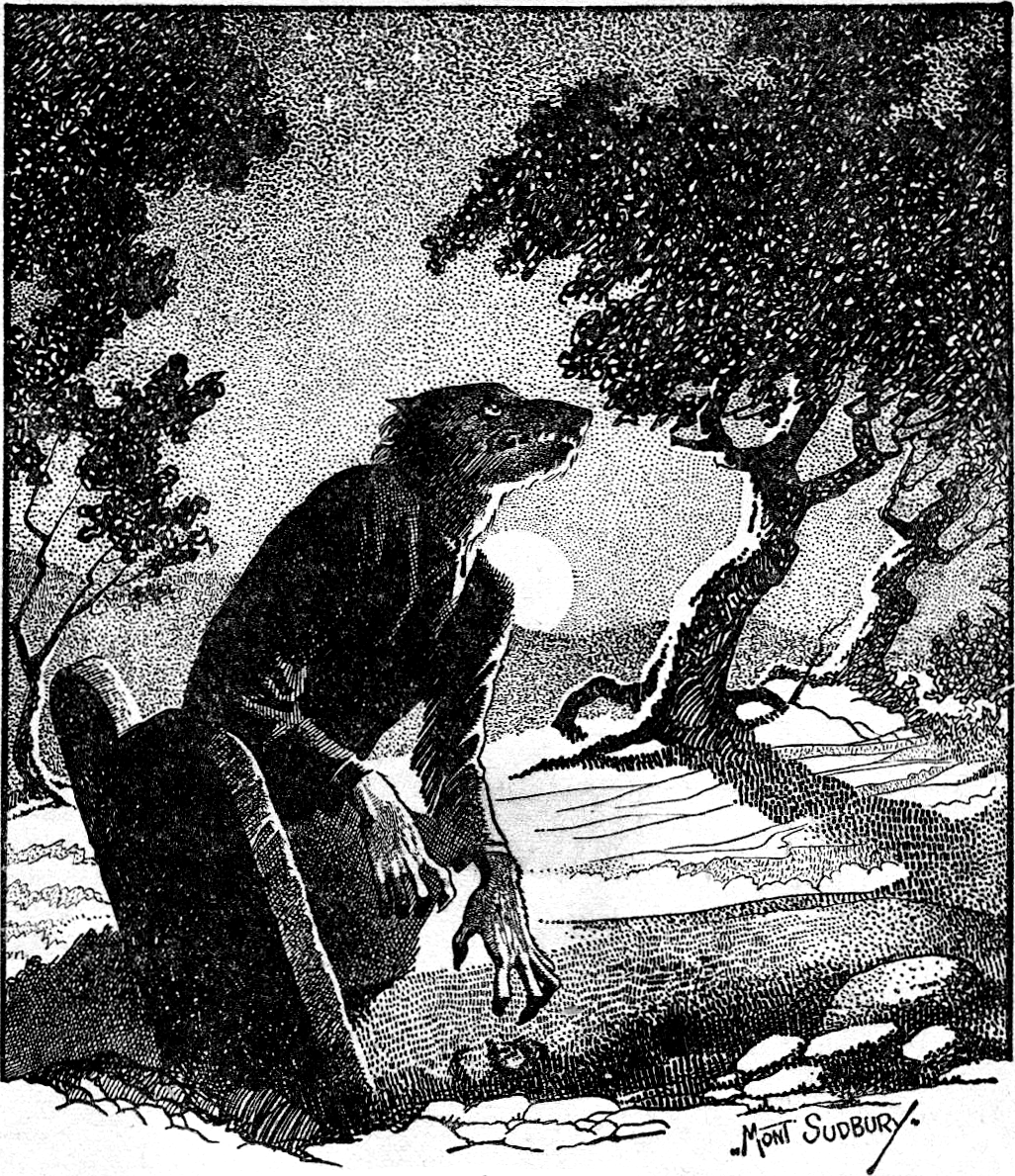 🇫🇷 France and 5 moreWerewolf
A mythical shapeshifter that turns into a wolf, central to European witch-hunts and Gothic horror.Being · Cursing and harm · Wonder and entertainment Legendary
🇩🇪 GermanyJohannes Junius
Mayor of Bamberg executed in the witch trials, known for a letter to his daughterFigure Historical
🇫🇷 France and 5 moreWerewolf
A mythical shapeshifter that turns into a wolf, central to European witch-hunts and Gothic horror.Being · Cursing and harm · Wonder and entertainment Legendary
🇩🇪 GermanyJohannes Junius
Mayor of Bamberg executed in the witch trials, known for a letter to his daughterFigure Historical
 🇩🇪 GermanyPied Piper of Hamelinder Rattenfänger von Hameln
A medieval legend about a piper who leads children away from the town of HamelinFigure · Cursing and harm · Luck and prosperity Legendary
🇩🇪 GermanyPied Piper of Hamelinder Rattenfänger von Hameln
A medieval legend about a piper who leads children away from the town of HamelinFigure · Cursing and harm · Luck and prosperity Legendary
 🇧🇷 Brazil and 5 moreWhite Lady
A female ghost in white clothing linked to tragedy and omens across many culturesFigure · Cursing and harm · Seeing and foretelling Legendary
🇧🇷 Brazil and 5 moreWhite Lady
A female ghost in white clothing linked to tragedy and omens across many culturesFigure · Cursing and harm · Seeing and foretelling Legendary
Related elsewhere
All figure 🇪🇬 Egypt and 1 moreLilithלִילִית
A feminine figure from Mesopotamian and Jewish mythology, often depicted as a night demon or spirit.Being · Cursing and harm Legendary
🇪🇬 Egypt and 1 moreLilithלִילִית
A feminine figure from Mesopotamian and Jewish mythology, often depicted as a night demon or spirit.Being · Cursing and harm Legendary
 🇪🇬 EgyptCurse
A spoken wish for misfortune to befall a person or placeBelief · Cursing and harm · Luck and prosperity Historical
🇪🇬 EgyptCurse
A spoken wish for misfortune to befall a person or placeBelief · Cursing and harm · Luck and prosperity Historical
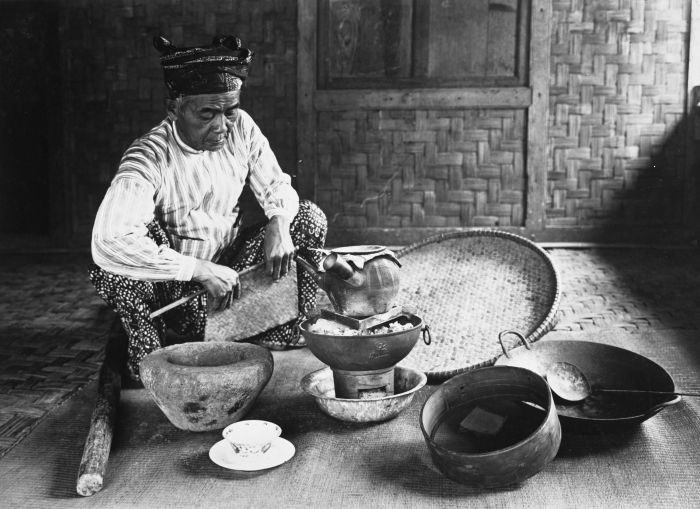 🇮🇩 Indonesia and 2 moreDukun
A traditional healer and spirit medium in Indonesian folk practiceTradition · Healing · Seeing and foretelling Living
🇺🇸 United StatesDeliverance ministry
A Christian practice to remove evil spirits believed to cause personal afflictionRite · Cursing and harm · Cleansing and purification Living
🇮🇩 Indonesia and 2 moreDukun
A traditional healer and spirit medium in Indonesian folk practiceTradition · Healing · Seeing and foretelling Living
🇺🇸 United StatesDeliverance ministry
A Christian practice to remove evil spirits believed to cause personal afflictionRite · Cursing and harm · Cleansing and purification Living