
Preta
In its own language: प्रेत
from Sanskrit preta, meaning departed or deceased
A suffering spirit of insatiable hunger found in Asian religious traditions
Preta is a supernatural being described in Hinduism, Buddhism, and Taoism as undergoing extreme hunger and thirst. These spirits are believed to be the result of past greed or deceit, trapped in a state of perpetual want until rituals guide them toward rebirth.
- Preta means departed or deceased in Sanskrit
- Suffering includes insatiable hunger and thirst
- Rice balls are offered in Hindu funerary rites
- Joss paper is burned in East Asian festivals
- Spirit form results from past greed or deceit
What it is
The preta is a type of supernatural being known across several Asian traditions. It is often translated as hungry ghost. This entity suffers from intense hunger and thirst that cannot be satisfied. The condition represents a state of existence between death and reincarnation. Pretas are not merely ghosts but specific karmic results. They inhabit the same physical spaces as humans but perceive the world differently. Their suffering is considered greater than that of ordinary people. The concept originated in India and spread with Buddhist teachings.
Where it comes from
The term comes from Sanskrit words meaning gone forth or departed. Originally, it referred to the spirit of any dead person before funeral rites were performed. Over time, the idea evolved into a specific realm of rebirth. Early texts like the Petavatthu show varied descriptions. The concept moved from Indian religions into Chinese and Japanese cultures. In these regions, it merged with local beliefs about ancestors and spirits. The translation hungry ghost reflects this East Asian adaptation rather than the original Sanskrit meaning.
How it is done
Families perform rituals to help pretas move toward rebirth. In Hindu tradition, rice balls are offered to the spirit. These offerings happen over a year in three stages. The chief mourner follows strict rules during this time. They eat one meal a day and avoid personal grooming. In Buddhist practice, monks leave food and incense for pretas. Festivals involve burning joss paper to provide material goods. These acts are meant to ease the spirit's suffering and guide its transition.
Tools and materials
Rice balls symbolize the body of the deceased in Hindu rites. Joss paper represents money, clothes, and other items in Chinese and Japanese customs. Offerings include fruits, flowers, and incense in Buddhist temples. Clay mounds may mark the spirit's presence in the home. These materials serve as bridges between the living and the suffering dead. They address the preta's need for sustenance and comfort.
Preta, drawn and placed
- Living
- Revived
- Fading
- Historical
- Legendary
- Performed
- Lineage
- Indian religions and East Asian folk religion
- Timing
- during mourning periods and lunar festivals
What it is for
The primary goal is to relieve the suffering of the preta. Families seek to ensure their ancestors achieve a better rebirth. Rituals prevent the spirit from remaining stuck in a state of want. Communities also aim to maintain harmony between the living and the dead. Offerings are given to gain blessings or avoid nuisance from restless spirits. The practices reinforce social bonds and respect for lineage.
Who does it
Priests and monks lead formal rituals in temples. Household members perform daily offerings and annual ceremonies. In Hindu families, the chief mourner plays a central role. Monks in Buddhist communities leave food before their own meals. These practitioners act as intermediaries. They use prayers and symbolic gestures to communicate with the pretas.
Peoples and places
The belief is widespread across South and East Asia. Hindus in India perform specific funerary rites for pretas. Buddhists in China, Japan, and Korea observe Hungry Ghost festivals. Khmer culture in Cambodia has stories of female pretas. Vietnamese and Thai traditions also incorporate these spirits. Each culture adds local details to the core concept of insatiable hunger.
At a glance: who, where and when

What people believe
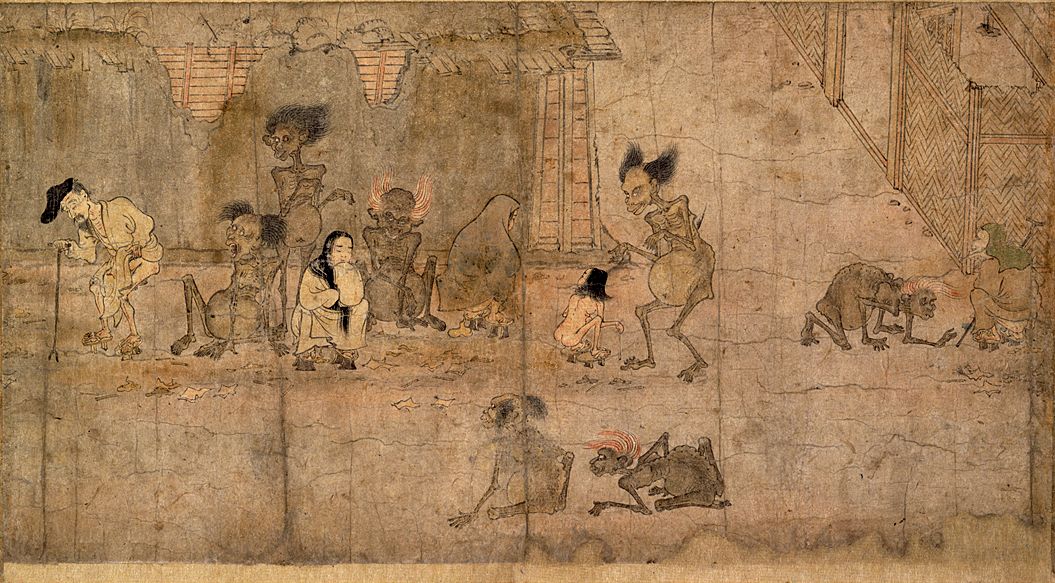
Pretas are believed to be former greedy or deceitful people. Their current form results from bad karma. They have large bellies but thin necks, symbolizing unfulfilled desire. They see water as pus or filth due to their distorted perception. Some suffer from extreme heat or cold. The preta realm is one of six possible states of rebirth. Spirits remain there until proper rites are completed or karma is exhausted.
When it is done
Rituals occur during the year following a death. Rice ball offerings are made in sets over twelve months. The Hungry Ghost Festival happens on the fifteenth day of the seventh lunar month. This period is dedicated to feeding wandering spirits. Daily temple services may also include offerings for pretas.
Days linked to Preta
Questions people ask about Preta
What is a preta?
A preta is a supernatural being known as a hungry ghost. It suffers from extreme hunger and thirst due to past actions. The concept exists in Hindu, Buddhist, and Taoist traditions.
Why do pretas suffer so much?
They are believed to be people who were greedy or deceitful in life. Their karma causes them to have insatiable appetites they cannot satisfy. Their physical form reflects this mental state of endless want.
How can pretas be helped?
Family members perform rituals like offering rice balls or burning joss paper. Monks leave food and incense in temples. These acts guide the spirit toward rebirth and ease its suffering.
Where does the word come from?
It comes from the Sanskrit word preta, meaning departed or deceased. The English term hungry ghost is a later translation from Chinese adaptations of the concept.
Good reading and sources
- Preta on WikipediaEncyclopedia
- More photos on Wikimedia CommonsPhotos and video
- Wikidata recordOpen data
The facts on this page come from the Wikipedia article "Preta", written by its contributors and used under the CC BY-SA 4.0 licence, and from its Wikidata record (CC0). EveryJaadu rewrote the text in its own words, with AI assistance, and compares every page with the article to make sure no passage is copied. It may be reused under the same CC BY-SA 4.0 licence with a link back.
It may contain mistakes. Names and customs differ from one community to the next, and some knowledge is closed to outsiders and left out here. This page describes belief and practice. It does not say that any of it works, it is not a how-to, and it is not medical advice. If something is wrong, tell us. Last refreshed 2026-10-05.
More from India
All the entries from India 🇮🇳 India and 1 moreLakshmiलक्ष्मी
A Hindu goddess of wealth, prosperity, and beauty, worshipped as the consort of Vishnu.Being · Luck and prosperity · Power and authority Living
🇮🇳 IndiaAlakshmiदेवी अलक्ष्मी
A Hindu goddess of misfortune and the shadow opposite to LakshmiBeing · Cursing and harm Living
🇮🇳 India and 1 moreLakshmiलक्ष्मी
A Hindu goddess of wealth, prosperity, and beauty, worshipped as the consort of Vishnu.Being · Luck and prosperity · Power and authority Living
🇮🇳 IndiaAlakshmiदेवी अलक्ष्मी
A Hindu goddess of misfortune and the shadow opposite to LakshmiBeing · Cursing and harm Living
 🇮🇳 India and 1 moreYoginiयोगिनी
A female master of yoga and tantra, or a fierce goddess aspect in Indian temples.Tradition · Power and authority · Protection Historical
🇮🇳 India and 1 moreDaayanदायन
A vengeful female spirit from Indian folklore, often blamed for misfortune and witchcraft accusations.Being · Cursing and harm · Luck and prosperity Living
🇮🇳 India and 1 moreYoginiयोगिनी
A female master of yoga and tantra, or a fierce goddess aspect in Indian temples.Tradition · Power and authority · Protection Historical
🇮🇳 India and 1 moreDaayanदायन
A vengeful female spirit from Indian folklore, often blamed for misfortune and witchcraft accusations.Being · Cursing and harm · Luck and prosperity Living
Related elsewhere
All being 🇲🇦 Morocco and 5 moreWild rueاسپند
A desert plant whose seeds hold psychoactive alkaloids and serve as incense in the Middle East.Substance · Protection · Speaking with spirits and the dead Living
🇲🇦 Morocco and 5 moreWild rueاسپند
A desert plant whose seeds hold psychoactive alkaloids and serve as incense in the Middle East.Substance · Protection · Speaking with spirits and the dead Living
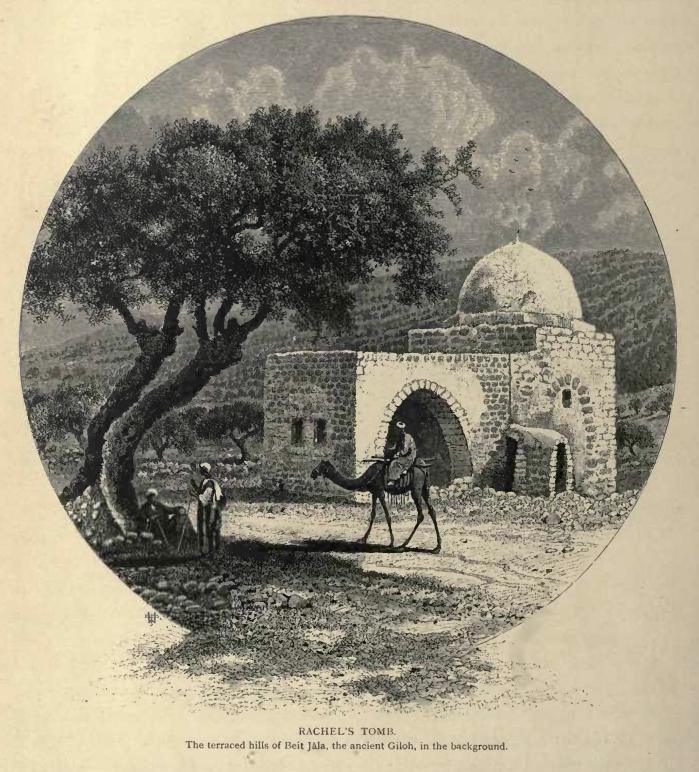 🇵🇸 Palestine and 1 moreRachel's TombQever Raḥel; Qabr Rāḥīl
A shared holy site near Bethlehem revered by Jews, Christians, and MuslimsTradition · Speaking with spirits and the dead · Protection Living
🇵🇸 Palestine and 1 moreRachel's TombQever Raḥel; Qabr Rāḥīl
A shared holy site near Bethlehem revered by Jews, Christians, and MuslimsTradition · Speaking with spirits and the dead · Protection Living
 🇳🇬 NigeriaOrunmilaỌ̀rúnmìlà
Yoruba deity of wisdom and the creator of the Ifá divination systemBeing · Seeing and foretelling · Speaking with spirits and the dead Living
🇳🇬 NigeriaOrunmilaỌ̀rúnmìlà
Yoruba deity of wisdom and the creator of the Ifá divination systemBeing · Seeing and foretelling · Speaking with spirits and the dead Living
 🇨🇳 China and 1 moreAncestor veneration in China中國傳統宗法性宗教
Rites for dead kin who are thought to watch over the familyTradition · Protection · Speaking with spirits and the dead Living
🇨🇳 China and 1 moreAncestor veneration in China中國傳統宗法性宗教
Rites for dead kin who are thought to watch over the familyTradition · Protection · Speaking with spirits and the dead Living