Yuta
In its own language: ユタ
possibly from yunta (chatter) or yutameku (to shake)
Okinawan folk shamans who guide families through spirits and fortune-telling
Yuta are traditional spiritual specialists from Okinawa and parts of Kyushu in Japan. They act as intermediaries between the living and the dead, offering divination, healing rituals, and advice on daily matters to individuals and households.
- Yuta are private shamans from Okinawa and Kyushu.
- They offer divination, healing, and ancestor communication.
- The word may mean chatter or shaking.
- Women traditionally hold this spiritual role.
- Clients often consult multiple specialists.
What it is
The yuta serve as private spiritual guides within Ryukyuan culture. Unlike public priests who manage communal shrines, these practitioners focus on individual needs such as health, family harmony, and financial success. They are believed to possess the ability to perceive the spirit world and communicate with deceased ancestors. This role involves interpreting signs, performing cleansing rites, and providing counsel when secular solutions fail. The practice remains a visible part of local life, even as modern education sometimes labels it as outdated belief.
Where it comes from
Scholars propose several theories for the emergence of this profession. One view suggests that common people stepped in to perform oracles when official priestesses lacked genuine spiritual power. Another theory links the term to words meaning chatter or shaking, describing the physical state of possession. Historically, as the Ryukyu Kingdom centralized religious authority, formal priestesses lost their shamanic roles. A separate class of practitioners likely evolved to fill the gap in folk religion, serving needs outside the official bureaucratic system.
How it is done
Clients visit the practitioner's home for consultations known as yuta buying. The specialist may enter a trance or use intuitive methods to diagnose illness, locate lost items, or assess the auspiciousness of a new venture. Rituals include soul restoration, exorcism of malevolent spirits, and offerings at ancestral altars. Practitioners also interpret dreams and provide feng shui advice for homes. Services often involve multiple visits to different specialists before a decision is made.
Tools and materials
The primary tool is the household shrine, which enshrines a guardian deity assigned by birth year. Common deities include Monju Bosatsu or Senju Kannon. Practitioners use ancestral tablets and ritual objects to conduct ceremonies. The physical setting is typically the client's home or the shaman's residence, creating an intimate space for addressing sensitive family matters.
Yuta, drawn and placed
- Living
- Revived
- Fading
- Historical
- Legendary
- Performed
- Lineage
- Ryukyuan shamanism
- Timing
- at new year, funerals, and during personal crises
What it is for
People seek yuta for guidance on health issues that resist medical treatment, business failures, and marital compatibility. They consult them for annual fortune readings and protection during travel. The goal is to resolve misfortune caused by angry spirits or improper ancestor worship. Families rely on these judgments to navigate critical life changes, from building homes to choosing successors.
Who does it
Women have traditionally dominated this field due to perceived spiritual receptivity, though men also practice. Training involves establishing a lifelong bond with a specific guardian deity revealed during initiation. Each specialist covers a distinct spiritual domain, such as tracing lineage or diagnosing recent deaths. They operate independently, often charging fees for their services and maintaining a private clientele.
Peoples and places
This tradition is rooted in Okinawa but extends to parts of Kyushu. It exists alongside other regional shamanic figures like the itako in Tohoku. In Ryukyuan society, yuta form one half of the spiritual landscape, balancing the public rituals of kaminchu. While some urban intellectuals dismiss the practice, it persists in rural areas and among families seeking traditional comfort.
At a glance: who, where and when
Who does it
Peoples
Belief worlds
What people believe
Yuta believe in a fluid spirit world where ancestral, elemental, and Buddhist deities coexist. They do not strictly categorize these entities, focusing instead on their immediate influence on human affairs. The practitioner acts as a vessel for their guardian deity, channeling divine will to answer questions. This worldview emphasizes the constant presence of the unseen and the need to maintain harmony with it.
When it is done
Consultations occur throughout the year but peak during specific times. New Year brings requests for annual fortune telling. Funerals and bone-washing ceremonies require spirit appeasement rituals. Major memorial services for ancestors, occurring years after death, also draw clients. Personal crises, such as illness or job loss, trigger immediate visits regardless of the season.
How scholars and sceptics see it
Researchers analyze yuta as a response to the centralization of Ryukyuan religion. Some view the practice as a survival mechanism for folk beliefs outside official control. Anthropologists note the tension between modern education, which may label it superstition, and its continued practical use. Studies highlight how the profession adapts to contemporary needs while retaining ancient forms of spirit communication.
Cautions and what is closed
The practice is not without social friction. Public figures may distance themselves from yuta to avoid appearing superstitious, yet privately rely on their advice. There are no reported physical harms, but the reliance on spiritual judgment over medical science can be a concern. The closed nature of initiation means outsiders cannot easily understand the internal logic of the rituals.
Compare and confuse
Yuta differ from noro priestesses, who lead public ceremonies at sacred groves. They share similarities with kuchiyose miko, who also enter trance states. In other regions, similar roles are filled by itako or hozon. All these figures serve as bridges between the human and spirit worlds, adapting to local cultural contexts.
Questions people ask about Yuta
What is a Yuta?
A Yuta is a traditional folk shaman from Okinawa and parts of Kyushu in Japan. They act as spiritual intermediaries, helping individuals with health, fortune, and family matters through communication with spirits and ancestors.
How does a Yuta help someone?
Practitioners provide divination, dream interpretation, and ritual cleansing. They diagnose illnesses believed to be spirit-related, advise on business ventures, and perform ceremonies to appease ancestors or protect against malevolent forces.
Where does the name come from?
The etymology is uncertain but may derive from yunta, meaning chatter, or yutameku, meaning to shake. These terms describe the physical trembling associated with spirit possession during their rituals.
Who performs this role?
While both men and women can be Yuta, women have traditionally been preferred due to beliefs about their spiritual sensitivity. They operate privately, often visiting clients' homes to address specific family concerns.
Good reading and sources
The facts on this page come from the Wikipedia article "Yuta (shaman)", written by its contributors and used under the CC BY-SA 4.0 licence, and from its Wikidata record (CC0). EveryJaadu rewrote the text in its own words, with AI assistance, and compares every page with the article to make sure no passage is copied. It may be reused under the same CC BY-SA 4.0 licence with a link back.
It may contain mistakes. Names and customs differ from one community to the next, and some knowledge is closed to outsiders and left out here. This page describes belief and practice. It does not say that any of it works, it is not a how-to, and it is not medical advice. If something is wrong, tell us. Last refreshed 2026-10-06.
More from Japan
All the entries from Japan 🇨🇳 China and 5 moreGhost FestivalZhongyuan Festival; Yulanpen Festival
A festival to feed wandering spirits and guide them home during the seventh lunar month.Tradition · Speaking with spirits and the dead · Protection Living
🇨🇳 China and 3 moreQi氣 / 气
A vital force in Chinese philosophy and medicine, believed to flow through all living things.Substance · Healing · Power and authority Living
🇨🇳 China and 5 moreGhost FestivalZhongyuan Festival; Yulanpen Festival
A festival to feed wandering spirits and guide them home during the seventh lunar month.Tradition · Speaking with spirits and the dead · Protection Living
🇨🇳 China and 3 moreQi氣 / 气
A vital force in Chinese philosophy and medicine, believed to flow through all living things.Substance · Healing · Power and authority Living
 🇯🇵 JapanOnmyōdō陰陽道
A Japanese system of divination and calendar science rooted in yin-yang philosophyTradition · Seeing and foretelling · Protection Revived
🇯🇵 JapanOnmyōdō陰陽道
A Japanese system of divination and calendar science rooted in yin-yang philosophyTradition · Seeing and foretelling · Protection Revived
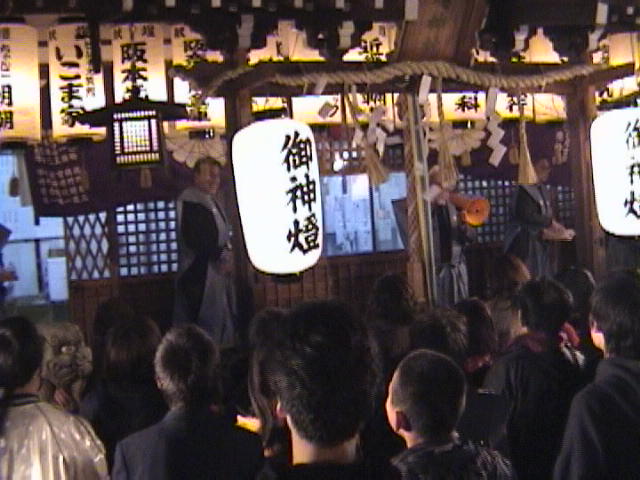 🇯🇵 JapanSetsubun節分
A Japanese seasonal rite to drive away bad luck and welcome spring with roasted beansRite · Protection · Luck and prosperity Living
🇯🇵 JapanSetsubun節分
A Japanese seasonal rite to drive away bad luck and welcome spring with roasted beansRite · Protection · Luck and prosperity Living
Related elsewhere
All tradition 🇨🇺 Cuba and 2 moreSanteríaRegla de Ocha
An Afro-Cuban religion blending Yoruba beliefs with Catholicism and SpiritismTradition · Protection · Healing Living
🇨🇺 Cuba and 2 moreSanteríaRegla de Ocha
An Afro-Cuban religion blending Yoruba beliefs with Catholicism and SpiritismTradition · Protection · Healing Living
 🇺🇸 United StatesKahuna
A Hawaiian expert or priest, keeper of hidden knowledge in craft and spiritTradition · Healing · Seeing and foretelling Living
🇺🇸 United StatesKahuna
A Hawaiian expert or priest, keeper of hidden knowledge in craft and spiritTradition · Healing · Seeing and foretelling Living
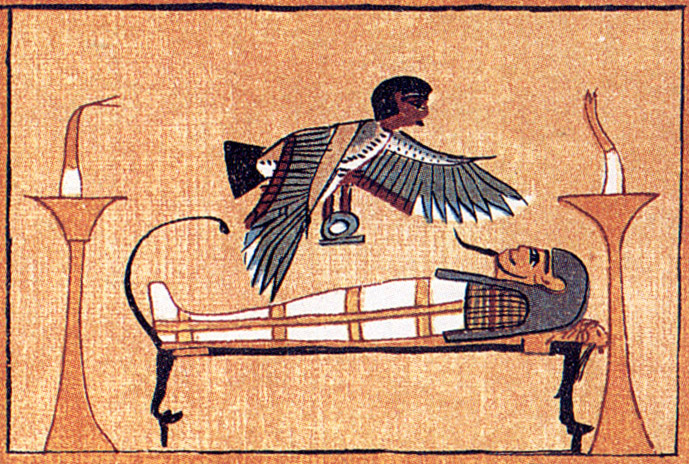 🇸🇪 Sweden and 1 moreSoul flight
A trance practice where the spirit leaves the body to visit other realmsRite · Healing · Seeing and foretelling Historical
🇸🇪 Sweden and 1 moreSoul flight
A trance practice where the spirit leaves the body to visit other realmsRite · Healing · Seeing and foretelling Historical
 🇨🇱 Chile and 1 moreMachi
Mapuche spiritual authorities and healers who bridge herbal knowledge and spirit realmsTradition · Healing · Speaking with spirits and the dead Living
🇨🇱 Chile and 1 moreMachi
Mapuche spiritual authorities and healers who bridge herbal knowledge and spirit realmsTradition · Healing · Speaking with spirits and the dead Living