
Halloween
from Old English hālig meaning holy, combined with even for evening
A Christian vigil on 31 October for the dead, now marked by costumes and carved vegetables
Halloween is the evening before All Hallows' Day in Western Christianity. It begins a three-day period for remembering saints and the departed. Today it is widely celebrated with costumes, divination games, and carved lanterns.
- Occurs on 31 October as the eve of All Hallows' Day
- Originates from Western Christian liturgical traditions
- Trick-or-treating evolved from the medieval practice of souling
- Jack-o'-lanterns originated from carved turnips in Ireland
- Spread globally through Irish and Scottish immigration to America
What it is
Halloween is a celebration observed on 31 October. It marks the eve of All Hallows' Day in Western Christianity. The day starts Allhallowtide, a time to remember saints and the faithful departed. In popular culture, it is linked to horror and the supernatural. Many people celebrate it as a secular festival. Others keep it as a religious observance. The night involves specific customs like visiting graves or attending church services. It has become a global event with distinct regional variations.
Where it comes from
The holiday has roots in both Christian and Celtic traditions. Some scholars link it to the Gaelic festival Samhain. This theory suggests pagan harvest festivals influenced the date. Other academics argue it began as a Christian vigil. The Church set 1 November as All Saints' Day in the early medieval period. Irish and Scottish immigrants brought these customs to North America in the 19th century. American influence then spread the celebration worldwide.
How it is done
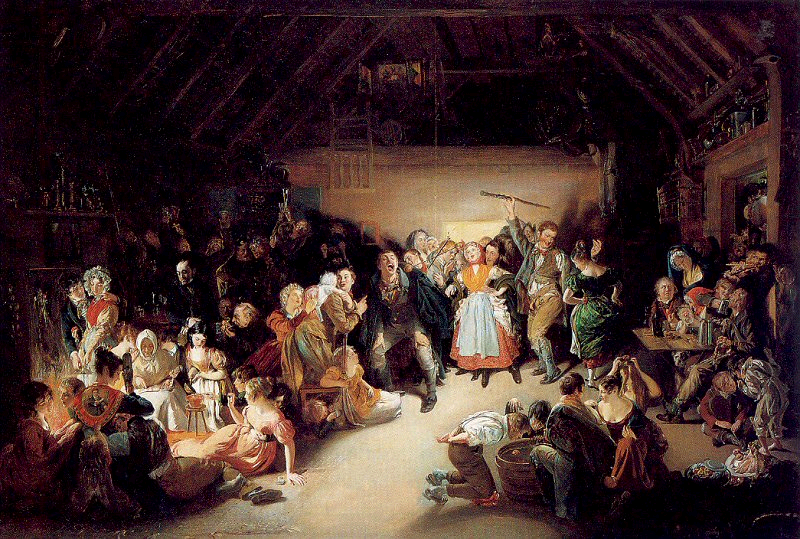
People engage in various activities on this night. Children often go door-to-door asking for treats. This practice evolved from souling, where poor people collected soul cakes in exchange for prayers. Adults attend costume parties or visit haunted attractions. Many carve vegetables into jack-o'-lanterns. Bonfires are lit in some regions. Divination games involving apples are also common. Families may light candles on graves to guide spirits.
Tools and materials
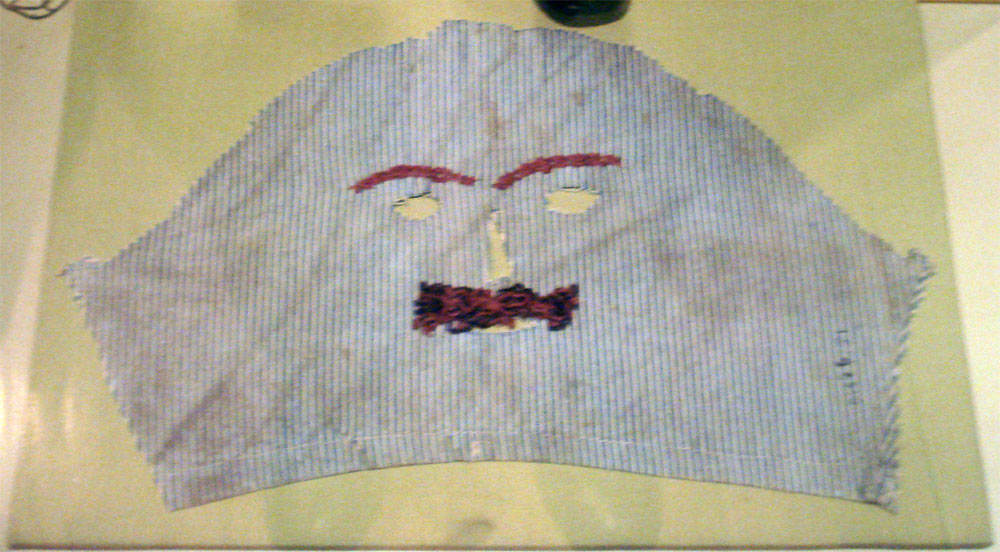
Carved vegetables serve as central symbols. Originally, turnips were used in Ireland and Britain. Pumpkins became popular in North America. Candles are placed in these lanterns or on graves. Soul cakes are baked and shared during souling. Costumes and masks are worn to disguise participants. Bonfires provide light and warmth during outdoor gatherings.
Halloween, drawn and placed
- Living
- Revived
- Fading
- Historical
- Legendary
- Performed
- Lineage
- Christian liturgical year
- Timing
- on 31 October
What it is for
The original intent was spiritual remembrance. Christians prayed for the souls of the departed. Souling aimed to help deceased relatives reach heaven. Modern celebrations focus on entertainment and community. People use costumes to playfully engage with themes of death. Divination games seek insight into the future. The night allows communities to gather and share stories.
Who does it
Households participate in home-based rituals. Children are primary actors in trick-or-treating. Religious practitioners attend church services. Historically, parishioners dressed as saints in Europe. Performers create haunted attractions for public entertainment. Scholars study the historical evolution of these customs. The role of the practitioner varies by region and generation.
Peoples and places
The tradition is strongest in Ireland and the United Kingdom. It spread to North America through immigration. European countries like France and Germany have local variants. The celebration is now global due to media influence. Different cultures adapt the customs to their own contexts. Some regions retain strong religious observances. Others have fully secularized the event.
At a glance: who, where and when
Peoples
Belief worlds
Occasions


What people believe
Western Christianity views this as a time to honor the dead. Believers hold that souls may return on this night. Costumes were originally worn to avoid recognition by vengeful spirits. The danse macabre art form reminded viewers of mortality. Protestant reforms redefined some beliefs about purgatory. Folk beliefs persist regarding ghosts and omens.
When it is done
The event occurs annually on 31 October. It precedes All Saints' Day on 1 November. The following day is All Souls' Day. The entire period is called Allhallowtide. Some regions mark related festivals like Guy Fawkes Night. Harvest timing aligns with the end of the agricultural year.
How scholars and sceptics see it
Anthropologists trace links to Celtic harvest festivals. Historians document the Christianization of pagan dates. Researchers note the shift from religious vigil to secular party. Sociologists analyze the commercialization of the holiday. Psychologists study the appeal of fear and masquerade. Debates continue over the extent of pagan influence.
Cautions and what is closed
Some religious groups view certain customs with suspicion. Historical witch hunts occurred around this time. Modern fraudsters exploit belief in the supernatural. Physical safety is a concern at crowded events. Children should be supervised during trick-or-treating. Food allergies must be considered when distributing treats.
Compare and confuse
Halloween is distinct from Day of the Dead. The latter focuses on family altars and visits. Samhain is a pre-Christian festival with similar themes. Guy Fawkes Night shares the date but has political origins. Mischief Night occurs on the preceding evening. Each tradition reflects different cultural values and histories.
Rites that involve Halloween
Days linked to Halloween
Questions people ask about Halloween
What does the name Halloween mean?
It comes from All Hallows' Eve. Hallow means holy or saint. Even is an old word for evening. So it literally means Saint's Evening.
Is Halloween a religious holiday?
It began as a Christian vigil. It marks the start of Allhallowtide. Many still attend church services. Others treat it as a secular festival.
Where did trick-or-treating come from?
It evolved from souling. Poor people collected soul cakes. They offered prayers for the dead in return. This custom started in medieval Europe.
Why are pumpkins used for lanterns?
Turnips were used originally in Ireland. Pumpkins are native to North America. Immigrants adopted them there. They became the standard symbol later.
Good reading and sources
- Encyclopaedia BritannicaArticle
- BBC - ReligionsBBC, Article
- A very Derry Halloween: a carnival of frights, fireworks and paradesThe Guardian, Article
- Halloween on WikipediaEncyclopedia
- More photos on Wikimedia CommonsPhotos and video
- Wikidata recordOpen data
The facts on this page come from the Wikipedia article "Halloween", written by its contributors and used under the CC BY-SA 4.0 licence, and from its Wikidata record (CC0). EveryJaadu rewrote the text in its own words, with AI assistance, and compares every page with the article to make sure no passage is copied. It may be reused under the same CC BY-SA 4.0 licence with a link back.
It may contain mistakes. Names and customs differ from one community to the next, and some knowledge is closed to outsiders and left out here. This page describes belief and practice. It does not say that any of it works, it is not a how-to, and it is not medical advice. If something is wrong, tell us. Last refreshed 2026-10-05.
More from Ireland
All the entries from Ireland 🇪🇸 Spain and 5 moreSt John's Eve
A Christian vigil marked by bonfires and plant gathering on the summer solstice eveRite · Protection · Speaking with spirits and the dead Living
🇪🇸 Spain and 5 moreSt John's Eve
A Christian vigil marked by bonfires and plant gathering on the summer solstice eveRite · Protection · Speaking with spirits and the dead Living
 🇮🇪 Ireland and 4 moreTrial by combat
A medieval legal practice where two disputants fought to settle a caseRite · Cursing and harm Historical
🇮🇪 Ireland and 4 moreTrial by combat
A medieval legal practice where two disputants fought to settle a caseRite · Cursing and harm Historical
 🇮🇪 Ireland and 5 moreBonfire
A large outdoor fire used in seasonal festivals and religious feasts across many culturesRite · Cleansing and purification · Speaking with spirits and the dead Living
🇮🇪 Ireland and 5 moreBonfire
A large outdoor fire used in seasonal festivals and religious feasts across many culturesRite · Cleansing and purification · Speaking with spirits and the dead Living
Related elsewhere
All rite 🇸🇩 Sudan and 5 moreIncense
Aromatic plant materials burned to release fragrant smoke for ritual, scent, or timekeeping.Substance · Protection · Speaking with spirits and the dead Living
🇸🇩 Sudan and 5 moreIncense
Aromatic plant materials burned to release fragrant smoke for ritual, scent, or timekeeping.Substance · Protection · Speaking with spirits and the dead Living
 🇮🇳 India and 2 moreYantraयन्त्र
A geometric diagram from Indian traditions used for worship and meditationTradition · Protection · Speaking with spirits and the dead Living
🇮🇳 India and 2 moreYantraयन्त्र
A geometric diagram from Indian traditions used for worship and meditationTradition · Protection · Speaking with spirits and the dead Living
 🇪🇬 Egypt and 1 moreSphinx
A mythical hybrid with a human head and lion body, serving as guardian or riddler in Egyptian and Greek traditions.Being · Protection · Wonder and entertainment Legendary
🇪🇬 Egypt and 1 moreSphinx
A mythical hybrid with a human head and lion body, serving as guardian or riddler in Egyptian and Greek traditions.Being · Protection · Wonder and entertainment Legendary
 🇲🇦 Morocco and 5 moreWild rueاسپند
A desert plant whose seeds hold psychoactive alkaloids and serve as incense in the Middle East.Substance · Protection · Speaking with spirits and the dead Living
🇲🇦 Morocco and 5 moreWild rueاسپند
A desert plant whose seeds hold psychoactive alkaloids and serve as incense in the Middle East.Substance · Protection · Speaking with spirits and the dead Living