
Prayer beads
from Old English bede meaning 'prayer'
Beaded strings used to count prayers and mantras across many world religions
Prayer beads are beaded tools used by various faiths to track the number of recited prayers or chants. They appear in Christianity, Islam, Hinduism, Buddhism, Sikhism, and other traditions as aids for devotion and meditation.
- English word 'bead' derives from Old English 'bede' meaning prayer
- Oldest image of prayer beads found on Greek fresco from 17th century BC
- Islamic misbahas typically have 99 beads representing God's names
- Hindu and Buddhist malas commonly contain 108 beads
- Catholic rosaries usually have 59 beads arranged in decades
What it is
Prayer beads are strings of beads or knots used to keep count of repeated prayers, chants, or mantras. They serve as tactile aids that allow practitioners to focus on spiritual repetition without conscious effort. Various religious communities use different names and structures for these tools, but they share a common purpose: facilitating devotion through rhythmic counting.
Where it comes from
Beads are among the earliest human ornaments, with ostrich eggshell beads found in Africa dating to 10,000 BC. The English word 'bead' comes from the Old English 'bede', meaning prayer. The oldest known image resembling prayer beads appears on a fresco at Akrotiri in Greece, dated to the 17th century BC. Counting strings may have originated in the Sumerian era as primitive abacuses. Hinduism adopted bead usage early, with Buddhist practices later following suit.
How it is done
Users move beads one by one along the string while reciting prayers or mantras. In some traditions, the user reverses direction at a terminal bead. The fingers handle the beads automatically, allowing mental attention to remain on the words being spoken. Different religions specify which fingers to use; for example, Hindus often avoid the index finger, considering it inauspicious.
Tools and materials
Materials vary widely by tradition and region. Common materials include Rudraksha seeds, tulasi stems, glass, amethyst, rose quartz, crystal, onyx, pearls, wood, and metal. Some Christian traditions use knotted wool ropes called prayer ropes. Islamic misbahas often have 99 beads representing the names of God. Buddhist and Hindu malas typically have 108 beads. Catholic rosaries usually contain 59 beads arranged in decades.
Prayer beads, drawn and placed
- Living
- Revived
- Fading
- Historical
- Legendary
- Performed
- Lineage
- interreligious devotional practice
- Timing
- during daily prayer and meditation
What it is for
Prayer beads help practitioners maintain focus during repetitive devotional acts. They are used to count specific numbers of prayers, such as the 150 Psalms in Pater Noster cords or the 108 repetitions in Japa. The physical handling of beads supports meditation and spiritual exercise, aiding in self-realization, peace, and stability. They are not magical objects but practical tools for structured worship.
Who does it
Prayer beads are used by laypeople and clergy across multiple faiths. In Christianity, monks and nuns historically used them, and modern believers use them in personal devotion. Muslims use misbahas for dhikr. Hindus and Buddhists use malas for japa meditation. Sikhs wear iron mala bracelets. Jewish individuals may use plain beads or specific designs like the 19-bead strand symbolizing mitzvot, though beads are not standard in Jewish liturgy.
Peoples and places
Christian communities worldwide use rosaries, prayer ropes, and Pater Noster cords. Muslims globally use misbahas or tasbihs. Hindus and Buddhists in Asia and diaspora communities use japamalas. Sikhs in India and abroad wear simranee bracelets. Ethiopian and Coptic Orthodox Christians use mequterias. Anglicans and Lutherans have developed their own bead structures. Jewish users are fewer and often individual rather than communal.
At a glance: who, where and when
Who does it
Occasions


What people believe
The beads themselves hold no inherent power; they are aids for concentration and remembrance. In Christianity, they help meditate on the life of Jesus or the Psalms. In Islam, they assist in glorifying God through dhikr. In Hinduism and Buddhism, they support mantra repetition and mindfulness. The structure reflects theological concepts, such as 108 beads representing cosmic completeness or 99 beads for divine names.
When it is done
Prayer beads are used during daily prayers and personal meditation sessions. Christians may use them during fixed prayer times, such as the seven daily hours in Orthodox traditions. Muslims use them throughout the day for dhikr. Hindus and Buddhists employ them during regular sadhana or yoga practice. There are no specific festivals tied exclusively to the beads themselves.
How scholars and sceptics see it
Scholars view prayer beads as cultural artifacts reflecting religious devotion and historical continuity. Anthropologists note their role in maintaining ritual discipline. Historians trace their evolution from ancient counting devices to specialized religious tools. Psychologists suggest that tactile repetition aids focus and reduces cognitive load during prayer. Skeptics see them as psychological aids rather than supernatural instruments.
Cautions and what is closed
Some religious groups consider prayer beads innovations or inappropriate. Salafis and Ahmadiyya Muslims sometimes reject them as un-Islamic innovations. Judaism generally avoids them due to associations with other faiths, though individual use is tolerated if free of conflicting symbols. No significant health or legal risks are associated with their use. Closed knowledge does not apply to prayer beads.
Compare and confuse
Prayer beads are distinct from divination tools or talismans. They are not used for fortune-telling or protection but for counting recitations. Similar counting devices include abacuses and tally sticks. Other religious items like tzitzits (Jewish fringes) serve similar tactile functions but are not beads. The term 'rosary' is sometimes used broadly but specifically refers to Catholic devotional strings.
Questions people ask about Prayer beads
What are prayer beads?
Prayer beads are strings of beads or knots used to count repeated prayers, chants, or mantras across various religions including Christianity, Islam, Hinduism, and Buddhism.
Where did prayer beads originate?
Beads date back to 10,000 BC in Africa. The oldest image resembling prayer beads is a 17th century BC Greek fresco. Counting strings may have begun in Sumerian times as primitive abacuses.
How many beads do prayer beads have?
Numbers vary by tradition. Islamic misbahas often have 99 beads. Hindu and Buddhist malas usually have 108. Catholic rosaries typically have 59. Orthodox prayer ropes may have 33, 50, or 100 knots.
Why do people use prayer beads?
They help practitioners count repetitions without conscious effort, allowing greater focus on the prayer itself. They support meditation, devotion, and spiritual discipline across multiple faiths.
Do all religions use prayer beads?
No. While many religions use them, Judaism generally does not, though some individuals use them. Non-liturgical Christian churches also typically do not use them. Usage depends on specific religious tradition.
Good reading and sources
- Prayer beads on WikipediaEncyclopedia
- More photos on Wikimedia CommonsPhotos and video
- Wikidata recordOpen data
The facts on this page come from the Wikipedia article "Prayer beads", written by its contributors and used under the CC BY-SA 4.0 licence, and from its Wikidata record (CC0). EveryJaadu rewrote the text in its own words, with AI assistance, and compares every page with the article to make sure no passage is copied. It may be reused under the same CC BY-SA 4.0 licence with a link back.
It may contain mistakes. Names and customs differ from one community to the next, and some knowledge is closed to outsiders and left out here. This page describes belief and practice. It does not say that any of it works, it is not a how-to, and it is not medical advice. If something is wrong, tell us. Last refreshed 2026-10-05.
More from Dominica
All the entries from Dominica 🇷🇺 Russia and 5 moreAmber
Fossilized tree resin used in jewelry and folk healing traditionsSubstance · Protection · Healing Living
🇷🇺 Russia and 5 moreAmber
Fossilized tree resin used in jewelry and folk healing traditionsSubstance · Protection · Healing Living
 🇺🇸 United States and 5 moreFriday the 13th
A Western superstition marking a specific calendar date as unlucky.Belief · Luck and prosperity Living
🇺🇸 United States and 5 moreFriday the 13th
A Western superstition marking a specific calendar date as unlucky.Belief · Luck and prosperity Living
 🇫🇷 France and 5 moreRevenant
An animated corpse or spirit that returns from the grave to haunt the livingBeing · Cursing and harm Legendary
🇫🇷 France and 5 moreRevenant
An animated corpse or spirit that returns from the grave to haunt the livingBeing · Cursing and harm Legendary
Related elsewhere
All substance 🇮🇳 IndiaChakraचक्र
Meditation points in the subtle body used in Hindu and Buddhist yogaTradition · Speaking with spirits and the dead · Change and initiation Living
🇮🇳 IndiaChakraचक्र
Meditation points in the subtle body used in Hindu and Buddhist yogaTradition · Speaking with spirits and the dead · Change and initiation Living
 🇲🇦 Morocco and 5 moreWild rueاسپند
A desert plant whose seeds hold psychoactive alkaloids and serve as incense in the Middle East.Substance · Protection · Speaking with spirits and the dead Living
🇲🇦 Morocco and 5 moreWild rueاسپند
A desert plant whose seeds hold psychoactive alkaloids and serve as incense in the Middle East.Substance · Protection · Speaking with spirits and the dead Living
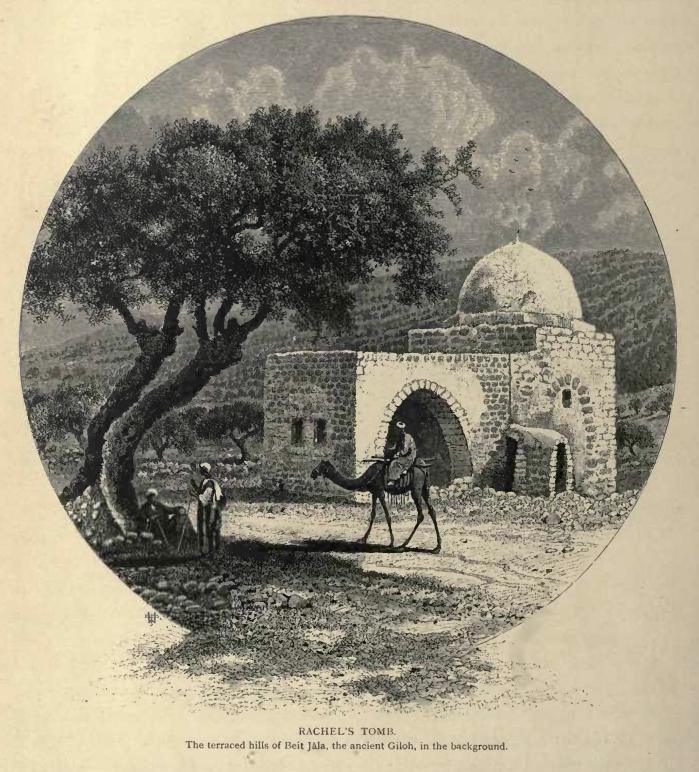 🇵🇸 Palestine and 1 moreRachel's TombQever Raḥel; Qabr Rāḥīl
A shared holy site near Bethlehem revered by Jews, Christians, and MuslimsTradition · Speaking with spirits and the dead · Protection Living
🇵🇸 Palestine and 1 moreRachel's TombQever Raḥel; Qabr Rāḥīl
A shared holy site near Bethlehem revered by Jews, Christians, and MuslimsTradition · Speaking with spirits and the dead · Protection Living
 🇨🇳 China and 1 moreAncestor veneration in China中國傳統宗法性宗教
Rites for dead kin who are thought to watch over the familyTradition · Protection · Speaking with spirits and the dead Living
🇨🇳 China and 1 moreAncestor veneration in China中國傳統宗法性宗教
Rites for dead kin who are thought to watch over the familyTradition · Protection · Speaking with spirits and the dead Living