
Folk Catholicism
Local religious customs that blend official Church teaching with indigenous or regional traditions.
Folk Catholicism describes ethnic expressions of the faith that merge with local folk beliefs. These practices vary by region and sometimes differ from official doctrines. Practitioners generally identify as Roman Catholic while maintaining traditional customs.
- Holy wells in Ireland are visited for healing purposes.
- Simbang Gabi is a nine-day mass series in the Philippines.
- Día de Los Muertos blends Aztec and Catholic beliefs.
- Ribbons hung on feast days are kept for protection.
- The Church permits pilgrimages without endorsing all beliefs.
What it is
This term covers diverse local religious customs within the Catholic tradition. It involves mixing official Church teachings with regional folklore or older spiritual systems. These practices often exist alongside standard doctrine rather than replacing it. Many adherents view their local rituals as compatible with their Catholic identity. The approach allows communities to maintain cultural heritage while participating in the global faith.
Where it comes from
The movement emerged from historical encounters between European missionaries and indigenous populations. In Latin America, Spanish colonization led to the forced conversion of native peoples. Over time, pre-colonial beliefs merged with Catholic rites. Similar processes occurred in Europe during periods of religious restriction. For instance, Irish storytelling adapted Gospel lessons when open worship was banned. These adaptations created distinct local traditions that persisted through generations.
How it is done
Communities observe specific local rituals alongside standard Masses. In Ireland, people visit holy wells for healing or protection. Others hang ribbons on feast days to receive blessings. In Mexico, families create altars to honor deceased relatives during seasonal festivals. Filipino farmers attend early morning masses before working the fields. These actions blend prayer with traditional symbols like water, cloth, or food offerings.
Tools and materials
Practitioners use everyday items imbued with spiritual significance. Holy water from blessed wells serves for healing. Ribbons left on windowsills become protective charms. Straw from church cribs brings financial security. Skulls and skeletons appear in Mexican celebrations to represent death. These objects connect the physical world with spiritual intentions without requiring specialized equipment.
Folk Catholicism, drawn and placed
- Living
- Revived
- Fading
- Historical
- Legendary
- Performed
- Lineage
- Roman Catholicism
What it is for
People seek healing, protection, and connection with ancestors. Holy wells address bodily ailments like eye conditions. Ribbons offer safety for individuals and families. Altars maintain bonds with departed loved ones. Early morning masses support agricultural cycles and community sharing. These goals focus on daily life needs rather than abstract theology. The practices provide comfort and structure within local contexts.
Who does it
Ordinary households and farming communities lead these traditions. No special training is required to participate. Farmers attend services based on work schedules. Families manage home altars and ritual objects. Local priests bless wells and approve certain devotions. The practice relies on communal participation rather than individual expertise. Status comes from maintaining long-standing family customs.
Peoples and places
Mexicans blend Aztec and Maya beliefs with Catholic rites. Filipinos combine animist traditions with Spanish missionary practices. Irish communities preserve ancient well-visiting customs. Haitians syncretize West African spirituality with Catholic saints. Italians maintain regional patron saint devotion. These groups share a Catholic framework but express it through unique cultural lenses. Each region adapts the faith to local history and environment.
At a glance: who, where and when
Who does it
Belief worlds
Occasions


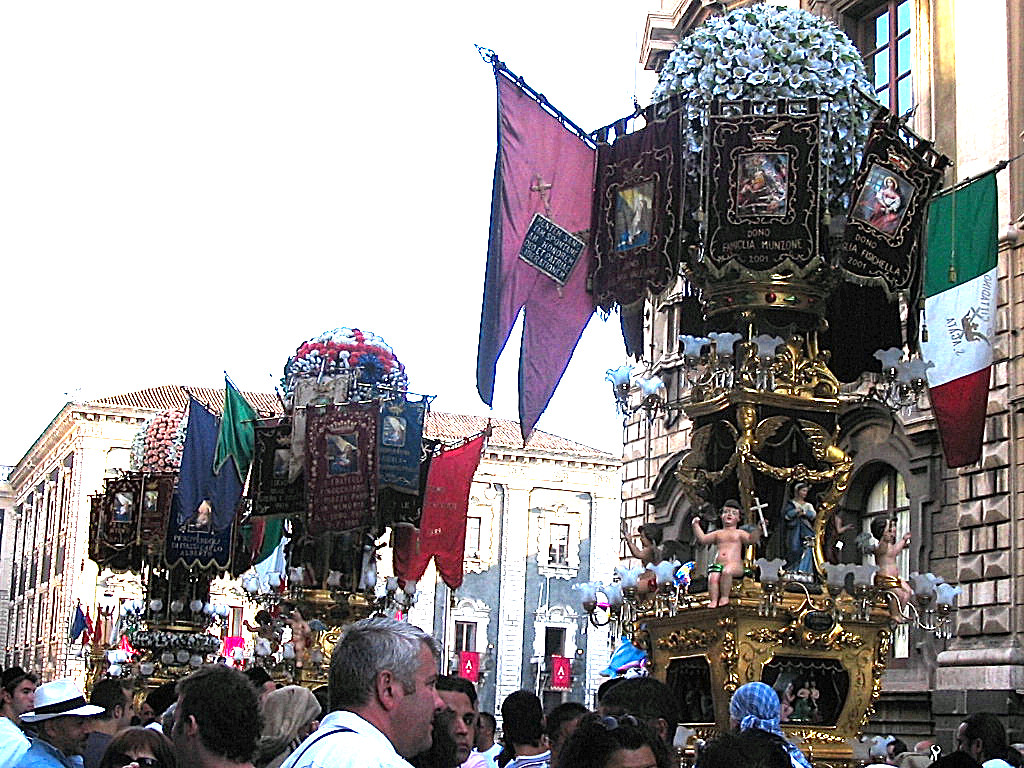

What people believe
The worldview merges Christian theology with local spiritual concepts. Souls continue after death in both Catholic and indigenous views. Spirits and saints interact with the living world. Natural sites like wells hold sacred power. Ancestors remain part of the community. This perspective sees no conflict between science and spirit. Faith operates through tangible signs and rituals rather than abstract dogma alone.
When it is done
Rituals align with agricultural cycles and liturgical seasons. Simbang Gabi occurs during the nine days before Christmas. Farmers attend early masses to avoid midday heat. Mexican festivals honor the dead during specific seasonal periods. Irish feasts mark saint days throughout the year. These timings reflect both religious obligations and practical community needs.
How scholars and sceptics see it
Researchers view this as a form of religious syncretism. Anthropologists study how cultures adapt foreign religions. Historians track changes from colonial times to the present. Some scholars note contradictions with official doctrine. Others emphasize the pragmatic nature of these practices. The Vatican often takes a patient stance, allowing local customs unless they contradict core beliefs.
Cautions and what is closed
The Church condemns practices deemed heretical or blasphemous. The cult of Santa Muerte faces rejection for its perceived degeneracy. Some folk rituals may clash with official theology. Practitioners must navigate these boundaries carefully. Misinterpretations can lead to exclusion from the wider Church. Communities balance loyalty to tradition with adherence to universal standards.
Compare and confuse
This differs from formal state religion by its local flexibility. It contrasts with pure indigenous faiths by retaining Catholic elements. Similar syncretic movements exist in Brazil and Cuba. However, those often developed into separate religions. Folk Catholicism usually remains within the Catholic identity. The term distinguishes these hybrid practices from standard liturgy.
Law and persecution
Legal status varies by country. In some regions, colonial laws suppressed indigenous practices. Modern constitutions protect religious freedom. The Church regulates which practices are acceptable. Official bans on open worship historically forced adaptations. Today, most folk customs operate openly within legal frameworks. Persecution is rare but theological criticism exists.
Questions people ask about Folk Catholicism
What is folk Catholicism?
It refers to local religious customs that mix official Catholic teachings with regional folklore or indigenous beliefs. Practitioners generally identify as Roman Catholic while maintaining these distinct cultural traditions.
Where does it originate?
It emerged from historical encounters between European missionaries and indigenous populations. Colonization and religious restrictions forced communities to adapt their faiths, creating unique local expressions across Latin America, Europe, and Asia.
How do people practice it?
Communities observe rituals like visiting holy wells, hanging protective ribbons, or attending early morning masses. These actions blend prayer with traditional symbols such as water, cloth, or food offerings to meet daily spiritual needs.
Is it recognized by the Church?
The Vatican often takes a patient stance, allowing local customs unless they contradict core beliefs. Some practices are permitted as worthy of belief, while others deemed heretical face condemnation from official authorities.
Good reading and sources
- Vatican declares Mexican Death Saint blasphemousBBC, Article
- Inside the Voodoo Rituals of HaitiNational Geographic, Article
- How ‘La Catrina’ became the iconic symbol of Day of the DeadThe Conversation, Article
- Folk Catholicism on WikipediaEncyclopedia
- More photos on Wikimedia CommonsPhotos and video
- Wikidata recordOpen data
The facts on this page come from the Wikipedia article "Folk Catholicism", written by its contributors and used under the CC BY-SA 4.0 licence, and from its Wikidata record (CC0). EveryJaadu rewrote the text in its own words, with AI assistance, and compares every page with the article to make sure no passage is copied. It may be reused under the same CC BY-SA 4.0 licence with a link back.
It may contain mistakes. Names and customs differ from one community to the next, and some knowledge is closed to outsiders and left out here. This page describes belief and practice. It does not say that any of it works, it is not a how-to, and it is not medical advice. If something is wrong, tell us. Last refreshed 2026-10-06.
More from Mexico
All the entries from Mexico 🇲🇽 Mexico and 3 moreCurandero
A folk healer in Latin America and the United States who blends indigenous and Catholic traditions.Tradition · Healing · Protection Living
🇲🇽 Mexico and 3 moreCurandero
A folk healer in Latin America and the United States who blends indigenous and Catholic traditions.Tradition · Healing · Protection Living
 🇲🇽 Mexico and 5 moreWitchcraft in Latin AmericaBrujería
A syncretic blend of Indigenous, African, and European magical practices across Latin AmericaTradition · Protection · Healing Living
🇲🇽 Mexico and 5 moreWitchcraft in Latin AmericaBrujería
A syncretic blend of Indigenous, African, and European magical practices across Latin AmericaTradition · Protection · Healing Living
 🇨🇺 Cuba and 2 moreSanteríaRegla de Ocha
An Afro-Cuban religion blending Yoruba beliefs with Catholicism and SpiritismTradition · Protection · Healing Living
🇨🇺 Cuba and 2 moreSanteríaRegla de Ocha
An Afro-Cuban religion blending Yoruba beliefs with Catholicism and SpiritismTradition · Protection · Healing Living
 🇲🇽 Mexico and 5 moreDay of the DeadDía de los Muertos
A Mexican holiday honoring the dead with altars, food, and humor during Allhallowtide.Tradition · Speaking with spirits and the dead · Luck and prosperity Living
🇲🇽 Mexico and 5 moreDay of the DeadDía de los Muertos
A Mexican holiday honoring the dead with altars, food, and humor during Allhallowtide.Tradition · Speaking with spirits and the dead · Luck and prosperity Living
Related elsewhere
All tradition 🇸🇳 Senegal and 1 moreSerer religionA ƭat Roog
The traditional faith of the Serer people, centred on the supreme deity Roog and ancestral veneration.Tradition · Protection · Speaking with spirits and the dead Living
🇸🇳 Senegal and 1 moreSerer religionA ƭat Roog
The traditional faith of the Serer people, centred on the supreme deity Roog and ancestral veneration.Tradition · Protection · Speaking with spirits and the dead Living
 🇰🇪 Kenya and 1 moreMaasai religion
The spiritual beliefs of the semi-nomadic Maasai people of East AfricaTradition · Protection · Healing Living
🇰🇪 Kenya and 1 moreMaasai religion
The spiritual beliefs of the semi-nomadic Maasai people of East AfricaTradition · Protection · Healing Living
 🇹🇭 Thailand and 3 moreThai Buddha amuletsพระเครื่อง (phrakhrueang)
Sacred Buddhist images and relics worn for protection, merit, and fortune in Thailand.Charm · Protection · Luck and prosperity Living
🇹🇭 Thailand and 3 moreThai Buddha amuletsพระเครื่อง (phrakhrueang)
Sacred Buddhist images and relics worn for protection, merit, and fortune in Thailand.Charm · Protection · Luck and prosperity Living
 🇮🇶 Iraq and 5 moreGrimoire
A textbook containing instructions for spells, rituals, and the creation of magical objects.Text · Protection · Healing Historical
🇮🇶 Iraq and 5 moreGrimoire
A textbook containing instructions for spells, rituals, and the creation of magical objects.Text · Protection · Healing Historical