
Lakshmi
In its own language: लक्ष्मी
from Sanskrit lakṣ, meaning to perceive or understand a goal
A Hindu goddess of wealth, prosperity, and beauty, worshipped as the consort of Vishnu.
Lakshmi is a principal deity in Hinduism, revered for fortune, sovereignty, and abundance. She forms the Tridevi alongside Saraswati and Parvati, and serves as the divine energy and consort of the god Vishnu.
- Lakshmi forms the Tridevi with Saraswati and Parvati.
- She is the consort of Vishnu and his divine energy.
- Her name means to perceive or understand a goal.
- Lotus flowers and gold are her primary symbols.
- Deepavali is her most celebrated festival.
What it is
Lakshmi stands as one of the most central figures in Hindu tradition. She embodies fortune, wealth, prosperity, and beauty. Along with Saraswati and Parvati, she makes up the Tridevi, the great trinity of goddesses. Her role evolved from an early Vedic concept of auspiciousness into a full deity by the late epic period. She is widely worshipped across India and beyond. Devotees seek her blessings for material success and spiritual liberation. Her presence signifies abundance and good luck in the lives of those who honour her.
Where it comes from
Her roots stretch back to pre-Buddhist times between 1500 and 500 BCE. The name appears in the Rigveda as a sign of auspicious fortune. Over time, the term Shri, meaning glory and high rank, merged with her identity. By around 400 CE, she became firmly linked to Vishnu as his consort. This association grew stronger in later Puranic literature. Archaeological finds and ancient coins confirm her reverence by the first millennium BCE. Her worship spread through trade routes to Southeast Asia and Japan.
How it is done
Worship involves offering prayers and performing puja rituals. Devotees often light lamps and offer flowers, especially lotuses. The festival of Deepavali features elaborate ceremonies to invite her into homes. On Fridays, many devotees observe fasts or special prayers. In temples, statues are adorned with silk and gold. Followers may chant mantras dedicated to her. The practice focuses on gratitude and seeking her grace for household well-being.
Tools and materials
The lotus flower is her primary symbol, representing purity and spiritual knowledge. Gold represents material wealth and divine radiance. Elephants accompany her images, symbolising strength and fertility. An owl sometimes appears as her mount, indicating wisdom in darkness. Red clothing embroidered with gold threads adorns her statues. These elements convey her dual nature of providing both earthly riches and spiritual insight.
Lakshmi, drawn and placed
- Living
- Revived
- Fading
- Historical
- Legendary
- Performed
- Lineage
- Hinduism
- Timing
- during festivals and daily worship
What it is for
People turn to Lakshmi for financial stability and general prosperity. She is also asked for fertility and abundant harvests. Devotees seek her protection for their households and businesses. In Vaishnavism, devotion to her is seen as essential to reach Vishnu. She grants the four goals of life: ethical conduct, wealth, love, and liberation. Her blessings are believed to bring harmony and peace to family life.
Who does it
Households and individual devotees perform daily worship. Priests officiate at temple rituals and major festivals. Women often lead specific rites like Varalakshmi Vratam. Scholars study her iconography and theological evolution. In Japan, she is known as Kisshoten and depicted holding a wish-granting gem. Her worship transcends strict gender roles, though female devotees play a prominent role in domestic rituals.
Peoples and places
She is central to Hindu communities in India. Vaishnava sects view her as the supreme goddess and divine energy of Vishnu. Shakta traditions recognise her as a form of the Mahadevi. Tamil speakers use names like Ilakkumi or Tiru for her. In Japan, she is integrated into local Buddhist and folk practices. Her image appears in temples across Southeast Asia, showing her wide cultural reach.
At a glance: who, where and when
Who does it
Peoples
Belief worlds
Occasions


What people believe
Hindu theology views her as the shakti, or power, of Vishnu. She assists in creating, protecting, and transforming the universe. As the ideal wife, she exemplifies loyalty and devotion. Her four arms represent the four aims of human existence. The lotus she holds teaches that prosperity can bloom in any circumstance. She is not just a giver of wealth but a guide to self-realisation and moral living.
When it is done
Friday is her sacred day for weekly worship. Deepavali, the festival of lights, is her most famous celebration. Sharad Purnima marks her appearance during the autumn full moon. Navaratri includes specific days for her puja. Varalakshmi Vratam is observed by women for family welfare. Sankranti and other harvest festivals also invoke her blessings for agricultural abundance.
How scholars and sceptics see it
Historians note her rise from a Vedic abstraction to a major deity. Linguists trace her name to roots meaning to perceive a goal. Art historians analyse Gupta period coins and sculptures for iconographic details. Researchers examine her integration into Southeast Asian cultures. Scholars in religious studies explore her role in Vaishnavism and Shaktism. These studies highlight her adaptability and enduring significance in Hindu thought.
Compare and confuse
She is part of the Tridevi alongside Saraswati and Parvati. In Japan, she is known as Kisshoten and shares traits with other wealth deities. Some texts identify her with Lalita or Bhuvaneshvari. Her lotus symbolism parallels other Indian goddesses. Unlike Durga, who rides a lion, Lakshmi typically rides an elephant or owl, though lions appear in some Gupta era art.
Today
Her worship remains vibrant across India and the diaspora. Temples dedicated to her attract millions of pilgrims annually. Commercial festivals like Deepavali feature massive celebrations. Artists continue to produce traditional and modern depictions of her. In Japan, she is honoured in Buddhist contexts. Her image appears in homes and businesses worldwide as a symbol of good fortune.
Rites that involve Lakshmi
Days linked to Lakshmi
Questions people ask about Lakshmi
Who is Lakshmi?
Lakshmi is a principal Hindu goddess of wealth, prosperity, and beauty. She forms the Tridevi with Saraswati and Parvati. She is the consort of Vishnu and represents divine abundance.
Where does the name come from?
The name derives from Sanskrit roots meaning to perceive or know a goal. It relates to the concept of understanding one's purpose and achieving it through righteous means.
What do her symbols mean?
The lotus represents purity and spiritual knowledge despite difficult surroundings. Gold signifies material wealth and divine radiance. Elephants symbolise strength and fertility.
When is she worshipped?
Devotees worship her on Fridays and during festivals like Deepavali and Sharad Purnima. Varalakshmi Vratam is a specific rite for household welfare.
Good reading and sources
- Lakshmi on WikipediaEncyclopedia
- More photos on Wikimedia CommonsPhotos and video
- Wikidata recordOpen data
The facts on this page come from the Wikipedia article "Lakshmi", written by its contributors and used under the CC BY-SA 4.0 licence, and from its Wikidata record (CC0). EveryJaadu rewrote the text in its own words, with AI assistance, and compares every page with the article to make sure no passage is copied. It may be reused under the same CC BY-SA 4.0 licence with a link back.
It may contain mistakes. Names and customs differ from one community to the next, and some knowledge is closed to outsiders and left out here. This page describes belief and practice. It does not say that any of it works, it is not a how-to, and it is not medical advice. If something is wrong, tell us. Last refreshed 2026-10-05.
More from India
All the entries from India 🇮🇳 India and 5 morePretaप्रेत
A suffering spirit of insatiable hunger found in Asian religious traditionsBeing · Speaking with spirits and the dead Living
🇮🇳 IndiaAlakshmiदेवी अलक्ष्मी
A Hindu goddess of misfortune and the shadow opposite to LakshmiBeing · Cursing and harm Living
🇮🇳 India and 5 morePretaप्रेत
A suffering spirit of insatiable hunger found in Asian religious traditionsBeing · Speaking with spirits and the dead Living
🇮🇳 IndiaAlakshmiदेवी अलक्ष्मी
A Hindu goddess of misfortune and the shadow opposite to LakshmiBeing · Cursing and harm Living
 🇮🇳 IndiaTaraतारा (Sanskrit), তারা (Bengali)
A fierce Hindu goddess of protection and wisdom, central to the Mahavidya tradition.Being · Protection · Power and authority Living
🇮🇳 IndiaTaraतारा (Sanskrit), তারা (Bengali)
A fierce Hindu goddess of protection and wisdom, central to the Mahavidya tradition.Being · Protection · Power and authority Living
 🇮🇳 India and 1 moreYoginiयोगिनी
A female master of yoga and tantra, or a fierce goddess aspect in Indian temples.Tradition · Power and authority · Protection Historical
🇮🇳 India and 1 moreYoginiयोगिनी
A female master of yoga and tantra, or a fierce goddess aspect in Indian temples.Tradition · Power and authority · Protection Historical
Related elsewhere
All being 🇮🇳 India and 5 moreAstrology
A divinatory practice that reads human fate through the positions of celestial bodies.Belief · Seeing and foretelling · Luck and prosperity Living
🇮🇳 India and 5 moreAstrology
A divinatory practice that reads human fate through the positions of celestial bodies.Belief · Seeing and foretelling · Luck and prosperity Living
 🇫🇷 FranceHoly GrailSaint Graal
A cup or stone from Arthurian tales that grants healing and eternal lifeFigure · Healing · Luck and prosperity Legendary
🇫🇷 FranceHoly GrailSaint Graal
A cup or stone from Arthurian tales that grants healing and eternal lifeFigure · Healing · Luck and prosperity Legendary
 🇨🇳 China and 3 moreChinese dragon龍
A legendary water deity and imperial symbol in East Asian cultureBeing · Protection · Luck and prosperity Historical
🇨🇳 China and 3 moreChinese dragon龍
A legendary water deity and imperial symbol in East Asian cultureBeing · Protection · Luck and prosperity Historical
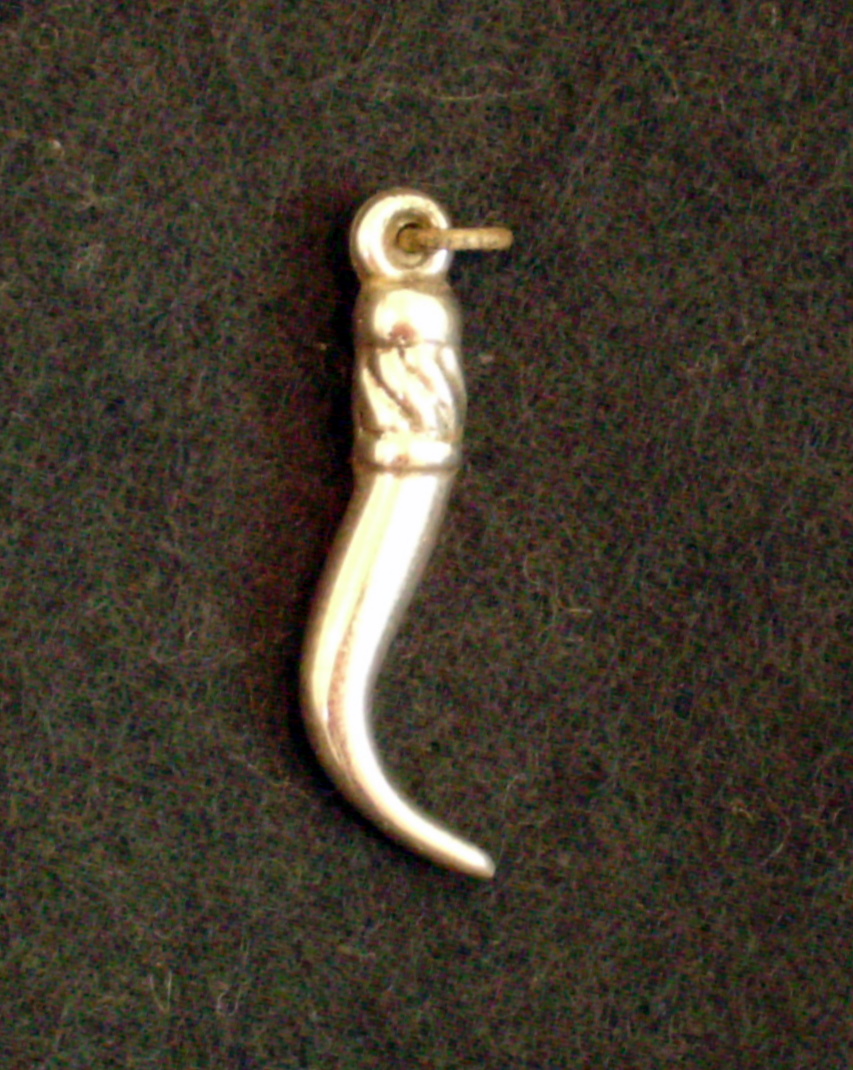 🇮🇹 ItalyCornicello
A twisted horn charm worn in Italy to ward off the evil eye and invite luck.Charm · Protection · Luck and prosperity Living
🇮🇹 ItalyCornicello
A twisted horn charm worn in Italy to ward off the evil eye and invite luck.Charm · Protection · Luck and prosperity Living