
Serbian folklore
In its own language: Српски фолклор
The folk traditions and epic poetry of the Serbs, blending pre-Christian customs with Orthodox faith.
Serbian folklore encompasses the folk traditions of ethnic Serbs across Serbia, Kosovo, Montenegro, and Bosnia and Herzegovina. It preserves pre-Christian Slavic beliefs within an Orthodox Christian framework and features epic poetry recounting historical battles and legendary heroes.
- Epic poetry cycles cover pre-Kosovo, Kosovo, and post-Kosovo eras.
- South Slavic mythology distinguishes benevolent zmej from malevolent ala dragons.
- Cyril and Methodius are venerated since Christianization in 867.
- Traditions include Serbia, Kosovo, Montenegro, and Bosnia and Herzegovina.
What it is
Serbian folklore represents the collective cultural heritage of ethnic Serbs. It is a living tradition that integrates ancient Slavic customs with the teachings of the Serbian Orthodox Church. The practice includes oral storytelling, music, dance, and religious veneration. It serves as a repository for historical memory and spiritual identity, connecting modern practitioners to their ancestral past through shared narratives and rituals.
Where it comes from
The roots of Serbian folklore lie in pre-Christian Slavic customs that were adapted during the Christianization process in the ninth century. The Apostles Cyril and Methodius are venerated figures from this era. South Slavic mythology developed distinct characteristics, such as differentiating between benevolent dragons called zmej and malevolent ones known as ala. These elements evolved alongside the settlement of Serbs in the Balkans, absorbing local legends and historical events into the broader mythological framework.
How it is done
The primary method of preservation is oral transmission. Epic poems are composed and recited, often focusing on historical personages and significant battles. These stories are organized into cycles based on chronological themes, such as events preceding or following the Battle of Kosovo. The tradition relies on community participation, where households and scholars maintain the integrity of these tales through continuous performance and study.
Tools and materials
The tools of this tradition are linguistic and performative rather than physical objects. The epic poems serve as the central medium, utilizing specific poetic structures and musical accompaniment. The narrative itself acts as the vessel for transmitting values, history, and spiritual beliefs across generations without the need for specialized magical instruments.
Serbian folklore, drawn and placed
- Living
- Revived
- Fading
- Historical
- Legendary
- Performed
- Lineage
- Slavic folklore
What it is for
This folklore aims to preserve historical consciousness and reinforce communal bonds. It recounts the struggles and triumphs of the Serbian people, providing a sense of continuity and resilience. The stories offer moral lessons and connect individuals to their ancestors, fostering a shared identity rooted in both pagan heritage and Orthodox faith.
Who does it
The tradition is maintained by the general household and studied by scholars. Poets and storytellers compose and recite the epic cycles, while ordinary people participate in festivals and daily life that reflect these values. Scholars analyze the texts to understand the evolution of Slavic mythology and its integration with Christianity.
Peoples and places
The tradition is primarily associated with ethnic Serbs in Serbia, Kosovo, Montenegro, and Bosnia and Herzegovina. It distinguishes itself from East Slavic mythology through unique dragon classifications and specific historical cycles. The diaspora in Canada also maintains aspects of this folk tradition, demonstrating its adaptability beyond the Balkans.
At a glance: who, where and when
Peoples
Belief worlds
What people believe
Beliefs within Serbian folklore blend pre-Christian Slavic animism with Orthodox Christian theology. Spirits and mythical creatures like the zmej and ala inhabit the natural world. The veneration of saints like Cyril and Methodius coexists with older customs, creating a syncretic worldview where divine protection and ancestral wisdom are intertwined.
When it is done
The cycles of epic poetry often align with significant historical anniversaries, reinforcing the connection between past events and present identity.
How scholars and sceptics see it
Scholars examine Serbian folklore as a key component of South Slavic mythology. They analyze the epic cycles to trace historical narratives and the transformation of pagan beliefs into Christian practices. Research focuses on the literary structure of the poems and their role in shaping national identity.
Cautions and what is closed
The tradition is treated as a cultural and historical artifact, respected for its contribution to Serbian identity and Slavic studies.
Compare and confuse
Serbian folklore is part of the broader Slavic folklore family but has distinct features. It differs from East Slavic mythology in its classification of dragons and its specific historical cycles. It shares similarities with other South Slavic traditions but maintains a unique focus on the Kosovo cycle and the Nemanjić dynasty.
Law and persecution
The tradition is recognized as an important part of cultural heritage, supported by academic research and community practice.
Today
Serbian folklore remains a vibrant part of cultural life in the Balkans and among diaspora communities. It is preserved through academic study, public performances, and private practice. The tradition continues to evolve, adapting to modern contexts while maintaining its core historical and spiritual narratives.
Questions people ask about Serbian folklore
What is Serbian folklore?
It is the folk tradition of ethnic Serbs, combining pre-Christian Slavic customs with Orthodox Christian beliefs, preserved through oral epic poetry and community practice.
Where does it originate?
It originates in the Balkans, specifically Serbia, Kosovo, Montenegro, and Bosnia and Herzegovina, evolving from early Slavic settlements and Christianization in the ninth century.
What are the main types of stories?
The main types are epic poems organized into cycles, including the Non-historic cycle, the Kosovo cycle, and poems about liberation, focusing on historical events and heroes.
Good reading and sources
The facts on this page come from the Wikipedia article "Serbian folklore", written by its contributors and used under the CC BY-SA 4.0 licence, and from its Wikidata record (CC0). EveryJaadu rewrote the text in its own words, with AI assistance, and compares every page with the article to make sure no passage is copied. It may be reused under the same CC BY-SA 4.0 licence with a link back.
It may contain mistakes. Names and customs differ from one community to the next, and some knowledge is closed to outsiders and left out here. This page describes belief and practice. It does not say that any of it works, it is not a how-to, and it is not medical advice. If something is wrong, tell us. Last refreshed 2026-10-05.
More from Serbia
All the entries from Serbia 🇷🇺 Russia and 4 moreFolk Orthodoxyнародное православие
A blend of Eastern Orthodox doctrine and pre-Christian pagan beliefs in Slavic communitiesTradition · Protection · Luck and prosperity Living
🇷🇺 Russia and 4 moreFolk Orthodoxyнародное православие
A blend of Eastern Orthodox doctrine and pre-Christian pagan beliefs in Slavic communitiesTradition · Protection · Luck and prosperity Living
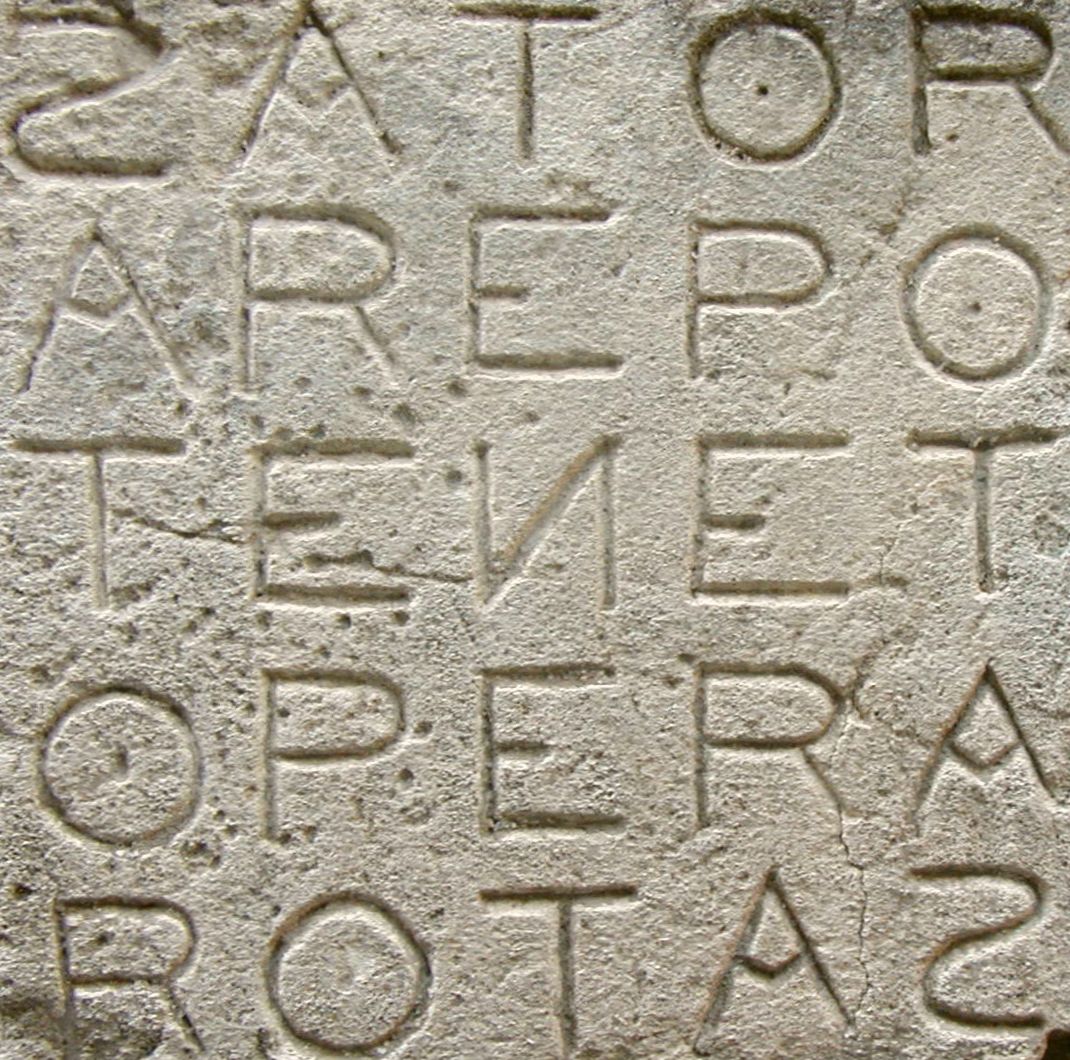 🇮🇹 Italy and 5 moreSator Square
A five-word Latin palindrome found in Roman ruins and medieval churchesCharm · Protection · Healing Historical
🇬🇧 United Kingdom and 3 moreFirst-footciad-chuairt
The first visitor on New Year's Day, believed to set the household's fortune for the year aheadTradition · Luck and prosperity Living
🇮🇹 Italy and 5 moreSator Square
A five-word Latin palindrome found in Roman ruins and medieval churchesCharm · Protection · Healing Historical
🇬🇧 United Kingdom and 3 moreFirst-footciad-chuairt
The first visitor on New Year's Day, believed to set the household's fortune for the year aheadTradition · Luck and prosperity Living
 🇷🇺 Russia and 5 moreSlavic religion
The pre-Christian beliefs of the Slavic peoples before their conversion to Christianity.Tradition · Protection · Healing Revived
🇷🇺 Russia and 5 moreSlavic religion
The pre-Christian beliefs of the Slavic peoples before their conversion to Christianity.Tradition · Protection · Healing Revived
Related elsewhere
All tradition 🇸🇳 Senegal and 5 moreMaraboutmurābiṭ
A Muslim religious leader and teacher in West Africa, often linked to Sufi brotherhoods.Tradition · Protection · Speaking with spirits and the dead Living
🇵🇾 Paraguay and 3 moreGuarani mythology
The oral traditions of the Tupi-Guarani peoples regarding gods, spirits and creationTradition · Speaking with spirits and the dead · Power and authority Living
🇸🇳 Senegal and 5 moreMaraboutmurābiṭ
A Muslim religious leader and teacher in West Africa, often linked to Sufi brotherhoods.Tradition · Protection · Speaking with spirits and the dead Living
🇵🇾 Paraguay and 3 moreGuarani mythology
The oral traditions of the Tupi-Guarani peoples regarding gods, spirits and creationTradition · Speaking with spirits and the dead · Power and authority Living
 🇮🇳 India and 2 moreHomaहोम
A fire ritual found across Asian religions where offerings are burned as a votive exchange with the divine.Rite · Protection · Speaking with spirits and the dead Living
🇮🇳 India and 2 moreHomaहोम
A fire ritual found across Asian religions where offerings are burned as a votive exchange with the divine.Rite · Protection · Speaking with spirits and the dead Living
 🇺🇸 United States and 1 moreMedicine wheel
Circular stone formations built by Indigenous peoples of North America for ceremony and astronomy.Tradition · Speaking with spirits and the dead · Power and authority Living
🇺🇸 United States and 1 moreMedicine wheel
Circular stone formations built by Indigenous peoples of North America for ceremony and astronomy.Tradition · Speaking with spirits and the dead · Power and authority Living