
Mugwort
In its own language: чорнобиль (chornóbyl')
from moughte, meaning moth or maggot
An aromatic herb used in folk medicine, cooking, and magical protection across Eurasia.
Artemisia vulgaris is a flowering plant known as mugwort. It grows wild in temperate zones of Europe, Asia, North Africa, and Alaska. People use it for healing, cooking, and warding off spirits or illness.
- Name means black stalk in Ukrainian
- Used to flavor beer before hops
- Believed to cause lucid dreams
- Worn by travelers for protection
- Invasive in North America
What it is
Mugwort is a perennial herb with purple stems and dark green leaves. It belongs to the daisy family and spreads through underground roots. The plant has a strong scent and produces small yellow flowers in late summer. People collect its leaves and roots for various uses. It is considered a powerful substance in many folk traditions. Some call it wormwood, though that name applies to other plants too. The species is common in waste places and roadsides. It thrives in alkaline soil and can become invasive outside its native range.
Where it comes from
The plant originates in temperate regions of Europe, Asia, North Africa, and Alaska. Its English name likely comes from its use in brewing beer before hops became popular. The word may link to moths, as the plant was thought to repel them. In Ukraine, the name chornóbyl means black stalk. This name gave rise to the city of Chernobyl. Medieval Europeans called it Cingulum Sancti Johannis, believing John the Baptist wore a belt made from it.
How it is done
Practitioners dry the leaves to make tea or smoke them. They burn the dried foliage as incense. In Nepal, people sweep floors with bundles of the herb. Travelers wear the plant on their person for protection. In Vietnam and Germany, cooks use fresh leaves to flavor dishes. Chinese cuisine often stir-fries young shoots. The plant is also added to malt liquor for taste. These methods are traditional customs rather than strict rituals.
Tools and materials
Dried leaves serve as the primary tool. Roots are harvested for medicinal teas. Incense bundles are hung outside homes. Travelers carry fresh sprigs in pockets or bags. Tea pots hold the steeped leaves. Cooking pans receive the fresh herbs. The plant’s white underside hairs and purple stems identify it. These physical traits help gatherers distinguish it from other weeds.
Mugwort, drawn and placed
- Living
- Revived
- Fading
- Historical
- Legendary
- Performed
- Lineage
- traditional herbalism
- Timing
- summer to autumn
What it is for
People use mugwort to protect against evil spirits and heatstroke. It is believed to prevent exhaustion during journeys. Practitioners invoke it on St. John's Eve for security. Healers use it to treat inflammation and bacterial infections. Some drink it to induce lucid dreams. Cooks add it to ales for bitterness. Nepalese communities offer it to gods for cleansing. The plant serves many roles in daily life and spiritual practice.
Who does it
Households prepare mugwort for home use. Folk healers harvest it for remedies. Cooks gather it for meals. Travelers carry it for safety. No special training is required to use it. Anyone can collect the leaves from the wild. However, some people develop skin irritation from contact. Healers in China, India, and Europe have used it for centuries. Status does not limit who can use the plant.
Peoples and places
Chinese people eat young shoots as vegetables. Ukrainians named a city after the plant. Germans and Vietnamese use it in cooking. Hindus include it in traditional medicine. Nepalese use it for religious offerings and cleaning. Europeans historically brewed it into beer. Each culture adapts the plant to local needs. The widespread distribution allows many peoples to claim it.
At a glance: who, where and when
Who does it
Belief worlds
Occasions


What people believe
The plant contains thujone, which is said to cause vivid dreams. Medieval Europeans believed it warded off wild animals. It was thought to protect travelers from heatstroke. The name Cingulum Sancti Johannis links it to holy figures. In Nepal, sweeping with the herb cleanses the environment. These beliefs connect the physical plant to spiritual forces. The plant is seen as a guardian against unseen harms.
When it is done
Flowers appear from July to September. Harvest time aligns with midsummer and early autumn. St. John's Eve is a key night for wearing the plant. Daily use includes cooking and tea drinking. Nepalese use it during environmental cleansing routines. The plant’s growth cycle matches warm seasons. Gatherers collect leaves when they are abundant.
How scholars and sceptics see it
Botanists classify mugwort within the Asteraceae family. Historians note its medieval use in brewing. Pharmacologists study its anti-inflammatory properties. Some researchers warn of dermatitis from handling. Experts debate its efficacy for dream induction. Scholars trace its etymology to moth-repelling uses. Anthropologists observe its role in Asian and European folk practices. Sceptics question its magical claims but acknowledge cultural importance.
Cautions and what is closed
Contact with the plant can cause skin rashes. Consuming large amounts may lead to health issues. Pregnant women are often advised to avoid it. Some consider it an invasive weed in North America. Ploughing the soil can spread it further. People should handle dried leaves carefully. Allergic reactions are possible. Users should respect local laws regarding wild harvesting.
Compare and confuse
Mugwort is often confused with sweet wormwood. Both belong to the Artemisia genus. Sweet wormwood contains artemisinin. Mugwort is used more for culinary and folk purposes. Wormwood appears in absinthe. Mugwort appears in gruit ales. The names overlap in different regions. Distinguishing them requires botanical knowledge.
Questions people ask about Mugwort
What is mugwort?
Mugwort is a flowering herb native to temperate regions. It is used in cooking, medicine, and folk magic. People believe it protects against spirits and induces dreams.
Where does it grow?
It grows naturally in Europe, Asia, North Africa, and Alaska. It has spread to North America, where it is often considered a weed. It prefers alkaline soils and open ground.
Why is it called mugwort?
The name likely comes from its use in brewing beer. It may also relate to moths, as the plant was thought to repel them. The Ukrainian name means black stalk.
How is it used magically?
Travelers wear it for protection. It is burned as incense for cleansing. People sleep with it to promote lucid dreaming. It is worn on St. John's Eve for security.
Good reading and sources
- Artemisia vulgaris on WikipediaEncyclopedia
- More photos on Wikimedia CommonsPhotos and video
- Wikidata recordOpen data
The facts on this page come from the Wikipedia article "Artemisia vulgaris", written by its contributors and used under the CC BY-SA 4.0 licence, and from its Wikidata record (CC0). EveryJaadu rewrote the text in its own words, with AI assistance, and compares every page with the article to make sure no passage is copied. It may be reused under the same CC BY-SA 4.0 licence with a link back.
It may contain mistakes. Names and customs differ from one community to the next, and some knowledge is closed to outsiders and left out here. This page describes belief and practice. It does not say that any of it works, it is not a how-to, and it is not medical advice. If something is wrong, tell us. Last refreshed 2026-10-05.
More from Ukraine
All the entries from Ukraine 🇪🇪 Estonia and 5 moreFern flower
A mythical bloom said to bring fortune and unlock secrets, found only on midsummer night.Belief · Luck and prosperity · Love and attraction Living
🇪🇪 Estonia and 5 moreFern flower
A mythical bloom said to bring fortune and unlock secrets, found only on midsummer night.Belief · Luck and prosperity · Love and attraction Living
 🇷🇺 Russia and 7 moreSlavic Native FaithРодноверие
A modern polytheistic movement drawing on Slavic folklore, romanticism, and global spiritual traditions.Tradition · Speaking with spirits and the dead · Power and authority Living
🇷🇺 Russia and 7 moreSlavic Native FaithРодноверие
A modern polytheistic movement drawing on Slavic folklore, romanticism, and global spiritual traditions.Tradition · Speaking with spirits and the dead · Power and authority Living
 🇷🇺 Russia and 4 moreFolk Orthodoxyнародное православие
A blend of Eastern Orthodox doctrine and pre-Christian pagan beliefs in Slavic communitiesTradition · Protection · Luck and prosperity Living
🇷🇺 Russia and 4 moreFolk Orthodoxyнародное православие
A blend of Eastern Orthodox doctrine and pre-Christian pagan beliefs in Slavic communitiesTradition · Protection · Luck and prosperity Living
 🇬🇧 United Kingdom and 7 moreSaint Andrew's Day
A Christian feast day marked by national holidays in Scotland and Romania, and folk divination across Europe.Rite · Seeing and foretelling · Luck and prosperity Living
🇬🇧 United Kingdom and 7 moreSaint Andrew's Day
A Christian feast day marked by national holidays in Scotland and Romania, and folk divination across Europe.Rite · Seeing and foretelling · Luck and prosperity Living
Related elsewhere
All substance 🇨🇬 Republic of the CongoNkisi
Spirit containers and power figures from the Congo Basin used for justice and healingCharm · Protection · Healing Living
🇨🇬 Republic of the CongoNkisi
Spirit containers and power figures from the Congo Basin used for justice and healingCharm · Protection · Healing Living
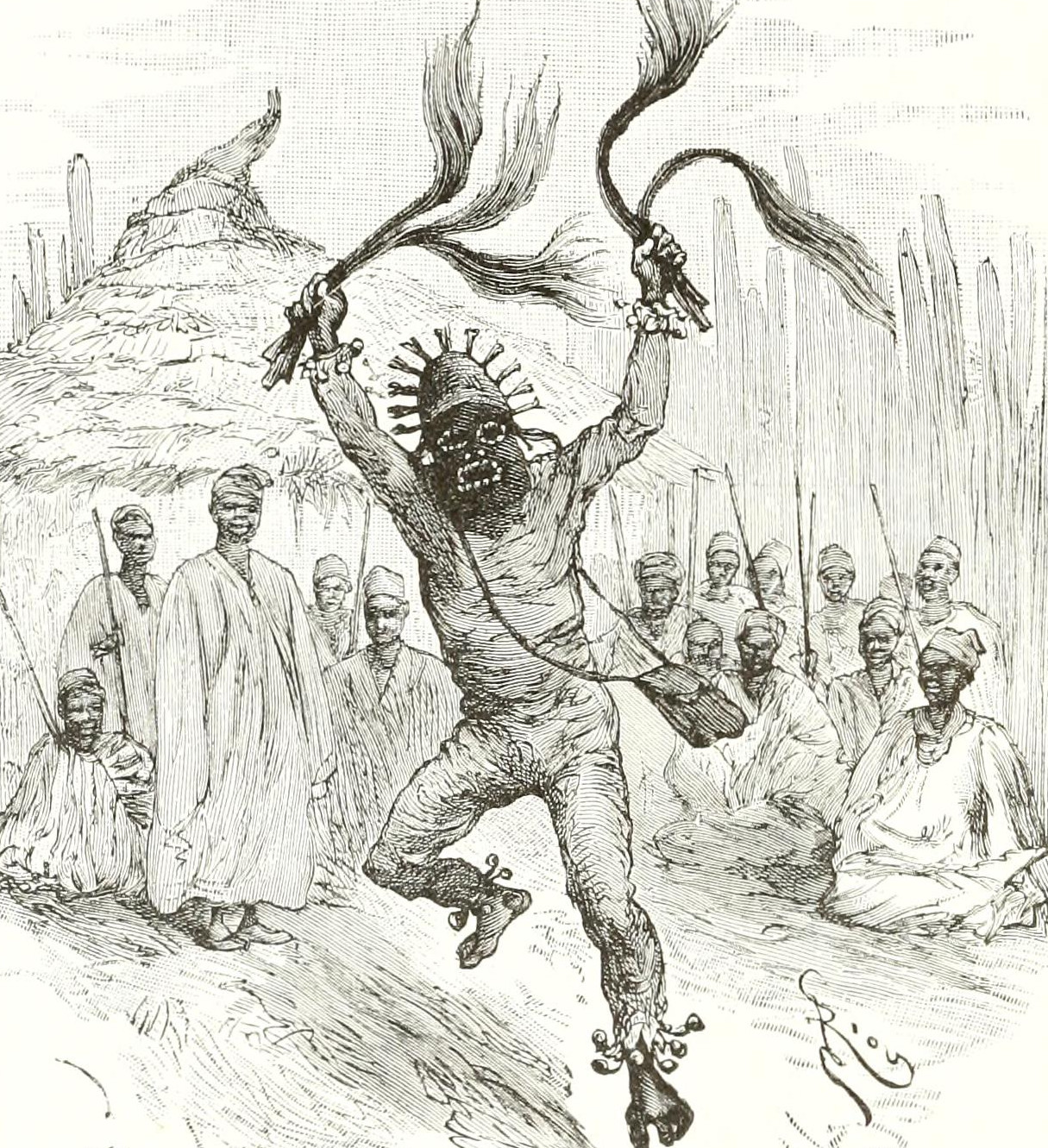 🇺🇸 United States and 2 moreLouisiana Voodoo
An African diasporic religion practiced in Louisiana from the 18th to early 20th centuriesTradition · Healing · Protection Historical
🇺🇸 United States and 2 moreLouisiana Voodoo
An African diasporic religion practiced in Louisiana from the 18th to early 20th centuriesTradition · Healing · Protection Historical
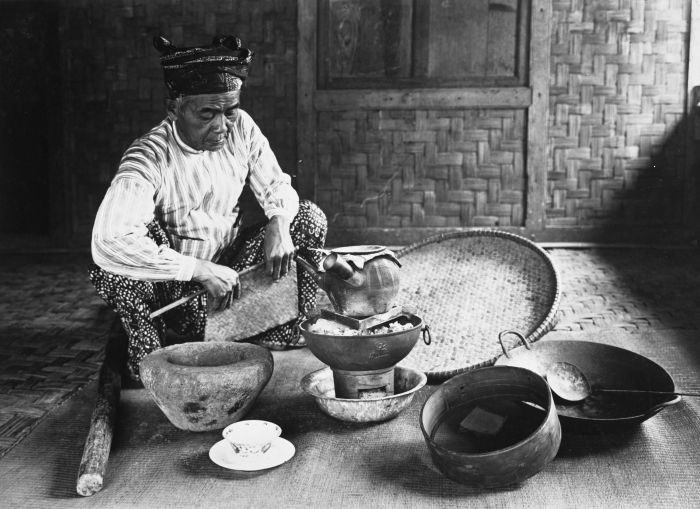 🇮🇩 Indonesia and 2 moreDukun
A traditional healer and spirit medium in Indonesian folk practiceTradition · Healing · Seeing and foretelling Living
🇮🇩 Indonesia and 2 moreDukun
A traditional healer and spirit medium in Indonesian folk practiceTradition · Healing · Seeing and foretelling Living
 🇿🇦 South AfricaSympathetic magic
A magical principle based on imitation and contact to influence the worldTradition · Protection · Healing Historical
🇿🇦 South AfricaSympathetic magic
A magical principle based on imitation and contact to influence the worldTradition · Protection · Healing Historical