Households and ordinary people
Grandmothers, parents and neighbours doing the small things: the knot, the salt, the red thread.
Households and ordinary people do most of the world's magic: the grandmother who ties a thread on a baby's wrist, the neighbour who throws salt, the shopkeeper who hangs a lemon and chillies, the family that burns incense before a photograph. These people are not specialists and often do not call it magic. This page looks at the domestic side of the subject, which is the commonest and least written about.
Everyday customs
Household practice is woven into daily life: sweeping at new year, a bead on a cradle, a horseshoe over a door, a charm in a car. It tends to be practical, brief and handed down within the family. Many people say they do it because their mother did, or to be safe. It rarely needs a priest, a text or a fee. The hands that do it are those of mothers and grandmothers, who also cook, clean and care, so the magic is part of the labour of the home.
Women and the home
Women are the principal keepers of household custom in many societies, as mothers, grandmothers and aunts. Their knowledge covers birth, child care, food, illness, marriage and death. That knowledge is often undervalued by the formal religion and by scholars, and was also the source of accusations in the witch trials, in which women who were midwives or healers were prominent. A household custom is learned by watching and may never be explained, since the practitioner does not see it as special.
Faith and the home
Religious leaders have seen household custom as faith, as superstition or as a nuisance. Reformers in Protestant Europe, Salafi Islam and some Hindu and Buddhist movements have told people to give up such practices. Many people keep them regardless. In the diaspora, the home customs are sometimes the part of heritage that lasts longest, and are carried to new countries in suitcases. In cities, small shrines, protective charms and everyday rituals often survive in apartments, taxis and shops.
Why scholars care
Anthropologists of everyday religion and folklorists record these customs as evidence of how people manage risk. They show how belief and practice differ, since people may say they do not believe and still knock on wood. Household magic is also the easiest to commercialise, in shops selling charms and kits that detach customs from their homes. A new student or visitor may find that families who say they do not believe still follow such customs carefully, and this gap is one of the more interesting findings.
Households and ordinary people on EveryJaadu
The entries written up so far, best known first.
 🇪🇬 Egypt and 5 moreAmulet
A portable object worn or carried to ward off harm and invite fortuneCharm · Protection · Luck and prosperity Living
 🇹🇷 Turkey and 5 moreEvil eye
A curse caused by an envious look and the charms used to block itBelief · Protection · Cursing and harm Living
 🇮🇷 Iran and 4 moreChaharshanbe Suriچهارشنبهسوری
An Iranian fire festival marking the end of winter and the eve of NowruzTradition · Luck and prosperity · Speaking with spirits and the dead Living
🇮🇶 IraqKispu
An ancient Mesopotamian ritual to feed and honor the dead ancestorsRite · Speaking with spirits and the dead · Protection Historical
 🇮🇷 Iran and 2 moreBibliomancy
Divination by opening a book at random and reading the first passage foundOracle · Seeing and foretelling · Power and authority Living
 🇮🇶 Iraq and 1 moreLamassu𒀭𒆗 (dlamma)
A Mesopotamian guardian spirit, a winged bull with a human head, set to watch the gatesBeing · Protection · Power and authority Historical
 🇸🇩 Sudan and 5 moreIncense
Aromatic plant material that releases scent when heated or burnedSubstance · Protection · Speaking with spirits and the dead Living
 🇮🇱 Israel and 2 moreMezuzahמְזוּזָה
A scroll of Torah verses placed in a case on Jewish doorpostsCharm · Protection · Speaking with spirits and the dead Living
 🇬🇷 Greece and 1 moreCapnomancy
Divination by reading the shapes and movements of smoke from fires or incenseOracle · Seeing and foretelling · Protection Historical
 🇮🇷 Iran and 7 moreNowruzنوروز
A spring equinox festival marking the new year across West and Central AsiaTradition · Luck and prosperity · Cleansing and purification Living
 🇮🇱 Israel and 2 moreLag BaOmerלַ״ג בָּעוֹמֶר
A Jewish holiday marking the end of a mourning period with bonfires and outdoor playTradition · Speaking with spirits and the dead · Wonder and entertainment Living
 🇮🇱 Israel and 2 moreUpsherinאָפּשערן (opshern)
A first haircut ceremony for Jewish boys, marking the start of formal study.Rite · Speaking with spirits and the dead · Power and authority Living
 🇮🇶 Iraq and 1 morePazuzu𒀭𒅆𒊒𒍪𒍪 (pà.zu.zu)
A Mesopotamian wind demon and protective amulet against child-harming spiritsBeing · Protection · Cursing and harm Historical
 🇸🇦 Saudi Arabia and 1 moreDhikrذِكْر
Islamic remembrance of God through repeated recitation and prayerRite · Speaking with spirits and the dead · Power and authority Living
 🇮🇱 Israel and 5 moreTefillinתְּפִלִּין
Black leather boxes containing Torah scrolls, worn by Jewish men during weekday prayers.Charm · Speaking with spirits and the dead · Protection Living
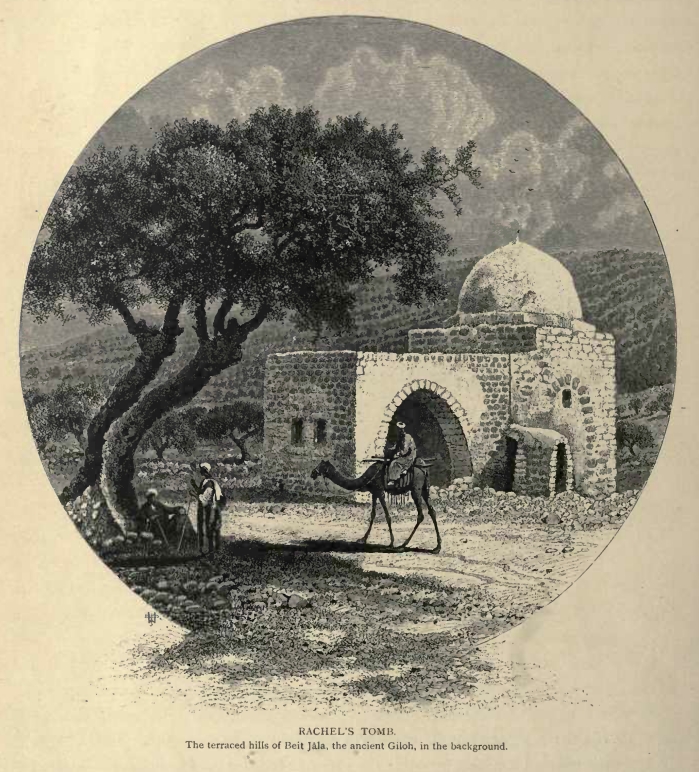 🇵🇸 Palestine and 1 moreRachel's TombQever Raḥel / Qabr Rāḥīl
A shared holy site in Bethlehem revered by Jews, Christians, and Muslims.Tradition · Speaking with spirits and the dead · Protection Living
 🇪🇬 Egypt and 5 moreHamsaخمسة
A palm-shaped amulet used across North Africa and the Middle East for protection.Charm · Protection · Luck and prosperity Living
 🇮🇷 Iran and 4 moreJinnجِنّ
Supernatural beings in Islamic and pre-Islamic Arabian belief, capable of shapeshifting and living in society.Being · Protection · Cursing and harm Living
 🇮🇱 IsraelRed string (Kabbalah)חוט השני
A Jewish folk talisman worn to ward off the evil eye and misfortuneCharm · Protection Living
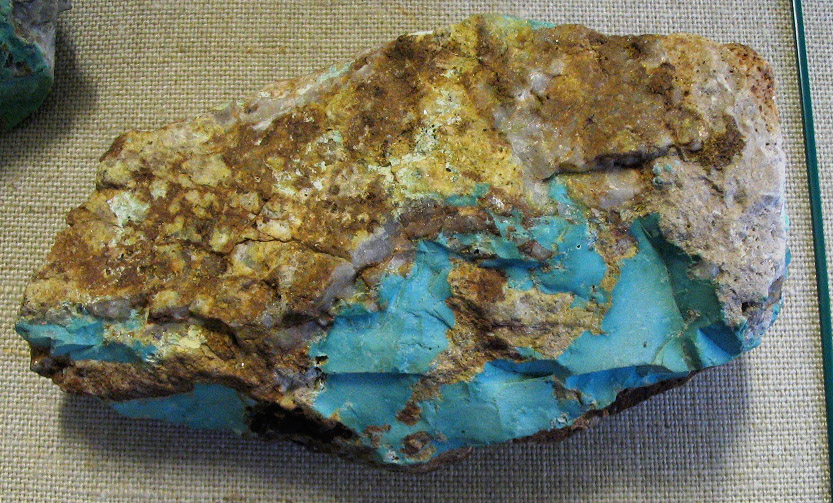 🇮🇷 Iran and 5 moreTurquoise
An opaque blue-green gemstone prized for its color since ancient timesSubstance · Protection · Luck and prosperity Living
🇮🇶 Iraq and 3 moreAncient Mesopotamian religion
The polytheistic beliefs and practices of Sumer, Akkad, Assyria and Babylonia from 6000 BC to 500 ADTradition · Power and authority · Speaking with spirits and the dead Historical
 🇮🇱 Israel and 3 moreCleromancy
A divination method that uses random chance to reveal divine willOracle · Seeing and foretelling · Speaking with spirits and the dead Living
 🇪🇬 Egypt and 5 moreTalisman
An object believed to channel specific forces for protection, healing, or influence.Charm · Protection · Healing Historical
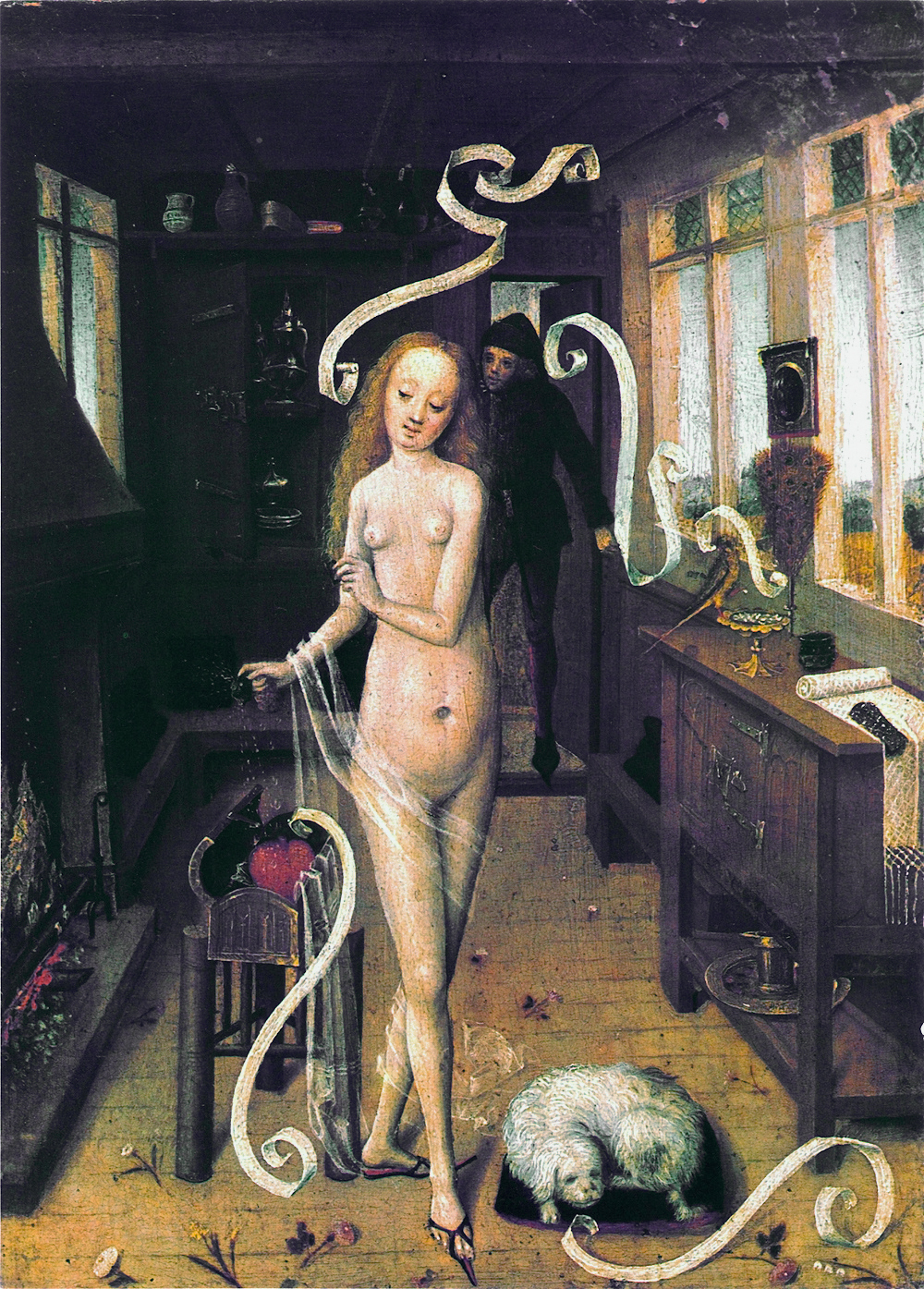 🇮🇶 Iraq and 5 moreLove magic
Rituals and spells used to attract, preserve, or end romantic relationships across many cultures.Tradition · Love and attraction · Cursing and harm Historical
🇹🇷 TurkeyHamsa (sample)Khamsa
An open hand with an eye, hung on doors.Charm · Protection · Luck and prosperity Living
 🇹🇷 Turkey and 1 moreTalismanic shirttılsımlı gömlek
A worn textile inscribed with sacred verses and symbols for protection in the Muslim worldCharm · Protection Historical
🇪🇬 Egypt and 5 moreAmulet
A portable object worn or carried to ward off harm and invite protection.Charm · Protection · Healing Living
🇮🇱 IsraelSegulaסגולה
A Jewish charm or ritual believed to bring protection, healing, or blessings.Charm · Protection · Healing Living
 🇮🇶 Iraq and 1 moreTawûsî Melekتاوسی مەلەک
The central angel of Yazidism, known as the Peacock Angel and leader of the Seven Mysteries.Being · Power and authority · Speaking with spirits and the dead Living
 🇪🇬 Egypt and 1 moreAgathos Daimonἀγαθὸς δαίμων
A noble spirit and serpent deity of Greek and Egyptian traditionBeing · Protection · Luck and prosperity Historical
🇮🇶 IraqHufaidhحفيظ
A legendary island said to dwell in the southern Iraqi marshesBelief · Wonder and entertainment Historical
 🇮🇱 Israel and 4 moreChaiחי
A Hebrew word and symbol meaning 'alive', used as an amulet and in Jewish culture.Charm · Protection · Luck and prosperity Living
🇮🇷 IranFaravaharفَرَوَهَر
Zoroastrian guardian spirits: ancestor-warriors and each person's unseen twinBeing · Protection · Speaking with spirits and the dead Living
 🇸🇾 SyriaArslan Tash amulets
Assyrian limestone charms found in Syria that ward off demons through inscribed prayersCharm · Protection Historical
 🇮🇱 Israel and 2 moreReligious restrictions on the consumption of pork
A dietary rule found in several faiths that bars people from eating pig meat.Belief · Cleansing and purification Living
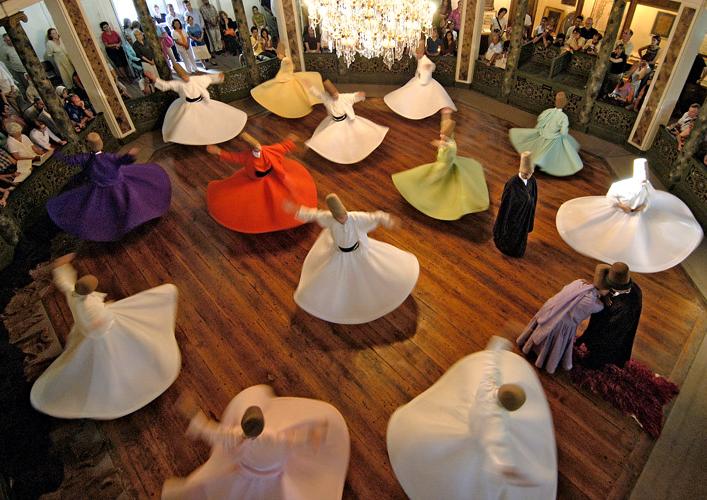 🇹🇷 Turkey and 4 moreSufi whirlingSemazen
A spinning meditation practiced by Sufi dervishes to reach spiritual connection through music and movement.Rite · Speaking with spirits and the dead · Change and initiation Living
 🇮🇱 IsraelAsherah pole
A wooden cult object linked to the goddess Asherah in ancient Canaan and IsraelCharm · Speaking with spirits and the dead Historical
 🇹🇷 Turkey and 5 moreRelics of Muhammad
Objects linked to Muhammad, kept and venerated for blessingCharm · Luck and prosperity · Power and authority Living
 🇮🇶 IraqBurney Relief
A Mesopotamian terracotta plaque depicting a winged goddess with owl companions and lion mounts.Charm · Power and authority · Speaking with spirits and the dead Historical
 🇪🇬 Egypt and 5 moreWorship of heavenly bodies
Veneration of stars, planets, and the sky as divine forces or deitiesTradition · Protection · Power and authority Historical
🇮🇷 IranFāl-gūshفالگوش
A Persian divination custom of listening to strangers' words for omensRite · Seeing and foretelling Historical
 🇪🇬 EgyptBarakahبركة
A spiritual blessing power in Islam and Arabic ChristianityBelief · Protection · Power and authority Living
🇸🇦 Saudi Arabia and 2 moreBay'ahبيعة
An oath of loyalty and obedience given to a political or spiritual leader in Islamic traditionRite · Binding and oaths · Power and authority Living
 🇮🇱 IsraelMatzevahמַצֵּבָה
A standing stone used as a sacred marker or grave monument in ancient and Jewish traditionCharm · Speaking with spirits and the dead · Protection Living
🇮🇱 Israel and 1 moreDream questionShe'elat Halom
A Jewish divination practice seeking prophetic answers through dreamsOracle · Seeing and foretelling · Healing Historical
🇪🇬 Egypt and 5 moreTariqaطريقة
A Sufi spiritual path and the community that follows itTradition · Speaking with spirits and the dead · Change and initiation Living
 🇪🇬 Egypt and 5 moreIsrael-related animal conspiracy theories
Recurring claims that Israel's spies ride on sharks, vultures and dolphinsBelief Living
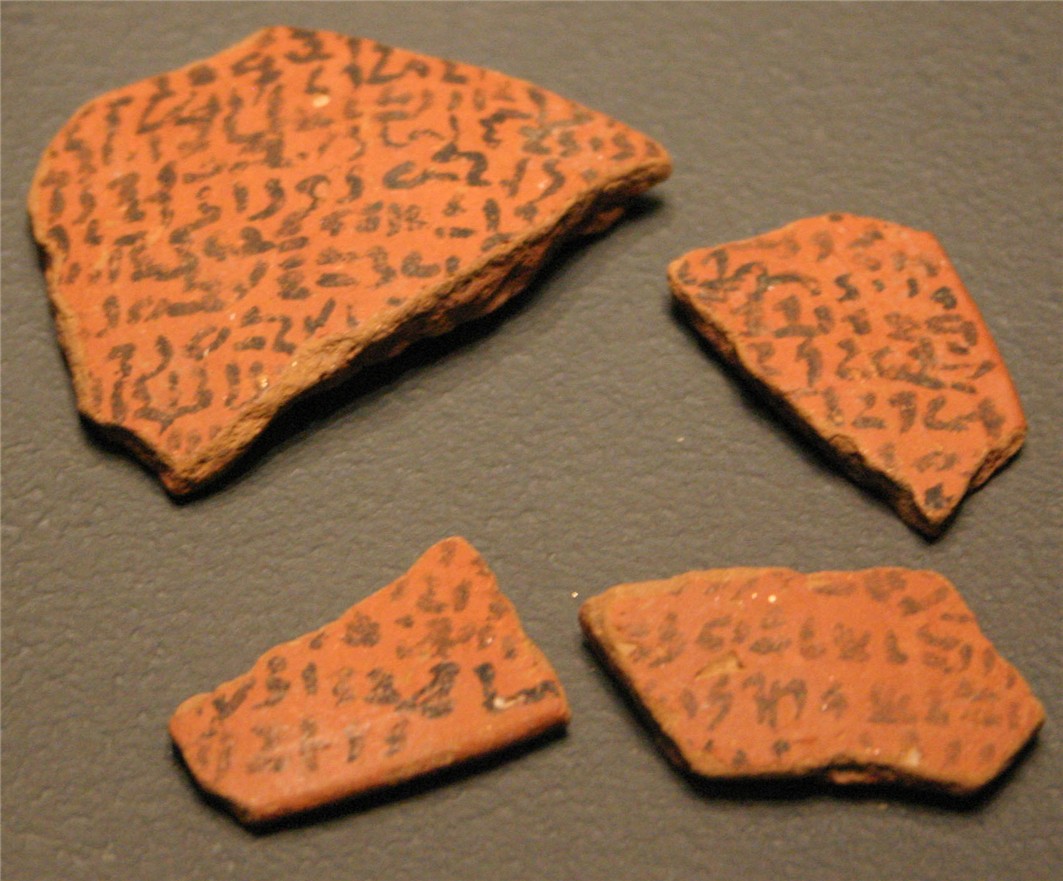 🇪🇬 Egypt and 4 moreExecration texts
Ancient Egyptian magical texts inscribed on objects to be destroyed, targeting enemies of the state.Text · Protection · Cursing and harm Historical
Photo credits on this page
The small pictures above come from Wikimedia Commons under free licences. Some are cropped to fit.
- Chai: BASWIM, CC BY 3.0, source
- Ancient Mesopotamian religion: editor Austen Henry Layard , drawing by L. Gruner, Public domain, source
- Incense: nakimusi, CC BY 2.0, source
- Arslan Tash amulets: National Museum of Aleppo, Public domain, source
- Love magic: Kölner Meister [ 1 ] The artist is an unknown lower Rhenish artist. [, Public domain, source
- Sufi whirling: myself, Public domain, source
- Dhikr: Eugène Baugnies, Public domain, source
- Tefillin: Brooklyn Museum, CC BY 3.0, source
- Amulet: Anonymous ( Egypt ) Unknown author, Public domain, source
- Nowruz: Katzenfee50, CC0, source
- Lamassu: Daderot, CC0, source
- Talismanic shirt: Ibrahim Husain Meraj, CC BY-SA 4.0, source
- Religious restrictions on the consumption of pork: Unknown author, Public domain, source
- Rachel's Tomb: Lane-Poole, Stanley, Public domain, source
- Jinn: VenusFeuerFalle, CC0, source
- Red string (Kabbalah): Mx. Granger, CC0, source
- Turquoise: Unknown author, Public domain, source
- Cleromancy: Julius Schnorr von Carolsfeld, Public domain, source
- Asherah pole: Oren Rozen, CC BY-SA 4.0, source
- Lag BaOmer: Yoninah, CC BY-SA 3.0, source
- Upsherin: Vered Peer, CC BY 4.0, source
- Relics of Muhammad: Georges Jansoone ( JoJan, CC BY 3.0, source
- Burney Relief: Unknown author, CC0, source
- Worship of heavenly bodies: Jean-Pierre Dalbéra, CC BY 2.0, source
- Chaharshanbe Suri: Philippe Giabbanelli, CC BY 3.0, source
- Bibliomancy: Albert Robida, Public domain, source
- Barakah: عامر شاہین, CC BY-SA 3.0, source
- Evil eye: FocalPoint, CC BY-SA 3.0, source
- Matzevah: Gilslovik, CC BY-SA 4.0, source
- Mezuzah: Adrian Grycuk, CC BY-SA 3.0 pl, source
- Hamsa: Kritzolina, CC BY-SA 4.0, source
- Capnomancy: Tigerzeng, CC BY-SA 4.0, source
- Israel-related animal conspiracy theories: Sumeet Moghe, CC BY-SA 3.0, source
- Tawûsî Melek: Bernd Schwabe in Hannover, CC BY 3.0, source
- Execration texts: Naunakhte, CC BY-SA 3.0, source
- Talisman: Sasha India, CC BY 2.0, source
- Agathos Daimon: Carole Raddato, CC BY-SA 2.0, source