Households and ordinary people
Grandmothers, parents and neighbours doing the small things: the knot, the salt, the red thread.
Households and ordinary people do most of the world's magic: the grandmother who ties a thread on a baby's wrist, the neighbour who throws salt, the shopkeeper who hangs a lemon and chillies, the family that burns incense before a photograph. These people are not specialists and often do not call it magic. This page looks at the domestic side of the subject, which is the commonest and least written about.
Everyday customs
Household practice is woven into daily life: sweeping at new year, a bead on a cradle, a horseshoe over a door, a charm in a car. It tends to be practical, brief and handed down within the family. Many people say they do it because their mother did, or to be safe. It rarely needs a priest, a text or a fee. The hands that do it are those of mothers and grandmothers, who also cook, clean and care, so the magic is part of the labour of the home.
Women and the home
Women are the principal keepers of household custom in many societies, as mothers, grandmothers and aunts. Their knowledge covers birth, child care, food, illness, marriage and death. That knowledge is often undervalued by the formal religion and by scholars, and was also the source of accusations in the witch trials, in which women who were midwives or healers were prominent. A household custom is learned by watching and may never be explained, since the practitioner does not see it as special.
Faith and the home
Religious leaders have seen household custom as faith, as superstition or as a nuisance. Reformers in Protestant Europe, Salafi Islam and some Hindu and Buddhist movements have told people to give up such practices. Many people keep them regardless. In the diaspora, the home customs are sometimes the part of heritage that lasts longest, and are carried to new countries in suitcases. In cities, small shrines, protective charms and everyday rituals often survive in apartments, taxis and shops.
Why scholars care
Anthropologists of everyday religion and folklorists record these customs as evidence of how people manage risk. They show how belief and practice differ, since people may say they do not believe and still knock on wood. Household magic is also the easiest to commercialise, in shops selling charms and kits that detach customs from their homes. A new student or visitor may find that families who say they do not believe still follow such customs carefully, and this gap is one of the more interesting findings.
Households and ordinary people on EveryJaadu
The entries written up so far, best known first.
 🇬🇷 Greece and 2 moreAstragalomancy
Divination by casting marked bones, carved rods, or numbered diceOracle · Seeing and foretelling · Speaking with spirits and the dead Living
 🇵🇭 PhilippinesAnito
Indigenous Philippine spirits and the carved figures that represent themBeing · Protection · Speaking with spirits and the dead Living
 🇨🇺 Cuba and 4 moreSanteríaRegla de Ocha
An Afro-Cuban religion blending Yoruba spirits with Catholic saintsTradition · Protection · Healing Living
 🇮🇪 Ireland and 5 moreHoly well
A water source revered for healing and ritual across pagan and Christian traditionsTradition · Healing · Speaking with spirits and the dead Living
 🇪🇬 Egypt and 3 moreEx-voto
A gift left in a shrine to mark a vow kept or a miracle receivedCharm · Protection · Healing Living
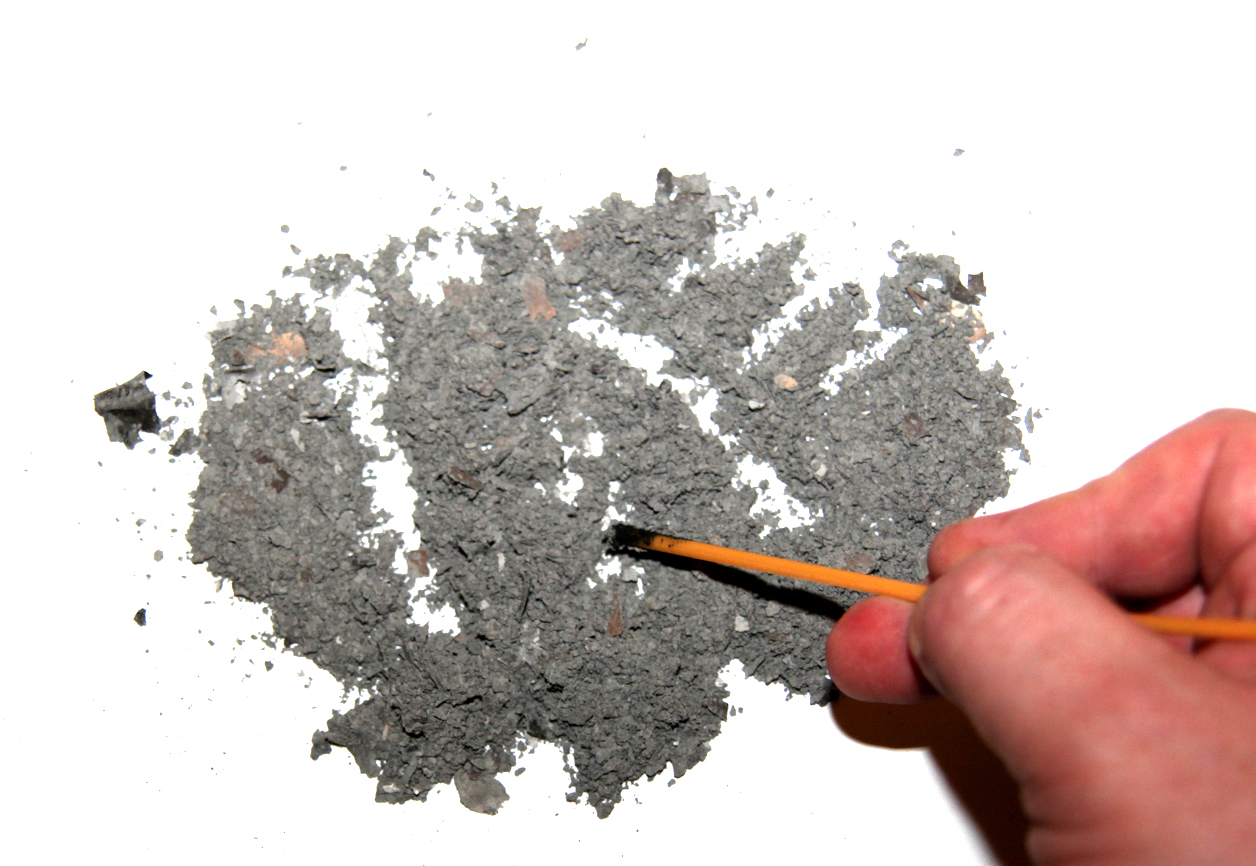 🇬🇷 Greece and 5 moreSpodomancy
Divination by reading omens in ashes, soot, and cindersOracle · Seeing and foretelling · Healing Living
 🇺🇸 United States and 2 moreSéance
A gathering to communicate with spirits, ranging from religious services to stage performances.Rite · Speaking with spirits and the dead · Healing Living
 🇺🇸 United States and 4 moreRainmaking
Efforts to induce rain through technology, ritual, or prayer.Tradition · Protection · Healing Living
 🇪🇬 Egypt and 1 moreAncient Egyptian religion
Polytheistic worship, divine kingship, and funerary rites along the NileTradition · Protection · Speaking with spirits and the dead Historical
 🇺🇸 United StatesRing shout
A sacred circle dance of African American origin using rhythmic movement and call-and-response singingRite · Speaking with spirits and the dead · Power and authority Living
 🇳🇿 New Zealand and 5 moreFace tattoo
Marks inked on the face for spiritual protection, identity, rank, and rite of passageTradition · Protection · Power and authority Living
 🇮🇶 Iraq and 1 morePazuzu𒀭𒅆𒊒𒍪𒍪 (pà.zu.zu)
A Mesopotamian wind demon and protective amulet against child-harming spiritsBeing · Protection · Cursing and harm Historical
 🇨🇳 China and 5 moreKau chim求签
A divination method using numbered bamboo sticks to reveal poetic answers from deitiesOracle · Seeing and foretelling Living
 🇬🇹 Guatemala and 1 moreMaya calendar
A system of timekeeping used by ancient and modern Maya communities to track days, years, and historical cycles.Tradition · Seeing and foretelling · Luck and prosperity Living
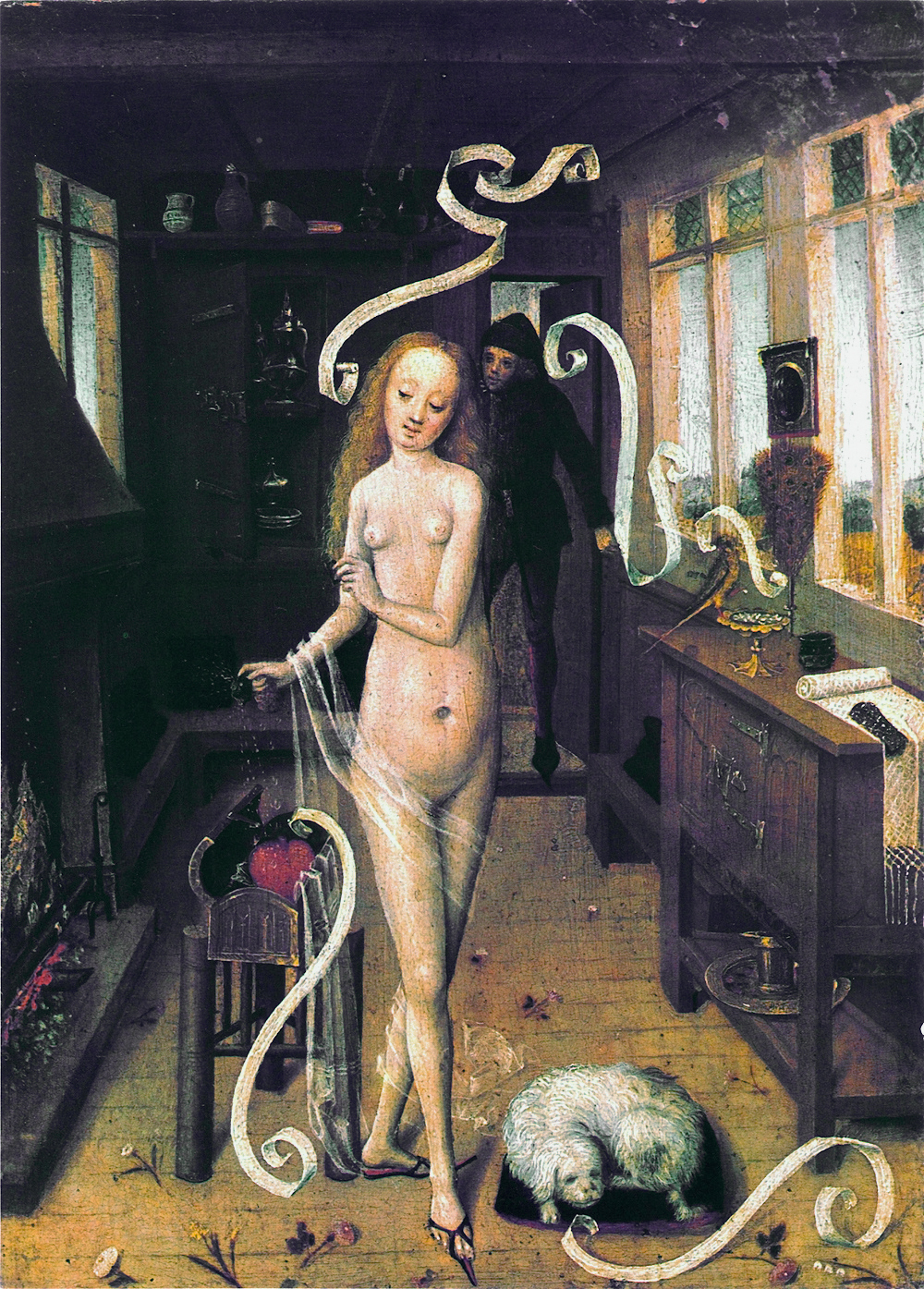 🇮🇶 Iraq and 5 moreLove magic
Rituals and spells used to attract, preserve, or end romantic relationships across many cultures.Tradition · Love and attraction · Cursing and harm Historical
 🇺🇸 United StatesGhost DanceNanissaanah
A circular movement seeking spiritual renewal and reunion with ancestorsRite · Speaking with spirits and the dead · Change and initiation Living
 🇮🇸 Iceland and 3 moreSeiðr
A Norse divination and manipulation magic practiced during the Viking Age.Tradition · Seeing and foretelling · Cursing and harm Revived
 🇨🇱 Chile and 1 moreMapuche religion
The traditional spiritual practice of the Mapuche people of Chile and ArgentinaTradition · Protection · Healing Living
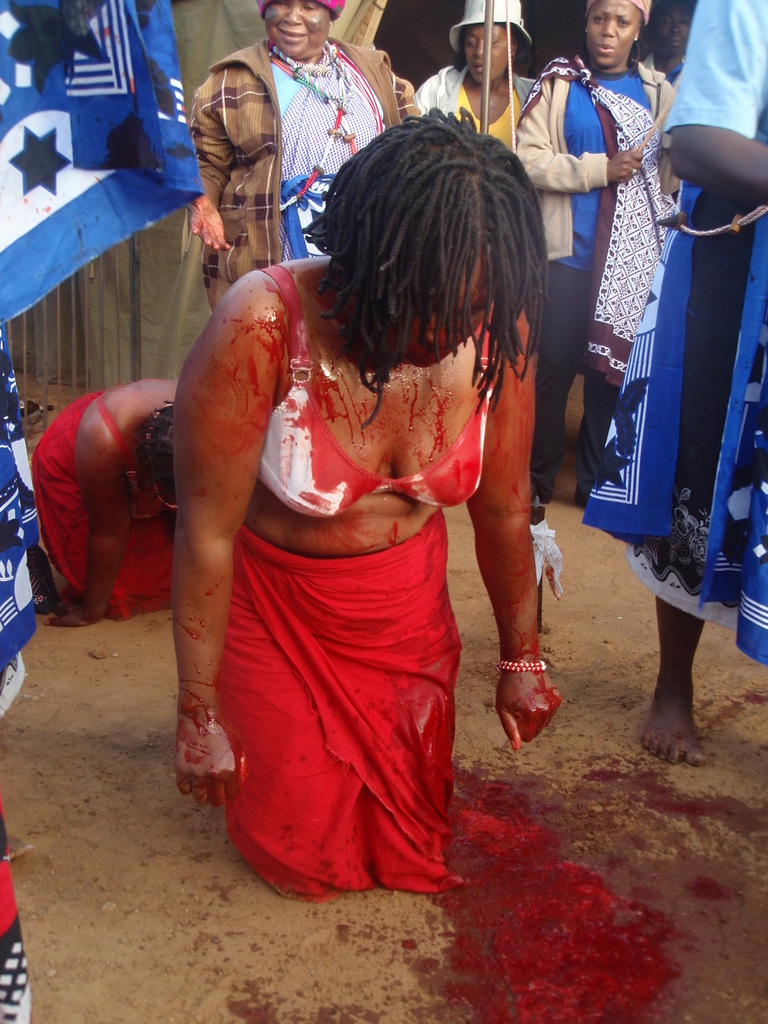 🇿🇦 South AfricaUkuthwasa
A Southern African spiritual calling and initiation for traditional healersRite · Healing · Speaking with spirits and the dead Living
 🇯🇵 JapanKodama木霊
A tree spirit in Japanese folklore that brings misfortune if the host tree is harmedBeing · Cursing and harm Living
 🇮🇷 Iran and 2 moreBibliomancy
Divination by opening a book at random and reading the first passage foundOracle · Seeing and foretelling · Power and authority Living
 🇷🇺 Russia and 5 moreSlavic religion
The pre-Christian beliefs of the Slavic peoples before their conversion to Christianity.Tradition · Protection · Healing Revived
 🇬🇷 Greece and 5 moreVotive offering
Objects left in sacred places to honor a deity or fulfill a vow, never to be recovered.Tradition · Protection · Healing Living
🇸🇸 South Sudan and 1 moreDinka religion
The traditional animist and creator-based faith of the Dinka people of South SudanTradition · Protection · Healing Living
 🇩🇪 Germany and 4 moreNeed-fireNotfeuer
A ritual fire lit by friction to protect livestock and people from disease and witchcraftRite · Protection · Cleansing and purification Historical
 🇵🇬 Papua New GuineaWitch-hunts in Papua New Guinea
Mob attacks on people, mostly women, accused of sanguma sorcery in Papua New GuineaBelief · Cursing and harm Living
 🇨🇳 China and 1 moreBagua八卦
A set of eight trigram symbols from China used in divination, philosophy, and feng shui.Tradition · Seeing and foretelling · Protection Living
 🇮🇩 Indonesia and 4 moreKejawènꦏꦗꦮꦺꦤ꧀ (Kajawèn)
A Javanese tradition blending animism, Hinduism, Buddhism and Islam into a path of inner harmony.Tradition · Protection · Speaking with spirits and the dead Living
 🇲🇽 Mexico and 5 moreSanta MuerteNuestra Señora de la Santa Muerte
A female skeletal folk saint in Mexico and the Americas, worshipped for protection, healing, and safe passage.Tradition · Protection · Healing Living
 🇵🇪 Peru and 1 moreApu
Sacred mountain spirits in Andean tradition that protect communities and control natural resourcesBeing · Protection · Healing Living
 🇮🇱 Israel and 3 moreCleromancy
A divination method that uses random chance to reveal divine willOracle · Seeing and foretelling · Speaking with spirits and the dead Living
🇯🇵 JapanYutaユタ
Okinawan folk shamans who guide families through spirits and fortune-tellingTradition · Protection · Healing Living
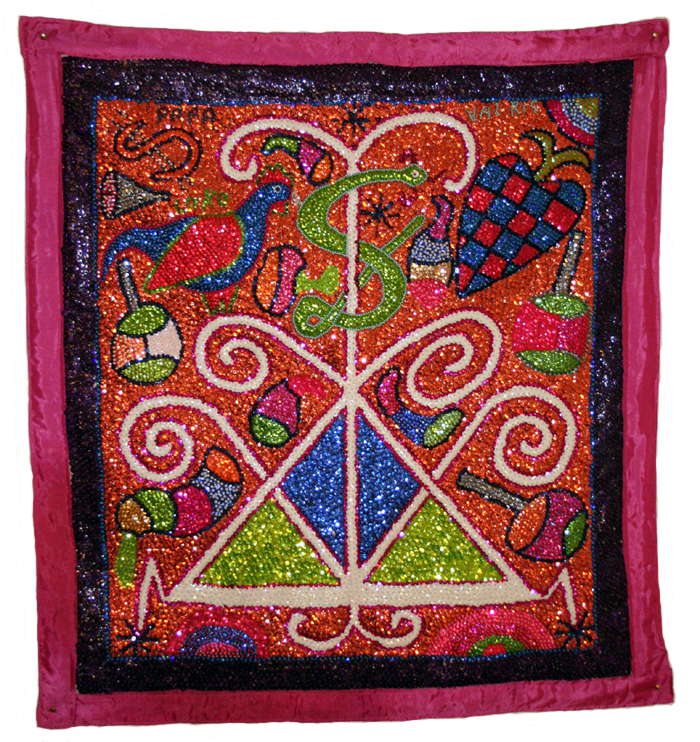 🇭🇹 Haiti and 2 moreHaitian VodouVodou
An Afro-Haitian religion blending West African traditions with Catholicism and FreemasonryTradition · Protection · Healing Living
🇬🇧 United KingdomWitch bottle (sample)
A stoppered bottle set out against curses.Charm · Protection · Cursing and harm Historical
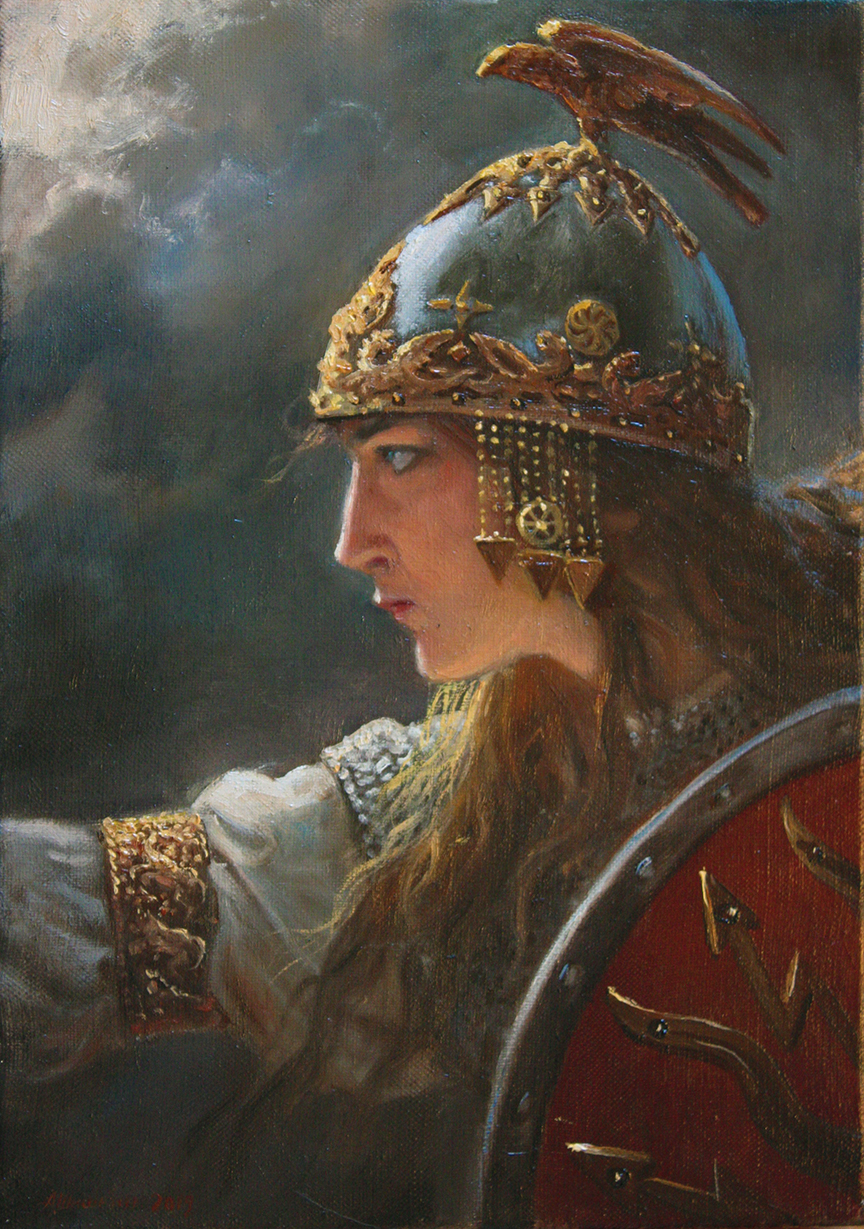 🇦🇱 Albania and 5 moreDodolaДодoла / Перперуна
A Balkan rainmaking rite performed by youths in greenery to invoke summer showersRite · Protection · Luck and prosperity Living
 🇱🇦 Laos and 3 moreTai folk religionສາສະໜາຜີ
Spirits, ancestor rites, and soul-calling ceremonies of the Tai peoplesTradition · Protection · Healing Living
 🇯🇵 JapanUshi no toki mairi丑の時参り
A Japanese ritual of cursing performed at a shrine during the early morning hours.Rite · Cursing and harm Historical
 🇹🇳 TunisiaStambeli
A Tunisian music and possession rite practiced by Black communities of slave descentTradition · Healing · Protection Living
 🇹🇹 Trinidad and Tobago and 4 moreTrinidad Orisha
A syncretic Afro-Caribbean faith blending Yoruba spirit work with Christian and other traditions in Trinidad.Tradition · Speaking with spirits and the dead · Healing Living
 🇪🇬 Egypt and 5 moreAmulet
A portable object worn or carried to ward off harm and invite protection.Charm · Protection · Healing Living
 🇮🇳 India and 1 moreJagarजागर
A Himalayan night ritual to wake local deities through song and tranceRite · Protection · Healing Living
 🇺🇸 United StatesThe Gray Man
A coastal ghost from South Carolina said to warn of hurricanesBeing · Protection Living
🇮🇳 IndiaApeswari sabha
An Assamese healing rite where village women invoke a goddess to cure illnessRite · Healing · Speaking with spirits and the dead Living
 🇬🇷 Greece and 1 moreOomancy
Divination by eggs, reading shapes and signs to foresee events or diagnose spiritual statesOracle · Seeing and foretelling · Healing Living
🇮🇹 Italy and 1 moreKollyra curse tablet
An ancient Greek tablet cursing a thief to suffocation until stolen goods are returned.Text · Protection · Cursing and harm Historical
 🇺🇸 United StatesAshtar
A channeled extraterrestrial figure central to mid-century American ufology and New Age spiritualityBeing · Speaking with spirits and the dead · Seeing and foretelling Living
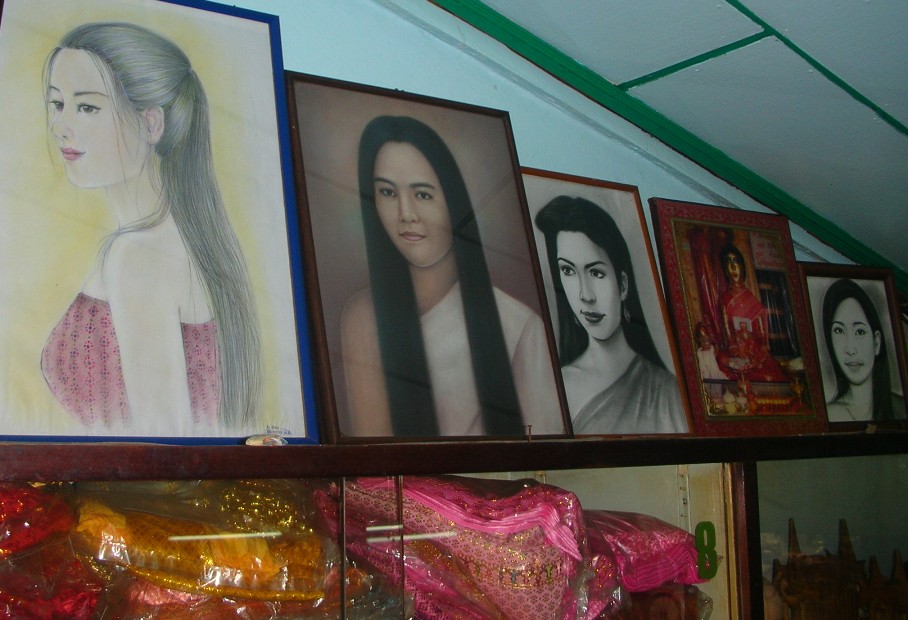 🇹🇭 ThailandMae Nak Phra Khanongแม่นากพระโขนง
A Thai ghost of a woman who died in childbirth and her shrine for protection and fertilityBeing · Protection · Healing Living
 🇵🇱 Poland and 3 moreStrzyga
A female demon in Polish folklore, linked to owls and vampiric traitsBeing · Cursing and harm · Protection Historical
Photo credits on this page
The small pictures above come from Wikimedia Commons under free licences. Some are cropped to fit.
- Votive offering: Walter J. Pilsak, Waldsassen ( W.J.Pilsak at de.wikipedia ), CC BY-SA 3.0, source
- Ancient Mesopotamian religion: editor Austen Henry Layard , drawing by L. Gruner, Public domain, source
- Holy well: The Speckled Bird, CC BY-SA 4.0, source
- Ancient Egyptian religion: Moh hakem, CC BY-SA 4.0, source
- Ashtar: Evedawn99, Public domain, source
- Love magic: Kölner Meister [ 1 ] The artist is an unknown lower Rhenish artist. [, Public domain, source
- Amulet: Anonymous ( Egypt ) Unknown author, Public domain, source
- Ghost Dance: Unknown author, Public domain, source
- Tengu: Katsushika Hokusai, Public domain, source
- Freyja: John Bauer, Public domain, source
- Egungun: Ìṣẹ̀ṣeAssembly, CC BY-SA 4.0, source
- Ex-voto: JTSH26, CC BY-SA 4.0, source
- Spodomancy: Tim1965, CC BY-SA 3.0, source
- Séance: Unknown author, Public domain, source
- Oomancy: Rollcloud, CC BY 3.0, source
- Need-fire: Unknown author, Public domain, source
- Kejawèn: Greenland4, Public domain, source
- Jagar: Digvijay singh janoti, CC BY-SA 4.0, source
- Cleromancy: Julius Schnorr von Carolsfeld, Public domain, source
- Haitian Vodou: Sam Fentress, CC BY-SA 2.0, source
- Dodola: Andrey Shishkin, CC BY 3.0, source
- Rainmaking: George Catlin, Public domain, source
- Strzyga: Filip Gutowski, CC BY-SA 4.0, source
- Ring shout: Attributed to John Rose, Public domain, source
- Face tattoo: Gottfried Lindauer, Public domain, source
- Gazu Hyakki Yagyō: Toriyama Sekien, Public domain, source
- Kau chim: No machine-readable author provided. 9old9 assumed (based on copyright, Public domain, source
- Maya calendar: MBisanz, CC BY-SA 3.0, source
- Bibliomancy: Albert Robida, Public domain, source
- Slavic religion: Alphonse Mucha, Public domain, source
- Stambeli: Youssefbensaad, CC BY-SA 4.0, source
- Mae Nak Phra Khanong: Xufanc, CC BY-SA 3.0, source
- The Gray Man: Phoebe, CC BY-SA 4.0, source
- Astragalomancy: Roland zh, CC BY-SA 3.0, source
- Anito: Frederic H. Sawyer, Public domain, source
- Santería: Jorge Royan, CC BY-SA 3.0, source
- Witch-hunts in Papua New Guinea: The original uploader was Dr. Blofeld at English Wikipedia ., Attribution, source
- Bagua: TarcísioTS at Portuguese Wikipedia, Public domain, source
- Tai folk religion: ( เทวประภาส มากคล้าย ), Tevaprapas, Public domain, source
- Santa Muerte: Not home, Public domain, source
- Apu: Cecilia Sacsa, CC BY-SA 4.0, source
- Ukuthwasa: Mycelium101, CC BY-SA 3.0, source
- Mapuche religion: Gary Todd, CC0, source