
Jet
from French jaiet, referring to the town of Gagae
A black gemstone carved into amulets and mourning jewellery for centuries
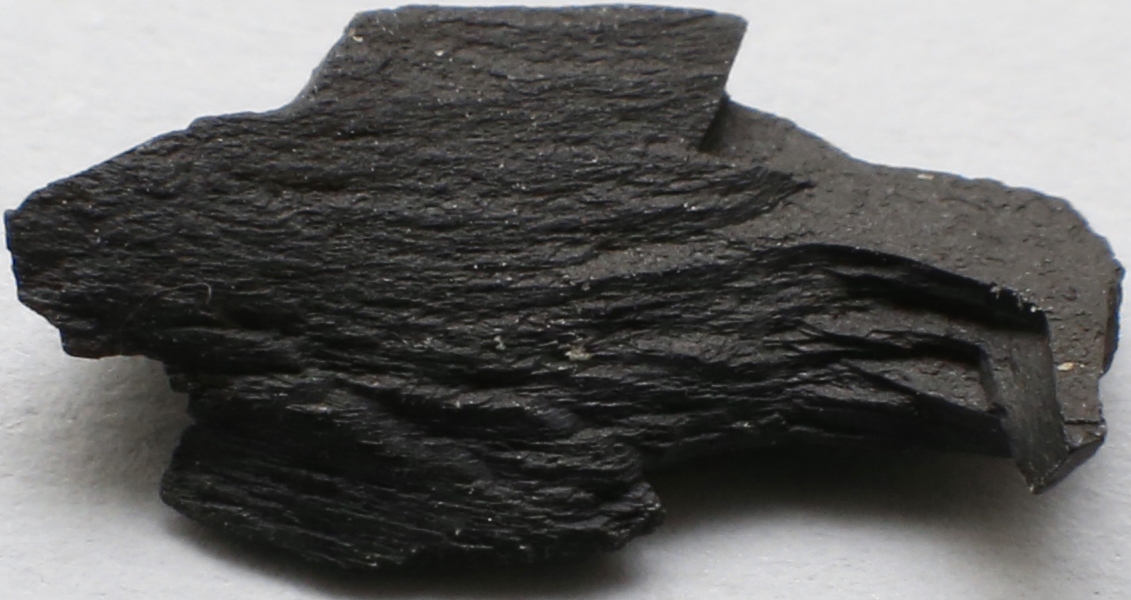
Jet is a dark mineraloid formed from fossilized wood under pressure. It has been used since ancient times as a protective charm against the evil eye and later as the primary material for Victorian mourning jewellery.
- Jet is fossilized wood, not a true mineral.
- Romans used it to ward off the evil eye.
- Whitby, England, was a major source.
- Queen Victoria popularized it for mourning.
- It leaves a brown streak on porcelain.
What it is
Jet is a dark gemstone classified as a mineraloid rather than a true mineral. It originates from wood that underwent decomposition and extreme pressure over millions of years. Its name entered English from French, tracing back to an ancient town. Historically, it served as both a decorative stone and a functional object in folk magic.
Where it comes from
The substance forms from the fossilized wood of trees like the Araucariaceae family. It appears in two physical states: hard jet, shaped by carbon compression and salt water, and soft jet, influenced by fresh water. Both types share similar hardness but differ in stability. Deposits exist across Europe and North America, with major sources in England, Spain, and France. Native American tribes in New Mexico also utilized local deposits early on.
How it is done
Ancient practitioners carved jet using simple tools due to its brittleness. Roman artisans in York produced rings, hairpins, and pendants, often carving Medusa heads onto pendants. Vikings crafted animal sculptures and rings. In medieval times, workshops in Santiago de Compostela made rosary beads and crosses. Modern lapidarists still carve the stone, though its tendency to crack requires skill.
Tools and materials
The primary material is lignite, a low-rank coal rich in carbon. It contains sulfur and hydrogen, with trace elements varying by location. Spanish jet holds more sulfur than English varieties. Tools include carving implements for shaping beads and pendants. Authenticators use unglazed porcelain to check for a brown streak or heat the stone to detect a coal-like smell.
Jet, drawn and placed
- Living
- Revived
- Fading
- Historical
- Legendary
- Performed
- Lineage
- Lignite coal
- Timing
- mourning periods and daily wear
What it is for
People wore jet to deflect the gaze of the evil eye and provide protection. Pliny the Elder recorded beliefs that burning jet drove off snakes and relieved uterine suffocation. Medieval traditions held that drinking from jet bowls aided childbirth labor. In the Victorian era, it became the standard material for mourning jewellery, worn to signify grief after the death of loved ones.
Who does it
Carvers and lapidarists shaped the stone into beads and pendants. In Roman Britain, production centers operated in York rather than mining sites. Medieval workshops in Santiago de Compostela served pilgrims traveling the Camino de Santiago. Victorian jewelers mass-produced mourning accessories. Today, few specialists remain, with the industry largely dormant since the mid-twentieth century.
Peoples and places
Romans in Britain valued jet for amulets and jewelry. Vikings used it for rings and figurines. Navajo and Pueblo peoples in New Mexico incorporated it into weapons and ornaments before European contact. In Spain, Asturian jet fueled a trade in religious items for pilgrims. French industries declined in the nineteenth century, while English production peaked in Whitby during the Victorian period.
At a glance: who, where and when
Belief worlds
Occasions


What people believe
Folk beliefs attributed magical properties to the stone. It was thought to possess the power to ward off harm and neutralize negative gazes. Ancient writers linked its combustion to medical remedies for specific ailments. These beliefs persisted through various cultures, adapting from Roman protective charms to Victorian expressions of sorrow.
When it is done
Usage spiked during specific historical periods rather than following a lunar calendar. The Victorian era saw its highest demand for mourning attire. Medieval practices involved using jet vessels for health-related rituals. Roman usage was continuous throughout their occupation of Britain. Modern revival occurred in the late twentieth century, driven by interest in antique jewellery.
Questions people ask about Jet
What is jet?
Jet is a dark gemstone made from fossilized wood. It is technically a mineraloid derived from lignite coal. It forms when wood undergoes extreme pressure over millions of years.
Where does the word come from?
The English word comes from the French jaiet. This term ultimately refers to the ancient town of Gagae. The adjective jet-black derives from the stone's deep color.
Why did Victorians wear it?
Queen Victoria wore jet necklaces while mourning her husband and daughter. This made the stone fashionable for mourning jewellery. It symbolized grief and respect for the deceased.
Is it magical?
Historically, people believed it protected against the evil eye. Romans wore it as an amulet. Medieval traditions suggested it helped with childbirth. These are cultural beliefs, not proven facts.
How can you tell real jet apart?
Real jet feels warm, unlike cool glass. Rubbing it on unglazed porcelain leaves a brown streak. Heating it produces a smell similar to burning coal. These tests help identify authentic material.
Good reading and sources
- Jet (gemstone) on WikipediaEncyclopedia
- More photos on Wikimedia CommonsPhotos and video
- Wikidata recordOpen data
The facts on this page come from the Wikipedia article "Jet (gemstone)", written by its contributors and used under the CC BY-SA 4.0 licence, and from its Wikidata record (CC0). EveryJaadu rewrote the text in its own words, with AI assistance, and compares every page with the article to make sure no passage is copied. It may be reused under the same CC BY-SA 4.0 licence with a link back.
It may contain mistakes. Names and customs differ from one community to the next, and some knowledge is closed to outsiders and left out here. This page describes belief and practice. It does not say that any of it works, it is not a how-to, and it is not medical advice. If something is wrong, tell us. Last refreshed 2026-10-05.
More from the United Kingdom
All the entries from the United Kingdom 🇬🇧 United Kingdom and 3 moreRowancaorann
A Northern Hemisphere tree believed to ward off witches and protect travellers.Substance · Protection · Speaking with spirits and the dead Living
🇬🇧 United Kingdom and 3 moreRowancaorann
A Northern Hemisphere tree believed to ward off witches and protect travellers.Substance · Protection · Speaking with spirits and the dead Living
 🇺🇦 Ukraine and 5 moreMugwortчорнобиль (chornóbyl')
An aromatic herb used in folk medicine, cooking, and magical protection across Eurasia.Substance · Protection · Healing Living
🇺🇦 Ukraine and 5 moreMugwortчорнобиль (chornóbyl')
An aromatic herb used in folk medicine, cooking, and magical protection across Eurasia.Substance · Protection · Healing Living
 🇬🇧 United Kingdom and 2 moreWitch bottle
A container filled with personal items and sharp objects to trap harmful magicCharm · Protection · Cursing and harm Historical
🇬🇧 United Kingdom and 2 moreWitch bottle
A container filled with personal items and sharp objects to trap harmful magicCharm · Protection · Cursing and harm Historical
 🇬🇧 United Kingdom and 4 moreCorn dolly
A woven straw figure made from the last sheaf of a European harvest to house the crop spirit.Tradition · Protection · Speaking with spirits and the dead Revived
🇬🇧 United Kingdom and 4 moreCorn dolly
A woven straw figure made from the last sheaf of a European harvest to house the crop spirit.Tradition · Protection · Speaking with spirits and the dead Revived
Related elsewhere
All charm 🇪🇬 Egypt and 3 moreAmulet
A portable object worn or carried to ward off harm and invite fortuneCharm · Protection · Luck and prosperity Living
🇪🇬 Egypt and 3 moreAmulet
A portable object worn or carried to ward off harm and invite fortuneCharm · Protection · Luck and prosperity Living
 🇨🇳 China and 3 moreChinese dragon龍
A legendary water deity and imperial symbol in East Asian cultureBeing · Protection · Luck and prosperity Historical
🇨🇳 China and 3 moreChinese dragon龍
A legendary water deity and imperial symbol in East Asian cultureBeing · Protection · Luck and prosperity Historical
 🇮🇳 India and 5 moreKolamகோலம்
A daily geometric floor drawing made with rice flour at the home entrance in South IndiaTradition · Protection · Luck and prosperity Living
🇮🇳 India and 5 moreKolamகோலம்
A daily geometric floor drawing made with rice flour at the home entrance in South IndiaTradition · Protection · Luck and prosperity Living
 🇨🇳 China and 2 moreEight Immortals八仙
Eight legendary Taoist figures of China, each with a power and a vesselFigure · Protection · Healing Living
🇨🇳 China and 2 moreEight Immortals八仙
Eight legendary Taoist figures of China, each with a power and a vesselFigure · Protection · Healing Living