Households and ordinary people
Grandmothers, parents and neighbours doing the small things: the knot, the salt, the red thread.
Households and ordinary people do most of the world's magic: the grandmother who ties a thread on a baby's wrist, the neighbour who throws salt, the shopkeeper who hangs a lemon and chillies, the family that burns incense before a photograph. These people are not specialists and often do not call it magic. This page looks at the domestic side of the subject, which is the commonest and least written about.
Everyday customs
Household practice is woven into daily life: sweeping at new year, a bead on a cradle, a horseshoe over a door, a charm in a car. It tends to be practical, brief and handed down within the family. Many people say they do it because their mother did, or to be safe. It rarely needs a priest, a text or a fee. The hands that do it are those of mothers and grandmothers, who also cook, clean and care, so the magic is part of the labour of the home.
Women and the home
Women are the principal keepers of household custom in many societies, as mothers, grandmothers and aunts. Their knowledge covers birth, child care, food, illness, marriage and death. That knowledge is often undervalued by the formal religion and by scholars, and was also the source of accusations in the witch trials, in which women who were midwives or healers were prominent. A household custom is learned by watching and may never be explained, since the practitioner does not see it as special.
Faith and the home
Religious leaders have seen household custom as faith, as superstition or as a nuisance. Reformers in Protestant Europe, Salafi Islam and some Hindu and Buddhist movements have told people to give up such practices. Many people keep them regardless. In the diaspora, the home customs are sometimes the part of heritage that lasts longest, and are carried to new countries in suitcases. In cities, small shrines, protective charms and everyday rituals often survive in apartments, taxis and shops.
Why scholars care
Anthropologists of everyday religion and folklorists record these customs as evidence of how people manage risk. They show how belief and practice differ, since people may say they do not believe and still knock on wood. Household magic is also the easiest to commercialise, in shops selling charms and kits that detach customs from their homes. A new student or visitor may find that families who say they do not believe still follow such customs carefully, and this gap is one of the more interesting findings.
Households and ordinary people on EveryJaadu
The entries written up so far, best known first.
 🇪🇬 Egypt and 3 moreAmulet
A portable object worn or carried to ward off harm and invite fortuneCharm · Protection · Luck and prosperity Living
🇪🇬 Egypt and 3 moreAmulet
A portable object worn or carried to ward off harm and invite fortuneCharm · Protection · Luck and prosperity Living
 🇮🇹 ItalyFortunaFortūna
The Roman goddess of luck and fate, shown with a wheel and a horn of plentyBeing · Luck and prosperity · Seeing and foretelling Historical
🇮🇹 ItalyFortunaFortūna
The Roman goddess of luck and fate, shown with a wheel and a horn of plentyBeing · Luck and prosperity · Seeing and foretelling Historical
 🇮🇪 Ireland and 5 moreBonfire
A large outdoor fire used in seasonal festivals and religious feasts across many culturesRite · Cleansing and purification · Speaking with spirits and the dead Living
🇮🇪 Ireland and 5 moreBonfire
A large outdoor fire used in seasonal festivals and religious feasts across many culturesRite · Cleansing and purification · Speaking with spirits and the dead Living
 🇮🇩 IndonesiaPenjorᬧᬾᬜ᭄ᚚᚚᭀᬃ
A curved bamboo pole marking prosperity in Balinese Hindu ceremonyTradition · Luck and prosperity · Power and authority Living
🇮🇩 IndonesiaPenjorᬧᬾᬜ᭄ᚚᚚᭀᬃ
A curved bamboo pole marking prosperity in Balinese Hindu ceremonyTradition · Luck and prosperity · Power and authority Living
 🇪🇪 Estonia and 5 moreFern flower
A mythical bloom said to bring fortune and unlock secrets, found only on midsummer night.Belief · Luck and prosperity · Love and attraction Living
🇪🇪 Estonia and 5 moreFern flower
A mythical bloom said to bring fortune and unlock secrets, found only on midsummer night.Belief · Luck and prosperity · Love and attraction Living
 🇹🇷 Turkey and 1 moreTurkish folkloreTürk halk kültürü
A rich body of oral tales, jokes, and rituals from Turkey and the Turkic worldTradition · Protection · Healing Living
🇹🇷 Turkey and 1 moreTurkish folkloreTürk halk kültürü
A rich body of oral tales, jokes, and rituals from Turkey and the Turkic worldTradition · Protection · Healing Living
 🇷🇺 Russia and 2 moreDomovoyДомовой
A household spirit in Slavic folklore that guards the family and home.Being · Protection · Seeing and foretelling Historical
🇷🇺 Russia and 2 moreDomovoyДомовой
A household spirit in Slavic folklore that guards the family and home.Being · Protection · Seeing and foretelling Historical
 🇺🇸 United States and 1 moreOjibwe religion
The traditional spiritual practices of the Ojibwe people of North AmericaTradition · Healing · Luck and prosperity Living
🇺🇸 United States and 1 moreOjibwe religion
The traditional spiritual practices of the Ojibwe people of North AmericaTradition · Healing · Luck and prosperity Living
 🇰🇪 Kenya and 1 moreMaasai religion
The spiritual beliefs of the semi-nomadic Maasai people of East AfricaTradition · Protection · Healing Living
🇮🇷 Iran and 2 moreHaoma
A divine plant and spirit in Zoroastrianism, linked to healing and ancient rituals.Substance · Healing · Speaking with spirits and the dead Living
🇰🇪 Kenya and 1 moreMaasai religion
The spiritual beliefs of the semi-nomadic Maasai people of East AfricaTradition · Protection · Healing Living
🇮🇷 Iran and 2 moreHaoma
A divine plant and spirit in Zoroastrianism, linked to healing and ancient rituals.Substance · Healing · Speaking with spirits and the dead Living
 🇷🇺 Russia and 2 moreCaul
A birth membrane kept as a talisman for luck and protection from drowningCharm · Protection · Luck and prosperity Historical
🇷🇺 Russia and 2 moreCaul
A birth membrane kept as a talisman for luck and protection from drowningCharm · Protection · Luck and prosperity Historical
 🇮🇳 India and 1 moreNazar battuनज़र बट्टू / نظر بٹو
A charm or deliberate flaw used in South Asia to ward off the evil eye.Charm · Protection Living
🇮🇳 India and 1 moreNazar battuनज़र बट्टू / نظر بٹو
A charm or deliberate flaw used in South Asia to ward off the evil eye.Charm · Protection Living
 🇯🇵 JapanKami神
Spirits and deities of Shinto, found in nature, ancestors, and placesBeing · Protection · Luck and prosperity Living
🇯🇵 JapanKami神
Spirits and deities of Shinto, found in nature, ancestors, and placesBeing · Protection · Luck and prosperity Living
 🇦🇺 AustraliaSmoking ceremony
A ritual using herbal smoke for cleansing and welcoming among Aboriginal AustraliansRite · Cleansing and purification · Speaking with spirits and the dead Living
🇦🇺 AustraliaSmoking ceremony
A ritual using herbal smoke for cleansing and welcoming among Aboriginal AustraliansRite · Cleansing and purification · Speaking with spirits and the dead Living
 🇺🇸 United StatesHopi mythology
The creation stories and spirit traditions of the Hopi people of the American SouthwestTradition · Speaking with spirits and the dead · Protection Living
🇺🇸 United StatesHopi mythology
The creation stories and spirit traditions of the Hopi people of the American SouthwestTradition · Speaking with spirits and the dead · Protection Living
 🇷🇴 Romania and 1 moreFolklore of RomaniaFolclorul românesc
The traditional stories, music and customs of the Romanian peopleTradition · Speaking with spirits and the dead · Wonder and entertainment Living
🇷🇴 Romania and 1 moreFolklore of RomaniaFolclorul românesc
The traditional stories, music and customs of the Romanian peopleTradition · Speaking with spirits and the dead · Wonder and entertainment Living
 🇺🇦 Ukraine and 1 moreUkrainian folklore
The folk traditions of Ukraine and its ethnic communitiesTradition · Speaking with spirits and the dead · Luck and prosperity Living
🇺🇦 Ukraine and 1 moreUkrainian folklore
The folk traditions of Ukraine and its ethnic communitiesTradition · Speaking with spirits and the dead · Luck and prosperity Living
 🇨🇿 Czech RepublicCzech folklore
The folk traditions of the Czech people, from seasonal rites to music and craft.Tradition · Protection · Luck and prosperity Living
🇨🇿 Czech RepublicCzech folklore
The folk traditions of the Czech people, from seasonal rites to music and craft.Tradition · Protection · Luck and prosperity Living
 🇮🇶 Iraq and 1 morePazuzu𒀭𒅆𒊒𒍪𒍪 (pà.zu.zu)
A Mesopotamian wind demon and protective amulet against child-harming spiritsBeing · Protection · Cursing and harm Historical
🇮🇶 Iraq and 1 morePazuzu𒀭𒅆𒊒𒍪𒍪 (pà.zu.zu)
A Mesopotamian wind demon and protective amulet against child-harming spiritsBeing · Protection · Cursing and harm Historical
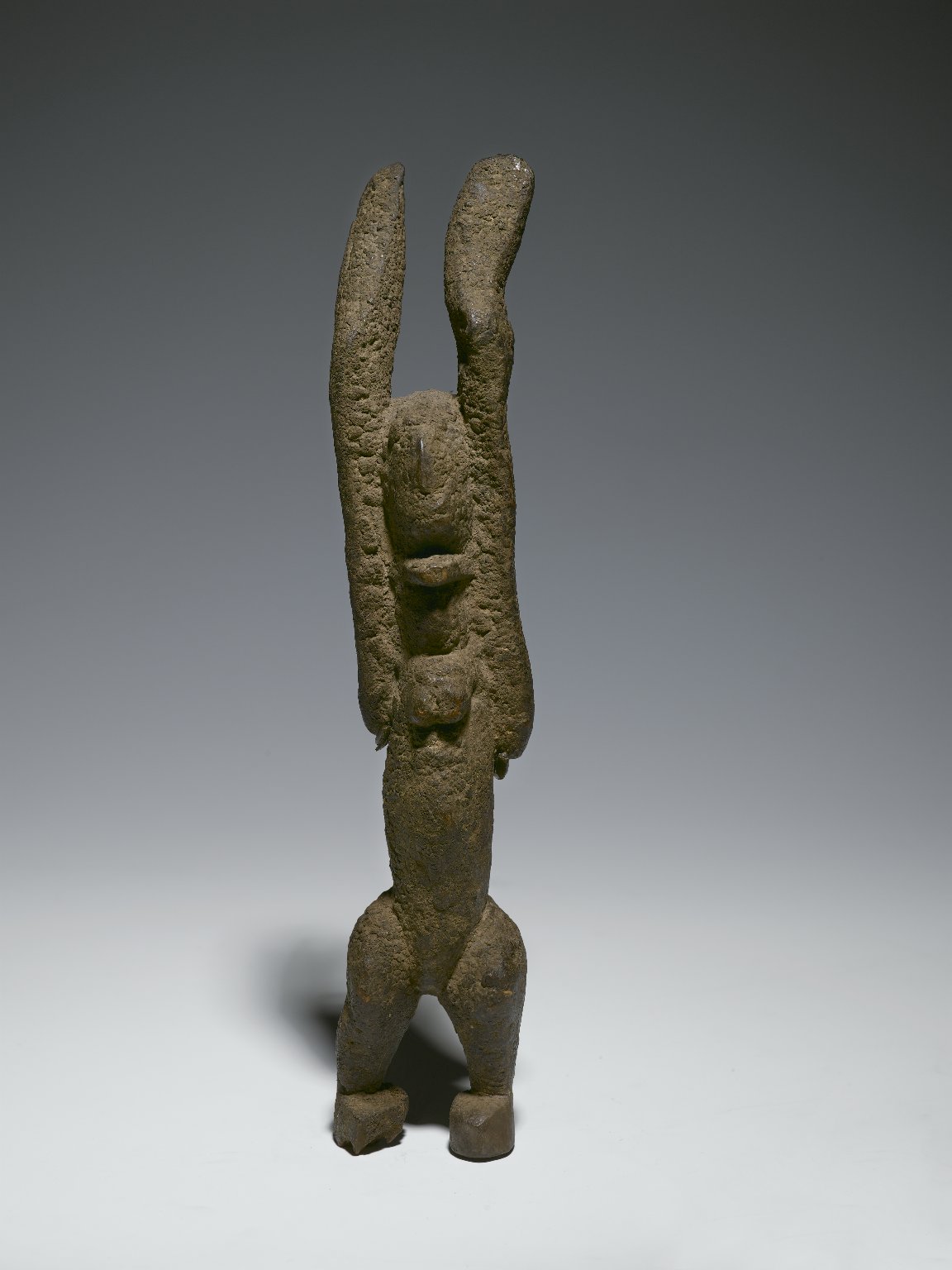 🇲🇱 MaliDogon religion
The traditional spiritual beliefs of the Dogon people of MaliTradition · Protection · Speaking with spirits and the dead Living
🇳🇿 New Zealand and 5 moreTapu
A Polynesian concept of sacred restriction and spiritual prohibitionTradition · Protection · Speaking with spirits and the dead Living
🇲🇱 MaliDogon religion
The traditional spiritual beliefs of the Dogon people of MaliTradition · Protection · Speaking with spirits and the dead Living
🇳🇿 New Zealand and 5 moreTapu
A Polynesian concept of sacred restriction and spiritual prohibitionTradition · Protection · Speaking with spirits and the dead Living
 🇯🇵 JapanOmamori御守/お守り
Japanese amulets from shrines and temples for luck and protectionCharm · Protection · Luck and prosperity Living
🇬🇧 United KingdomEvil eye bead (sample)Nazar boncuğu
A blue glass bead hung to turn aside envy.Charm · Protection Living
🇯🇵 JapanOmamori御守/お守り
Japanese amulets from shrines and temples for luck and protectionCharm · Protection · Luck and prosperity Living
🇬🇧 United KingdomEvil eye bead (sample)Nazar boncuğu
A blue glass bead hung to turn aside envy.Charm · Protection Living
 🇮🇹 Italy and 2 moreBulla
A round Roman amulet given to freeborn boys as a mark of status and protectionCharm · Protection · Luck and prosperity Historical
🇮🇹 Italy and 2 moreBulla
A round Roman amulet given to freeborn boys as a mark of status and protectionCharm · Protection · Luck and prosperity Historical
 🇯🇵 JapanSaruboboさるぼぼ
A faceless red doll from Japan, given as a charm for family and fortuneCharm · Luck and prosperity · Protection Living
🇯🇵 JapanSaruboboさるぼぼ
A faceless red doll from Japan, given as a charm for family and fortuneCharm · Luck and prosperity · Protection Living
 🇱🇦 Laos and 3 moreTai folk religionສາສະໜາຜີ
Spirits, ancestor rites, and soul-calling ceremonies of the Tai peoplesTradition · Protection · Healing Living
🇱🇦 Laos and 3 moreTai folk religionສາສະໜາຜີ
Spirits, ancestor rites, and soul-calling ceremonies of the Tai peoplesTradition · Protection · Healing Living
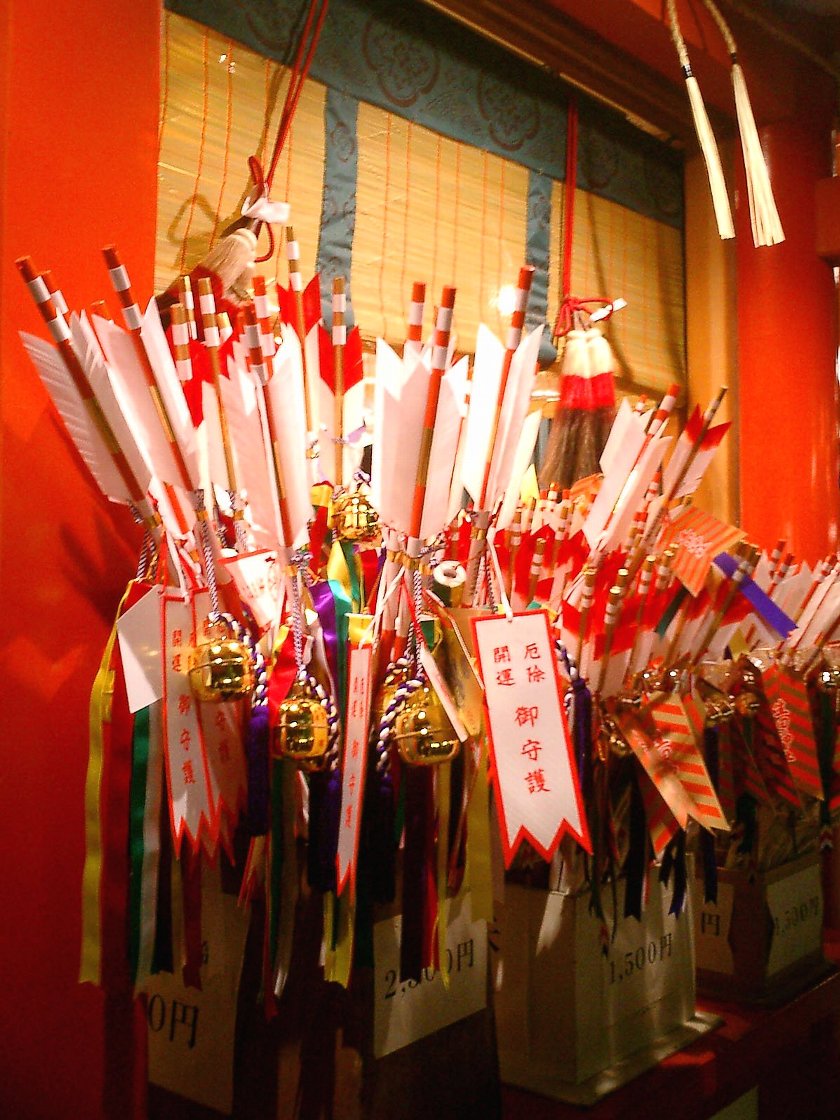 🇯🇵 JapanHamaya破魔矢
A blunt arrow given at shrines to ward off evil and secure good luck for the new yearCharm · Protection · Luck and prosperity Living
🇯🇵 JapanHamaya破魔矢
A blunt arrow given at shrines to ward off evil and secure good luck for the new yearCharm · Protection · Luck and prosperity Living
 🇮🇹 ItalySanctuary of Fortuna Primigenia
A vast Roman sanctuary complex in Palestrina that housed an oracle and a temple to the goddess of fate.Tradition · Seeing and foretelling · Protection Historical
🇮🇹 ItalySanctuary of Fortuna Primigenia
A vast Roman sanctuary complex in Palestrina that housed an oracle and a temple to the goddess of fate.Tradition · Seeing and foretelling · Protection Historical
 🇨🇳 China and 2 moreCoin-sword辟邪劍 (bì xié jiàn)
A Chinese numismatic talisman made of cash coins strung on a rod to ward off evil spiritsCharm · Protection Living
🇪🇬 Egypt and 5 moreAmulet
A portable object worn or carried to ward off harm and invite protection.Charm · Protection · Healing Living
🇨🇳 China and 2 moreCoin-sword辟邪劍 (bì xié jiàn)
A Chinese numismatic talisman made of cash coins strung on a rod to ward off evil spiritsCharm · Protection Living
🇪🇬 Egypt and 5 moreAmulet
A portable object worn or carried to ward off harm and invite protection.Charm · Protection · Healing Living
 🇬🇷 Greece and 1 moreOomancy
Divination by eggs, reading shapes and signs to foresee events or diagnose spiritual statesOracle · Seeing and foretelling · Healing Living
🇬🇷 Greece and 1 moreOomancy
Divination by eggs, reading shapes and signs to foresee events or diagnose spiritual statesOracle · Seeing and foretelling · Healing Living
 🇬🇧 United Kingdom and 1 moreBirthing girdle
A medieval charm worn during pregnancy to ensure a safe deliveryCharm · Protection Historical
🇬🇧 United Kingdom and 1 moreBirthing girdle
A medieval charm worn during pregnancy to ensure a safe deliveryCharm · Protection Historical
 🇨🇳 China and 1 moreLock charms家锁 / 锁片 (jiā suǒ / suǒ piàn)
A Chinese metal pendant shaped like a lock to protect children from harm and death.Charm · Protection · Luck and prosperity Historical
🇮🇱 IsraelSegulaסגולה
A Jewish charm or ritual believed to bring protection, healing, or blessings.Charm · Protection · Healing Living
🇨🇳 China and 1 moreLock charms家锁 / 锁片 (jiā suǒ / suǒ piàn)
A Chinese metal pendant shaped like a lock to protect children from harm and death.Charm · Protection · Luck and prosperity Historical
🇮🇱 IsraelSegulaסגולה
A Jewish charm or ritual believed to bring protection, healing, or blessings.Charm · Protection · Healing Living
 🇺🇸 United States and 4 moreTooth fairy
A childhood figure who exchanges lost baby teeth for gifts or coins.Figure · Luck and prosperity Living
🇺🇸 United States and 4 moreTooth fairy
A childhood figure who exchanges lost baby teeth for gifts or coins.Figure · Luck and prosperity Living
 🇯🇵 Japan and 4 moreHousehold deity
A spirit or minor god believed to guard a home and its family members.Being · Protection · Speaking with spirits and the dead Historical
🇯🇵 Japan and 4 moreHousehold deity
A spirit or minor god believed to guard a home and its family members.Being · Protection · Speaking with spirits and the dead Historical
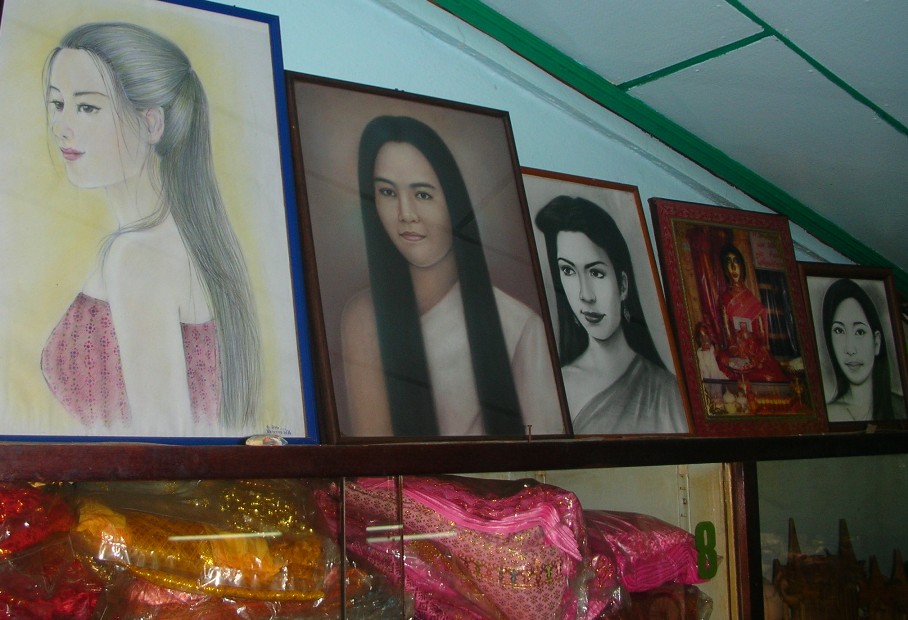 🇹🇭 ThailandMae Nak Phra Khanongแม่นากพระโขนง
A Thai ghost of a woman who died in childbirth and her shrine for protection and fertilityBeing · Protection · Healing Living
🇹🇭 ThailandMae Nak Phra Khanongแม่นากพระโขนง
A Thai ghost of a woman who died in childbirth and her shrine for protection and fertilityBeing · Protection · Healing Living
 🇬🇷 GreeceGelloΓελλώ
A Greek demon of infancy and a class of beings blamed for infant death.Being · Cursing and harm · Protection Historical
🇬🇷 GreeceGelloΓελλώ
A Greek demon of infancy and a class of beings blamed for infant death.Being · Cursing and harm · Protection Historical
 🇫🇷 FranceMargot the fairy
Earthly fairies of Brittany known for dancing, building monuments, and testing human guests.Being · Luck and prosperity · Cursing and harm Historical
🇫🇷 FranceMargot the fairy
Earthly fairies of Brittany known for dancing, building monuments, and testing human guests.Being · Luck and prosperity · Cursing and harm Historical
 🇨🇳 ChinaSuperstition in China
A broad category for folk beliefs and rituals dismissed as backward by modern Chinese authoritiesBelief · Protection · Luck and prosperity Living
🇵🇬 Papua New GuineaBaloma
Spirits of departed kin who, Trobrianders hold, place each new child in the wombBeing · Love and attraction Living
🇨🇳 ChinaSuperstition in China
A broad category for folk beliefs and rituals dismissed as backward by modern Chinese authoritiesBelief · Protection · Luck and prosperity Living
🇵🇬 Papua New GuineaBaloma
Spirits of departed kin who, Trobrianders hold, place each new child in the wombBeing · Love and attraction Living
 🇿🇦 South Africa and 1 moreSacred caves of the Basotho
Cave networks in South Africa and Lesotho used by the Basotho for ancestral rituals and healingTradition · Healing · Protection Living
🇯🇵 JapanHōko這子
A Japanese soft doll used as a protective talisman for mothers and childrenCharm · Protection Historical
🇿🇦 South Africa and 1 moreSacred caves of the Basotho
Cave networks in South Africa and Lesotho used by the Basotho for ancestral rituals and healingTradition · Healing · Protection Living
🇯🇵 JapanHōko這子
A Japanese soft doll used as a protective talisman for mothers and childrenCharm · Protection Historical
 🇲🇽 Mexico and 1 moreGod's eyeOjo de Dios
A woven yarn cross believed to grant spiritual sight and protectionCharm · Protection · Speaking with spirits and the dead Living
🇲🇽 Mexico and 1 moreGod's eyeOjo de Dios
A woven yarn cross believed to grant spiritual sight and protectionCharm · Protection · Speaking with spirits and the dead Living
 🇹🇭 ThailandPla taphianปลาตะเพียนสาน
A woven palm leaf fish mobile hung as a blessing for health and plentyCharm · Protection · Luck and prosperity Living
🇹🇭 ThailandPla taphianปลาตะเพียนสาน
A woven palm leaf fish mobile hung as a blessing for health and plentyCharm · Protection · Luck and prosperity Living
 🇮🇳 India and 5 moreLock of hair
A piece of human hair kept for symbolic, sentimental, or superstitious reasons.Substance · Protection · Luck and prosperity Living
🇮🇳 India and 5 moreLock of hair
A piece of human hair kept for symbolic, sentimental, or superstitious reasons.Substance · Protection · Luck and prosperity Living
Photo credits on this page
The small pictures above come from Wikimedia Commons under free licences. Some are cropped to fit.
- Rabisu: editor Austen Henry Layard , drawing by L. Gruner, Public domain, source
- Sarubobo: Unknown author, CC BY-SA 3.0, source
- Fortuna: Charles Samuel, CC BY-SA 4.0, source
- Birthing girdle: Sarah Fiddyment , Natalie J. Goodison , Elma Brenner , Stefania Signor, CC BY 4.0, source
- Sanctuary of Fortuna Primigenia: MM, CC BY-SA 3.0, source
- Amulet: Anonymous ( Egypt ) Unknown author, Public domain, source
- Bulla: Anonymous ( Category:Etruscans ) Unknown author, Public domain, source
- Tai folk religion: ( เทวประภาส มากคล้าย ), Tevaprapas, Public domain, source
- Amniomancy: JC Brand, CC BY-SA 4.0, source
- Changeling: Henry Fuseli, Public domain, source
- Oomancy: Rollcloud, CC BY 3.0, source
- Hamaya: Tomomarusan, CC BY 2.5, source
- Nazar battu: Wiki-uk, CC BY-SA 3.0, source
- Kami: Bernard Gagnon, CC BY-SA 3.0, source
- Hopi mythology: Sailko, CC BY 3.0, source
- Folklore of Romania: TwoWings, CC BY-SA 3.0, source
- Ukrainian folklore: U.S. Army Europe Images, CC BY 2.0, source
- Czech folklore: Biser Todorov, CC BY-SA 4.0, source
- Dogon religion: Unknown author, CC BY 3.0, source
- Omamori: Leongboy1, Public domain, source
- Fern flower: Antoni Piotrowski, Public domain, source
- Tooth fairy: Eden, CC BY 2.0, source
- Mae Nak Phra Khanong: Xufanc, CC BY-SA 3.0, source
- Gello: Filippino Lippi, Public domain, source
- Sacred caves of the Basotho: JMK, CC BY-SA 3.0, source
- Turkish folklore: Biser Todorov, CC BY-SA 4.0, source
- Smoking ceremony: Shillings1005, CC BY-SA 4.0, source
- Coin-sword: Etnografiska museet, CC BY 2.5, source
- Superstition in China: Gary Todd, CC0, source
- Lock of hair: Unknown author, CC0, source
- Maasai religion: Dr. Ondřej Havelka (cestovatel), CC BY 4.0, source
- God's eye: Douglas P. Perkins, CC BY-SA 3.0, source
- Ojibwe religion: Ryan Hodnett, CC BY-SA 4.0, source
- Domovoy: Ivan Bilibin, Public domain, source
- Lock charms: Scott Semans World Coins (CoinCoin.com)., CC BY 3.0, source
- Household deity: Claus Ableiter, CC BY-SA 3.0, source
- Penjor: Chainwit., CC BY-SA 4.0, source
- Bonfire: S Marshall, CC BY 3.0, source
- Pla taphian: Mr.Peerapong Prasutr, CC BY-SA 4.0, source