Households and ordinary people
Grandmothers, parents and neighbours doing the small things: the knot, the salt, the red thread.
Households and ordinary people do most of the world's magic: the grandmother who ties a thread on a baby's wrist, the neighbour who throws salt, the shopkeeper who hangs a lemon and chillies, the family that burns incense before a photograph. These people are not specialists and often do not call it magic. This page looks at the domestic side of the subject, which is the commonest and least written about.
Everyday customs
Household practice is woven into daily life: sweeping at new year, a bead on a cradle, a horseshoe over a door, a charm in a car. It tends to be practical, brief and handed down within the family. Many people say they do it because their mother did, or to be safe. It rarely needs a priest, a text or a fee. The hands that do it are those of mothers and grandmothers, who also cook, clean and care, so the magic is part of the labour of the home.
Women and the home
Women are the principal keepers of household custom in many societies, as mothers, grandmothers and aunts. Their knowledge covers birth, child care, food, illness, marriage and death. That knowledge is often undervalued by the formal religion and by scholars, and was also the source of accusations in the witch trials, in which women who were midwives or healers were prominent. A household custom is learned by watching and may never be explained, since the practitioner does not see it as special.
Faith and the home
Religious leaders have seen household custom as faith, as superstition or as a nuisance. Reformers in Protestant Europe, Salafi Islam and some Hindu and Buddhist movements have told people to give up such practices. Many people keep them regardless. In the diaspora, the home customs are sometimes the part of heritage that lasts longest, and are carried to new countries in suitcases. In cities, small shrines, protective charms and everyday rituals often survive in apartments, taxis and shops.
Why scholars care
Anthropologists of everyday religion and folklorists record these customs as evidence of how people manage risk. They show how belief and practice differ, since people may say they do not believe and still knock on wood. Household magic is also the easiest to commercialise, in shops selling charms and kits that detach customs from their homes. A new student or visitor may find that families who say they do not believe still follow such customs carefully, and this gap is one of the more interesting findings.
Households and ordinary people on EveryJaadu
The entries written up so far, best known first.
 🇨🇳 China and 1 moreDongyue Dadi東嶽大帝
The Chinese mountain god of Mount Tai who rules lifespans and underworld recordsBeing · Speaking with spirits and the dead · Power and authority Living
🇨🇳 China and 1 moreDongyue Dadi東嶽大帝
The Chinese mountain god of Mount Tai who rules lifespans and underworld recordsBeing · Speaking with spirits and the dead · Power and authority Living
 🇻🇺 VanuatuJohn Frum
A Melanesian cargo cult figure on Tanna Island who promises wealth and the return of American supplies.Figure · Luck and prosperity · Power and authority Living
🇻🇺 VanuatuJohn Frum
A Melanesian cargo cult figure on Tanna Island who promises wealth and the return of American supplies.Figure · Luck and prosperity · Power and authority Living
 🇮🇹 ItalyBefana
An Italian witch-like figure who delivers gifts on Epiphany EveFigure · Luck and prosperity · Wonder and entertainment Living
🇮🇹 ItalyBefana
An Italian witch-like figure who delivers gifts on Epiphany EveFigure · Luck and prosperity · Wonder and entertainment Living
 🇨🇳 ChinaPixiu貔貅
A winged Chinese creature that guards wealth and wards off evil spiritsFigure · Protection · Luck and prosperity Living
🇨🇳 ChinaPixiu貔貅
A winged Chinese creature that guards wealth and wards off evil spiritsFigure · Protection · Luck and prosperity Living
 🇩🇪 Germany and 5 moreKrampus
A horned Alpine figure who punishes misbehaving children on KrampusnachtFigure · Cursing and harm Living
🇩🇪 Germany and 5 moreKrampus
A horned Alpine figure who punishes misbehaving children on KrampusnachtFigure · Cursing and harm Living
 🇨🇳 China and 2 moreEight Immortals八仙
Eight legendary Taoist figures of China, each with a power and a vesselFigure · Protection · Healing Living
🇨🇳 China and 2 moreEight Immortals八仙
Eight legendary Taoist figures of China, each with a power and a vesselFigure · Protection · Healing Living
 🇵🇹 Portugal and 5 moreCocoCoca
A monster used to frighten children into obedience across the Iberian world and Latin America.Figure · Cursing and harm · Binding and oaths Living
🇵🇹 Portugal and 5 moreCocoCoca
A monster used to frighten children into obedience across the Iberian world and Latin America.Figure · Cursing and harm · Binding and oaths Living
 🇮🇹 Italy and 5 moreBogeyman
A mythical creature used across cultures to frighten children into obedienceFigure · Cursing and harm Living
🇮🇹 Italy and 5 moreBogeyman
A mythical creature used across cultures to frighten children into obedienceFigure · Cursing and harm Living
 🇧🇷 BrazilThe Hairy LegPerna cabeluda
A Brazilian urban legend of a detached leg that attacks people at nightFigure · Cursing and harm · Wonder and entertainment Historical
🇧🇷 BrazilThe Hairy LegPerna cabeluda
A Brazilian urban legend of a detached leg that attacks people at nightFigure · Cursing and harm · Wonder and entertainment Historical
 🇺🇸 United States and 4 moreTooth fairy
A childhood figure who exchanges lost baby teeth for gifts or coins.Figure · Luck and prosperity Living
🇺🇸 United States and 4 moreTooth fairy
A childhood figure who exchanges lost baby teeth for gifts or coins.Figure · Luck and prosperity Living
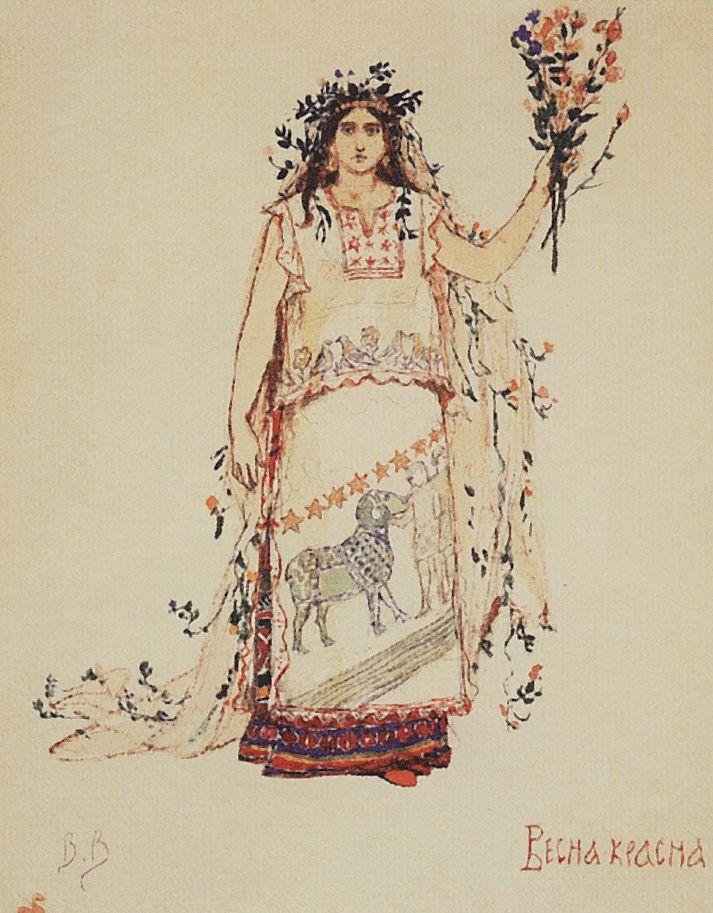 🇸🇮 Slovenia and 5 moreVesnaВесна
A Slavic personification of spring and youth, known in myth and languageFigure · Luck and prosperity Historical
🇸🇮 Slovenia and 5 moreVesnaВесна
A Slavic personification of spring and youth, known in myth and languageFigure · Luck and prosperity Historical
 🇷🇺 Russia and 7 moreOgnyena MariaОгнена Марија
A Slavic fire goddess linked to lightning, rain, and seasonal fire bansFigure · Protection · Healing Living
🇫🇷 FranceTempestarii
Medieval figures accused of controlling storms and the beliefs surrounding them.Belief · Cursing and harm · Protection Historical
🇷🇺 Russia and 7 moreOgnyena MariaОгнена Марија
A Slavic fire goddess linked to lightning, rain, and seasonal fire bansFigure · Protection · Healing Living
🇫🇷 FranceTempestarii
Medieval figures accused of controlling storms and the beliefs surrounding them.Belief · Cursing and harm · Protection Historical
 🇨🇳 ChinaDragon turtle龍龜 (Lóngguī)
A Chinese mythic creature with a dragon body and turtle shell, used as a Feng Shui charm.Figure · Luck and prosperity · Power and authority Living
🇨🇳 ChinaDragon turtle龍龜 (Lóngguī)
A Chinese mythic creature with a dragon body and turtle shell, used as a Feng Shui charm.Figure · Luck and prosperity · Power and authority Living
 🇵🇱 Poland and 4 moreMoranaМорена
A Slavic goddess of winter and death, whose effigy is drowned to welcome springFigure · Cursing and harm · Power and authority Living
🇯🇵 JapanChīsai-ojisan小さいおじさん
A tiny Japanese cryptid said to bring luck when spotted in everyday placesFigure · Luck and prosperity Living
🇮🇳 IndiaTarakeshwaraतारकेश्वर (Tārakeśvara)
A form of Shiva who guides souls to liberation through sacred mantrasFigure · Speaking with spirits and the dead · Change and initiation Living
🇵🇱 Poland and 4 moreMoranaМорена
A Slavic goddess of winter and death, whose effigy is drowned to welcome springFigure · Cursing and harm · Power and authority Living
🇯🇵 JapanChīsai-ojisan小さいおじさん
A tiny Japanese cryptid said to bring luck when spotted in everyday placesFigure · Luck and prosperity Living
🇮🇳 IndiaTarakeshwaraतारकेश्वर (Tārakeśvara)
A form of Shiva who guides souls to liberation through sacred mantrasFigure · Speaking with spirits and the dead · Change and initiation Living
 🇷🇴 Romania and 2 moreCaloian
A Romanian clay effigy ritual for rain and fertility, featuring a mock funeralRite · Luck and prosperity Fading
🇷🇴 Romania and 2 moreCaloian
A Romanian clay effigy ritual for rain and fertility, featuring a mock funeralRite · Luck and prosperity Fading
 🇨🇳 China and 1 moreMoney tree搖錢樹
A mythical tree of fortune and a Chinese New Year custom for wealthFigure · Luck and prosperity · Power and authority Living
🇨🇳 China and 1 moreMoney tree搖錢樹
A mythical tree of fortune and a Chinese New Year custom for wealthFigure · Luck and prosperity · Power and authority Living
Photo credits on this page
The small pictures above come from Wikimedia Commons under free licences. Some are cropped to fit.
- Ognyena Maria: Unknown author, Public domain, source
- Krampus: Naturpuur, CC BY-SA 4.0, source
- Eight Immortals: Fanghong, CC BY-SA 3.0, source
- Coco: Francisco de Goya, CC0, source
- Bogeyman: Francisco Goya, Public domain, source
- John Frum: Tim Ross, CC BY 3.0, source
- Befana: El Ágora, Public domain, source
- The Hairy Leg: Diógenes Montenegro, Public domain, source
- Pixiu: Sol lc, CC BY-SA 4.0, source
- Dongyue Dadi: H2v5o68z, CC0, source
- Tooth fairy: Eden, CC BY 2.0, source
- Vesna: Viktor Vasnetsov, Public domain, source
- Dragon turtle: Jonathan O'Donnell, CC BY 2.0, source
- Morana: Marta Malina Moraczewska, CC BY-SA 4.0, source
- Caloian: Costică Acsinte Archive, No restrictions, source
- Money tree: Pratyeka, CC BY-SA 4.0, source