
Nat
In its own language: နတ်
from Burmese နတ်, meaning spirit or deity
Spirits venerated in Myanmar alongside Buddhism, including deified humans and nature guardians.
The nats are spirits worshipped in Myanmar. They include deified humans and nature entities. King Anawrahta formalized a list of thirty-seven major nats to integrate them with Theravada Buddhism.
- Thirty-seven Great Nats were formalized by King Anawrahta.
- Mediums called nat kadaw embody spirits during festivals.
- Mount Popa is a major pilgrimage site for nat worship.
- Nature spirits deter indiscriminate felling of large trees.
- Trans women have increasingly become nat kadaw since the 1980s.
What it is
The nats are a class of spirits in Myanmar. People venerate them alongside Buddhism. The group includes nature entities and deified humans. Most major nats were people who died violently. They act as guardians for villages and homes. Worship involves offerings and festivals. The practice blends older animist beliefs with Buddhist structures.
Where it comes from
King Anawrahta created an official list of thirty-seven Great Nats. He did this to help convert people to Theravada Buddhism. He placed nats in temples to attract followers. This move established Bamar cultural supremacy. The worship predates the arrival of Buddhism in the region.
How it is done
Festivals called nat pwè involve music and dance. A hsaing waing orchestra plays wild beats. Mediums known as nat kadaw enter trances. They embody the spirits during the ceremony. Villagers drink palm wine and dance. Offerings like coconuts and perfume are left at shrines. Personal guardian nats are inherited from parents.
Tools and materials
Shrines called nat kun mark village boundaries. Houses often display a coconut on a corner. Perfume serves as a daily offering. The hsaing waing provides musical accompaniment. Palm wine is consumed during rituals. These items facilitate communication with the spirits.
Nat, drawn and placed
- Living
- Revived
- Fading
- Historical
- Legendary
- Performed
- Lineage
- Theravada Buddhist syncretism
- Timing
- full moon days and annual festivals
What it is for
People seek protection from village and house nats. Nature spirits deter environmental destruction. Individuals consult mediums for guidance. The rituals address human flaws and desires. Worshippers ask for safety and prosperity. The practice maintains local community bonds.
Who does it
Mediums called nat kadaw lead ceremonies. The role was traditionally hereditary. Mothers passed the duty to daughters. Men rarely held the position until the 1980s. Trans women have increasingly taken these roles. Household members maintain personal shrines. Rural communities preserve the oldest forms.
Peoples and places
The Bamar people practice the most developed rituals. Ethnic minorities also maintain these traditions. Urban worship differs from rural customs. City dwellers hold nat kannah festivals. These urban events serve migrants from villages. The thirty-seven Great Nats form a central pantheon.
At a glance: who, where and when
Who does it
Belief worlds
Occasions


What people believe
Nats possess human-like flaws and desires. They are not perfect beings. Some desires conflict with Buddhist morals. Spirits inhabit trees, water, and mountains. Tree spirits are called Yokkaso. Guardian spirits protect specific locations. The spirits require respect and offerings.
When it is done
Festivals occur on full moon days. The month of Natdaw features Mount Popa celebrations. August marks the Taungbyone festival. Events honor specific nats and their families. Daily offerings maintain household connections. Life events may trigger specific rituals.
How scholars and sceptics see it
Academics debate the merger of Buddhism and spirit worship. Some see them as separate systems. Others view them as a single religion. Globalization has reduced the practice's importance. Historians link the thirty-seven list to political unification. The formalization reinforced Burman dominance.
Cautions and what is closed
Cutting large trees risks offending tree spirits. Believers fear retribution from nature nats. The practice is closed to some outsiders. Mediumship requires specific lineage or selection. Urban commercialization changes traditional forms. Misunderstandings can arise between Buddhists and spirit worshippers.
Compare and confuse
The practice resembles sainthood in Christianity. Deified humans occupy similar roles. Other Southeast Asian cultures have spirit traditions. Animism underlies many regional religions. The thirty-seven list is unique to Myanmar. Syncretism with Buddhism distinguishes it from pure animism.
Law and persecution
The government recognizes Buddhism as the state religion. Spirit worship faces no legal ban. It exists within the broader religious landscape. Colonial history influenced its perception. Modern laws do not restrict public festivals. Cultural preservation efforts support the tradition.
Today
Diaspora communities maintain nat worship abroad. Urban festivals adapt to city life. Commerce influences the sale of ritual items. Younger generations engage differently with the tradition. Media and documentaries highlight the culture. The practice remains a vital part of Myanmar's identity.
Questions people ask about Nat
What are the nats?
The nats are spirits venerated in Myanmar. They include nature entities and deified humans. Worship occurs alongside Theravada Buddhism. The practice blends animism with Buddhist structures.
Who are the Great Nats?
The Great Nats are thirty-seven major spirits. King Anawrahta formalized this list. Most were humans who died violently. They serve as tutelary deities for regions.
How are nats worshipped?
Worship involves festivals called nat pwè. Mediums enter trances to embody spirits. Offerings of food and drink are made. Shrines mark village and home boundaries.
Where is nat worship practiced?
It is practiced throughout Myanmar. The Bamar people maintain the strongest traditions. Urban and rural practices differ slightly. Pilgrimages go to sites like Mount Popa.
Good reading and sources
- Nat (deity) on WikipediaEncyclopedia
- More photos on Wikimedia CommonsPhotos and video
- Wikidata recordOpen data
The facts on this page come from the Wikipedia article "Nat (deity)", written by its contributors and used under the CC BY-SA 4.0 licence, and from its Wikidata record (CC0). EveryJaadu rewrote the text in its own words, with AI assistance, and compares every page with the article to make sure no passage is copied. It may be reused under the same CC BY-SA 4.0 licence with a link back.
It may contain mistakes. Names and customs differ from one community to the next, and some knowledge is closed to outsiders and left out here. This page describes belief and practice. It does not say that any of it works, it is not a how-to, and it is not medical advice. If something is wrong, tell us. Last refreshed 2026-10-06.
More from Myanmar
All the entries from Myanmar 🇲🇲 MyanmarWeizzaဝိဇ္ဇာ
Burmese mystics who seek immortality and await the future BuddhaTradition · Protection · Healing Living
🇲🇲 MyanmarWeizzaဝိဇ္ဇာ
Burmese mystics who seek immortality and await the future BuddhaTradition · Protection · Healing Living
 🇲🇲 Myanmar and 2 moreBurmese zodiacဇာတာ ရာသီခွင်
A traditional Burmese system of astronomy and astrology with lunar mansions and weekday signs.Tradition · Seeing and foretelling · Luck and prosperity Living
🇲🇲 Myanmar and 2 moreBurmese zodiacဇာတာ ရာသီခွင်
A traditional Burmese system of astronomy and astrology with lunar mansions and weekday signs.Tradition · Seeing and foretelling · Luck and prosperity Living
 🇰🇭 Cambodia and 3 moreSak Yantសាក់យ័ន្ត
A Southeast Asian tattoo tradition using sacred geometry for protection and powerTradition · Protection · Luck and prosperity Living
🇰🇭 Cambodia and 3 moreSak Yantសាក់យ័ន្ត
A Southeast Asian tattoo tradition using sacred geometry for protection and powerTradition · Protection · Luck and prosperity Living
 🇲🇲 MyanmarBurmese folk religionNat Worship
Animistic worship of nature spirits and ancestors in Myanmar, often practiced alongside Buddhism.Tradition · Protection · Luck and prosperity Living
🇲🇲 MyanmarBurmese folk religionNat Worship
Animistic worship of nature spirits and ancestors in Myanmar, often practiced alongside Buddhism.Tradition · Protection · Luck and prosperity Living
Related elsewhere
All tradition 🇪🇸 Spain and 5 moreSt John's Eve
A Christian vigil marked by bonfires and plant gathering on the summer solstice eveRite · Protection · Speaking with spirits and the dead Living
🇪🇸 Spain and 5 moreSt John's Eve
A Christian vigil marked by bonfires and plant gathering on the summer solstice eveRite · Protection · Speaking with spirits and the dead Living
 🇮🇳 India and 2 moreHomaहोम
A fire ritual found across Asian religions where offerings are burned as a votive exchange with the divine.Rite · Protection · Speaking with spirits and the dead Living
🇮🇳 India and 2 moreHomaहोम
A fire ritual found across Asian religions where offerings are burned as a votive exchange with the divine.Rite · Protection · Speaking with spirits and the dead Living
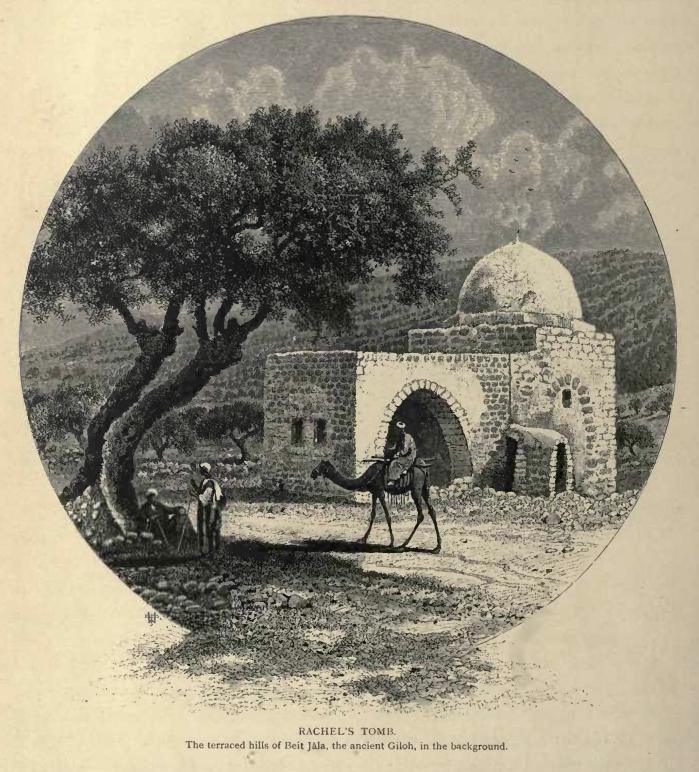 🇵🇸 Palestine and 1 moreRachel's TombQever Raḥel; Qabr Rāḥīl
A shared holy site near Bethlehem revered by Jews, Christians, and MuslimsTradition · Speaking with spirits and the dead · Protection Living
🇳🇿 New ZealandKarakia
Māori recitations used for spiritual guidance, protection, and formal greetingsTradition · Protection · Speaking with spirits and the dead Living
🇵🇸 Palestine and 1 moreRachel's TombQever Raḥel; Qabr Rāḥīl
A shared holy site near Bethlehem revered by Jews, Christians, and MuslimsTradition · Speaking with spirits and the dead · Protection Living
🇳🇿 New ZealandKarakia
Māori recitations used for spiritual guidance, protection, and formal greetingsTradition · Protection · Speaking with spirits and the dead Living