Speaking with spirits and the dead
Mediumship, ancestor rites, possession and the offerings made to the unseen.
Speaking with spirits and the dead is the aim of mediumship, ancestor rites, possession and necromancy. It runs from the spirit mediums of Korea and Brazil to Vodou possession, Chinese ancestor offerings, the Mexican Day of the Dead, Victorian spiritualism and the Witch of Endor of the Bible. It is a central practice in some living religions and a frequent target of fraud in others. This page covers who speaks to the dead and how they are judged.
Ways of contact
Methods differ. In possession, a spirit or deity is said to speak through the body of a medium, as in Vodou, Candomblé, Haitian and Brazilian rites, and in Korean gut. In trance or dream, a shaman travels to the spirit world. In offerings and festivals, families feed and talk to ancestors, as in the Hungry Ghost month in China and the ofrenda in Mexico. Spiritualism added the seance and the table-rapping of the 1840s.
Who may
In many societies, women lead: Korean mudang, Okinawan yuta, Brazilian mães de santo and the Western spiritualist mediums of the nineteenth century, who found in mediumship a public role denied elsewhere. Elsewhere, the role is for elders and ancestors' descendants. Some traditions require initiation, and some say contact with the dead is not for outsiders to attempt. Spirits and ancestors are not always friendly: mediums report angry, hungry or lost beings, and rites exist for settling them, such as offerings for neglected ancestors in China and Vietnam.
Authority and fear
Religions disagree. Christianity, Judaism and Islam each forbid certain contact with the dead while honouring prayer for them. Spiritist movements around Kardec in Brazil and France treat communication as a doctrine. Colonial authorities banned possession cults in many places, often labelling them devil worship, and some Pentecostal churches today condemn them in the same terms. The rites are widely found in Africa too, where ancestors are consulted at the family shrine and are held to watch over the living.
Fraud, grief and study
Grieving people are vulnerable. Fraudulent mediums, from the Fox sisters, who confessed in 1888, to modern cold readers, have taken money by exploiting loss. Researchers point to cold reading and to the ideomotor effect behind the Ouija board. Many bereaved people also report real comfort from rites that keep a bond with the dead, and counsellors acknowledge that continuing bonds are common. Doctors and psychologists note that a grief reaction can include hearing or sensing the dead, which is common and not in itself a sign of illness.
Speaking with spirits and the dead on EveryJaadu
The entries written up so far, best known first.
 🇫🇷 FranceThree Books of Occult PhilosophyDe occulta philosophia libri III
A Renaissance treatise on elemental, celestial, and divine magic by Heinrich Cornelius AgrippaText · Healing · Protection Historical
 🇮🇹 Italy and 3 moreRenaissance magic
A 15th and 16th century revival of magical arts blending philosophy, astrology, and hidden knowledge.Tradition · Power and authority · Seeing and foretelling Historical
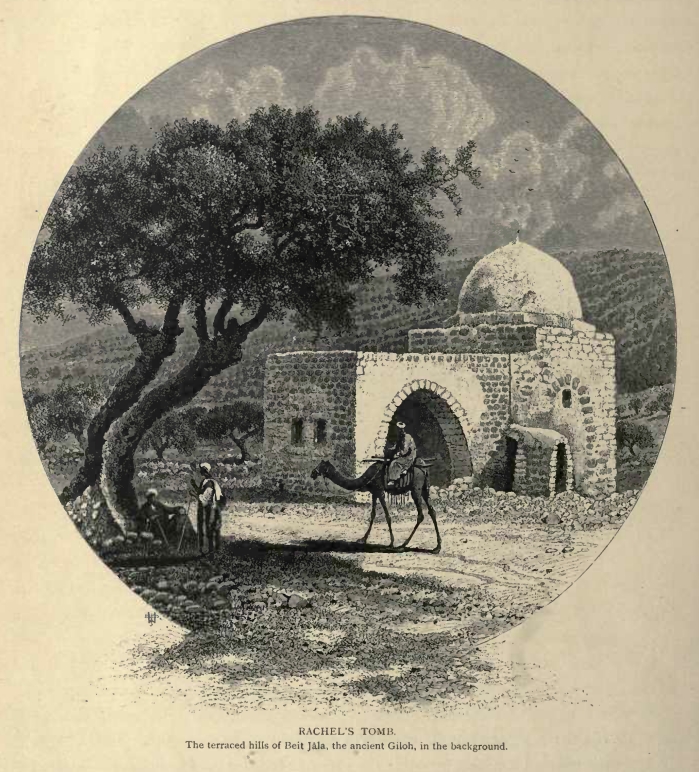 🇵🇸 Palestine and 1 moreRachel's TombQever Raḥel / Qabr Rāḥīl
A shared holy site in Bethlehem revered by Jews, Christians, and Muslims.Tradition · Speaking with spirits and the dead · Protection Living
 🇦🇺 AustraliaSmoking ceremony
A ritual using herbal smoke for cleansing and welcoming among Aboriginal AustraliansRite · Cleansing and purification · Speaking with spirits and the dead Living
 🇯🇵 JapanShinto shrine神社 (jinja)
A structure in Japan that houses kami, the deities of ShintoTradition · Speaking with spirits and the dead · Protection Living
 🇳🇬 Nigeria and 2 moreEshuÈṣù
A Yoruba spirit of crossroads, messengers and the balance between joy and sorrowBeing · Speaking with spirits and the dead · Protection Living
 🇰🇪 Kenya and 1 moreMaasai religion
The spiritual beliefs of the semi-nomadic Maasai people of East AfricaTradition · Protection · Healing Living
🇳🇿 New Zealand and 5 moreTapu
A Polynesian concept of sacred restriction and spiritual prohibitionTradition · Protection · Speaking with spirits and the dead Living
 🇨🇳 China and 5 moreGhost FestivalZhongyuan Jie (中元节)
A festival for appeasing wandering spirits and honoring ancestors in East and Southeast AsiaRite · Speaking with spirits and the dead · Protection Living
🇳🇿 New ZealandKarakia
Māori recitations used for spiritual guidance, protection, and formal greetingsTradition · Protection · Speaking with spirits and the dead Living
 🇯🇵 JapanKami神
Spirits and deities of Shinto, found in nature, ancestors, and placesBeing · Protection · Luck and prosperity Living
 🇲🇽 Mexico and 5 moreDay of the DeadDía de los Muertos
A Mexican holiday honoring the dead with altars, food, and humor during Allhallowtide.Tradition · Speaking with spirits and the dead · Luck and prosperity Living
 🇨🇳 China and 1 moreDongyue Dadi東嶽大帝
The Chinese mountain god of Mount Tai who rules lifespans and underworld recordsBeing · Speaking with spirits and the dead · Power and authority Living
 🇰🇷 South Korea and 1 moreChuseok추석 (Chuseok), 한가위 (Hangawi)
A Korean autumn harvest festival marked by ancestral rites and feasting on the full moon.Tradition · Speaking with spirits and the dead · Luck and prosperity Living
🇳🇴 NorwayEsbat
A monthly Wiccan ritual held at the full or new moon for worship and community.Rite · Speaking with spirits and the dead · Love and attraction Living
 🇨🇳 China and 3 moreHmong folk religionKev Dab Qhuas
The ethnic religion of the Miao and Hmong peoples, centered on spirit worship and shamanic healing.Tradition · Healing · Protection Living
 🇮🇳 IndiaSarnaism
A nature-based faith of India's Adivasi communities centered on sacred grovesTradition · Protection · Speaking with spirits and the dead Living
 🇪🇬 EgyptPapyrus of Ani
A decorated Egyptian scroll for the afterlife, held in LondonText · Protection · Speaking with spirits and the dead Historical
 🇻🇺 VanuatuLand divingnanggol
A ritual jump from a wooden tower using vines to ensure a good harvestRite · Protection · Speaking with spirits and the dead Living
 🇪🇪 Estonia and 1 moreEstonian mythologyeesti mütoloogia
The pre-Christian beliefs and legends of the Estonian peopleTradition · Protection · Speaking with spirits and the dead Historical
 🇮🇳 India and 7 moreMakar Sankrantiमकरसङ्क्रान्ति
A solar festival marking the sun's northward shift and the winter harvest across South Asia.Tradition · Speaking with spirits and the dead Living
🇫🇯 FijiFijian mythology
The traditional beliefs and stories of the indigenous people of FijiTradition · Speaking with spirits and the dead Living
 🇭🇹 Haiti and 2 moreHaitian VodouVodou
An Afro-Haitian religion blending West African traditions with Catholicism and FreemasonryTradition · Protection · Healing Living
 🇮🇶 Iraq and 3 moreAncient Mesopotamian religion
The polytheistic beliefs and practices of Sumer, Akkad, Assyria and Babylonia from 6000 BC to 500 ADTradition · Power and authority · Speaking with spirits and the dead Historical
 🇮🇳 India and 5 moreAncestor veneration
Rituals to honor the dead and maintain kinship bonds across generationsTradition · Speaking with spirits and the dead · Protection Living
🇲🇾 MalaysiaPelesit
A familiar spirit in Malay folklore, usually appearing as a cricket or grasshopperBeing · Speaking with spirits and the dead Legendary
 🇨🇳 China and 5 moreJoss paper金紙
Paper burned as money and goods for ancestors, gods and the deadCharm · Speaking with spirits and the dead · Luck and prosperity Living
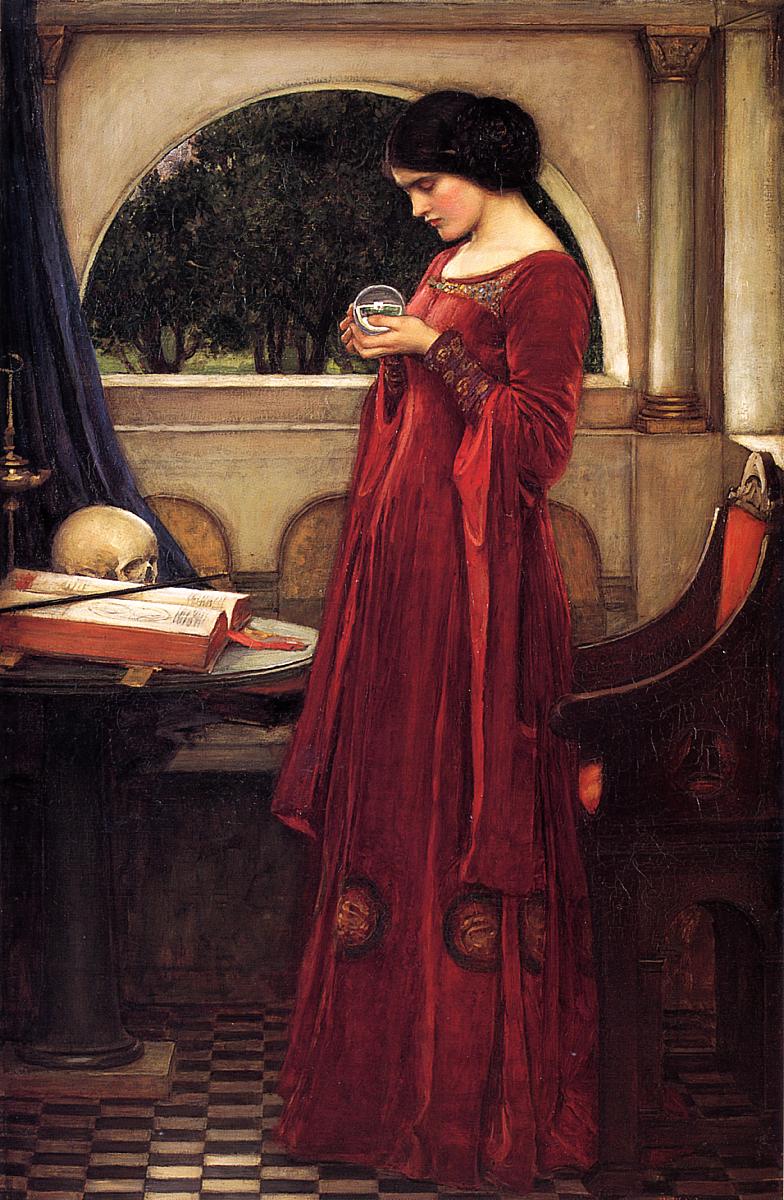 🇪🇬 EgyptScrying
A divination practice of gazing into a medium to receive visions or guidance.Oracle · Seeing and foretelling · Speaking with spirits and the dead Historical
 🇷🇺 Russia and 5 moreSlavic religion
The pre-Christian beliefs of the Slavic peoples before their conversion to Christianity.Tradition · Protection · Healing Revived
🇯🇲 Jamaica and 1 moreMyal
An Afro-Jamaican healing tradition rooted in Arawak and Akan spiritualityTradition · Healing · Protection Living
 🇮🇱 Israel and 3 moreCleromancy
A divination method that uses random chance to reveal divine willOracle · Seeing and foretelling · Speaking with spirits and the dead Living
 🇮🇹 ItalyEtruscan religion
The polytheistic beliefs and divination practices of the ancient Etruscans of ItalyTradition · Seeing and foretelling · Speaking with spirits and the dead Historical
 🇫🇷 France and 1 moreDruiddruides
A learned priestly class of the ancient Celts in Gaul and BritainTradition · Cursing and harm · Protection Historical
 🇺🇸 United States and 1 moreOjibwe religion
The traditional spiritual practices of the Ojibwe people of North AmericaTradition · Healing · Luck and prosperity Living
 🇱🇾 Libya and 4 moreTraditional Berber religionAmazigh religion
Ancient beliefs of Northwest Africa focused on celestial bodies and local spiritsTradition · Speaking with spirits and the dead · Power and authority Historical
 🇳🇬 Nigeria and 2 moreOpon IfáỌpọ́n Ifá
A carved wooden tray used by Yoruba diviners to read signs and consult spirits.Charm · Seeing and foretelling · Speaking with spirits and the dead Living
 🇮🇱 Israel and 5 moreTefillinתְּפִלִּין
Black leather boxes containing Torah scrolls, worn by Jewish men during weekday prayers.Charm · Speaking with spirits and the dead · Protection Living
🇩🇪 Germany and 3 moreSixth and Seventh Books of Moses
A grimoire claiming to reveal the hidden spells of Moses for controlling spirits and natureText · Power and authority · Speaking with spirits and the dead Historical
 🇸🇦 Saudi Arabia and 1 moreDhikrذِكْر
Islamic remembrance of God through repeated recitation and prayerRite · Speaking with spirits and the dead · Power and authority Living
 🇮🇱 Israel and 4 moreIsaac Luriaיִצְחָק בן שלמה אשכנזי לוּרְיָא
A sixteenth-century rabbi who founded modern Kabbalah through oral teachings in Safed.Text · Speaking with spirits and the dead · Change and initiation Living
 🇬🇷 Greece and 5 moreCrossroads (folklore)
A junction between worlds where spirits are met and deals are madeBelief · Speaking with spirits and the dead · Cursing and harm Living
🇿🇦 South Africa and 1 moreSan religion
Traditional beliefs of the San peoples of Southern Africa, centered on trance and rock artTradition · Speaking with spirits and the dead Living
 🇪🇪 Estonia and 5 moreSoul dualism
A belief that a person possesses two or more distinct kinds of souls.Belief · Healing · Speaking with spirits and the dead Historical
 🇨🇺 Cuba and 5 morePalo
An Afro-Cuban religion centered on spirit vessels and ancestral powerTradition · Healing · Cursing and harm Living
 🇨🇱 Chile and 1 moreCultrunkultrung
A ceremonial drum central to Mapuche spiritual practice and identity in Chile and ArgentinaTradition · Healing · Protection Living
 🇻🇺 Vanuatu and 3 moreKastom
A Melanesian term for traditional life, covering magic, law and ritualTradition · Speaking with spirits and the dead · Power and authority Living
 🇪🇬 Egypt and 1 moreCorpus Hermeticum
A collection of Greek writings attributed to Hermes Trismegistus that shaped Western esoteric thoughtText · Speaking with spirits and the dead · Change and initiation Historical
 🇪🇬 Egypt and 2 moreLibation
The ritual pouring of liquid as an offering to spirits or the deadRite · Speaking with spirits and the dead · Protection Living
Photo credits on this page
The small pictures above come from Wikimedia Commons under free licences. Some are cropped to fit.
- Jesa: by Joseph Steinberg (Baltimoron in Korea) at Flickr, CC BY-SA 2.0, source
- Ancient Mesopotamian religion: editor Austen Henry Layard , drawing by L. Gruner, Public domain, source
- Isaac Luria: Louski1, CC BY-SA 3.0, source
- Maasai religion: Dr. Ondřej Havelka (cestovatel), CC BY 4.0, source
- Day of the Dead: RubeHM, CC BY-SA 4.0, source
- Druid: Bernard de Montfaucon, Public domain, source
- Opon Ifá: Unknown author, CC BY 3.0, source
- Dhikr: Eugène Baugnies, Public domain, source
- Crossroads (folklore): MiddleOfAfrica, CC BY-SA 4.0, source
- Soul dualism: 尹真人, Public domain, source
- Cultrun: Universidad Nacional de La Plata, CC BY 3.0, source
- Corpus Hermeticum: Marsilio Ficino, Public domain, source
- Three Books of Occult Philosophy: Heinrich Cornelius Agrippa, Public domain, source
- Rachel's Tomb: Lane-Poole, Stanley, Public domain, source
- Smoking ceremony: Shillings1005, CC BY-SA 4.0, source
- Shinto shrine: No machine-readable author provided. Fg2 assumed (based on copyright c, Public domain, source
- Eshu: Sailko, CC BY 3.0, source
- Ghost Festival: Chong Fat, CC BY-SA 3.0, source
- Kami: Bernard Gagnon, CC BY-SA 3.0, source
- Dongyue Dadi: H2v5o68z, CC0, source
- Hmong folk religion: Thomas Riccio, CC BY 4.0, source
- Sarnaism: বুদ্ধি, CC BY-SA 4.0, source
- Papyrus of Ani: Photographed by the British Museum; original artist unknown, Public domain, source
- Land diving: Paul Stein, CC BY-SA 2.0, source
- Estonian mythology: Jeannette Berkowitz (illustrator), Public domain, source
- Makar Sankranti: Saloni Desai, CC BY-SA 2.0, source
- Haitian Vodou: Sam Fentress, CC BY-SA 2.0, source
- Ancestor veneration: Thang Nguyen, CC BY-SA 2.0, source
- Joss paper: Vmenkov, CC BY-SA 3.0, source
- Scrying: John William Waterhouse, Public domain, source
- Cleromancy: Julius Schnorr von Carolsfeld, Public domain, source
- Etruscan religion: sailko, CC BY 2.5, source
- Ojibwe religion: Ryan Hodnett, CC BY-SA 4.0, source
- Tefillin: Brooklyn Museum, CC BY 3.0, source
- Palo: Burkhard Mücke, CC BY-SA 4.0, source
- Libation: Arkady Zarubin ( Аркадий Зарубин ), CC BY-SA 3.0, source
- Renaissance magic: Unknown author, Public domain, source
- Slavic religion: Alphonse Mucha, Public domain, source
- Kastom: Graham Crumb, CC BY-SA 3.0, source
- Traditional Berber religion: Potymkin, CC BY-SA 4.0, source