Tapu
from Proto-Oceanic *tabu, meaning forbidden or sacred
A Polynesian concept of sacred restriction and spiritual prohibition
Tapu is a traditional Polynian system of moral code and cultural mores that marks things as holy or forbidden. It originated in Proto-Oceanic languages and spread across the Pacific, forming a core part of social order in societies like Māori, Tongan, and Hawaiian cultures.
- Captain Cook recorded the term in Tonga in 1777
- Priests declared resources tapu to prevent over-hunting
- Whale strandings are treated as sacred ground
- Noa ceremonies lift restrictions using prayers and food
- High-ranking chiefs had restricted houses and food
What it is
Tapu functions as a foundational rule within Polynesian societies, designating objects, people, or places as spiritually restricted. The term implies that certain entities are inviolable and must not be touched, approached, or even spoken of casually. This system creates a boundary between the sacred and the ordinary, ensuring that spiritual forces are respected. Violations of these rules were historically viewed as dangerous, potentially leading to illness or death for the offender. The concept serves as a mechanism for maintaining social harmony and protecting resources from misuse.
Where it comes from
The word traces back to the Proto-Oceanic root *tabu, which carried meanings of being forbidden, off-limits, or sacred due to awe before spiritual forces. From this origin, it evolved into various forms across the Austronesian family, such as Fijian tabu and Hiw toq. In Polynesia, the term tapu became central to cultural identity. Captain James Cook recorded the concept during his 1777 visit to Tonga, and the English word taboo derives directly from this encounter. The concept also appears in Hawaii as kapu, reflecting standard phonological variations between /t/ and /k/ in the region.
How it is done
The practice involves observing strict behavioral boundaries based on status and context. For instance, high-ranking chiefs had houses and possessions that were tapu, meaning others could not enter or use them. Food prepared for a chief was also restricted. During funeral rites, mourners follow specific protocols, such as wearing black and avoiding joking until certain stages are complete. Guests at a marae remain tapu until they eat. To remove restrictions, a noa ceremony is performed, often involving prayers and food, which lifts the sacred state and makes an area safe for normal use.
Tools and materials
Physical markers include protective fences around burial grounds and sites of death. Specific plants like kawakawa leaves may be used in wreaths during funerals. Ritual cleansing involves water and food, which serve to desanctify areas after a death. Prayers or incantations known as karakia are recited to lift tapu. In tattooing, the process itself acts as a temporary state of restriction for the subject.
Tapu, drawn and placed
- Living
- Revived
- Fading
- Historical
- Legendary
- Performed
- Lineage
- Polynesian cultural system
- Timing
- during life events, rituals, and daily interactions
What it is for
The primary intent is protection, both of people and of natural resources. Priests, or tohunga, declared fisheries or forests tapu to prevent over-exploitation, effectively creating early conservation laws. It also protects the dignity of high-status individuals and ensures proper conduct during sensitive life events like birth and death. By marking whale strandings as sacred, the community honors descendants of the ocean god Tangaroa, showing respect for spiritual treasures.
Who does it
Priests, known as tohunga, played a key role in declaring resources tapu to manage communal survival. Households observe daily rules regarding rank and contact. Tattooists impose a temporary tapu state on chiefs during facial tattooing, where the subject cannot feed themselves or look in a mirror. Mourners participate in structured grief rituals, with close kin observing specific silence and behavior to honor the deceased and maintain spiritual balance.
Peoples and places
The concept unites diverse Polynesian groups, including Māori, Tongans, Samoans, and Hawaiians, though local variations exist. In Māori culture, tapu was a dominant force before European contact, governing everything from food consumption to housing. Hawaiian culture uses kapu for similar purposes. Vanuatu and Fiji retain related terms like toq and tabu. While the strictness has lessened in modern times, the underlying respect for spiritual boundaries remains a shared cultural thread across these island nations.
At a glance: who, where and when
What people believe
Tapu rests on a worldview where spiritual forces permeate the physical world. Things are not just objects but carry mana or spiritual power that demands respect. Violating tapu disrupts this balance, inviting consequences like sickness or death. The opposite state, noa, represents safety and freedom from restriction. This duality structures daily life, ensuring that humans interact with the environment and each other in ways that acknowledge invisible spiritual realities and ancestral connections.
When it is done
Observances align with life cycles rather than fixed calendar dates. Funerals, or tangihanga, can last several days, with specific rituals on the final night and subsequent year. Births require moving mothers to separate shelters to maintain tapu boundaries. Daily interactions involve constant assessment of status and context to avoid accidental violations. Whale strandings trigger immediate sacred observance regardless of the season.
How scholars and sceptics see it
Linguists trace the term through Proto-Oceanic and Central-Eastern Malayo-Polynesian roots, noting semantic shifts from simple prohibition to complex spiritual awe. Anthropologists view tapu as an early form of environmental management and social control, allowing communities to protect vital resources. Historians note its role in pre-colonial governance, where chiefs used tapu to assert authority over territories and settlers.
Cautions and what is closed
Historically, violating tapu could result in severe penalties, including death by illness or retribution. Modern practitioners face fewer physical dangers, but the cultural expectation of respect remains. Outsiders are expected to observe local customs, particularly at marae or during funerals, to avoid causing offense. The system does not pose health risks today, but ignoring social norms can lead to interpersonal conflict.
Compare and confuse
Tapu is closely related to the Hawaiian concept of kapu, sharing linguistic roots and functional similarities. It differs from general religious prohibitions by being embedded in everyday social structure rather than solely ritual contexts. The English word taboo originates from this concept but has lost the nuanced spiritual hierarchy present in Polynesian cultures.
Law and persecution
Before colonization, tapu functioned as the primary legal and moral framework, enforced by chiefs and priests. Colonial contact altered its application, with some chiefs using it strategically, such as declaring Auckland tapu to assert protection over new settlements. Today, while not legally binding in a secular sense, tapu influences cultural practices and property rights, particularly regarding burial sites and marine resources.
Questions people ask about Tapu
What does tapu mean?
It is a Polynesian concept meaning something is holy, sacred, or forbidden. It marks objects, people, or places as spiritually restricted and inviolable.
Where does the word come from?
It derives from the Proto-Oceanic root *tabu, meaning forbidden or sacred. The English word taboo comes from Captain Cook's 1777 recording of the term in Tonga.
How is tapu removed?
A state called noa lifts the restriction. This is done through ceremonies involving prayers (karakia) and food, making an area safe for normal use again.
Is it still practiced today?
Yes, especially among Māori. It guides funeral rites, respect for whale strandings, and social etiquette at marae, though strictness has decreased since pre-contact times.
Good reading and sources
- Tapu (Polynesian culture) on WikipediaEncyclopedia
- More photos on Wikimedia CommonsPhotos and video
- Wikidata recordOpen data
The facts on this page come from the Wikipedia article "Tapu (Polynesian culture)", written by its contributors and used under the CC BY-SA 4.0 licence, and from its Wikidata record (CC0). EveryJaadu rewrote the text in its own words, with AI assistance, and compares every page with the article to make sure no passage is copied. It may be reused under the same CC BY-SA 4.0 licence with a link back.
It may contain mistakes. Names and customs differ from one community to the next, and some knowledge is closed to outsiders and left out here. This page describes belief and practice. It does not say that any of it works, it is not a how-to, and it is not medical advice. If something is wrong, tell us. Last refreshed 2026-10-06.
More from New Zealand
All the entries from New Zealand 🇻🇺 Vanuatu and 5 moreKava culture
A shared ritual across Oceania where a root brew marks ceremony, respect, and social gathering.Tradition · Speaking with spirits and the dead · Luck and prosperity Living
🇻🇺 Vanuatu and 5 moreKava culture
A shared ritual across Oceania where a root brew marks ceremony, respect, and social gathering.Tradition · Speaking with spirits and the dead · Luck and prosperity Living
 🇳🇿 New Zealand and 5 moreFace tattoo
Marks inked on the face for spiritual protection, identity, rank, and rite of passageTradition · Protection · Power and authority Living
🇳🇿 New Zealand and 5 moreFace tattoo
Marks inked on the face for spiritual protection, identity, rank, and rite of passageTradition · Protection · Power and authority Living
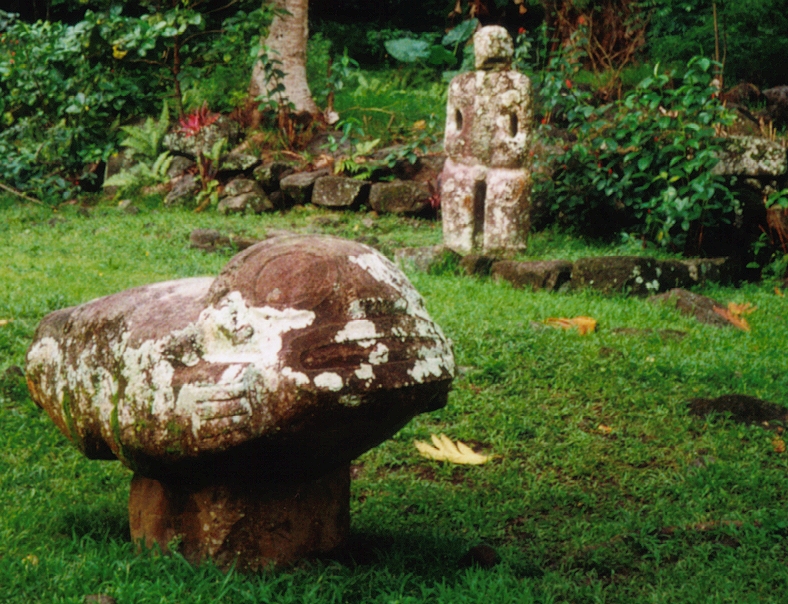 🇳🇿 New Zealand and 2 morePolynesian mythology
The oral traditions and legends of the Polynesian peoples across the PacificTradition · Speaking with spirits and the dead Living
🇳🇿 New Zealand and 2 morePolynesian mythology
The oral traditions and legends of the Polynesian peoples across the PacificTradition · Speaking with spirits and the dead Living
Related elsewhere
All tradition 🇪🇸 Spain and 5 moreSt John's Eve
A Christian vigil marked by bonfires and plant gathering on the summer solstice eveRite · Protection · Speaking with spirits and the dead Living
🇪🇸 Spain and 5 moreSt John's Eve
A Christian vigil marked by bonfires and plant gathering on the summer solstice eveRite · Protection · Speaking with spirits and the dead Living
 🇮🇳 India and 2 moreHomaहोम
A fire ritual found across Asian religions where offerings are burned as a votive exchange with the divine.Rite · Protection · Speaking with spirits and the dead Living
🇮🇳 India and 2 moreHomaहोम
A fire ritual found across Asian religions where offerings are burned as a votive exchange with the divine.Rite · Protection · Speaking with spirits and the dead Living
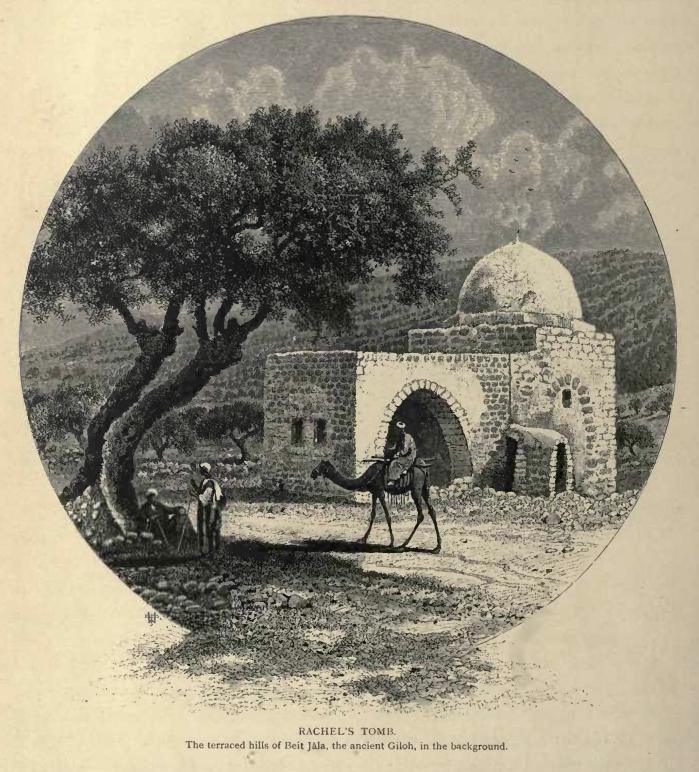 🇵🇸 Palestine and 1 moreRachel's TombQever Raḥel; Qabr Rāḥīl
A shared holy site near Bethlehem revered by Jews, Christians, and MuslimsTradition · Speaking with spirits and the dead · Protection Living
🇨🇳 China and 4 moreKitchen God灶君
The Chinese hearth deity who reports domestic conduct to the Jade EmperorBeing · Protection · Luck and prosperity Living
🇵🇸 Palestine and 1 moreRachel's TombQever Raḥel; Qabr Rāḥīl
A shared holy site near Bethlehem revered by Jews, Christians, and MuslimsTradition · Speaking with spirits and the dead · Protection Living
🇨🇳 China and 4 moreKitchen God灶君
The Chinese hearth deity who reports domestic conduct to the Jade EmperorBeing · Protection · Luck and prosperity Living