
Traditional Berber religion
In its own language: Amazigh religion
From Tamazight words for cave, such as Ifri, linking the land name to divine presence.
Ancient beliefs of Northwest Africa centered on celestial bodies, caves, and ancestors.
The traditional Berber religion comprised the diverse spiritual practices of the Amazigh people across Northwest Africa. It involved worship of sun and moon deities, cave spirits, and ancestors, with significant influence from Egyptian, Greek, and Roman cultures. Though largely displaced by Christianity and Islam, elements persist in modern Berber culture.
- Sun and moon worship was universal among ancient Berbers.
- Libyan mummies predate Egyptian examples by a millennium.
- The goddess Tanit originated in Libya before influencing Greece.
- Cave spirits were venerated in coastal Algeria.
- Amun's cult spread from Libya to Egypt and Greece.
What it is
The traditional Berber religion represents the indigenous spiritual systems of the Amazigh peoples in Northwest Africa. It was a polytheistic and animistic framework that varied by region but shared core themes. Beliefs centered on celestial bodies like the sun and moon, spirits inhabiting natural features such as caves, and reverence for ancestors. The system absorbed influences from neighboring civilizations including Egypt, Greece, and Rome, creating a unique syncretic tradition that defined local identity before the arrival of major world religions.
Where it comes from
The roots of this tradition lie in the prehistoric cultures of the Maghreb, including the Capsian and Ibero-Maurusian societies. These early groups established burial customs and animistic views that evolved into the structured pantheons seen in antiquity. The religion spread across Libya, Algeria, Tunisia, and Morocco, adapting to local environments. Agricultural communities focused on rain and water spirits, while pastoral groups emphasized solar and lunar deities. Historical records indicate these beliefs were well-established long before significant contact with Mediterranean powers.
How it is done
Practices included sacrifice, particularly of sheep dedicated to gods like Amun, and ancestor worship through elaborate funerary rites. Bodies were buried in deep holes, caves, or tumuli, often painted with ochre and accompanied by jewelry or weapons. In some regions, mummification occurred, with Libyan mummies predating Egyptian examples. Worship took place at sacred sites like the oracle of Amun in Siwa or temples dedicated to Tanit. Rituals also involved offerings to cave spirits and celestial bodies, integrating daily life with spiritual obligations.
Tools and materials
Key symbols included the ram, associated with Amun, and the elephant-mask headdress worn by the goddess Africa. Coins depicted deities like Ifru, often holding cornucopias or military standards. Ochre was used to paint corpses, signifying respect for the dead. Sacred animals were central to rituals; for instance, twin births in sheep flocks triggered specific ceremonial responses. Megalithic structures served as tombs and possibly sites for star-worship, reflecting a deep connection between the physical landscape and the divine.
Traditional Berber religion, drawn and placed
- Living
- Revived
- Fading
- Historical
- Legendary
- Performed
- Lineage
- Berber culture
- Timing
- Daily life, agricultural cycles, and funerary rites.
What it is for
The religion aimed to maintain harmony between humans, nature, and the spirit world. Worshippers sought protection and prosperity through offerings to fertility goddesses and celestial deities. Ancestor veneration ensured the well-being of the community by honoring those who came before. The cult of Amun provided guidance through oracles, while war gods like Gurzil were invoked for strength in battle. These practices reinforced social bonds and explained natural phenomena, embedding spirituality into every aspect of life from farming to warfare.
Who does it
Religious duties were performed by household members and local specialists within tribal structures. Kings like Massinissa and mythological figures such as Iarbas played roles in state-level worship, offering tribute to deities. Priests or ritual leaders likely managed temple cults, though detailed hierarchies are less documented than in Egypt or Greece. Women participated in rites, such as using lamb eyelids in marriage ceremonies among the N'tifa. The tradition was decentralized, varying significantly between coastal agricultural zones and inland pastoral areas.
Peoples and places
The Amazigh peoples, known historically as Berbers, Numidians, and Libyans, practiced these beliefs across Northwest Africa. In Algeria, worship of the fertility goddess Ifru was widespread in coastal regions. Libyan tribes revered the sun and moon, with sanctuaries like Ghirza dedicated to war gods. Moroccan and Tunisian groups shared similar solar cults. The religion influenced and was influenced by Egyptians, Greeks, and Romans, leading to shared deities like Amun and Neith. Despite external pressures, distinct local variations persisted until the gradual decline following Arab conquests.
At a glance: who, where and when
Who does it
Belief worlds
Occasions


What people believe
Central to the worldview was a pantheon of gods linked to natural forces. Tafukt (sun) and Ayyur (moon) were supreme deities worshipped since antiquity. Amun, identified with Saturn or Zeus, ruled over Libya and Egypt, with his wife Amunet governing the underworld. Tanit, originally a Libyan war goddess, evolved into Athena in Greek myth. The goddess Africa personified the land and caves. Creation myths explained the origin of sheep and celestial bodies through divine acts, embedding cosmic order into daily existence and reinforcing the sacredness of the environment.
When it is done
Rituals aligned with agricultural cycles and life events. Rain and water sources dictated practices in farming regions, while pastoralists followed seasonal movements tied to celestial worship. Funerary rites marked the end of life, with body preparation and tomb construction reflecting beliefs in an afterlife. Marriage customs incorporated elements like lamb eyelids, linking domestic life to spiritual traditions. Festivals likely honored deities like Amun or Tanit, though specific dates are not fully recorded. The integration of stars and sun into mythology suggests astronomical observations guided temporal practices.
Questions people ask about Traditional Berber religion
What is the traditional Berber religion?
It is the indigenous spiritual system of the Amazigh peoples in Northwest Africa, involving worship of celestial bodies, cave spirits, and ancestors, with influences from Egyptian and Greek cultures.
Where did it originate?
It originated in the prehistoric cultures of the Maghreb, including the Capsian and Ibero-Maurusian societies, evolving into structured pantheons across Libya, Algeria, Tunisia, and Morocco.
Who were the main deities?
Key deities included Tafukt (sun), Ayyur (moon), Amun (identified with Saturn), Tanit (war goddess), and Ifru (fertility goddess), each associated with natural forces and local identities.
How were the dead treated?
Bodies were buried in deep holes, caves, or tumuli, often painted with ochre and accompanied by jewelry. Some groups practiced mummification, with Libyan examples predating Egyptian ones.
Is it still practiced today?
While largely displaced by Christianity and Islam, elements of the traditional Berber religion persist subtly in modern Berber popular culture and oral traditions.
Good reading and sources
- Ammon (Deity)World History Encyclopedia, Article
- Les Mausolées Royaux de Numidie, de la Maurétanie et les monuments funéraires pré-islamiquesUNESCO, Heritage listing
The facts on this page come from the Wikipedia article "Berber traditional religion", written by its contributors and used under the CC BY-SA 4.0 licence, and from its Wikidata record (CC0). EveryJaadu rewrote the text in its own words, with AI assistance, and compares every page with the article to make sure no passage is copied. It may be reused under the same CC BY-SA 4.0 licence with a link back.
It may contain mistakes. Names and customs differ from one community to the next, and some knowledge is closed to outsiders and left out here. This page describes belief and practice. It does not say that any of it works, it is not a how-to, and it is not medical advice. If something is wrong, tell us. Last refreshed 2026-10-05.
More from Libya
All the entries from Libya 🇪🇬 Egypt and 2 moreAmunjmn (Old/Middle Egyptian); Amoun (Coptic)
The hidden creator god of ancient Egypt, later fused with the sun deity Ra.Being · Power and authority · Protection Historical
🇪🇬 Egypt and 2 moreAmunjmn (Old/Middle Egyptian); Amoun (Coptic)
The hidden creator god of ancient Egypt, later fused with the sun deity Ra.Being · Power and authority · Protection Historical
 🇮🇱 Israel and 2 moreLag BaOmerלַ״ג בָּעוֹמֶר
A Jewish holiday marking the end of a mourning period with bonfires and outdoor playTradition · Speaking with spirits and the dead · Wonder and entertainment Living
🇮🇱 Israel and 2 moreLag BaOmerלַ״ג בָּעוֹמֶר
A Jewish holiday marking the end of a mourning period with bonfires and outdoor playTradition · Speaking with spirits and the dead · Wonder and entertainment Living
 🇪🇬 Egypt and 2 moreSibylline Oracles
A mixed collection of ancient prophecies attributed to pagan prophetesses but shaped by Jewish and Christian writers.Text · Seeing and foretelling Historical
🇪🇬 Egypt and 2 moreSibylline Oracles
A mixed collection of ancient prophecies attributed to pagan prophetesses but shaped by Jewish and Christian writers.Text · Seeing and foretelling Historical
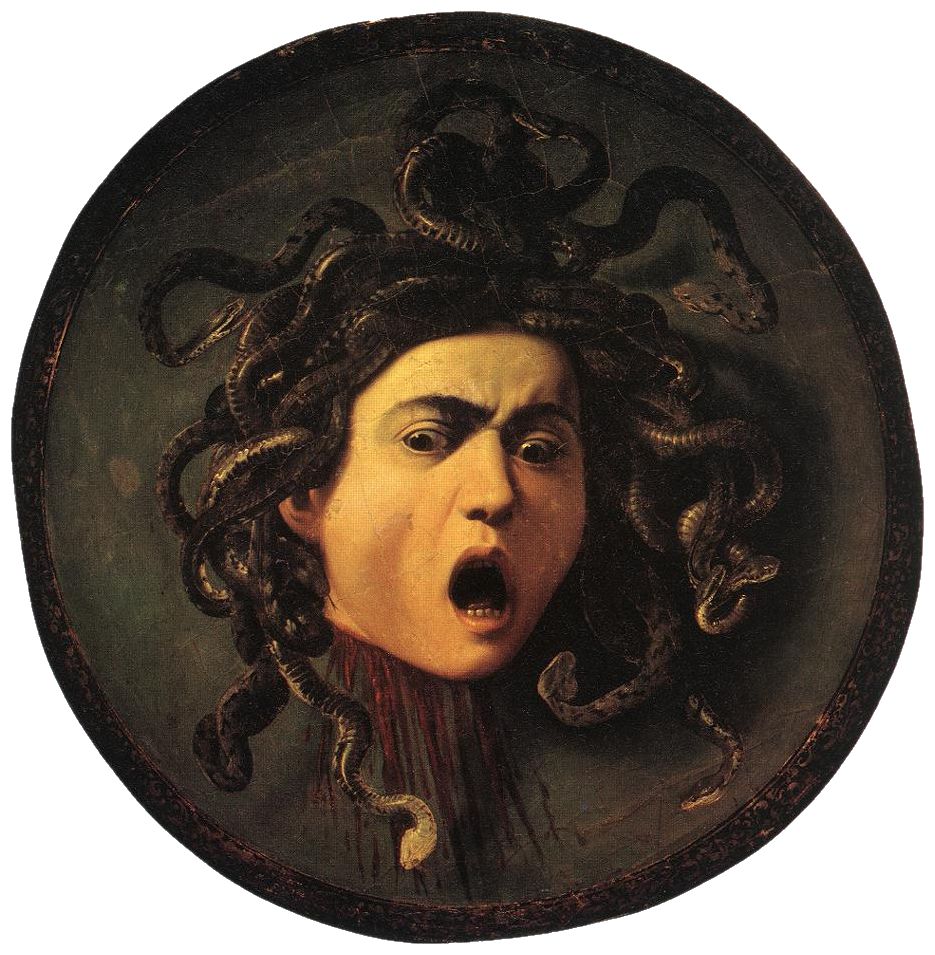 🇬🇷 Greece and 1 moreMedusaΜέδουσα
A mortal Greek monster whose gaze turns onlookers to stoneFigure · Cursing and harm Legendary
🇬🇷 Greece and 1 moreMedusaΜέδουσα
A mortal Greek monster whose gaze turns onlookers to stoneFigure · Cursing and harm Legendary
Related elsewhere
All tradition 🇬🇧 United Kingdom and 1 moreWell dressing
A rural English custom of decorating water sources with natural designsTradition · Protection · Speaking with spirits and the dead Living
🇬🇧 United Kingdom and 1 moreWell dressing
A rural English custom of decorating water sources with natural designsTradition · Protection · Speaking with spirits and the dead Living
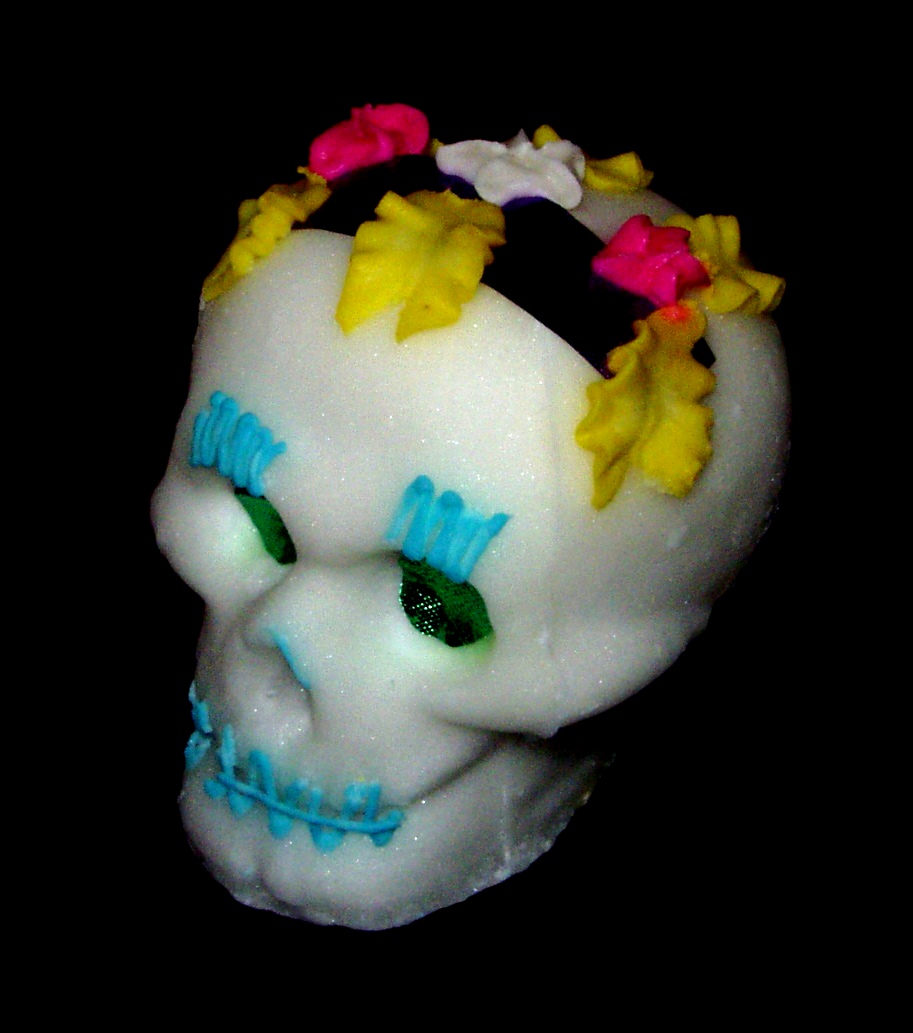 🇲🇽 MexicoCalavera
A sugar or clay skull used in Mexican Day of the Dead celebrations.Charm · Speaking with spirits and the dead · Luck and prosperity Living
🇲🇽 MexicoCalavera
A sugar or clay skull used in Mexican Day of the Dead celebrations.Charm · Speaking with spirits and the dead · Luck and prosperity Living
 🇬🇷 Greece and 5 moreCrossroads (folklore)
A junction between worlds where spirits are met and deals are madeBelief · Speaking with spirits and the dead · Cursing and harm Living
🇬🇷 Greece and 5 moreCrossroads (folklore)
A junction between worlds where spirits are met and deals are madeBelief · Speaking with spirits and the dead · Cursing and harm Living