San religion
Traditional beliefs of the San peoples of Southern Africa, centered on trance and rock art
San or Bushman religion refers to the traditional spiritual practices of the San peoples of Southern Africa. These traditions are poorly documented due to historical interactions with Christianity. The practice involves trance dances, spirit work, and extensive rock art.
- Trance dances involve rhythmic movement and clapping
- Eland fat is used symbolically in rituals
- Rock art depicts therianthropic spirit beings
- Psychologists link trance to entoptic phenomena
- ǀKágge̥n is a trickster mantis figure
What it is
San or Bushman religion encompasses the traditional spiritual systems of the San peoples in Southern Africa. These belief structures are not well recorded because of long-standing contact with Christian missionaries. The core of the practice involves entering altered states of consciousness through ritual dance. Participants believe these states allow communication with the spirit world. The tradition is deeply connected to the natural environment and features complex mythologies involving animal figures and celestial bodies.
Where it comes from
The origins of San religion are tied to the indigenous cultures of Southern Africa. The ǀXam people contributed significantly to the recorded mythology, including stories about the Sun, Moon, and stars. Figures like ǀKágge̥n, a trickster mantis, and ǀHúnntuǃattǃatte̥n, a dassie, appear in these tales. Some terms used for divine beings, such as ǃXu, were adopted from Khoikhoi languages by missionaries and later integrated into San religious reporting. The exact ancient roots remain difficult to trace due to limited historical documentation.
How it is done
Shamans initiate trance states to access the spirit world. This often begins with hunting a tutelary spirit or power animal, commonly the eland. The great dance, or trance dance, is a central ritual. Women clap and sing while men dance rhythmically in a circle. While hallucinogens are not regularly used by Kalahari San, some students may use them for initial trance experiences. Psychologists note that rhythmic movement, music, and sensory deprivation can induce similar altered states.
Tools and materials
The eland plays a vital role, with its fat used symbolically in rituals, initiations, and rites of passage. Other animals like giraffe, kudu, and hartebeest also serve as power animals. Rock art serves as a visual record of these beliefs. Paintings in caves and shelters across regions like KwaZulu-Natal and the Western Cape depict therianthropic entities and animals. These images often reflect the shaman's journey through different phases of trance.
San religion, drawn and placed
- Living
- Revived
- Fading
- Historical
- Legendary
- Performed
- Lineage
- San mythology
- Timing
- during trance dances
What it is for
The primary purpose is to commune with spirits and the supernatural realm. Shamans enter trances to gain insight, heal, or interact with ancestral forces. The rock art found at sites like uKhahlamba / Drakensberg Park is believed to hold religious significance, possibly documenting these spiritual journeys. The practice reinforces community bonds through shared ritual participation and storytelling.
Who does it
Shamans are the key practitioners who guide the community into trance. They undergo training to hunt tutelary spirits and manage altered states. The tradition includes specific mythological figures who act as guides or teachers. Gender roles in the trance dance are distinct, with women providing vocal support and men performing the physical dance. The knowledge is held within the community, though external scholars have studied it extensively.
Peoples and places
The San peoples, including the ǀXam and Juǀʼhoan, maintain these traditions in Southern Africa. The ǀXam mythology provides detailed accounts of divine figures and cosmic events. The Juǀʼhoan are known for their trance practices in the Kalahari region. Interactions with Khoikhoi neighbors influenced some terminology. Despite external pressures, these communities preserve their spiritual heritage through oral history and artistic expression.
At a glance: who, where and when
Who does it
Belief worlds
Occasions
What people believe
Beliefs center on a spirit world accessible through trance. Shamans experience geometric patterns called entoptic phenomena during early trance phases. Later stages involve transforming these shapes into familiar forms or animals. The final phase brings a sense of physical transformation, where shamans may feel they become animals or other beings. This explains the prevalence of therianthropic figures in rock art. Celestial bodies and animal spirits are revered as part of this cosmology.
When it is done
Trance dances occur regularly, often as daily or frequent community events. Specific life events like initiations and rites of passage incorporate these rituals. The timing is linked to the needs of the community and the guidance of shamans rather than fixed calendar dates. Seasonal factors may influence the availability of power animals or the intensity of rituals.
How scholars and sceptics see it
Anthropologists and psychologists study San religion to understand altered states of consciousness. Research on entoptic phenomena links rhythmic dancing and sensory deprivation to hallucinations. Scholars analyze rock art as a reflection of these psychological experiences. Historians note the impact of Christian missionary activity on the preservation and distortion of San beliefs. Studies often focus on the ǀXam and Juǀʼhoan groups for detailed ethnographic data.
Cautions and what is closed
The tradition faces challenges from modernization and religious conversion. Documentation is sparse, leading to potential misinterpretations of San beliefs. Some terms were historically misused or corrupted by outsiders. The closed nature of certain spiritual knowledge limits external understanding. Respect for the community's autonomy is essential when discussing these practices.
Compare and confuse
San religion shares features with other indigenous African spiritual systems, particularly in the use of trance and animal symbolism. It differs from organized religions in its lack of centralized doctrine. The term 'Bushman' is sometimes used interchangeably but carries colonial connotations. Comparisons with other shamanic traditions highlight common psychological mechanisms in trance induction.
Law and persecution
Legal status varies by country. In South Africa and Botswana, San communities navigate complex land rights and cultural recognition issues. Historical persecution and displacement have affected the transmission of traditional knowledge. Contemporary efforts focus on preserving cultural heritage and protecting sacred sites from development.
Questions people ask about San religion
What is San religion?
San religion refers to the traditional spiritual practices of the San peoples in Southern Africa. It centers on trance dances, spirit communication, and rock art, reflecting a deep connection to the natural world and ancestral forces.
Where does San religion come from?
It originates from the indigenous cultures of Southern Africa, particularly among the San peoples like the ǀXam and Juǀʼhoan. These traditions have evolved over millennia, shaped by local ecology and interactions with neighboring groups.
How do practitioners enter trance?
Shamans initiate trance through rhythmic dancing, music, and clapping. This process is believed to open a path to the spirit world, allowing participants to experience altered states of consciousness and communicate with supernatural entities.
What role does rock art play?
Rock art serves as a visual record of spiritual experiences. Paintings often depict therianthropic beings and animals, reflecting the shaman's journey through trance phases. These artworks are found across Southern Africa and hold significant religious meaning.
Good reading and sources
The facts on this page come from the Wikipedia article "San religion", written by its contributors and used under the CC BY-SA 4.0 licence, and from its Wikidata record (CC0). EveryJaadu rewrote the text in its own words, with AI assistance, and compares every page with the article to make sure no passage is copied. It may be reused under the same CC BY-SA 4.0 licence with a link back.
It may contain mistakes. Names and customs differ from one community to the next, and some knowledge is closed to outsiders and left out here. This page describes belief and practice. It does not say that any of it works, it is not a how-to, and it is not medical advice. If something is wrong, tell us. Last refreshed 2026-10-06.
More from South Africa
All the entries from South Africa 🇿🇦 South AfricaSympathetic magic
A magical principle based on imitation and contact to influence the worldTradition · Protection · Healing Historical
🇿🇦 South AfricaSympathetic magic
A magical principle based on imitation and contact to influence the worldTradition · Protection · Healing Historical
 🇿🇦 South Africa and 5 moreTraditional healers of Southern Africa
Practitioners who blend herbal medicine with ancestral divination in Southern AfricaTradition · Healing · Protection Living
🇿🇦 South Africa and 5 moreTraditional healers of Southern Africa
Practitioners who blend herbal medicine with ancestral divination in Southern AfricaTradition · Healing · Protection Living
 🇿🇦 South Africa and 4 moreWitch doctor
A traditional healer who identifies supernatural causes of illness and performs rituals to restore balance.Tradition · Healing · Protection Living
🇿🇦 South Africa and 1 moreRain Queen
A hereditary queen of the Balobedu people believed to control rainfall in South AfricaTradition · Protection · Power and authority Living
🇿🇦 South Africa and 4 moreWitch doctor
A traditional healer who identifies supernatural causes of illness and performs rituals to restore balance.Tradition · Healing · Protection Living
🇿🇦 South Africa and 1 moreRain Queen
A hereditary queen of the Balobedu people believed to control rainfall in South AfricaTradition · Protection · Power and authority Living
Related elsewhere
All tradition 🇮🇳 IndiaChakraचक्र
Meditation points in the subtle body used in Hindu and Buddhist yogaTradition · Speaking with spirits and the dead · Change and initiation Living
🇮🇳 IndiaChakraचक्र
Meditation points in the subtle body used in Hindu and Buddhist yogaTradition · Speaking with spirits and the dead · Change and initiation Living
 🇮🇳 India and 2 moreHomaहोम
A fire ritual found across Asian religions where offerings are burned as a votive exchange with the divine.Rite · Protection · Speaking with spirits and the dead Living
🇮🇳 India and 2 moreHomaहोम
A fire ritual found across Asian religions where offerings are burned as a votive exchange with the divine.Rite · Protection · Speaking with spirits and the dead Living
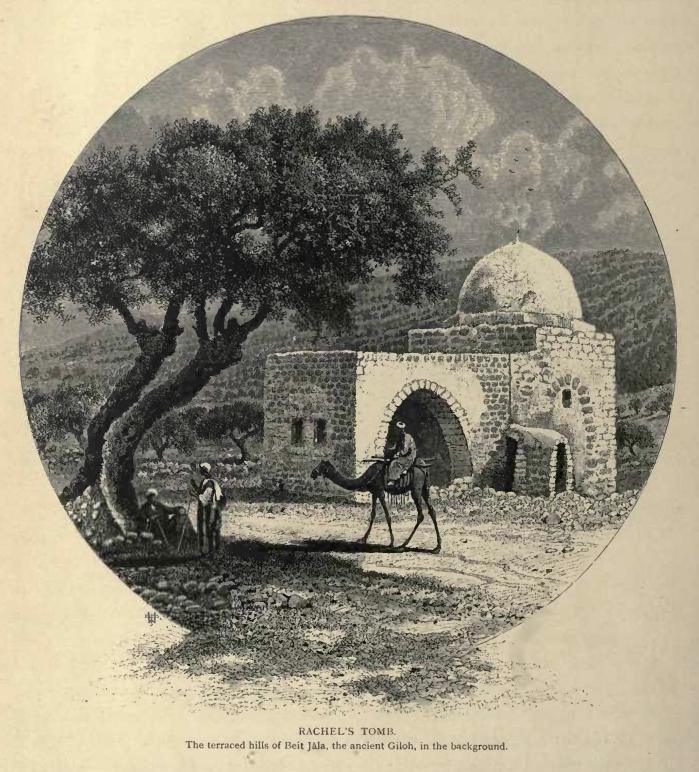 🇵🇸 Palestine and 1 moreRachel's TombQever Raḥel; Qabr Rāḥīl
A shared holy site near Bethlehem revered by Jews, Christians, and MuslimsTradition · Speaking with spirits and the dead · Protection Living
🇵🇸 Palestine and 1 moreRachel's TombQever Raḥel; Qabr Rāḥīl
A shared holy site near Bethlehem revered by Jews, Christians, and MuslimsTradition · Speaking with spirits and the dead · Protection Living
 🇪🇸 Spain and 5 moreSt John's Eve
A Christian vigil marked by bonfires and plant gathering on the summer solstice eveRite · Protection · Speaking with spirits and the dead Living
🇪🇸 Spain and 5 moreSt John's Eve
A Christian vigil marked by bonfires and plant gathering on the summer solstice eveRite · Protection · Speaking with spirits and the dead Living