
Estonian mythology
In its own language: eesti mütoloogia
The pre-Christian beliefs and legends of the Estonian people
Estonian mythology is the collection of myths, deities, and spirits from the folk heritage of Estonia. It includes animistic beliefs about nature, legendary giants, and a pantheon shaped by both ancient traditions and 19th-century literary reconstruction.
- Taara is the supreme god of nature and living things
- Kalevipoeg is a legendary giant hero of Estonia
- Jaanipäev celebrates the sun with bonfires
- Kaali meteorite may have inspired local myths
- Runes preserve ancient cosmological stories
What it is
Estonian mythology encompasses the spiritual beliefs and narrative traditions of the Estonian people before Christianization. It is rooted in animism, where natural features like forests, waters, and trees are inhabited by protective spirits. The tradition includes a complex pantheon of gods governing weather, fertility, and the cosmos, alongside legendary figures such as giants and heroes. Much of what is known today comes from runic songs and 19th-century folklore collections, which blend authentic oral history with literary invention.
Where it comes from
Pre-Christian beliefs were recorded in medieval chronicles and ecclesiastical registers. Systematic study began in the 19th century when scholars collected runic songs and legends. Some elements were constructed or heavily influenced by Finnish and Germanic myths during this period. The Kaali meteorite impact on Saaremaa may have influenced local myths about celestial events and divine births.
How it is done
Rituals involved offerings to nature spirits and ancestors. Cremation was used to ensure the dead reached the afterlife safely. Festivals like Jaanipäev celebrated solar cycles with bonfires. Prayers were directed to specific deities for protection against harm or to ensure good harvests.
Tools and materials
Sacred oaks and lindens served as sites for worship. Holy groves were protected from desecration. Runic songs preserved cosmological stories. Symbols included the World Tree, the Milky Way, and celestial bodies like the sun and moon.
Estonian mythology, drawn and placed
- Living
- Revived
- Fading
- Historical
- Legendary
- Performed
- Lineage
- Finnic mythologies
What it is for
Beliefs aimed to protect communities from dangerous spirits and ensure agricultural success. Deities were invoked for thunder, rain, and fertility. Spirits guarded homes, forests, and waters. The mythology provided explanations for natural phenomena and the structure of the universe.
Who does it
Knowledge was held by folk singers, shamans, and community elders. Scholars later documented these traditions. Priests and ritual specialists maintained connections with the divine through prayer and sacrifice.
Peoples and places
The tradition belongs primarily to Estonians, including Oeselians from the island of Saaremaa. Similar motifs appear in other Finnic cultures, such as the Finnish Kalevala. Germanic influences are visible in giant legends.
At a glance: who, where and when
Who does it
Belief worlds
Occasions


What people believe
The cosmos revolves around a World Tree nailed to the sky with the North Star. The Milky Way is a branch of this tree or a path for souls. Spirits inhabit all natural elements. Death transforms humans into moths or insects that join the land of the dead.
When it is done
Midsummer (Jaanipäev) marks the peak of solar celebration. Life events like birth and death involve specific rituals. Seasons dictate agricultural rites and spirit interactions.
How scholars and sceptics see it
Ethnologists and historians analyze runic songs and chronicles to reconstruct pre-Christian beliefs. Literary mythology created by Faehlmann and Kreutzwald is studied separately from authentic folk traditions. Meteorite impacts are linked to mythic narratives.
Cautions and what is closed
Holy groves and sacred sites were considered dangerous if desecrated. Spirits could punish those who violated taboos. Modern understanding distinguishes between historical belief and literary fiction.
Compare and confuse
Similarities exist with Finnish mythology, particularly in creation myths involving eggs and world trees. Germanic influences appear in giant legends. Baltic Finnic peoples share concepts of sky fathers and thunder gods.
Questions people ask about Estonian mythology
What is Estonian mythology?
It is the pre-Christian spiritual tradition of Estonia, featuring animistic beliefs, nature spirits, and a pantheon of gods like Taara and Uku.
Where does it come from?
It originates from the ancient folk heritage of Estonians and related Finnic peoples, recorded in runic songs and medieval chronicles.
Who are the main deities?
Key figures include Taara (supreme god), Uku (thunder god), Jumal (sky father), and various nature spirits like Haldjas and Metsaema.
Is it still practiced?
As a living religion, it is largely historical, though elements survive in cultural festivals like Jaanipäev and folk traditions.
Good reading and sources
The facts on this page come from the Wikipedia article "Estonian mythology", written by its contributors and used under the CC BY-SA 4.0 licence, and from its Wikidata record (CC0). EveryJaadu rewrote the text in its own words, with AI assistance, and compares every page with the article to make sure no passage is copied. It may be reused under the same CC BY-SA 4.0 licence with a link back.
It may contain mistakes. Names and customs differ from one community to the next, and some knowledge is closed to outsiders and left out here. This page describes belief and practice. It does not say that any of it works, it is not a how-to, and it is not medical advice. If something is wrong, tell us. Last refreshed 2026-10-05.
More from Estonia
All the entries from Estonia 🇫🇮 Finland and 1 moreFinnish mythology
The pre-Christian folklore and cosmology of the Finns and KareliansTradition · Speaking with spirits and the dead · Protection Revived
🇫🇮 Finland and 1 moreHiisi
A Finnic spirit of sacred places that evolved into a demonic giant in folkloreBeing · Cursing and harm · Power and authority Historical
🇫🇮 Finland and 2 moreHaltija
A supernatural guardian of a specific place or animal species in Finnish and Baltic Finnic mythologyBeing · Protection · Speaking with spirits and the dead Historical
🇫🇮 Finland and 1 moreFinnish mythology
The pre-Christian folklore and cosmology of the Finns and KareliansTradition · Speaking with spirits and the dead · Protection Revived
🇫🇮 Finland and 1 moreHiisi
A Finnic spirit of sacred places that evolved into a demonic giant in folkloreBeing · Cursing and harm · Power and authority Historical
🇫🇮 Finland and 2 moreHaltija
A supernatural guardian of a specific place or animal species in Finnish and Baltic Finnic mythologyBeing · Protection · Speaking with spirits and the dead Historical
 🇫🇮 Finland and 1 moreVäinämöinen
An ancient Finnish demigod and master singer from the Kalevala epicBeing · Wonder and entertainment Historical
🇫🇮 Finland and 1 moreVäinämöinen
An ancient Finnish demigod and master singer from the Kalevala epicBeing · Wonder and entertainment Historical
Related elsewhere
All tradition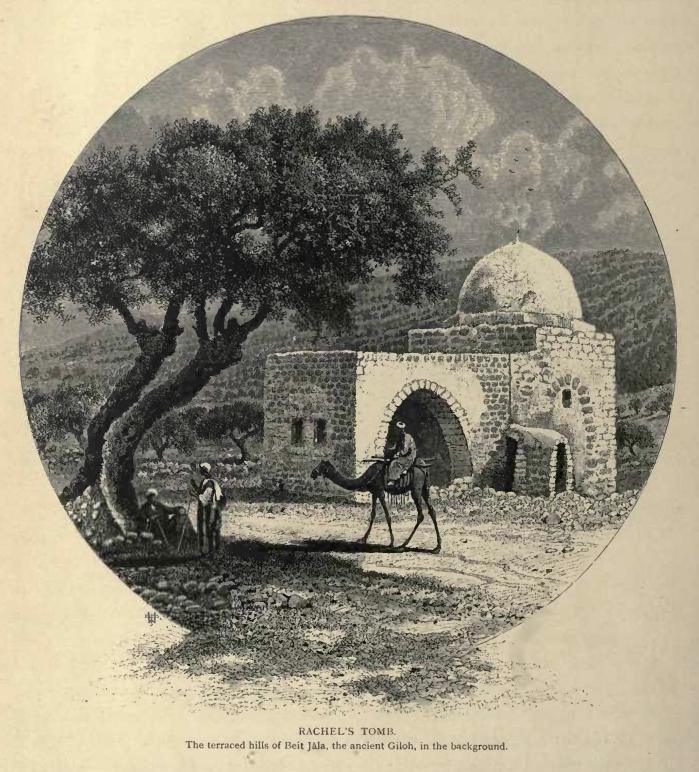 🇵🇸 Palestine and 1 moreRachel's TombQever Raḥel; Qabr Rāḥīl
A shared holy site near Bethlehem revered by Jews, Christians, and MuslimsTradition · Speaking with spirits and the dead · Protection Living
🇵🇸 Palestine and 1 moreRachel's TombQever Raḥel; Qabr Rāḥīl
A shared holy site near Bethlehem revered by Jews, Christians, and MuslimsTradition · Speaking with spirits and the dead · Protection Living
 🇪🇸 Spain and 5 moreSt John's Eve
A Christian vigil marked by bonfires and plant gathering on the summer solstice eveRite · Protection · Speaking with spirits and the dead Living
🇪🇸 Spain and 5 moreSt John's Eve
A Christian vigil marked by bonfires and plant gathering on the summer solstice eveRite · Protection · Speaking with spirits and the dead Living
 🇸🇳 Senegal and 1 moreSerer religionA ƭat Roog
The traditional faith of the Serer people, centred on the supreme deity Roog and ancestral veneration.Tradition · Protection · Speaking with spirits and the dead Living
🇸🇳 Senegal and 1 moreSerer religionA ƭat Roog
The traditional faith of the Serer people, centred on the supreme deity Roog and ancestral veneration.Tradition · Protection · Speaking with spirits and the dead Living