Speaking with spirits and the dead
Mediumship, ancestor rites, possession and the offerings made to the unseen.
Speaking with spirits and the dead is the aim of mediumship, ancestor rites, possession and necromancy. It runs from the spirit mediums of Korea and Brazil to Vodou possession, Chinese ancestor offerings, the Mexican Day of the Dead, Victorian spiritualism and the Witch of Endor of the Bible. It is a central practice in some living religions and a frequent target of fraud in others. This page covers who speaks to the dead and how they are judged.
Ways of contact
Methods differ. In possession, a spirit or deity is said to speak through the body of a medium, as in Vodou, Candomblé, Haitian and Brazilian rites, and in Korean gut. In trance or dream, a shaman travels to the spirit world. In offerings and festivals, families feed and talk to ancestors, as in the Hungry Ghost month in China and the ofrenda in Mexico. Spiritualism added the seance and the table-rapping of the 1840s.
Who may
In many societies, women lead: Korean mudang, Okinawan yuta, Brazilian mães de santo and the Western spiritualist mediums of the nineteenth century, who found in mediumship a public role denied elsewhere. Elsewhere, the role is for elders and ancestors' descendants. Some traditions require initiation, and some say contact with the dead is not for outsiders to attempt. Spirits and ancestors are not always friendly: mediums report angry, hungry or lost beings, and rites exist for settling them, such as offerings for neglected ancestors in China and Vietnam.
Authority and fear
Religions disagree. Christianity, Judaism and Islam each forbid certain contact with the dead while honouring prayer for them. Spiritist movements around Kardec in Brazil and France treat communication as a doctrine. Colonial authorities banned possession cults in many places, often labelling them devil worship, and some Pentecostal churches today condemn them in the same terms. The rites are widely found in Africa too, where ancestors are consulted at the family shrine and are held to watch over the living.
Fraud, grief and study
Grieving people are vulnerable. Fraudulent mediums, from the Fox sisters, who confessed in 1888, to modern cold readers, have taken money by exploiting loss. Researchers point to cold reading and to the ideomotor effect behind the Ouija board. Many bereaved people also report real comfort from rites that keep a bond with the dead, and counsellors acknowledge that continuing bonds are common. Doctors and psychologists note that a grief reaction can include hearing or sensing the dead, which is common and not in itself a sign of illness.
Speaking with spirits and the dead on EveryJaadu
The entries written up so far, best known first.
 🇮🇳 India and 1 moreDiyaदीया
A small oil lamp used in prayers and festivals across the Indian subcontinentTradition · Protection · Luck and prosperity Living
 🇪🇬 Egypt and 2 moreAmunjmn (Old/Middle Egyptian); Amoun (Coptic)
The hidden creator god of ancient Egypt, later fused with the sun deity Ra.Being · Power and authority · Protection Historical
 🇮🇩 Indonesia and 4 moreKejawènꦏꦗꦮꦺꦤ꧀ (Kajawèn)
A Javanese tradition blending animism, Hinduism, Buddhism and Islam into a path of inner harmony.Tradition · Protection · Speaking with spirits and the dead Living
 🇺🇸 United States and 2 moreSéance
A gathering to communicate with spirits, ranging from religious services to stage performances.Rite · Speaking with spirits and the dead · Healing Living
 🇳🇬 Nigeria and 2 moreEshuÈṣù
A Yoruba spirit of crossroads, messengers and the balance between joy and sorrowBeing · Speaking with spirits and the dead · Protection Living
 🇭🇹 HaitiGedeGuédé
A family of spirits in Haitian Vodou who guard the dead and grant fertility.Being · Speaking with spirits and the dead · Protection Living
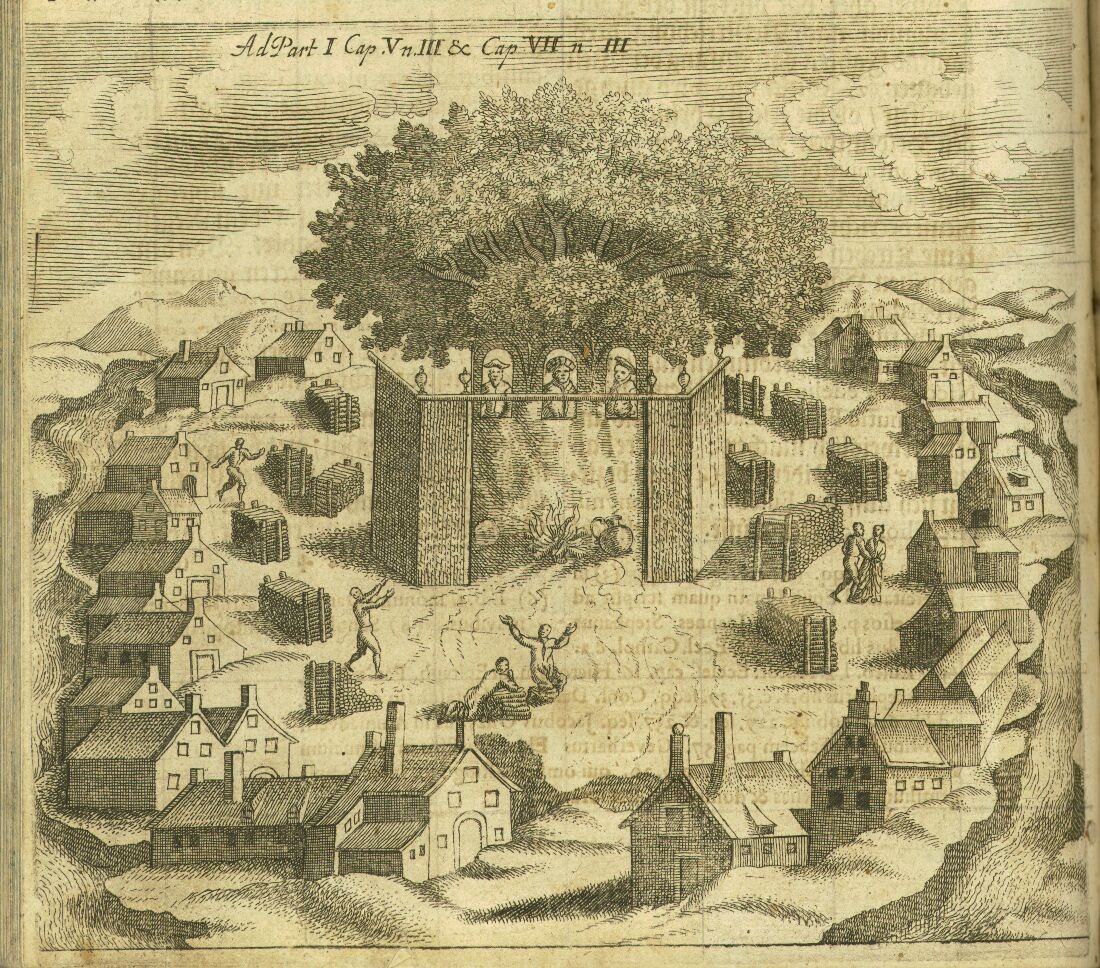 🇱🇹 Lithuania and 1 moreLithuanian mythologyLietuvių mitologija
The ancient polytheistic beliefs of the Baltic people, preserved in folklore and early chroniclesTradition · Speaking with spirits and the dead · Luck and prosperity Historical
 🇭🇹 Haiti and 2 moreLwa
Spirits in Haitian Vodou that mediate between people and the creator god.Being · Protection · Healing Living
 🇻🇺 Vanuatu and 5 moreKava culture
A shared ritual across Oceania where a root brew marks ceremony, respect, and social gathering.Tradition · Speaking with spirits and the dead · Luck and prosperity Living
 🇯🇵 JapanShinto shrine神社 (jinja)
A structure in Japan that houses kami, the deities of ShintoTradition · Speaking with spirits and the dead · Protection Living
🇳🇴 NorwayEsbat
A monthly Wiccan ritual held at the full or new moon for worship and community.Rite · Speaking with spirits and the dead · Love and attraction Living
🇮🇹 ItalyLemuriaLemuralia
An ancient Roman festival to send restless ghosts away from the homeRite · Cleansing and purification · Speaking with spirits and the dead Historical
 🇪🇬 Egypt and 1 moreAncient Egyptian religion
Polytheistic worship, divine kingship, and funerary rites along the NileTradition · Protection · Speaking with spirits and the dead Historical
 🇮🇳 IndiaSarnaism
A nature-based faith of India's Adivasi communities centered on sacred grovesTradition · Protection · Speaking with spirits and the dead Living
🇳🇿 New Zealand and 5 moreTapu
A Polynesian concept of sacred restriction and spiritual prohibitionTradition · Protection · Speaking with spirits and the dead Living
 🇮🇶 Iraq and 3 moreAncient Mesopotamian religion
The polytheistic beliefs and practices of Sumer, Akkad, Assyria and Babylonia from 6000 BC to 500 ADTradition · Power and authority · Speaking with spirits and the dead Historical
 🇺🇸 United States and 5 moreMediumship
The practice of mediating communication between the living and spirits of the dead.Tradition · Speaking with spirits and the dead · Healing Living
 🇵🇭 PhilippinesBabaylan
Spiritual leaders of pre-colonial Philippines who mediated with the unseen world.Tradition · Healing · Seeing and foretelling Historical
 🇯🇵 Japan and 1 moreAinu religion
The animist spiritual beliefs and ritual practices of the Ainu people of Japan and RussiaTradition · Protection · Speaking with spirits and the dead Living
 🇰🇷 South KoreaJesa제사
A Korean ancestral memorial rite involving food offerings and ritual bowsRite · Speaking with spirits and the dead · Luck and prosperity Living
 🇳🇵 Nepal and 1 moreMani stone
Carved stones bearing Buddhist mantras, placed as devotional offerings along paths and rivers.Charm · Protection · Speaking with spirits and the dead Living
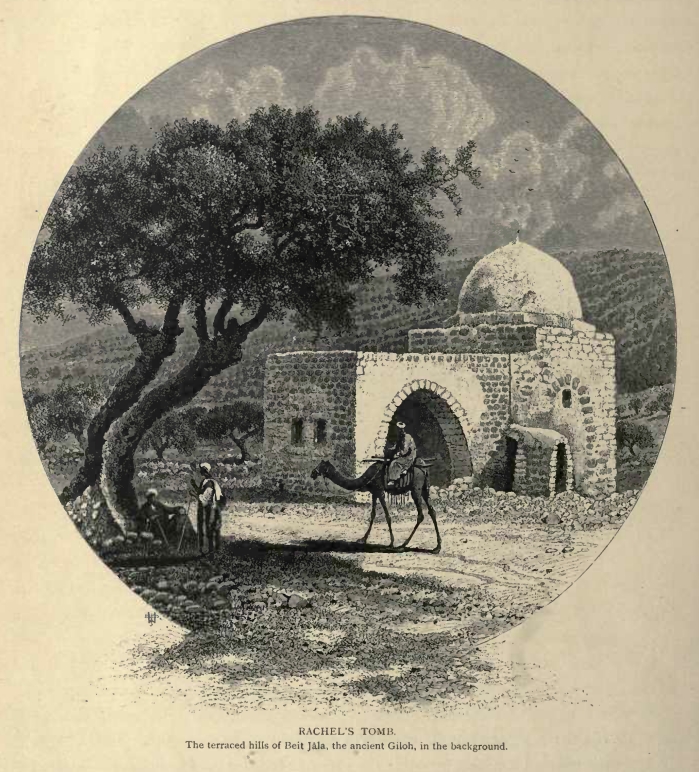 🇵🇸 Palestine and 1 moreRachel's TombQever Raḥel / Qabr Rāḥīl
A shared holy site in Bethlehem revered by Jews, Christians, and Muslims.Tradition · Speaking with spirits and the dead · Protection Living
 🇩🇪 Germany and 7 moreWalpurgis NightWalpurgisnacht
A spring vigil marking the eve of Saint Walpurga's feast day with bonfires and student festivalsRite · Protection · Speaking with spirits and the dead Living
 🇳🇬 Nigeria and 2 moreOpon IfáỌpọ́n Ifá
A carved wooden tray used by Yoruba diviners to read signs and consult spirits.Charm · Seeing and foretelling · Speaking with spirits and the dead Living
 🇸🇦 Saudi Arabia and 1 moreDhikrذِكْر
Islamic remembrance of God through repeated recitation and prayerRite · Speaking with spirits and the dead · Power and authority Living
 🇬🇷 Greece and 5 moreCrossroads (folklore)
A junction between worlds where spirits are met and deals are madeBelief · Speaking with spirits and the dead · Cursing and harm Living
 🇮🇱 Israel and 5 moreTefillinתְּפִלִּין
Black leather boxes containing Torah scrolls, worn by Jewish men during weekday prayers.Charm · Speaking with spirits and the dead · Protection Living
 🇮🇳 India and 5 moreShakta pithasशाक्त पीठ (Śākta Pīṭha)
Sacred shrines in Shaktism marking where parts of the goddess Sati fell to earth.Tradition · Speaking with spirits and the dead · Power and authority Living
 🇲🇳 Mongolia and 2 moreMongolian shamanismBöö Mörgöl
The animistic and shamanic ethnic religion of the Mongols, involving spirit worship and ritual intercession.Tradition · Protection · Healing Living
 🇮🇳 India and 5 moreMandalaमण्डल
A sacred geometric design used in Indian religions for meditation and spiritual mapping.Tradition · Speaking with spirits and the dead · Wonder and entertainment Living
 🇸🇩 Sudan and 5 moreIncense
Aromatic plant material that releases scent when heated or burnedSubstance · Protection · Speaking with spirits and the dead Living
 🇯🇵 JapanMount Osore恐山
A volcanic pilgrimage site in Japan believed to be a gateway to the underworldTradition · Speaking with spirits and the dead · Protection Living
 🇰🇷 South Korea and 1 moreKorean shaman무당 (mudang)
A ritual specialist in Korean folk religion who mediates between humans and spirits through gut ceremonies.Tradition · Healing · Protection Living
 🇹🇭 Thailand and 3 moreThai Buddha amuletsพระเครื่อง (phrakhrueang)
Sacred Buddhist images and relics worn for protection, merit, and fortune in Thailand.Charm · Protection · Luck and prosperity Living
 🇪🇸 Spain and 5 moreSt John's Eve
A Christian vigil marked by bonfires and plant gathering on the summer solstice eveRite · Protection · Speaking with spirits and the dead Living
 🇮🇱 Israel and 4 moreIsaac Luriaיִצְחָק בן שלמה אשכנזי לוּרְיָא
A sixteenth-century rabbi who founded modern Kabbalah through oral teachings in Safed.Text · Speaking with spirits and the dead · Change and initiation Living
 🇮🇳 India and 5 morePilgrimage
A journey to a sacred site for spiritual growth or religious dutyTradition · Healing · Speaking with spirits and the dead Living
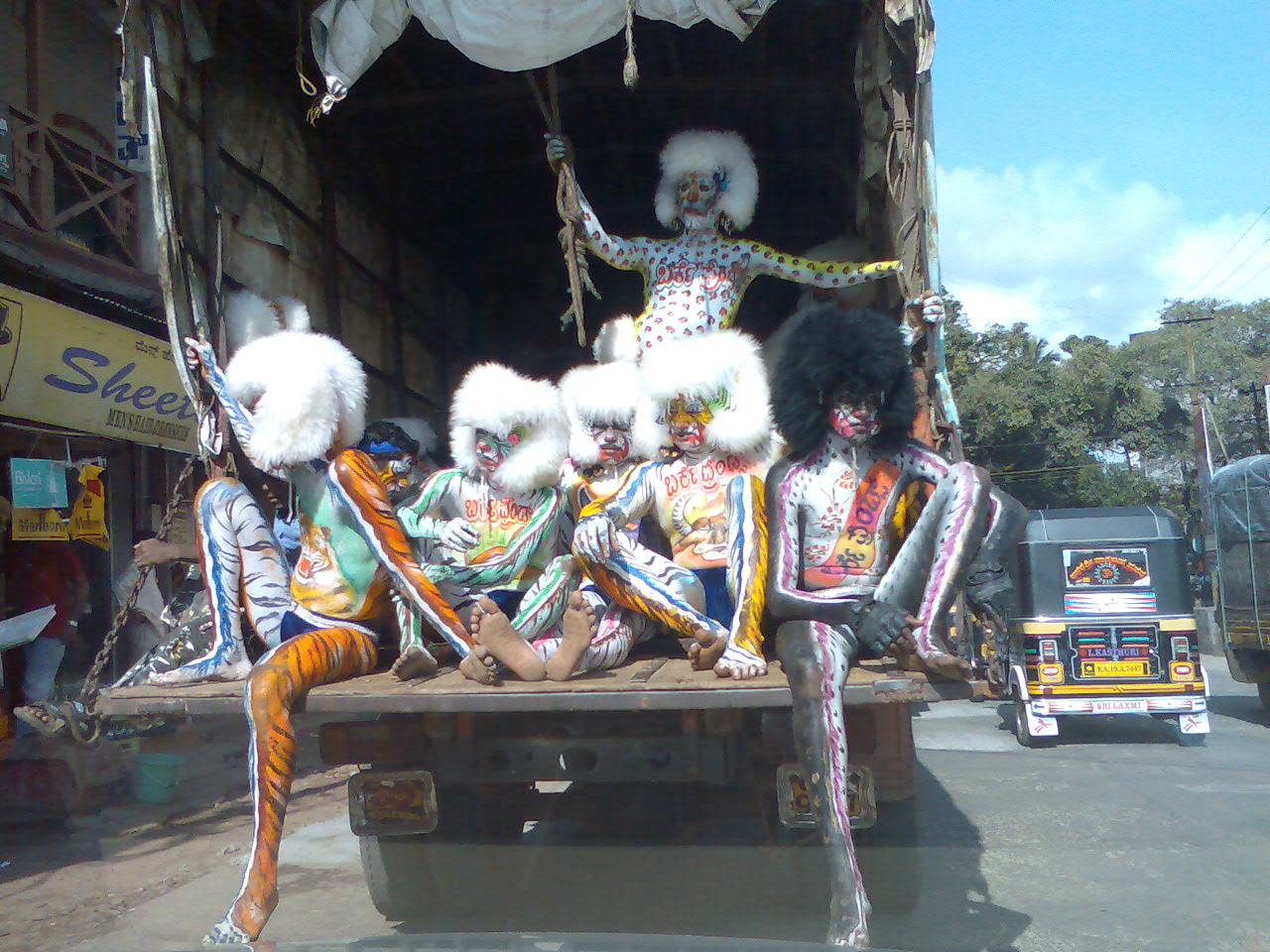 🇮🇳 IndiaPili Yesaಪಿಲಿವೇಷ
A coastal Karnataka folk dance where performers paint themselves as tigers to honour the Goddess DurgaIllusion · Speaking with spirits and the dead · Luck and prosperity Living
🇮🇳 IndiaMuhurtamuhūrta
A Hindu unit of time used to select auspicious moments for rituals and daily practiceBelief · Power and authority · Speaking with spirits and the dead Living
 🇧🇯 Benin and 5 moreVodun art
Religious sculpture and temple painting from West African Vodun traditionsTradition · Protection · Speaking with spirits and the dead Living
 🇬🇧 United KingdomEnglish folklore
The myths, legends, and customs of England passed down through generations.Tradition · Protection · Cursing and harm Living
🇲🇽 Mexico and 5 moreFolk Catholicism
Local religious customs that blend official Church teaching with indigenous or regional traditions.Tradition · Protection · Healing Living
 🇵🇪 Peru and 2 moreInca religion
The polytheistic beliefs and rites of the Inca Empire across the AndesTradition · Protection · Luck and prosperity Historical
 🇯🇵 JapanItakoイタコ
Blind women in Japan who train to channel spirits and communicate with the dead.Tradition · Speaking with spirits and the dead · Seeing and foretelling Fading
 🇮🇳 India and 5 moreSnake worship
Veneration of serpents as divine or ancestral beings across global culturesTradition · Protection · Healing Living
 🇮🇳 India and 5 moreSpirit possession
A state where a human body is controlled by an external spirit or deityBelief · Healing · Seeing and foretelling Living
 🇮🇪 Ireland and 5 moreHoly well
A water source revered for healing and ritual across pagan and Christian traditionsTradition · Healing · Speaking with spirits and the dead Living
 🇬🇧 United Kingdom and 5 moreDruidry
A modern nature religion inspired by ancient Celtic priests and Romantic idealsTradition · Protection · Speaking with spirits and the dead Living
Photo credits on this page
The small pictures above come from Wikimedia Commons under free licences. Some are cropped to fit.
- Rada lwa: Calvin Hennick, for WBUR Boston, CC BY 3.0, source
- Jesa: by Joseph Steinberg (Baltimoron in Korea) at Flickr, CC BY-SA 2.0, source
- Ancient Mesopotamian religion: editor Austen Henry Layard , drawing by L. Gruner, Public domain, source
- Isaac Luria: Louski1, CC BY-SA 3.0, source
- English folklore: J. R. Skelton, Public domain, source
- Spirit possession: Unknown author, CC BY 4.0, source
- Holy well: The Speckled Bird, CC BY-SA 4.0, source
- Ancient Egyptian religion: Moh hakem, CC BY-SA 4.0, source
- Mandala: Marion Golsteijn, CC BY-SA 3.0, source
- Incense: nakimusi, CC BY 2.0, source
- Babaylan: Hptina24, CC BY-SA 4.0, source
- Ainu religion: Unknown author, Public domain, source
- Mani stone: John Hill, CC BY-SA 4.0, source
- Opon Ifá: Unknown author, CC BY 3.0, source
- Dhikr: Eugène Baugnies, Public domain, source
- Crossroads (folklore): MiddleOfAfrica, CC BY-SA 4.0, source
- Tefillin: Brooklyn Museum, CC BY 3.0, source
- Shakta pithas: Abhishek Chandra, Public domain, source
- Mongolian shamanism: Enrique Bendicho, CC BY-SA 4.0, source
- Mount Osore: Douglas P Perkins ( Douglaspperkins ( talk )), CC BY 3.0, source
- Korean shaman: Hyewon Shin Yun-bok (申潤福: 1758-early 19th century) (혜원 신윤복 (申潤福: 1758-, Public domain, source
- Thai Buddha amulets: User:Mattes, Public domain, source
- St John's Eve: Jules Breton, Public domain, source
- Pilgrimage: Ali Mansuri, CC BY-SA 2.5, source
- Pili Yesa: Premnath Kudva, CC BY 3.0, source
- Vodun art: Fraipont, Gustave (1849-1923), Public domain, source
- Inca religion: Chronicler Martín of Murúa (Cronista Martín de Murúa), Public domain, source
- Itako: User Geomr~commonswiki self upload, CC BY-SA 3.0, source
- Snake worship: Alexandermcnabb, CC BY-SA 4.0, source
- Mediumship: Harvey Metcalfe, Public domain, source
- Lwa: Hector Hyppolite, Public domain, source
- Kava culture: Jaejay77, CC BY-SA 4.0, source
- Rachel's Tomb: Lane-Poole, Stanley, Public domain, source
- Shinto shrine: No machine-readable author provided. Fg2 assumed (based on copyright c, Public domain, source
- Séance: Unknown author, Public domain, source
- Druidry: TheJaySpearing, CC BY-SA 4.0, source
- Walpurgis Night: Luis Ricardo Falero, Public domain, source
- Eshu: Sailko, CC BY 3.0, source
- Sarnaism: বুদ্ধি, CC BY-SA 4.0, source
- Amun: MusikAnimal, CC BY-SA 4.0, source
- Lithuanian mythology: Prussian historian Christophorus Hartknoch (1644-1687), Public domain, source
- Kejawèn: Greenland4, Public domain, source
- Diya: Suyash Dwivedi, CC BY-SA 4.0, source