Speaking with spirits and the dead
Mediumship, ancestor rites, possession and the offerings made to the unseen.
Speaking with spirits and the dead is the aim of mediumship, ancestor rites, possession and necromancy. It runs from the spirit mediums of Korea and Brazil to Vodou possession, Chinese ancestor offerings, the Mexican Day of the Dead, Victorian spiritualism and the Witch of Endor of the Bible. It is a central practice in some living religions and a frequent target of fraud in others. This page covers who speaks to the dead and how they are judged.
Ways of contact
Methods differ. In possession, a spirit or deity is said to speak through the body of a medium, as in Vodou, Candomblé, Haitian and Brazilian rites, and in Korean gut. In trance or dream, a shaman travels to the spirit world. In offerings and festivals, families feed and talk to ancestors, as in the Hungry Ghost month in China and the ofrenda in Mexico. Spiritualism added the seance and the table-rapping of the 1840s.
Who may
In many societies, women lead: Korean mudang, Okinawan yuta, Brazilian mães de santo and the Western spiritualist mediums of the nineteenth century, who found in mediumship a public role denied elsewhere. Elsewhere, the role is for elders and ancestors' descendants. Some traditions require initiation, and some say contact with the dead is not for outsiders to attempt. Spirits and ancestors are not always friendly: mediums report angry, hungry or lost beings, and rites exist for settling them, such as offerings for neglected ancestors in China and Vietnam.
Authority and fear
Religions disagree. Christianity, Judaism and Islam each forbid certain contact with the dead while honouring prayer for them. Spiritist movements around Kardec in Brazil and France treat communication as a doctrine. Colonial authorities banned possession cults in many places, often labelling them devil worship, and some Pentecostal churches today condemn them in the same terms. The rites are widely found in Africa too, where ancestors are consulted at the family shrine and are held to watch over the living.
Fraud, grief and study
Grieving people are vulnerable. Fraudulent mediums, from the Fox sisters, who confessed in 1888, to modern cold readers, have taken money by exploiting loss. Researchers point to cold reading and to the ideomotor effect behind the Ouija board. Many bereaved people also report real comfort from rites that keep a bond with the dead, and counsellors acknowledge that continuing bonds are common. Doctors and psychologists note that a grief reaction can include hearing or sensing the dead, which is common and not in itself a sign of illness.
Speaking with spirits and the dead on EveryJaadu
The entries written up so far, best known first.
 🇵🇭 PhilippinesBabaylan
Spiritual leaders of pre-colonial Philippines who mediated with the unseen world.Tradition · Healing · Seeing and foretelling Historical
 🇹🇭 Thailand and 3 moreThai Buddha amuletsพระเครื่อง (phrakhrueang)
Sacred Buddhist images and relics worn for protection, merit, and fortune in Thailand.Charm · Protection · Luck and prosperity Living
 🇻🇳 VietnamĐạo Mẫu
A Vietnamese shamanic tradition honouring mother goddesses through ritual performance.Tradition · Speaking with spirits and the dead · Power and authority Living
 🇵🇭 PhilippinesPhilippine mythology
The indigenous stories and spirits of the Philippines, shaped by centuries of trade and colonization.Tradition · Speaking with spirits and the dead · Power and authority Living
🇮🇩 Indonesia and 3 moreOrang bunian
Invisible supernatural beings in Malay and Indonesian folklore who live alongside humans.Being · Speaking with spirits and the dead Legendary
 🇮🇩 Indonesia and 4 moreKejawènꦏꦗꦮꦺꦤ꧀ (Kajawèn)
A Javanese tradition blending animism, Hinduism, Buddhism and Islam into a path of inner harmony.Tradition · Protection · Speaking with spirits and the dead Living
 🇲🇲 MyanmarNatနတ်
Spirits venerated in Myanmar alongside Buddhism, including deified humans and nature guardians.Tradition · Protection · Speaking with spirits and the dead Living
 🇮🇩 IndonesiaNyepiᬜᬾᬧᬶ
A Balinese Hindu holiday of total silence, fasting, and darkness marking the new year.Tradition · Cleansing and purification · Speaking with spirits and the dead Living
 🇹🇭 Thailand and 7 moreSpirit house
A small shrine found across Southeast Asia to appease local protective spiritsTradition · Protection · Speaking with spirits and the dead Living
 🇹🇭 ThailandYi Pengยี่เป็ง
A northern Thai festival of lights featuring sky lanterns and Buddhist merit-makingTradition · Speaking with spirits and the dead · Luck and prosperity Living
 🇹🇭 Thailand and 1 moreGhosts in Thai cultureผี (phi)
A wide range of spirits and ghosts found in Thai folklore and popular belief.Belief · Protection · Cursing and harm Living
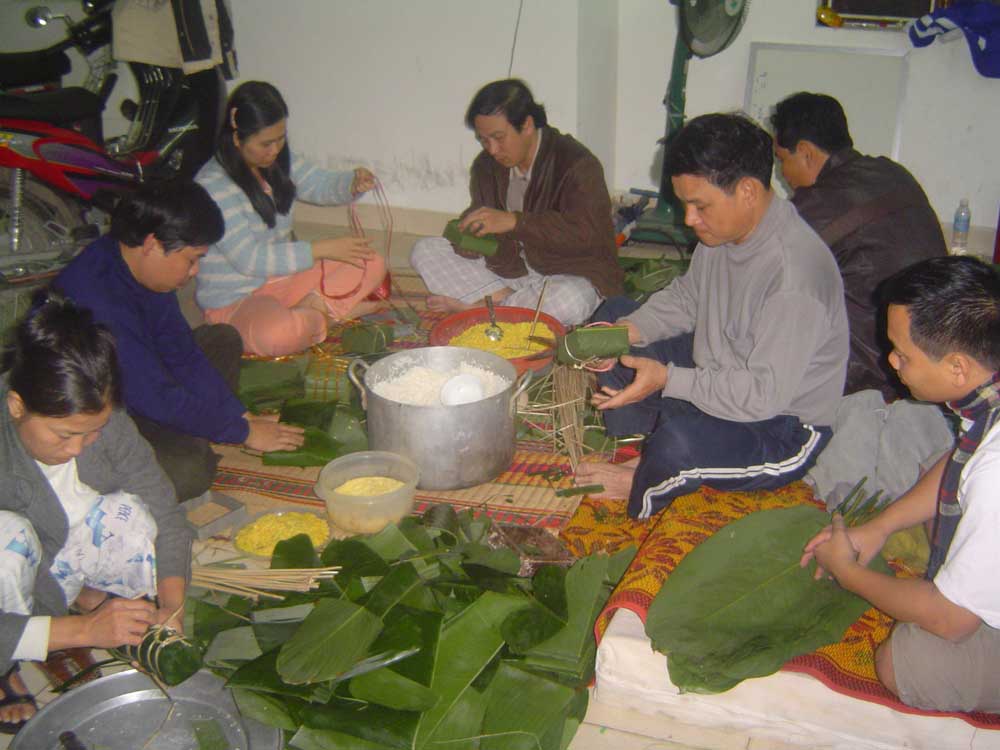 🇻🇳 Vietnam and 5 moreTếtTết Nguyên Đán
The Vietnamese lunisolar new year and the most important annual celebration in VietnamTradition · Luck and prosperity · Speaking with spirits and the dead Living
🇲🇾 MalaysiaPelesit
A familiar spirit in Malay folklore, usually appearing as a cricket or grasshopperBeing · Speaking with spirits and the dead Legendary
 🇻🇳 Vietnam and 4 moreLên đồng
A Vietnamese ritual where mediums enter trance to channel spiritsRite · Speaking with spirits and the dead · Protection Living
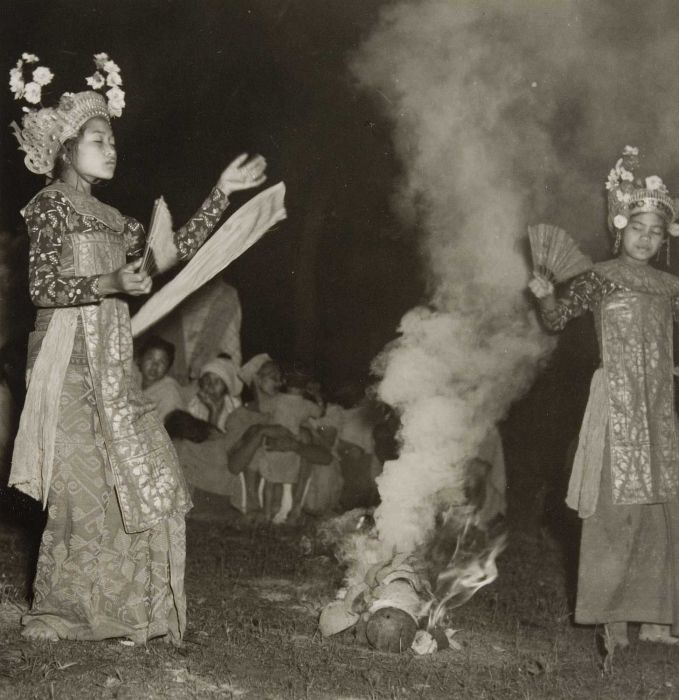 🇮🇩 IndonesiaSanghyangᬲᬂᬳ᭄ᬬᬂ (Tari Sanghyang)
A Balinese sacred dance where performers enter trance to host spiritual entitiesIllusion · Speaking with spirits and the dead Living
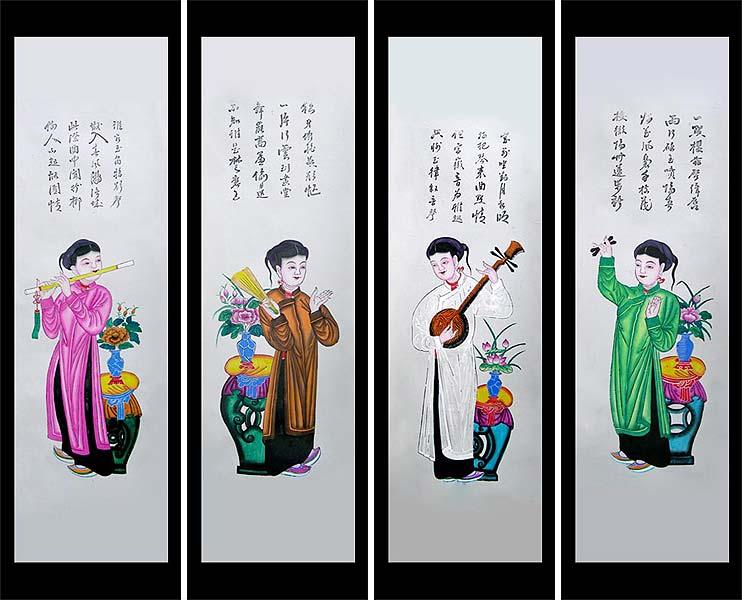 🇻🇳 Vietnam and 1 moreVietnamese folk religiontín ngưỡng dân gian Việt Nam
A collection of local spirit worship and ancestral veneration in VietnamTradition · Protection · Healing Living
 🇲🇲 MyanmarBurmese folk religionNat Worship
Animistic worship of nature spirits and ancestors in Myanmar, often practiced alongside Buddhism.Tradition · Protection · Luck and prosperity Living
 🇵🇭 PhilippinesAnito
Indigenous Philippine spirits and the carved figures that represent themBeing · Protection · Speaking with spirits and the dead Living
 🇱🇦 Laos and 3 moreTai folk religionສາສະໜາຜີ
Spirits, ancestor rites, and soul-calling ceremonies of the Tai peoplesTradition · Protection · Healing Living
 🇻🇳 Vietnam and 2 moreVietnamese numismatic charmsBùa Việt Nam
Coin-shaped charms used for protection, luck, and ritual in Vietnamese cultureCharm · Protection · Luck and prosperity Historical
🇮🇩 IndonesiaIndonesian numismatic charmUang Gobog
Coin-like amulets from Indonesia used for protection and ritual offerings.Charm · Protection · Luck and prosperity Living
🇻🇳 VietnamChầu vănHát chầu văn
A Vietnamese trance singing art used in deity mediumship ritualsIllusion · Speaking with spirits and the dead Living
 🇵🇭 Philippines and 1 moreIndigenous Philippine shrines and sacred groundsdambana
Sacred sites in the Philippines used for communication with spirits and ancestors.Tradition · Speaking with spirits and the dead · Protection Fading
🇲🇾 MalaysiaHantu Air
A Malay water spirit said to live in rivers, lakes and seasBeing · Speaking with spirits and the dead · Protection Fading
 🇲🇾 MalaysiaBobohizan
A high priestess and spirit medium in the traditional rituals of the Kadazan-Dusun people of Sabah.Tradition · Healing · Protection Fading
🇮🇩 Indonesia and 1 moreJailangkung
An Indonesian séance using a straw effigy to communicate with spirits of the dead.Rite · Speaking with spirits and the dead Living
 🇻🇳 VietnamThánh Trần worshiptín ngưỡng thờ Đức Thánh Trần
A Vietnamese folk cult around a deified general, reached through mediums in trance danceTradition · Protection · Speaking with spirits and the dead Living
 🇻🇳 Vietnam and 3 moreWhale worshipCá Ông
A folk practice across East and Southeast Asia honoring cetaceans as divine protectors of fishermenTradition · Protection · Luck and prosperity Living
 🇻🇳 VietnamMẫu Thượng Thiên母上天
One of the four heavenly mothers of the Four Palaces in Vietnamese folk religionBeing · Speaking with spirits and the dead Living
🇮🇩 IndonesiaSunda Wiwitanᮞᮥᮔ᮪ᮓ ᮝᮤᮝᮤᮒᮔ᮪
A folk religion of the Sundanese people in western Java, IndonesiaTradition · Protection · Speaking with spirits and the dead Living
🇻🇳 VietnamFour PalacesTứ Phủ
A Vietnamese spiritual system where mediums channel four elemental goddesses.Tradition · Speaking with spirits and the dead Living
 🇮🇩 Indonesia and 1 moreSandung
A house-shaped ossuary for the bones of the deceased among Dayak peoples in Borneo.Charm · Speaking with spirits and the dead · Power and authority Living
🇵🇭 PhilippinesIndigenous religious beliefs of the Tagbanwa people
The traditional spiritual system and rituals of the Tagbanwa indigenous community in the Philippines.Tradition · Protection · Healing Fading
🇮🇩 Indonesia and 2 moreHantu
A Malay and Indonesian term for spirits of the dead or nature beingsBeing · Speaking with spirits and the dead Living
 🇻🇳 Vietnam and 1 moreÔng Trời
A sky god of Vietnamese folk religion, later linked to the Taoist Jade EmperorBeing · Protection · Power and authority Living
🇵🇭 PhilippinesIndigenous Philippine folk religions
The native animist belief systems of the various ethnic groups in the Philippines.Tradition · Speaking with spirits and the dead · Protection Living
 🇮🇩 IndonesiaMarapu
Ancestral religion of Sumba and Flores in IndonesiaTradition · Speaking with spirits and the dead · Protection Living
🇰🇭 CambodiaMrenh kongvealម្រេញគង្វាល
Khmer jungle spirits said to guard animals and guide people through dreamsBeing · Protection · Speaking with spirits and the dead Living
🇻🇳 VietnamVietnamese ghostsHồn ma
Wandering spirits in Vietnam, and the rites held to feed or calm themBeing · Protection · Speaking with spirits and the dead Living
Photo credits on this page
The small pictures above come from Wikimedia Commons under free licences. Some are cropped to fit.
- Witchcraft in the Philippines: The original uploader was Rodsan18 at English Wikipedia . ( Original t, CC BY 2.5, source
- Babaylan: Hptina24, CC BY-SA 4.0, source
- Thai Buddha amulets: User:Mattes, Public domain, source
- Indigenous Philippine shrines and sacred grounds: Firth m, CC BY-SA 4.0, source
- Đạo Mẫu: Vũ Tiến Lâm, CC BY-SA 4.0, source
- Bobohizan: Ricardo Unto, CC BY-SA 4.0, source
- Kejawèn: Greenland4, Public domain, source
- Nat: Emily Khine, CC BY-SA 4.0, source
- Nyepi: Matt Croxson, Public domain, source
- Spirit house: Chainwit., CC BY-SA 4.0, source
- Marapu: Unknown author, CC BY-SA 3.0, source
- Yi Peng: Takeaway, CC BY-SA 3.0, source
- Ghosts in Thai culture: Heinrich Damm ( User:Hdamm , Hdamm at de.wikipedia.org ), CC BY 2.0, source
- Tết: vi:Lưu Ly, Public domain, source
- Sandung: Wibowo Djatmiko ( Wie146 ), CC BY-SA 3.0, source
- Tai folk religion: ( เทวประภาส มากคล้าย ), Tevaprapas, Public domain, source
- Lên đồng: Khangoii, CC BY-SA 4.0, source
- Whale worship: Bùi Thụy Đào Nguyên, CC BY-SA 3.0, source
- Mẫu Thượng Thiên: Four Palaces - Tứ Phủ ( https://facebook.com/fourpalaces.mothergoddess, CC BY 4.0, source
- Ông Trời: Bùi Thụy Đào Nguyên, CC BY-SA 3.0, source
- Sanghyang: Unknown author, CC BY-SA 3.0, source
- Vietnamese numismatic charms: Jean-Michel Moullec, CC BY 2.0, source
- Vietnamese folk religion: Unknown (traditional painting dated back to the 17th century), Public domain, source
- Thánh Trần worship: Rio Lam, CC BY-SA 4.0, source
- Burmese folk religion: Wagaung ( talk ), CC BY-SA 3.0, source
- Anito: Frederic H. Sawyer, Public domain, source