Chuseok
In its own language: 추석 (Chuseok), 한가위 (Hangawi)
from Old Korean 'the great middle [of autumn]', lit. 'autumn evening'
A Korean autumn harvest festival marked by ancestral rites and feasting on the full moon.
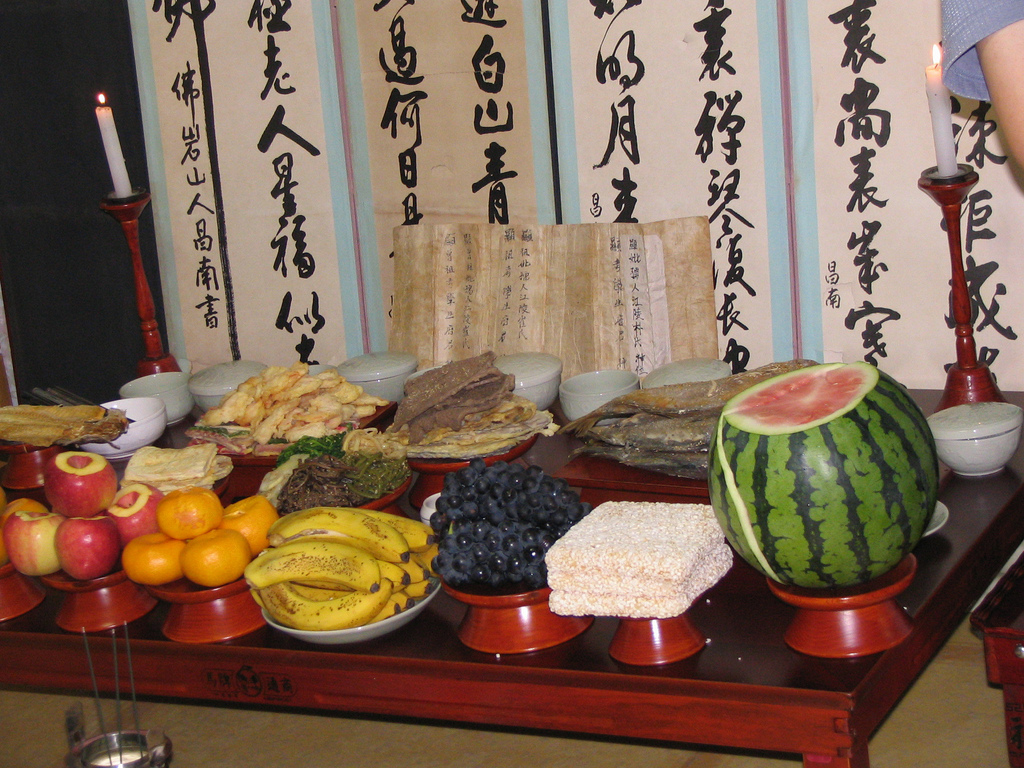
Chuseok is a major Korean mid-autumn harvest festival celebrated on the 15th day of the 8th lunar month. It honors ancestors through memorial services and grave visits while celebrating the season's bounty with traditional foods and folk games.
- Chuseok occurs on the 15th day of the 8th lunar month.
- Songpyeon rice cakes are steamed over pine needles.
- Half-moon shapes symbolize victory and bright futures.
- Ssireum wrestling contests award bulls and rice.
- Ganggangsullae dance is performed in circles under the moon.
What it is
Chuseok is a major Korean mid-autumn harvest festival occurring on the 15th day of the 8th lunar month. Known as Hangawi, it celebrates the bountiful harvest and honors ancestors. The festival lasts three days in South Korea but only one day in North Korea. Families gather to share feasts and perform rituals to give thanks for the season's crops.
Where it comes from
Popular belief traces Chuseok to gabae, a weaving contest from the Silla kingdom era. Scholars suggest origins in ancient shamanistic harvest moon celebrations. New harvests were offered to local deities and ancestors. In areas without annual harvests, the festival is not celebrated or is postponed.
How it is done
Families visit ancestral hometowns and perform Charye, a memorial service at home. They also visit graves for Seongmyo, tidying the area with Beolcho. Ancestors' favorite meals are prepared as offerings. Folk games like ssireum wrestling and Ganggangsullae dancing are played under the full moon.
Tools and materials
Songpyeon rice cakes steamed over pine needles are central. Rice wines like sindoju and dongdongju are served. Hanbok traditional clothing is worn. Foods include yakgwa cookies, fruits, and fresh vegetables arranged according to specific directional traditions.
Chuseok, drawn and placed
- Living
- Revived
- Fading
- Historical
- Legendary
- Performed
- Lineage
- Korean mid-autumn harvest festival
- Timing
- 15th day of the 8th lunar month
What it is for
The festival aims to honor ancestors and celebrate the harvest. Half-moon shaped songpyeon symbolize victory and a bright future. Making pretty songpyeon is believed to bring good husbands or beautiful daughters. It strives for a better year ahead.
Who does it
Households lead the preparations and rituals. Cooking takes hours starting early in the morning. Women prepare food, and families gather for communal feasting. The practice involves all generations participating in travel, ritual, and games.
Peoples and places
Koreans observe Chuseok across the peninsula. South Korea marks it as a three-day national holiday with widespread travel. North Korea observes it as a single-day celebration. The festival is distinct from other East Asian mid-autumn festivals despite shared roots.
At a glance: who, where and when
Who does it
Peoples
Belief worlds


What people believe
Ancestors' spirits are believed to protect descendants. Harvest crops are attributed to ancestral blessings. The half-moon shape of songpyeon predicts victory based on historical legends. Female forces in tug-of-war predict rich harvests if they win.
When it is done
Chuseok falls on the full moon of the 8th lunar month. It includes the days before and after the main date in South Korea. Folk games and dances occur specifically under the night sky during this time.
Days linked to Chuseok
Questions people ask about Chuseok
What is Chuseok?
Chuseok is a Korean mid-autumn harvest festival held on the 15th day of the 8th lunar month. It honors ancestors and celebrates the season's crops with feasts and rituals.
When is Chuseok celebrated?
It occurs on the full moon of the 8th lunar month. In South Korea, it spans three days including the surrounding dates, while North Korea celebrates it for one day.
What food is eaten during Chuseok?
Songpyeon rice cakes steamed over pine needles are essential. Families also eat yakgwa cookies, fresh fruits, and drink rice wines like sindoju to honor ancestors.
Why are songpyeon shaped like half moons?
The half-moon shape symbolizes victory and a bright future. Legends link these shapes to historical kingdoms, predicting success for those who make them beautifully.
Good reading and sources
- Chuseok on WikipediaEncyclopedia
- More photos on Wikimedia CommonsPhotos and video
- Wikidata recordOpen data
The facts on this page come from the Wikipedia article "Chuseok", written by its contributors and used under the CC BY-SA 4.0 licence, and from its Wikidata record (CC0). EveryJaadu rewrote the text in its own words, with AI assistance, and compares every page with the article to make sure no passage is copied. It may be reused under the same CC BY-SA 4.0 licence with a link back.
It may contain mistakes. Names and customs differ from one community to the next, and some knowledge is closed to outsiders and left out here. This page describes belief and practice. It does not say that any of it works, it is not a how-to, and it is not medical advice. If something is wrong, tell us. Last refreshed 2026-10-05.
More from South Korea
All the entries from South Korea 🇰🇷 South Korea and 3 moreKorean shamanism무속
A Korean folk religion centered on ritual specialists who mediate between humans and spiritsTradition · Protection · Healing Living
🇰🇷 South Korea and 3 moreKorean shamanism무속
A Korean folk religion centered on ritual specialists who mediate between humans and spiritsTradition · Protection · Healing Living
 🇨🇳 China and 1 moreBagua八卦
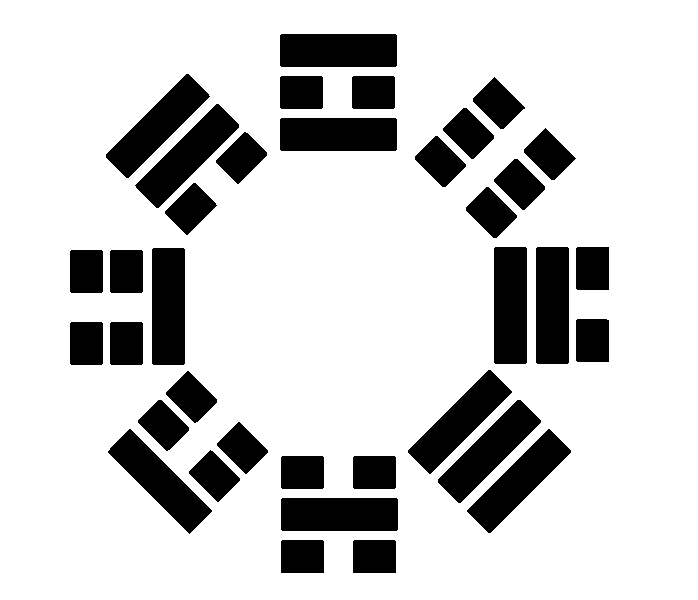
A set of eight trigram symbols from China used in divination, cosmology, and feng shui.Tradition · Seeing and foretelling · Protection Living
🇨🇳 China and 1 moreBagua八卦
A set of eight trigram symbols from China used in divination, cosmology, and feng shui.Tradition · Seeing and foretelling · Protection Living
 🇰🇷 South Korea and 1 moreKorean shamanismKorean shamanism (Korean: Korean shamanism)
A traditional practice of ritual specialists who mediate between the human and spirit worlds.Tradition · Healing · Protection Living
🇰🇷 South Korea and 1 moreKorean shamanismKorean shamanism (Korean: Korean shamanism)
A traditional practice of ritual specialists who mediate between the human and spirit worlds.Tradition · Healing · Protection Living
 🇰🇷 South Korea and 1 moreJangseung장승
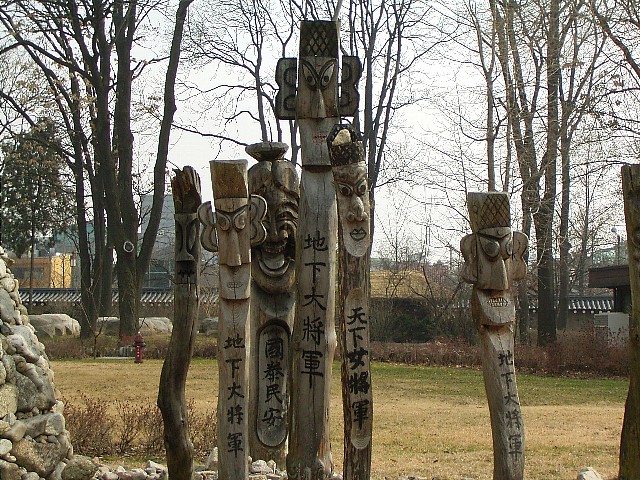
Wooden or stone poles that guard Korean villages and temples from evil spiritsTradition · Protection · Speaking with spirits and the dead Living
🇰🇷 South Korea and 1 moreJangseung장승
Wooden or stone poles that guard Korean villages and temples from evil spiritsTradition · Protection · Speaking with spirits and the dead Living
Related elsewhere
All tradition 🇬🇧 United Kingdom and 1 moreWell dressing
A rural English custom of decorating water sources with natural designsTradition · Protection · Speaking with spirits and the dead Living
🇬🇧 United Kingdom and 1 moreWell dressing
A rural English custom of decorating water sources with natural designsTradition · Protection · Speaking with spirits and the dead Living
 🇲🇽 MexicoCalavera
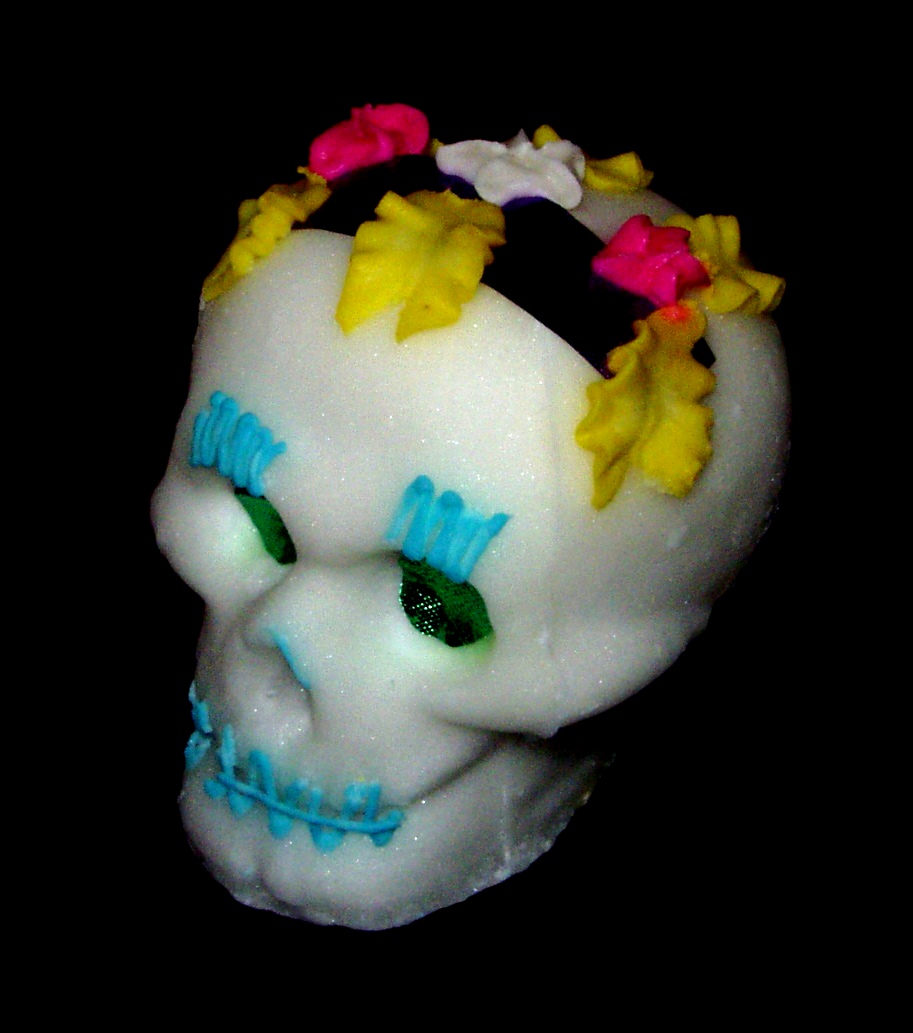
A sugar or clay skull used in Mexican Day of the Dead celebrations.Charm · Speaking with spirits and the dead · Luck and prosperity Living
🇲🇽 MexicoCalavera
A sugar or clay skull used in Mexican Day of the Dead celebrations.Charm · Speaking with spirits and the dead · Luck and prosperity Living
 🇬🇷 Greece and 5 moreCrossroads (folklore)
A junction between worlds where spirits are met and deals are madeBelief · Speaking with spirits and the dead · Cursing and harm Living
🇬🇷 Greece and 5 moreCrossroads (folklore)
A junction between worlds where spirits are met and deals are madeBelief · Speaking with spirits and the dead · Cursing and harm Living