Speaking with spirits and the dead
Mediumship, ancestor rites, possession and the offerings made to the unseen.
Speaking with spirits and the dead is the aim of mediumship, ancestor rites, possession and necromancy. It runs from the spirit mediums of Korea and Brazil to Vodou possession, Chinese ancestor offerings, the Mexican Day of the Dead, Victorian spiritualism and the Witch of Endor of the Bible. It is a central practice in some living religions and a frequent target of fraud in others. This page covers who speaks to the dead and how they are judged.
Ways of contact
Methods differ. In possession, a spirit or deity is said to speak through the body of a medium, as in Vodou, Candomblé, Haitian and Brazilian rites, and in Korean gut. In trance or dream, a shaman travels to the spirit world. In offerings and festivals, families feed and talk to ancestors, as in the Hungry Ghost month in China and the ofrenda in Mexico. Spiritualism added the seance and the table-rapping of the 1840s.
Who may
In many societies, women lead: Korean mudang, Okinawan yuta, Brazilian mães de santo and the Western spiritualist mediums of the nineteenth century, who found in mediumship a public role denied elsewhere. Elsewhere, the role is for elders and ancestors' descendants. Some traditions require initiation, and some say contact with the dead is not for outsiders to attempt. Spirits and ancestors are not always friendly: mediums report angry, hungry or lost beings, and rites exist for settling them, such as offerings for neglected ancestors in China and Vietnam.
Authority and fear
Religions disagree. Christianity, Judaism and Islam each forbid certain contact with the dead while honouring prayer for them. Spiritist movements around Kardec in Brazil and France treat communication as a doctrine. Colonial authorities banned possession cults in many places, often labelling them devil worship, and some Pentecostal churches today condemn them in the same terms. The rites are widely found in Africa too, where ancestors are consulted at the family shrine and are held to watch over the living.
Fraud, grief and study
Grieving people are vulnerable. Fraudulent mediums, from the Fox sisters, who confessed in 1888, to modern cold readers, have taken money by exploiting loss. Researchers point to cold reading and to the ideomotor effect behind the Ouija board. Many bereaved people also report real comfort from rites that keep a bond with the dead, and counsellors acknowledge that continuing bonds are common. Doctors and psychologists note that a grief reaction can include hearing or sensing the dead, which is common and not in itself a sign of illness.
Speaking with spirits and the dead on EveryJaadu
The entries written up so far, best known first.
 🇳🇴 Norway and 2 moreSámi drumgoavddis
A ceremonial instrument used by Sámi noaidi for trance and divinationTradition · Seeing and foretelling · Speaking with spirits and the dead Historical
🇳🇴 Norway and 2 moreSámi drumgoavddis
A ceremonial instrument used by Sámi noaidi for trance and divinationTradition · Seeing and foretelling · Speaking with spirits and the dead Historical
 🇬🇧 United KingdomHermetic Order of the Golden DawnOrdo Hermeticus Aurorae Aureae
A late-19th-century British magical order that shaped modern Western occultismTradition · Speaking with spirits and the dead · Change and initiation Historical
🇬🇧 United KingdomHermetic Order of the Golden DawnOrdo Hermeticus Aurorae Aureae
A late-19th-century British magical order that shaped modern Western occultismTradition · Speaking with spirits and the dead · Change and initiation Historical
 🇫🇷 France and 1 moreDruiddruides
A learned priestly class of the ancient Celts in Gaul and BritainTradition · Cursing and harm · Protection Historical
🇮🇹 ItalyLemuriaLemuralia
An ancient Roman festival to send restless ghosts away from the homeRite · Cleansing and purification · Speaking with spirits and the dead Historical
🇩🇪 Germany and 3 moreSixth and Seventh Books of Moses
A grimoire claiming to reveal the hidden spells of Moses for controlling spirits and natureText · Power and authority · Speaking with spirits and the dead Historical
🇫🇷 France and 1 moreDruiddruides
A learned priestly class of the ancient Celts in Gaul and BritainTradition · Cursing and harm · Protection Historical
🇮🇹 ItalyLemuriaLemuralia
An ancient Roman festival to send restless ghosts away from the homeRite · Cleansing and purification · Speaking with spirits and the dead Historical
🇩🇪 Germany and 3 moreSixth and Seventh Books of Moses
A grimoire claiming to reveal the hidden spells of Moses for controlling spirits and natureText · Power and authority · Speaking with spirits and the dead Historical
 🇵🇸 PalestineHekhalot literatureספרות ההיכלות והמרכבה
Jewish visionary texts describing ascents to heavenly palaces and chariotsText · Speaking with spirits and the dead · Change and initiation Historical
🇯🇵 JapanKitsunetsuki狐憑き
A Japanese folk belief in which a fox spirit enters and controls a human host.Belief · Cursing and harm · Speaking with spirits and the dead Historical
🇵🇸 PalestineHekhalot literatureספרות ההיכלות והמרכבה
Jewish visionary texts describing ascents to heavenly palaces and chariotsText · Speaking with spirits and the dead · Change and initiation Historical
🇯🇵 JapanKitsunetsuki狐憑き
A Japanese folk belief in which a fox spirit enters and controls a human host.Belief · Cursing and harm · Speaking with spirits and the dead Historical
 🇸🇪 SwedenTemple at Uppsala
A Norse religious centre described in medieval texts and debated by modern scholarsTradition · Speaking with spirits and the dead · Power and authority Historical
🇸🇪 SwedenTemple at Uppsala
A Norse religious centre described in medieval texts and debated by modern scholarsTradition · Speaking with spirits and the dead · Power and authority Historical
 🇪🇬 Egypt and 2 moreAmunjmn (Old/Middle Egyptian); Amoun (Coptic)
The hidden creator god of ancient Egypt, later fused with the sun deity Ra.Being · Power and authority · Protection Historical
🇪🇬 Egypt and 2 moreAmunjmn (Old/Middle Egyptian); Amoun (Coptic)
The hidden creator god of ancient Egypt, later fused with the sun deity Ra.Being · Power and authority · Protection Historical
 🇬🇧 United Kingdom and 1 moreJohn Dee
An English scholar and advisor to Elizabeth I who pursued angelic communication through scrying.Tradition · Speaking with spirits and the dead · Seeing and foretelling Historical
🇬🇧 United Kingdom and 1 moreJohn Dee
An English scholar and advisor to Elizabeth I who pursued angelic communication through scrying.Tradition · Speaking with spirits and the dead · Seeing and foretelling Historical
 🇪🇸 SpainSorginak
Mythical beings and historical figures associated with Basque witchcraft and the goddess Mari.Figure · Speaking with spirits and the dead · Cursing and harm Historical
🇫🇷 FrancePlanchette
A wooden device for automatic writing used in Victorian spiritualist séancesCharm · Speaking with spirits and the dead · Seeing and foretelling Historical
🇪🇸 SpainSorginak
Mythical beings and historical figures associated with Basque witchcraft and the goddess Mari.Figure · Speaking with spirits and the dead · Cursing and harm Historical
🇫🇷 FrancePlanchette
A wooden device for automatic writing used in Victorian spiritualist séancesCharm · Speaking with spirits and the dead · Seeing and foretelling Historical
 🇮🇹 ItalySibylline BooksLibri Sibyllini
Ancient Roman oracular texts consulted during state crises and disastersText · Protection · Speaking with spirits and the dead Historical
🇮🇹 ItalySibylline BooksLibri Sibyllini
Ancient Roman oracular texts consulted during state crises and disastersText · Protection · Speaking with spirits and the dead Historical
 🇬🇧 United Kingdom and 5 moreConcealed shoes
Shoes hidden in building structures as folk charms for protection and fertilityCharm · Protection · Speaking with spirits and the dead Historical
🇬🇧 United Kingdom and 5 moreConcealed shoes
Shoes hidden in building structures as folk charms for protection and fertilityCharm · Protection · Speaking with spirits and the dead Historical
 🇱🇾 Libya and 4 moreTraditional Berber religionAmazigh religion
Ancient beliefs of Northwest Africa centered on celestial bodies, caves, and ancestors.Tradition · Speaking with spirits and the dead · Luck and prosperity Historical
🇱🇾 Libya and 4 moreTraditional Berber religionAmazigh religion
Ancient beliefs of Northwest Africa centered on celestial bodies, caves, and ancestors.Tradition · Speaking with spirits and the dead · Luck and prosperity Historical
 🇫🇷 France and 2 moreÉliphas Lévi
A French writer who shaped modern occult thought and ceremonial magic.Text · Power and authority · Speaking with spirits and the dead Historical
🇫🇷 France and 2 moreÉliphas Lévi
A French writer who shaped modern occult thought and ceremonial magic.Text · Power and authority · Speaking with spirits and the dead Historical
 🇮🇶 Iraq and 5 moreGrimoire
A textbook containing instructions for spells, rituals, and the creation of magical objects.Text · Protection · Healing Historical
🇮🇶 Iraq and 5 moreGrimoire
A textbook containing instructions for spells, rituals, and the creation of magical objects.Text · Protection · Healing Historical
 🇵🇰 Pakistan and 4 moreLal Shahbaz Qalandarلعل شهباز قلندر
A Sufi saint and poet revered in South Asia, especially among the Sindhi people.Figure · Speaking with spirits and the dead Historical
🇵🇰 Pakistan and 4 moreLal Shahbaz Qalandarلعل شهباز قلندر
A Sufi saint and poet revered in South Asia, especially among the Sindhi people.Figure · Speaking with spirits and the dead Historical
 🇮🇹 ItalyEtruscan religion
The polytheistic beliefs and divination practices of the ancient Etruscans of ItalyTradition · Seeing and foretelling · Speaking with spirits and the dead Historical
🇮🇹 ItalyEtruscan religion
The polytheistic beliefs and divination practices of the ancient Etruscans of ItalyTradition · Seeing and foretelling · Speaking with spirits and the dead Historical
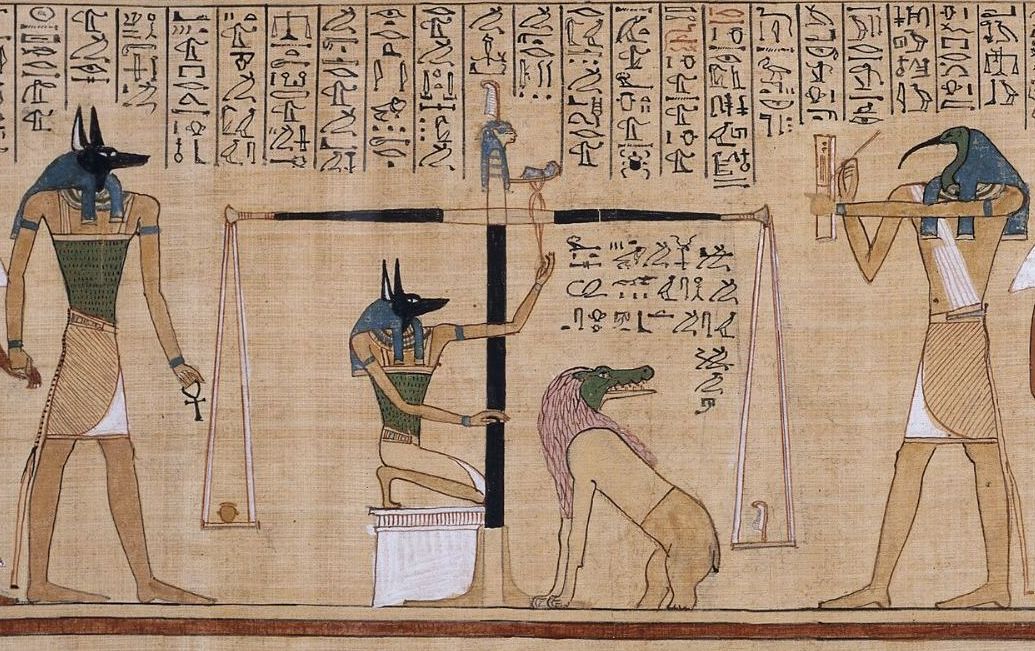 🇪🇬 EgyptAncient Egyptian afterlife beliefs
A system of rituals and texts guiding the soul through the underworld to eternal rebirthTradition · Protection · Speaking with spirits and the dead Historical
🇪🇬 EgyptAncient Egyptian afterlife beliefs
A system of rituals and texts guiding the soul through the underworld to eternal rebirthTradition · Protection · Speaking with spirits and the dead Historical
 🇮🇹 ItalyMarsilio Ficino
A Renaissance priest and philosopher who revived Plato and blended astrology with Christian theology.Text · Speaking with spirits and the dead · Healing Historical
🇮🇹 ItalyMarsilio Ficino
A Renaissance priest and philosopher who revived Plato and blended astrology with Christian theology.Text · Speaking with spirits and the dead · Healing Historical
 🇬🇷 GreeceOmphalosὀμφαλός
A sacred stone marking the center of the world in Greek myth and oracle practiceCharm · Speaking with spirits and the dead · Power and authority Historical
🇬🇷 GreeceOmphalosὀμφαλός
A sacred stone marking the center of the world in Greek myth and oracle practiceCharm · Speaking with spirits and the dead · Power and authority Historical
 🇪🇬 EgyptUshabtiwšbtj
Ancient Egyptian funerary figurines believed to work for the dead in the afterlifeCharm · Speaking with spirits and the dead Historical
🇪🇬 EgyptUshabtiwšbtj
Ancient Egyptian funerary figurines believed to work for the dead in the afterlifeCharm · Speaking with spirits and the dead Historical
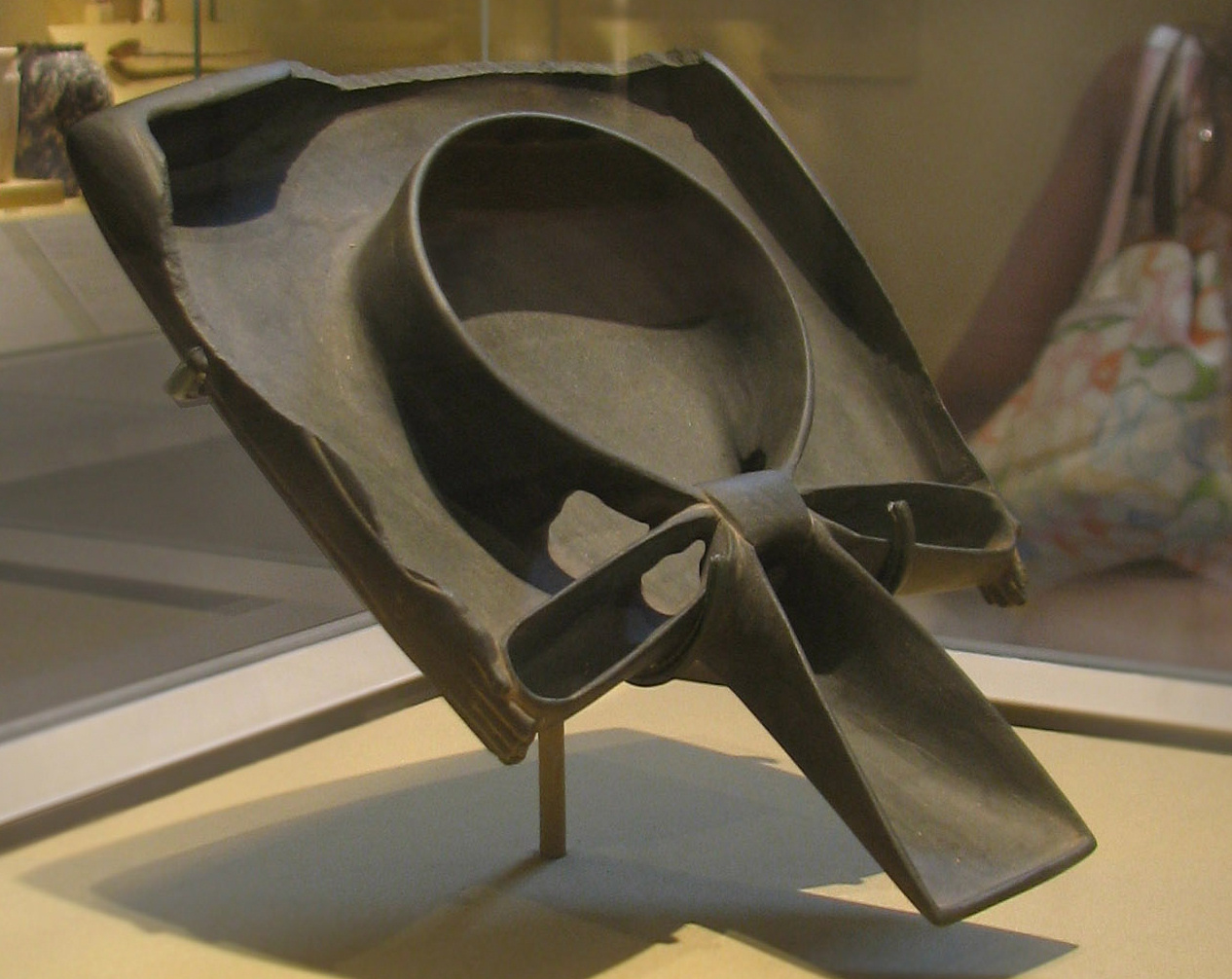 🇪🇬 Egypt and 2 moreAnkh
Ancient Egyptian hieroglyph for life and the amulet that carries its meaningCharm · Protection · Power and authority Historical
🇪🇬 Egypt and 2 moreAnkh
Ancient Egyptian hieroglyph for life and the amulet that carries its meaningCharm · Protection · Power and authority Historical
 🇮🇱 IsraelUrim and Thummimהָאוּרִים וְהַתֻּמִּים
Sacred lots used by the ancient Israelite High Priest to reveal divine judgment.Charm · Cursing and harm · Speaking with spirits and the dead Historical
🇷🇺 RussiaOssetian mythologyИрон мифологи
The beliefs and supernatural beings of the Ossetian people in the Caucasus.Tradition · Protection · Speaking with spirits and the dead Historical
🇮🇶 IraqKispu
An ancient Mesopotamian ritual to feed and honour the dead ancestorsRite · Speaking with spirits and the dead · Protection Historical
🇮🇱 IsraelUrim and Thummimהָאוּרִים וְהַתֻּמִּים
Sacred lots used by the ancient Israelite High Priest to reveal divine judgment.Charm · Cursing and harm · Speaking with spirits and the dead Historical
🇷🇺 RussiaOssetian mythologyИрон мифологи
The beliefs and supernatural beings of the Ossetian people in the Caucasus.Tradition · Protection · Speaking with spirits and the dead Historical
🇮🇶 IraqKispu
An ancient Mesopotamian ritual to feed and honour the dead ancestorsRite · Speaking with spirits and the dead · Protection Historical
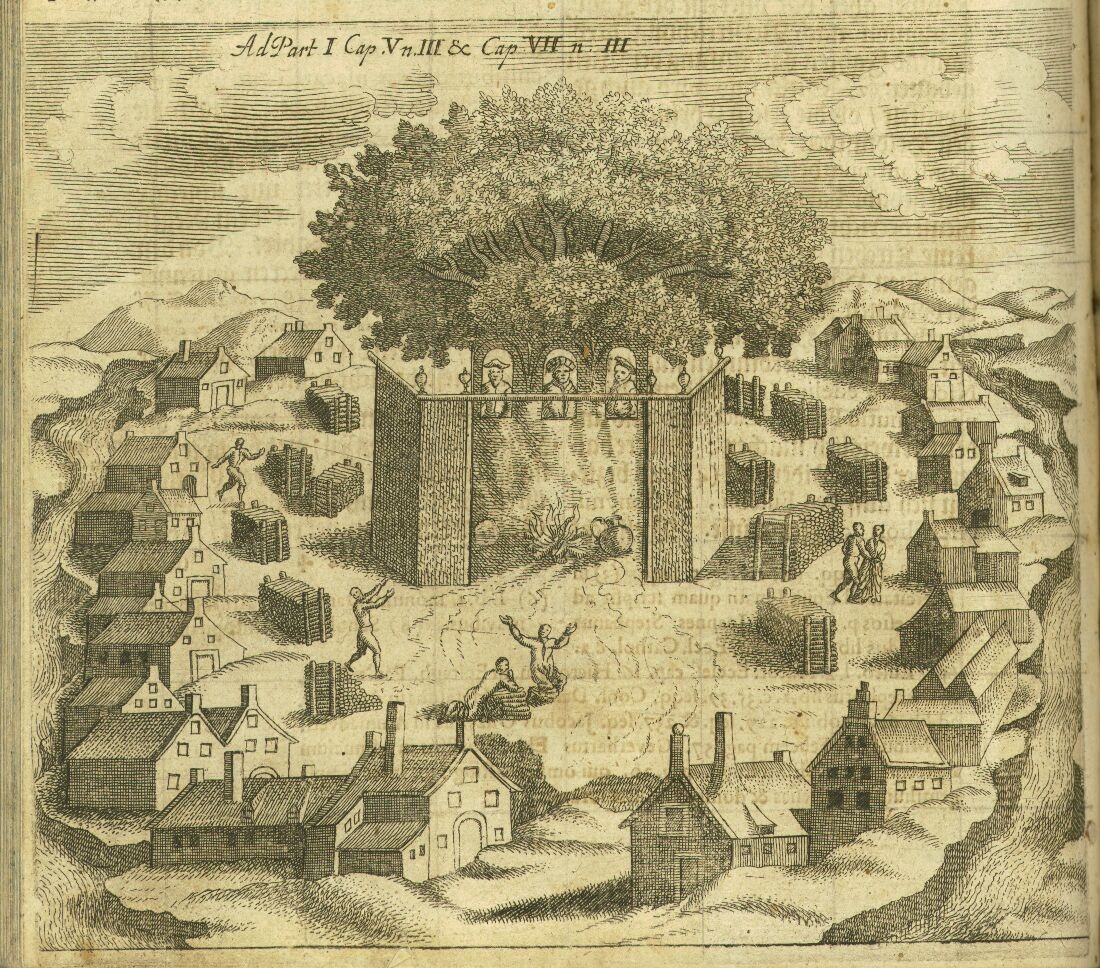 🇱🇹 Lithuania and 1 moreLithuanian mythologyLietuvių mitologija
The ancient polytheistic beliefs of the Baltic people, preserved in folklore and early chroniclesTradition · Speaking with spirits and the dead · Luck and prosperity Historical
🇬🇷 GreeceAncient Greek folklore
The oral stories, music and rituals of the ancient GreeksTradition · Speaking with spirits and the dead · Power and authority Historical
🇱🇹 Lithuania and 1 moreLithuanian mythologyLietuvių mitologija
The ancient polytheistic beliefs of the Baltic people, preserved in folklore and early chroniclesTradition · Speaking with spirits and the dead · Luck and prosperity Historical
🇬🇷 GreeceAncient Greek folklore
The oral stories, music and rituals of the ancient GreeksTradition · Speaking with spirits and the dead · Power and authority Historical
 🇬🇷 Greece and 2 moreGreco-Roman mysteriesμυστήρια
Secret religious schools of the ancient Mediterranean for initiates onlyTradition · Speaking with spirits and the dead · Power and authority Historical
🇬🇷 Greece and 2 moreGreco-Roman mysteriesμυστήρια
Secret religious schools of the ancient Mediterranean for initiates onlyTradition · Speaking with spirits and the dead · Power and authority Historical
 🇬🇷 GreeceEleusinian MysteriesἘλευσίνια Μυστήρια
Ancient Greek secret initiation rites honouring Demeter and Persephone at EleusisTradition · Change and initiation · Speaking with spirits and the dead Historical
🇬🇷 GreeceEleusinian MysteriesἘλευσίνια Μυστήρια
Ancient Greek secret initiation rites honouring Demeter and Persephone at EleusisTradition · Change and initiation · Speaking with spirits and the dead Historical
 🇪🇪 Estonia and 1 moreEstonian mythologyeesti mütoloogia
The pre-Christian beliefs and legends of the Estonian peopleTradition · Protection · Speaking with spirits and the dead Historical
🇫🇷 France and 3 moreChristian Kabbalah
A Renaissance effort to read Christian theology into Jewish mysticismTradition · Speaking with spirits and the dead · Cursing and harm Historical
🇯🇵 Japan and 1 moreKuji-in九字印
A system of nine syllables and hand gestures used for protection and spiritual alignment in Japanese esoteric traditionsRite · Protection · Speaking with spirits and the dead Historical
🇪🇪 Estonia and 1 moreEstonian mythologyeesti mütoloogia
The pre-Christian beliefs and legends of the Estonian peopleTradition · Protection · Speaking with spirits and the dead Historical
🇫🇷 France and 3 moreChristian Kabbalah
A Renaissance effort to read Christian theology into Jewish mysticismTradition · Speaking with spirits and the dead · Cursing and harm Historical
🇯🇵 Japan and 1 moreKuji-in九字印
A system of nine syllables and hand gestures used for protection and spiritual alignment in Japanese esoteric traditionsRite · Protection · Speaking with spirits and the dead Historical
 🇸🇪 Sweden and 1 moreNoaidi
A Sámi spiritual leader who mediated between the living and the spirit world using a drum.Being · Healing · Protection Historical
🇸🇪 Sweden and 1 moreNoaidi
A Sámi spiritual leader who mediated between the living and the spirit world using a drum.Being · Healing · Protection Historical
 🇵🇭 PhilippinesBabaylan
Spiritual leaders of pre-colonial Philippines who mediated with the unseen world.Tradition · Healing · Seeing and foretelling Historical
🇵🇭 PhilippinesBabaylan
Spiritual leaders of pre-colonial Philippines who mediated with the unseen world.Tradition · Healing · Seeing and foretelling Historical
 🇬🇷 GreeceKykeonκυκεών
An Ancient Greek ritual drink linked to the Eleusinian Mysteries and peasant lifeSubstance · Speaking with spirits and the dead · Wonder and entertainment Historical
🇪🇬 EgyptTheurgyθεουργία
A Neoplatonic ritual path to unite the soul with the divine through sacred actsTradition · Speaking with spirits and the dead · Change and initiation Historical
🇬🇷 GreeceKykeonκυκεών
An Ancient Greek ritual drink linked to the Eleusinian Mysteries and peasant lifeSubstance · Speaking with spirits and the dead · Wonder and entertainment Historical
🇪🇬 EgyptTheurgyθεουργία
A Neoplatonic ritual path to unite the soul with the divine through sacred actsTradition · Speaking with spirits and the dead · Change and initiation Historical
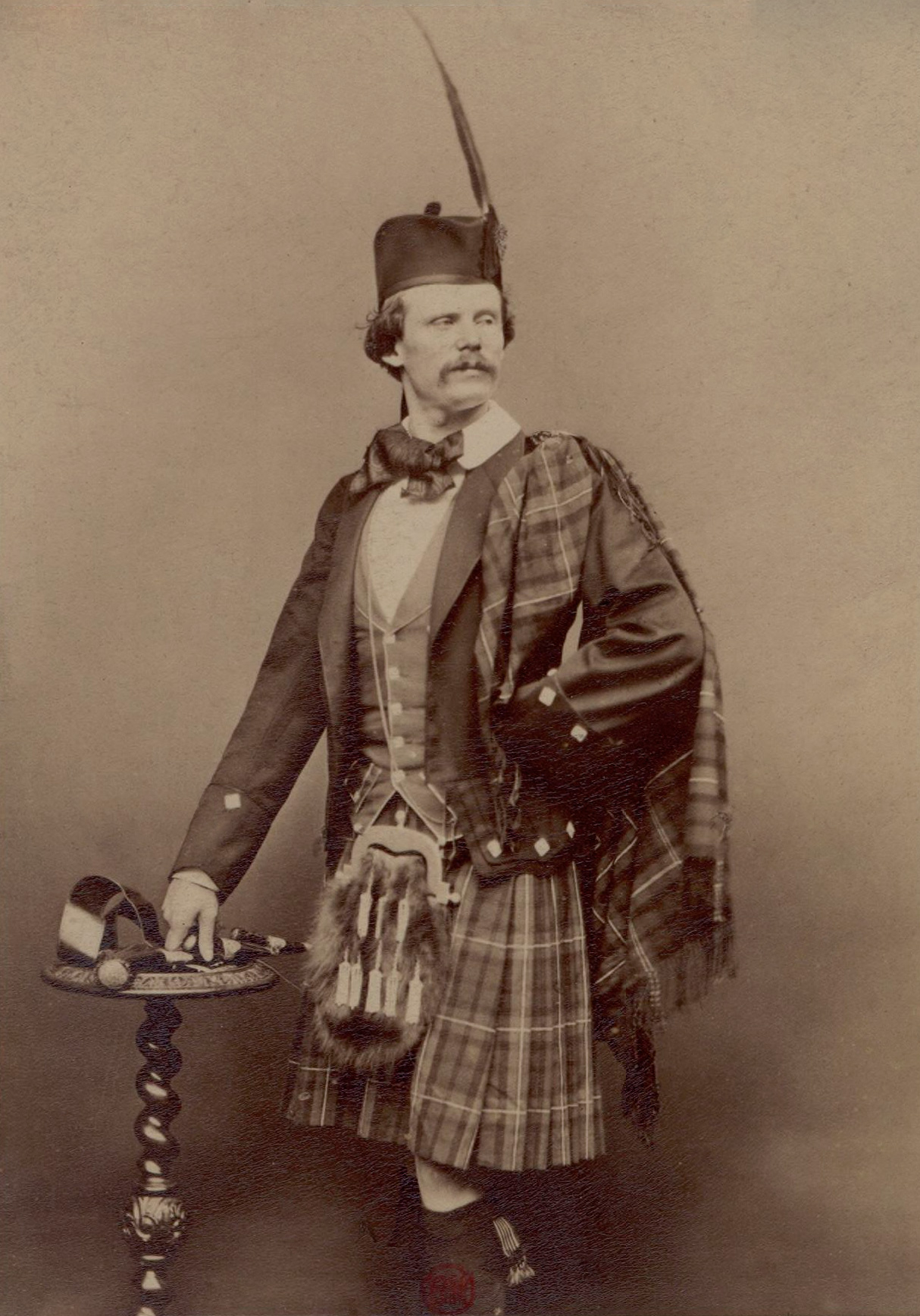 🇬🇧 United Kingdom and 2 moreDaniel Dunglas Home
A Scottish physical medium known for levitation and spirit communication during the Victorian era.Belief · Speaking with spirits and the dead · Wonder and entertainment Historical
🇬🇧 United Kingdom and 2 moreDaniel Dunglas Home
A Scottish physical medium known for levitation and spirit communication during the Victorian era.Belief · Speaking with spirits and the dead · Wonder and entertainment Historical
 🇮🇷 Iran and 2 moreSomaसोम
A sacred ritual drink of the ancient Vedic religion and its Iranian counterpartSubstance · Power and authority · Speaking with spirits and the dead Historical
🇮🇷 Iran and 2 moreSomaसोम
A sacred ritual drink of the ancient Vedic religion and its Iranian counterpartSubstance · Power and authority · Speaking with spirits and the dead Historical
 🇮🇹 Italy and 3 moreRenaissance magic
A 15th and 16th century revival of magical arts blending philosophy, astrology, and hidden knowledge.Tradition · Power and authority · Seeing and foretelling Historical
🇮🇹 Italy and 3 moreRenaissance magic
A 15th and 16th century revival of magical arts blending philosophy, astrology, and hidden knowledge.Tradition · Power and authority · Seeing and foretelling Historical
 🇮🇹 Italy and 2 moreHaruspex
A diviner who read the will of gods by inspecting animal entrailsFigure · Seeing and foretelling · Speaking with spirits and the dead Historical
🇮🇹 Italy and 2 moreHaruspex
A diviner who read the will of gods by inspecting animal entrailsFigure · Seeing and foretelling · Speaking with spirits and the dead Historical
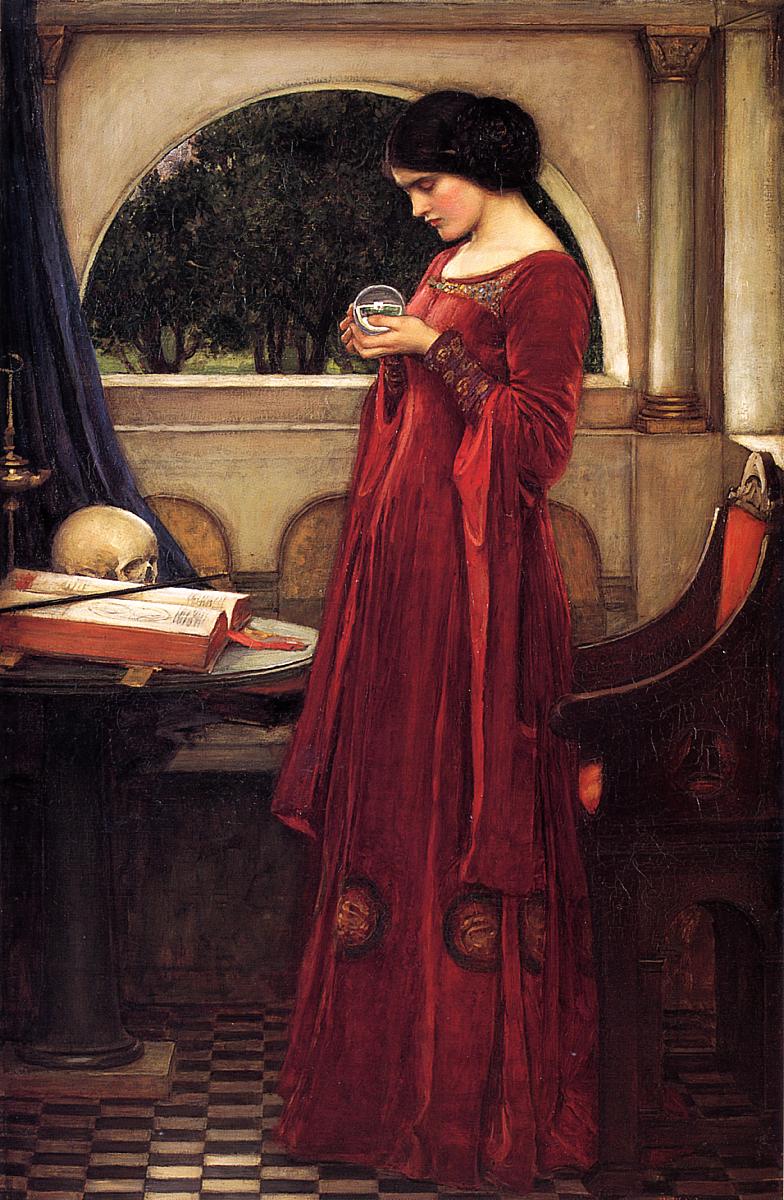 🇪🇬 EgyptScrying
A divination practice of gazing into a medium to receive visions or guidance.Oracle · Seeing and foretelling · Speaking with spirits and the dead Historical
🇪🇬 EgyptScrying
A divination practice of gazing into a medium to receive visions or guidance.Oracle · Seeing and foretelling · Speaking with spirits and the dead Historical
 🇯🇵 Japan and 1 moreKūkai空海
Founder of Shingon Buddhism who brought Vajrayana esoteric practices from China to Japan.Text · Power and authority · Protection Historical
🇯🇵 Japan and 1 moreKūkai空海
Founder of Shingon Buddhism who brought Vajrayana esoteric practices from China to Japan.Text · Power and authority · Protection Historical
 🇨🇳 China and 1 moreFeng Shan封禪
An imperial rite performed at Mount Tai to honor heaven and earth and confirm the mandate of rule.Rite · Power and authority · Speaking with spirits and the dead Historical
🇨🇳 China and 1 moreFeng Shan封禪
An imperial rite performed at Mount Tai to honor heaven and earth and confirm the mandate of rule.Rite · Power and authority · Speaking with spirits and the dead Historical
 🇵🇪 Peru and 2 moreInca religion
The polytheistic beliefs and rites of the Inca Empire across the AndesTradition · Protection · Luck and prosperity Historical
🇵🇪 Peru and 2 moreInca religion
The polytheistic beliefs and rites of the Inca Empire across the AndesTradition · Protection · Luck and prosperity Historical
 🇮🇳 IndiaBamakhepaবামাখ্যাপা
A Bengali Hindu saint known for his devotion to Goddess Tara and meditation in cremation grounds.Figure · Speaking with spirits and the dead Historical
🇮🇳 IndiaBamakhepaবামাখ্যাপা
A Bengali Hindu saint known for his devotion to Goddess Tara and meditation in cremation grounds.Figure · Speaking with spirits and the dead Historical
 🇪🇬 EgyptOpening of the mouth ceremonywpt-r (Egyptian)
An ancient Egyptian rite to restore a deceased person's senses for the afterlifeRite · Speaking with spirits and the dead · Power and authority Historical
🇪🇬 EgyptOpening of the mouth ceremonywpt-r (Egyptian)
An ancient Egyptian rite to restore a deceased person's senses for the afterlifeRite · Speaking with spirits and the dead · Power and authority Historical
Photo credits on this page
The small pictures above come from Wikimedia Commons under free licences. Some are cropped to fit.
- Grimoire: Bengt A. Lundberg, CC BY 2.5, source
- Etruscan religion: sailko, CC BY 2.5, source
- Heinrich Cornelius Agrippa: Jean-Louis Durant (1654-1718), Public domain, source
- Jewish mysticism: Unknown author, Public domain, source
- Ushabti: Unknown author, CC0, source
- Traditional Berber religion: Potymkin, CC BY-SA 4.0, source
- Éliphas Lévi: Eliphas Lévi [1810-1875], Public domain, source
- Kykeon: Marsyas, CC BY-SA 2.5, source
- Soma: Krzysztof Ziarnek, Kenraiz, CC BY-SA 4.0, source
- Ancient Egyptian afterlife beliefs: Hunefer, Public domain, source
- Marsilio Ficino: Marsilio Ficino, Public domain, source
- Opening of the mouth ceremony: Hunefer, Public domain, source
- Ankh: Soutekh67, CC BY-SA 4.0, source
- Urim and Thummim: Rijksmuseum, CC0, source
- Lithuanian mythology: Prussian historian Christophorus Hartknoch (1644-1687), Public domain, source
- Greco-Roman mysteries: Varrese Painter, Public domain, source
- Eleusinian Mysteries: No machine-readable author provided. Marsyas assumed (based on copyrig, Public domain, source
- Estonian mythology: Jeannette Berkowitz (illustrator), Public domain, source
- Noaidi: O. H. von Lode, Public domain, source
- Babaylan: Hptina24, CC BY-SA 4.0, source
- Haruspicy: Lokilech, CC BY-SA 3.0, source
- Daniel Dunglas Home: Nadar, Public domain, source
- Renaissance magic: Unknown author, Public domain, source
- Scrying: John William Waterhouse, Public domain, source
- Kūkai: Unknown author, CC BY 4.0, source
- Feng Shan: Rolf Müller ( User:Rolfmueller ), CC BY-SA 3.0, source
- Inca religion: Chronicler Martín of Murúa (Cronista Martín de Murúa), Public domain, source
- Bamakhepa: Pinakpani, CC BY-SA 4.0, source
- Lal Shahbaz Qalandar: Fassifarooq, CC BY-SA 4.0, source
- Omphalos: Unknown author, Public domain, source
- Amun: MusikAnimal, CC BY-SA 4.0, source
- Temple at Uppsala: Olaus Magnus, Public domain, source
- Sorginak: Errazking, CC BY-SA 4.0, source
- John Dee: Unidentified painter, Public domain, source
- Concealed shoes: Edmund Patrick, CC BY-SA 3.0, source
- Druid: Bernard de Montfaucon, Public domain, source
- Sámi drum: Zouavman Le Zouave, CC BY-SA 3.0, source
- Sibylline Books: kladcat, CC BY 2.0, source