
Cultrun
In its own language: kultrung
from Spanish cultrún and Mapudungun kultrung
A ceremonial drum central to Mapuche spiritual practice and identity in Chile and Argentina
The cultrun is a wooden percussion instrument used by the Mapuche people of Chile and Argentina. It serves as the primary ritual object for machi healers, guiding ceremonies that seek healing and protection against evil forces.
- Used by machi healers in Chile and Argentina
- Central to the Ngillatun fertility rite
- Symbolizes four-fold gendered cosmic principles
- Sound is key to Mapuche epistemology
- Appears in modern urban protests since 2019
What it is
The cultrun functions as the most significant musical and spiritual instrument within Mapuche society. It operates as a ceremonial drum that anchors religious gatherings and cultural events. Practitioners view the sound not merely as entertainment but as a vital component of their way of knowing. The instrument connects the physical world with spiritual forces, serving as a bridge during rituals aimed at restoring balance and health.
Where it comes from
Scholars generally agree that the cultrun originated with the Mapuche before contact with the Aymara or Inca Empire. Some researchers suggest possible African influences through colonial interactions, though this remains unproven due to the rapid decay of wooden artifacts in southern Chilean climates. Spanish colonizers noted the instrument early on, but its deep roots lie in indigenous craft traditions.
How it is done
Machi healers play the drum to guide ceremonies, often striking it while singing sacred songs. Participants may dance or prepare herbal remedies in rhythm with the beat. The drum can be held in hand or placed on the ground. The performance creates a participatory atmosphere where sound directs movement and intention, marking moments of conflict with illness or negative spirits.
Tools and materials
The drum measures roughly thirty-five to forty centimeters across. Craftsmen cut laurel, beech, or lingual wood in winter to prevent splitting. Inside the drum, practitioners sometimes place pairs of objects representing male and female principles. Painted symbols on the surface often depict four-fold gendered representations linked to the deity Ngünechen.
Cultrun, drawn and placed
- Living
- Revived
- Fading
- Historical
- Legendary
- Performed
- Lineage
- Mapuche culture
- Timing
- during rituals and festivals
What it is for
The instrument is used to heal the sick, protect communities from evil forces, and commune with spiritual entities. It plays a key role in the Ngillatun fertility rite and other crisis interventions. Machi use its rhythm to initiate healing processes and direct communal energy toward restoration and well-being.
Who does it
Machi healers, who may be women or men identified as weye, are the primary players. Historically, male machi appeared during periods of conflict to evoke warrior lineages. Today, most healers are women or feminine-gendered men, reflecting beliefs that healing power flows from feminine sources. They undergo training to master both the musical and spiritual aspects of the role.
Peoples and places
The Mapuche people of Chile and Argentina maintain this tradition. While some scholars debate external influences, the Mapuche themselves emphasize a long local history of craftsmanship. The instrument remains central to their identity, appearing in both sacred rituals and modern urban protests as a symbol of cultural visibility.
At a glance: who, where and when
Who does it
Peoples
Belief worlds
Occasions

What people believe
Mapuche epistemology prioritizes sound and oral transmission. Concepts like words are seen as passing in and out of existence rather than fixed objects. The cultrun’s sound is essential to this worldview, forming part of how people understand reality. It is not just music but a medium for communication with the divine and the cosmos.
When it is done
The drum is played during the annual Ngillatun festival and other life crises. It accompanies sacred songs performed exclusively by non-men. Rituals involving the cultrun often coincide with times of healing need or communal gathering, marking specific moments when spiritual intervention is required.
How scholars and sceptics see it
Ethnomusicologists like Maria Ester Grebe argue that the cultrun cannot be understood through Western categories of music alone. Scholars such as Ana Mariella Bacigalupo and Gary Tomlinson critique the ethnocentric definition of music, suggesting terms like sonority instead. Research highlights the instrument’s role in gender performance and its challenge to traditional academic frameworks.
Cautions and what is closed
The wooden construction makes the instrument vulnerable to decay in humid climates, limiting historical preservation. Sacred knowledge regarding specific ritual placements inside the drum is closed to outsiders. Misuse or appropriation of the instrument in non-spiritual contexts can be seen as disrespectful to Mapuche traditions.
Compare and confuse
The cultrun differs from general percussion instruments by its specific spiritual function and gendered symbolism. It is distinct from the lolkiñ, a wind instrument sometimes accompanying it. Unlike secular drums, it embodies cosmological principles and serves as a microcosm of the Mapuche worldview.
Law and persecution
There are no specific laws banning the instrument, but its use in political protests has drawn attention. The Mapuche community guards certain esoteric details of its ritual use. Colonial history involved Spanish interest in the instrument, but modern practice remains firmly under Mapuche control.
Questions people ask about Cultrun
What is the cultrun?
It is a ceremonial wooden drum used by the Mapuche people of Chile and Argentina. It serves as the primary ritual instrument for healers known as machi during religious and cultural gatherings.
Who plays the cultrun?
Machi healers, who may be women or men identified as weye, play the drum. Traditionally, all sacred musical expressions in Mapuche culture are performed exclusively by non-men.
What is the purpose of the drum?
Practitioners use it to heal the sick, protect against evil forces, and guide ceremonies. Its rhythm directs dancing and initiates healing processes during rituals like the Ngillatun.
How is it made?
Craftsmen carve the body from laurel, beech, or lingual wood cut in winter to prevent splitting. The drum typically measures thirty-five to forty centimeters in diameter.
Good reading and sources
- Cultrun on WikipediaEncyclopedia
- More photos on Wikimedia CommonsPhotos and video
- Wikidata recordOpen data
The facts on this page come from the Wikipedia article "Cultrun", written by its contributors and used under the CC BY-SA 4.0 licence, and from its Wikidata record (CC0). EveryJaadu rewrote the text in its own words, with AI assistance, and compares every page with the article to make sure no passage is copied. It may be reused under the same CC BY-SA 4.0 licence with a link back.
It may contain mistakes. Names and customs differ from one community to the next, and some knowledge is closed to outsiders and left out here. This page describes belief and practice. It does not say that any of it works, it is not a how-to, and it is not medical advice. If something is wrong, tell us. Last refreshed 2026-10-06.
More from Chile
All the entries from Chile 🇧🇴 Bolivia and 2 moreYatiri
A lightning-struck healer in Aymara communities who restores balance with nature and ancestorsTradition · Healing · Speaking with spirits and the dead Living
🇧🇴 Bolivia and 2 moreYatiri
A lightning-struck healer in Aymara communities who restores balance with nature and ancestorsTradition · Healing · Speaking with spirits and the dead Living
 🇧🇴 Bolivia and 5 moreKallawaya
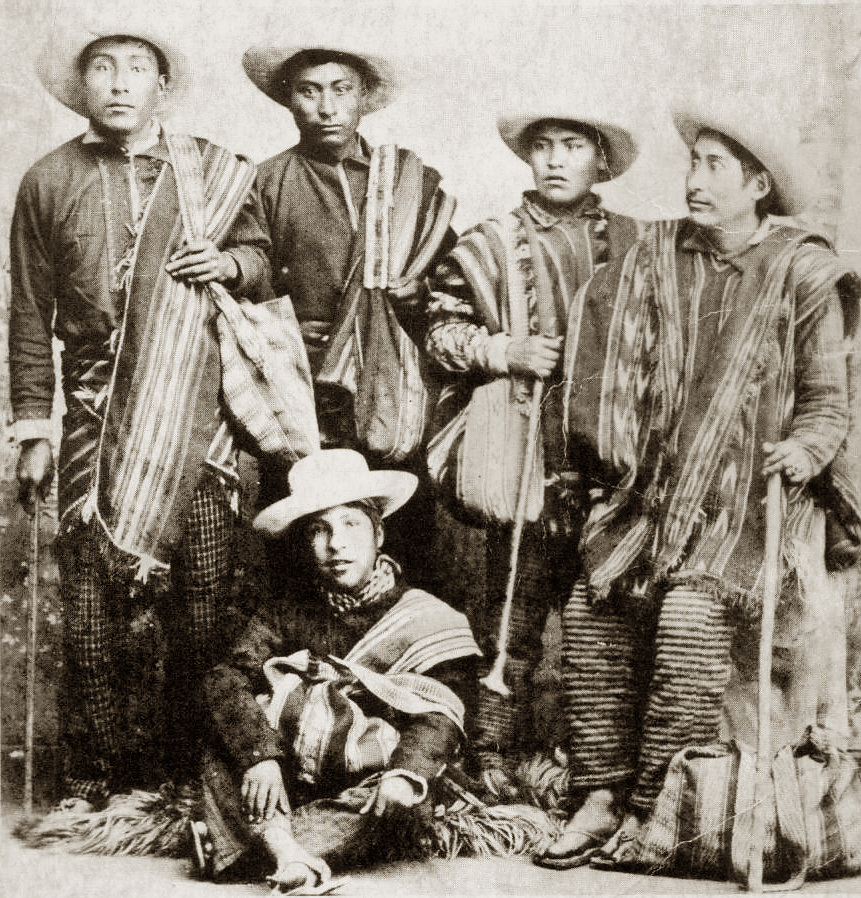
An itinerant group of traditional Andean healers known for their medicinal plant knowledge and ritual practicesTradition · Healing · Protection Living
🇧🇴 Bolivia and 5 moreKallawaya
An itinerant group of traditional Andean healers known for their medicinal plant knowledge and ritual practicesTradition · Healing · Protection Living
 🇨🇱 Chile and 1 moreMachi
Mapuche spiritual authorities and healers who bridge herbal knowledge and spirit realmsTradition · Healing · Speaking with spirits and the dead Living
🇨🇱 ChileChilean mythology
The myths and legends of Chile, blending indigenous roots with colonial influences.Tradition · Wonder and entertainment Living
🇨🇱 Chile and 1 moreMachi
Mapuche spiritual authorities and healers who bridge herbal knowledge and spirit realmsTradition · Healing · Speaking with spirits and the dead Living
🇨🇱 ChileChilean mythology
The myths and legends of Chile, blending indigenous roots with colonial influences.Tradition · Wonder and entertainment Living
Related elsewhere
All tradition 🇸🇳 Senegal and 1 moreSerer religionA ƭat Roog
The traditional faith of the Serer people, centred on the supreme deity Roog and ancestral veneration.Tradition · Protection · Speaking with spirits and the dead Living
🇸🇳 Senegal and 1 moreSerer religionA ƭat Roog
The traditional faith of the Serer people, centred on the supreme deity Roog and ancestral veneration.Tradition · Protection · Speaking with spirits and the dead Living
 🇰🇪 Kenya and 1 moreMaasai religion
The spiritual beliefs of the semi-nomadic Maasai people of East AfricaTradition · Protection · Healing Living
🇰🇪 Kenya and 1 moreMaasai religion
The spiritual beliefs of the semi-nomadic Maasai people of East AfricaTradition · Protection · Healing Living
 🇹🇭 Thailand and 3 moreThai Buddha amuletsพระเครื่อง (phrakhrueang)
Sacred Buddhist images and relics worn for protection, merit, and fortune in Thailand.Charm · Protection · Luck and prosperity Living
🇹🇭 Thailand and 3 moreThai Buddha amuletsพระเครื่อง (phrakhrueang)
Sacred Buddhist images and relics worn for protection, merit, and fortune in Thailand.Charm · Protection · Luck and prosperity Living
 🇮🇶 Iraq and 5 moreGrimoire
A textbook containing instructions for spells, rituals, and the creation of magical objects.Text · Protection · Healing Historical
🇮🇶 Iraq and 5 moreGrimoire
A textbook containing instructions for spells, rituals, and the creation of magical objects.Text · Protection · Healing Historical