
Renaissance magic
A 15th and 16th century revival of magical arts blending philosophy, astrology, and hidden knowledge.
Renaissance magic emerged in the 15th and 16th centuries alongside humanist scholarship. It transformed magic from a folkloric trope into a serious intellectual pursuit involving Hermetic texts, Neoplatonism, and Kabbalah.
- Marsilio Ficino translated Plato's complete works into Latin.
- Giovanni Pico della Mirandola proposed 900 theses on diverse topics.
- John Dee developed Enochian magic through angelic communications.
- Heinrich Cornelius Agrippa wrote De occulta philosophia.
- Paracelsus combined medicine with astrology and alchemy.
What it is
This era marked a shift in how magic was understood, moving away from medieval fairy tales toward complex spiritual systems. Practitioners viewed it as a way to access hidden knowledge through study and ritual. Magic became associated with high culture and scholarly debate rather than just superstition.
Where it comes from
The movement arose from the revival of Greek and Roman texts during the Renaissance. Scholars translated works by Plato and Hermes Trismegistus, introducing Neoplatonic ideas to Western Europe. This intellectual awakening encouraged the integration of Jewish Kabbalah and Christian theology into magical practices, forming a unique syncretic tradition.
How it is done
Practitioners engaged in deep textual study, translating ancient manuscripts to uncover esoteric meanings. They used astrology to understand cosmic influences on human life. Some attempted direct communication with angels through specific rituals. Others focused on medical applications, linking planetary movements to health and disease treatment.
Tools and materials
The primary tools were books and written texts containing philosophical and theological arguments. Astrological charts mapped celestial positions to earthly events. Manuscripts of Hermetic and Kabbalistic writings served as guides for spiritual ascent. Alchemical symbols represented transformations in both matter and spirit.
Renaissance magic, drawn and placed
- Living
- Revived
- Fading
- Historical
- Legendary
- Performed
- Lineage
- Western esotericism
What it is for
The goal was often to achieve spiritual enlightenment or union with the divine. Physicians sought to heal by aligning treatments with astrological signs. Diviners aimed to predict future events using celestial data.
Who does it
Key figures included scholars, physicians, and mathematicians who studied multiple disciplines. Marsilio Ficino translated Plato and practiced astrology. Giovanni Pico della Mirandola synthesized various religious traditions. John Dee explored angelic communication while serving as a mathematician. These individuals held high social status and intellectual authority.
Peoples and places
The tradition spread across Europe, particularly in Italy, Germany, and England. Italian humanists led the initial revival of classical texts. English practitioners like John Dee combined mathematics with occult studies. The movement influenced broader European intellectual circles.
At a glance: who, where and when
Who does it
Belief worlds

What people believe
Believers held that the universe was interconnected, with each part reflecting the whole. They saw nature as alive and imbued with spiritual significance. Magic was viewed as a natural force that could be harnessed through knowledge. This worldview rejected the separation between science and spirituality, seeing them as complementary paths to truth.
How scholars and sceptics see it
Modern historians view this period as a crucial transition in Western thought. Critics point out the persecution faced by those accused of witchcraft during this time. Scholars analyze how these magical ideas influenced later scientific developments and religious reforms.
Cautions and what is closed
Practitioners faced significant risks, including accusations of heresy and witchcraft. Heinrich Cornelius Agrippa faced persecution for his critical views. Johann Weyer argued against the mistreatment of those accused of witchcraft, suggesting mental illness as an alternative explanation. The era saw intense religious tensions leading to violent conflicts.
Compare and confuse
Renaissance magic differed from medieval folklore by emphasizing intellectual rigor over simple charm. Unlike modern stage magic, it claimed genuine spiritual power and cosmic influence.
Questions people ask about Renaissance magic
What is Renaissance magic?
It is a 15th and 16th-century revival of magical arts rooted in Hermeticism and Neoplatonism. It treated magic as a serious intellectual pursuit involving hidden knowledge, distinct from medieval folklore.
Where did it originate?
It originated in Italy during the Renaissance, driven by humanist scholars reviving Greek and Roman texts. It spread to France, Germany, and England as these ideas gained traction among intellectuals.
Who were its main practitioners?
Key figures included Marsilio Ficino, Giovanni Pico della Mirandola, and John Dee. These were scholars, physicians, and mathematicians who integrated philosophy, astrology, and theology into their work.
How was it different from medieval magic?
Medieval magic often appeared as fantastical elements in stories. Renaissance magic became complex, tied to books, rituals, and scholarly debate, reflecting shifts in cultural and intellectual perspectives.
Good reading and sources
The facts on this page come from the Wikipedia article "Renaissance magic", written by its contributors and used under the CC BY-SA 4.0 licence, and from its Wikidata record (CC0). EveryJaadu rewrote the text in its own words, with AI assistance, and compares every page with the article to make sure no passage is copied. It may be reused under the same CC BY-SA 4.0 licence with a link back.
It may contain mistakes. Names and customs differ from one community to the next, and some knowledge is closed to outsiders and left out here. This page describes belief and practice. It does not say that any of it works, it is not a how-to, and it is not medical advice. If something is wrong, tell us. Last refreshed 2026-10-05.
More from Italy
All the entries from Italy 🇫🇷 France and 1 moreNostradamus
A French astrologer and physician known for a book of poetic propheciesText · Seeing and foretelling · Power and authority Historical
🇫🇷 France and 1 moreNostradamus
A French astrologer and physician known for a book of poetic propheciesText · Seeing and foretelling · Power and authority Historical
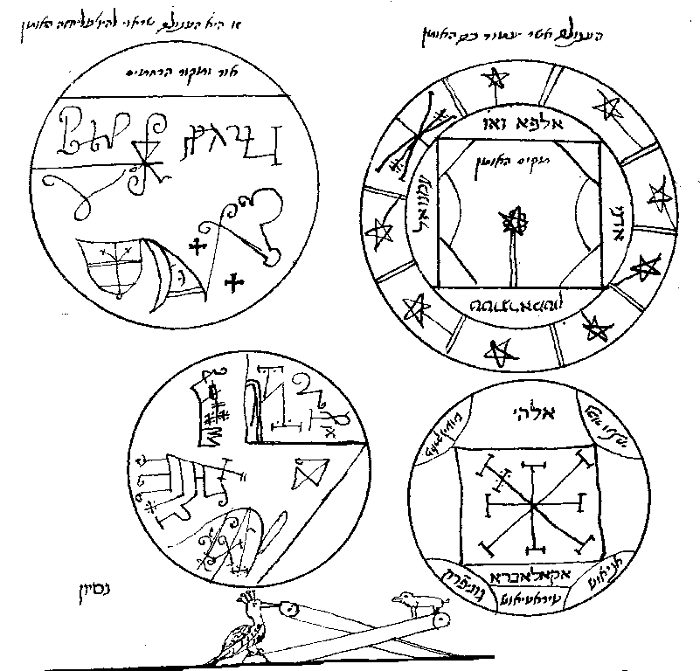 🇮🇹 Italy and 2 moreKey of SolomonClavicula Salomonis
A Renaissance grimoire attributed to King Solomon, detailing ritual preparations and invocations.Text · Cursing and harm · Love and attraction Historical
🇮🇹 Italy and 2 moreKey of SolomonClavicula Salomonis
A Renaissance grimoire attributed to King Solomon, detailing ritual preparations and invocations.Text · Cursing and harm · Love and attraction Historical
 🇮🇹 Italy and 5 moreTarottarocchi
A set of playing cards used for games and divinationTradition · Seeing and foretelling · Luck and prosperity Living
🇮🇹 Italy and 5 moreTarottarocchi
A set of playing cards used for games and divinationTradition · Seeing and foretelling · Luck and prosperity Living
 🇩🇪 Germany and 5 moreMaypoleMaibaum
A tall wooden pole raised for European spring festivals, accompanied by dance and celebration.Tradition · Luck and prosperity · Love and attraction Living
🇩🇪 Germany and 5 moreMaypoleMaibaum
A tall wooden pole raised for European spring festivals, accompanied by dance and celebration.Tradition · Luck and prosperity · Love and attraction Living
Related elsewhere
All tradition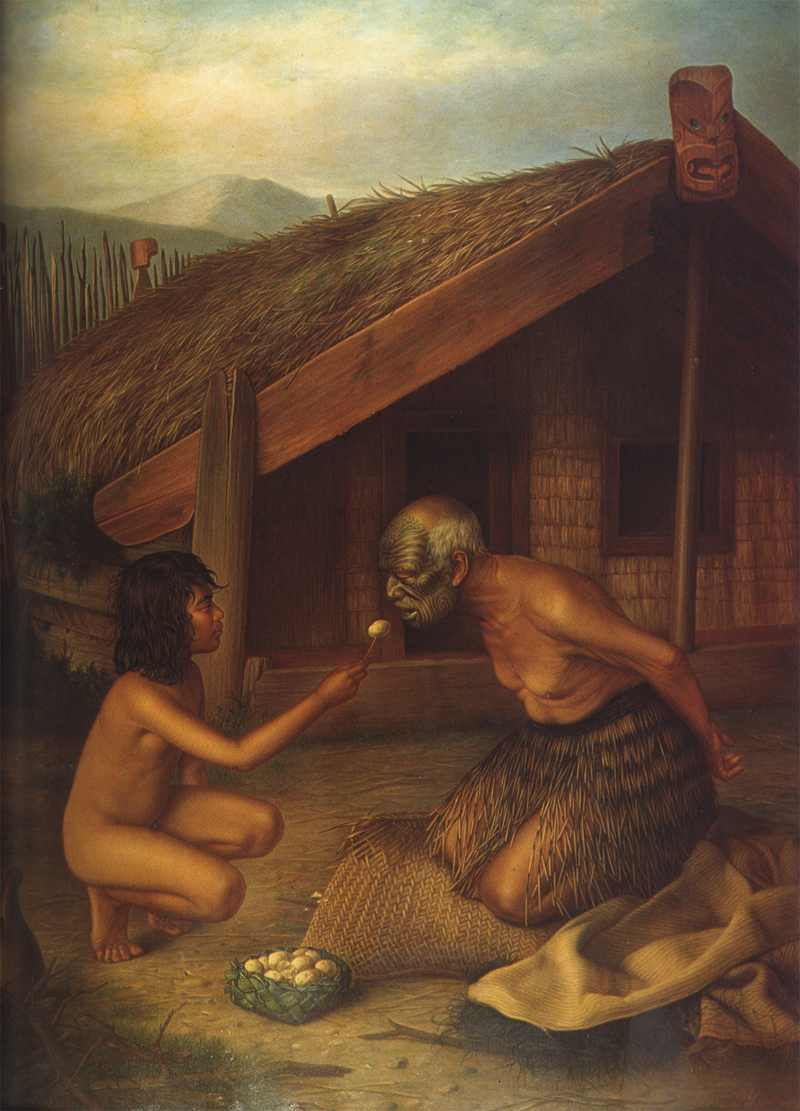 🇳🇿 New ZealandTohunga
A Māori expert practitioner of sacred or secular arts, from priests to carvers.Tradition · Healing · Seeing and foretelling Living
🇳🇿 New ZealandTohunga
A Māori expert practitioner of sacred or secular arts, from priests to carvers.Tradition · Healing · Seeing and foretelling Living
 🇮🇳 India and 1 moreAmritaअमृत (Sanskrit)
A Sanskrit concept of immortality and the nectar that grants it across Indian religionsBelief · Healing · Power and authority Living
🇮🇳 India and 1 moreAmritaअमृत (Sanskrit)
A Sanskrit concept of immortality and the nectar that grants it across Indian religionsBelief · Healing · Power and authority Living
 🇨🇺 Cuba and 2 moreSanteríaRegla de Ocha
An Afro-Cuban religion blending Yoruba beliefs with Catholicism and SpiritismTradition · Protection · Healing Living
🇨🇺 Cuba and 2 moreSanteríaRegla de Ocha
An Afro-Cuban religion blending Yoruba beliefs with Catholicism and SpiritismTradition · Protection · Healing Living
 🇳🇬 Nigeria and 5 moreIfá
A Yoruba divination system using palm nuts to access spiritual guidanceTradition · Seeing and foretelling · Speaking with spirits and the dead Living
🇳🇬 Nigeria and 5 moreIfá
A Yoruba divination system using palm nuts to access spiritual guidanceTradition · Seeing and foretelling · Speaking with spirits and the dead Living