Pelesit
from lesit, meaning to buzz or whizz
A familiar spirit in Malay folklore, usually appearing as a cricket or grasshopper
The pelesit is a type of familiar spirit from Malay folklore. It typically takes the form of a cricket or occasionally a grasshopper. The name means buzzer and refers to the insect's sound.
- Pelesit means buzzer from the word lesit
- Usually a cricket or grasshopper
- Owned mainly by women
- Male equivalent is the bajang
- Common in Kedah according to folklore
What it is
The pelesit is a familiar spirit found in Malay folklore. It usually appears as a cricket, though it can sometimes be a grasshopper. People call it Palasik as well. The word itself comes from a root meaning to buzz or whizz, describing the sound an insect makes. This creature belongs to a world of spirits that existed before monotheistic religions arrived in the region.
Where it comes from
This belief comes from old Malay animism. That tradition existed long before other major religions were introduced to the area. The concept of these spirits is deeply rooted in that earlier worldview. Scholars note that the term describes the buzzing sound of insects, linking the spiritual entity directly to nature.
Tools and materials
The spirit is linked to specific insects. A cricket is the most common form. Sometimes it appears as a grasshopper instead. These creatures are not just animals but vessels for the spirit. The name itself points to the buzzing noise they make, which connects the physical insect to its supernatural role.
Pelesit, drawn and placed
- Living
- Revived
- Fading
- Historical
- Legendary
- Performed
- Lineage
- Malay animism
What it is for
These spirits are kept by people who practice magic. They are generally owned by women. The male equivalent is called a bajang. Because the two are similar, people often mix them up in stories. Owners use them for various purposes within their magical practices.
Who does it
Women are the usual owners of pelesits. Men have a different kind of hereditary spirit called a bajang. The two types are often confused because they share similarities. Practitioners keep these spirits as part of their magical work. The knowledge is passed down through families.
Peoples and places
The pelesit is part of Malay folklore. It was said to be common in Kedah. Munshi Abdullah wrote about it in his book Hikayat Abdullah. He mentioned it alongside other ghosts and spirits. His employer, Stamford Raffles, found these accounts amusing. The story shows how these beliefs were recorded in literature.
At a glance: who, where and when
Peoples
What people believe
The belief comes from Malay animism. That system existed before monotheism arrived. Spirits like the pelesit were part of that older world. The male version is the bajang. Both are hereditary spirits. People sometimes confuse the two because they are so alike. The belief ties the spirit to the buzzing sounds of insects.
Compare and confuse
The pelesit is similar to the bajang. One is female and one is male. Both are hereditary spirits. People often mix them up in folklore. Other spirits like hantu raya and polong are also mentioned in related texts. The palasik is another name for the same creature.
Today
The pelesit appears in modern Malaysian media. It is featured in a komik series called Kijiya. In that story, the pelesits are demonic creatures. They serve as the main villains. This shows how the traditional spirit has been adapted into contemporary popular culture.
Questions people ask about Pelesit
What is a pelesit?
It is a familiar spirit from Malay folklore. It usually looks like a cricket or a grasshopper. The name means buzzer and refers to the sound the insect makes.
Where does the belief come from?
The belief comes from old Malay animism. That tradition existed before monotheistic religions arrived in the region. It is part of the older spiritual worldview.
Who owns a pelesit?
Women are the usual owners. Men have a different spirit called a bajang. The two are similar and often confused in stories.
Good reading and sources
The facts on this page come from the Wikipedia article "Pelesit", written by its contributors and used under the CC BY-SA 4.0 licence, and from its Wikidata record (CC0). EveryJaadu rewrote the text in its own words, with AI assistance, and compares every page with the article to make sure no passage is copied. It may be reused under the same CC BY-SA 4.0 licence with a link back.
It may contain mistakes. Names and customs differ from one community to the next, and some knowledge is closed to outsiders and left out here. This page describes belief and practice. It does not say that any of it works, it is not a how-to, and it is not medical advice. If something is wrong, tell us. Last refreshed 2026-10-05.
More from Malaysia
All the entries from Malaysia 🇲🇾 Malaysia and 5 morePenanggalan
A floating head with trailing organs from Malay folklore, said to hunt pregnant women and newborns.Being · Cursing and harm Legendary
🇮🇩 Indonesia and 3 moreToyoltuyul
An undead infant spirit in Southeast Asian folklore, invoked for theft and fortune.Being · Luck and prosperity · Cursing and harm Living
🇲🇾 Malaysia and 5 morePenanggalan
A floating head with trailing organs from Malay folklore, said to hunt pregnant women and newborns.Being · Cursing and harm Legendary
🇮🇩 Indonesia and 3 moreToyoltuyul
An undead infant spirit in Southeast Asian folklore, invoked for theft and fortune.Being · Luck and prosperity · Cursing and harm Living
Related elsewhere
All being 🇮🇳 IndiaChakraचक्र
Meditation points in the subtle body used in Hindu and Buddhist yogaTradition · Speaking with spirits and the dead · Change and initiation Living
🇮🇳 IndiaChakraचक्र
Meditation points in the subtle body used in Hindu and Buddhist yogaTradition · Speaking with spirits and the dead · Change and initiation Living
 🇲🇦 Morocco and 5 moreWild rueاسپند
A desert plant whose seeds hold psychoactive alkaloids and serve as incense in the Middle East.Substance · Protection · Speaking with spirits and the dead Living
🇲🇦 Morocco and 5 moreWild rueاسپند
A desert plant whose seeds hold psychoactive alkaloids and serve as incense in the Middle East.Substance · Protection · Speaking with spirits and the dead Living
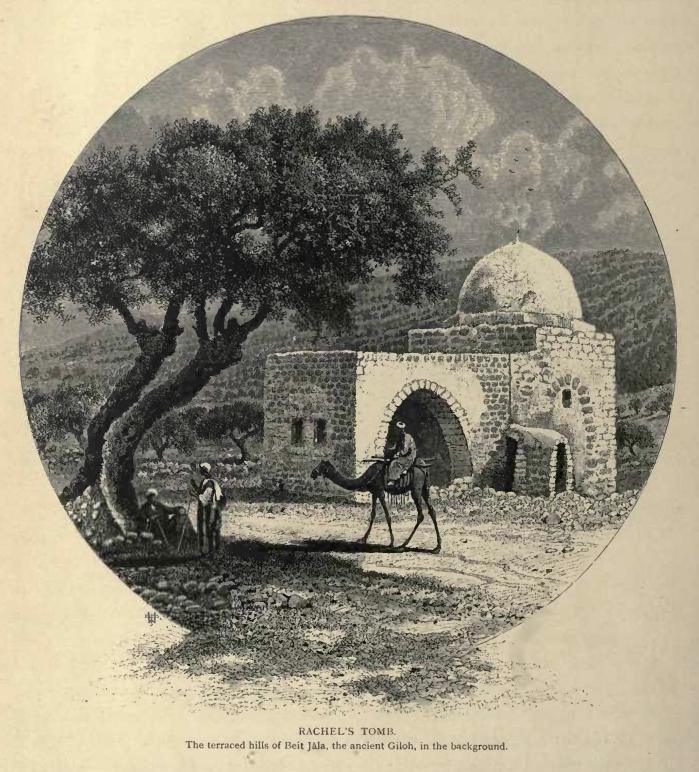 🇵🇸 Palestine and 1 moreRachel's TombQever Raḥel; Qabr Rāḥīl
A shared holy site near Bethlehem revered by Jews, Christians, and MuslimsTradition · Speaking with spirits and the dead · Protection Living
🇵🇸 Palestine and 1 moreRachel's TombQever Raḥel; Qabr Rāḥīl
A shared holy site near Bethlehem revered by Jews, Christians, and MuslimsTradition · Speaking with spirits and the dead · Protection Living
 🇨🇳 China and 1 moreAncestor veneration in China中國傳統宗法性宗教
Rites for dead kin who are thought to watch over the familyTradition · Protection · Speaking with spirits and the dead Living
🇨🇳 China and 1 moreAncestor veneration in China中國傳統宗法性宗教
Rites for dead kin who are thought to watch over the familyTradition · Protection · Speaking with spirits and the dead Living