
Three Books of Occult Philosophy
In its own language: De occulta philosophia libri III
from Latin for three books of hidden philosophy
A Renaissance treatise on elemental, celestial and divine magic
Heinrich Cornelius Agrippa wrote this study to define magic as a sacred science. It outlines how hidden virtues in nature, stars and spirits connect the material world to the divine.
- Published in Cologne in 1533
- Divides magic into elemental, celestial and intellectual realms
- Synthesizes Neoplatonism, Kabbalah and Hermeticism
- Defined magic as the perfection of philosophy
- First English translation appeared in 1651
What it is
The work is a major Renaissance study of occult philosophy. Agrippa defined magic as the highest form of learning. He argued that it unites natural philosophy with theology. The text presents a holistic view of the universe. It claims that hidden connections link all things. These links allow a practitioner to influence the world. Agrippa insisted that true magic is noble. He distinguished it from common superstition or demonic sorcery. The book serves as a guide to harnessing cosmic forces through knowledge and virtue.
Where it comes from
Agrippa presented an early draft in 1510 to Abbot Johannes Trithemius. The first book appeared in print in 1531 across several cities. The complete three-volume set was published in Cologne in 1533. A satirical critique by Agrippa in 1526 caused debate about his true intentions. Scholars still discuss whether he genuinely retracted his views. The final English translation arrived in 1651. The work draws heavily on earlier humanist and classical sources.
How it is done
The system divides magic into three realms. Elemental magic uses properties of stones, plants and animals. Celestial magic employs astrological images and planetary seals. Intellectual magic involves ritual invocation of angels and divine names. Practitioners align their actions with cosmic correspondences. They use numerology and geometry to capture stellar influences. Moral purity and religious faith are required for higher practices. The magus acts as a mediator between heaven and earth.
Tools and materials
The text catalogs occult virtues in natural objects. Stones, herbs and animal parts hold specific powers. Talismans capture the influence of planets and stars. Hebrew divine names and angelic orders are central to rituals. Numerology and geometric shapes structure the practice. Sacred words and ancient phrases aid in spiritual ascent. The spiritus mundi transmits life and energy through these materials.
Three Books of Occult Philosophy, drawn and placed
- Living
- Revived
- Fading
- Historical
- Legendary
- Performed
- Lineage
- Renaissance hermeticism
What it is for
The work aims to heal, protect and elevate the soul. Elemental magic seeks physical effects like healing or alchemy. Celestial magic pursues health and protection through astral alignment. Intellectual magic strives for spiritual perfection and divine communion. Agrippa viewed magic as a path to wisdom and virtue. It was intended to harmonize human life with the divine order. The goal was to harness power for good within a pious framework.
Who does it
The ideal practitioner is a devout priest-philosopher. Training requires deep study of diverse traditions. Agrippa synthesized Neoplatonism, Kabbalah and Hermeticism. The magus must possess moral purification and faith. He acts as an instrument of divine providence. The role demands integration of all fields of learning. Agrippa emphasized the nobility of this scholarly pursuit over base sorcery.
Peoples and places
The text emerged from Renaissance humanism in Europe. It reflects the intellectual climate of France and Germany. Agrippa engaged with contemporary scholars like Ficino and Reuchlin. The work codified the occult worldview of its era. It influenced later esoteric thinkers and magical traditions. It bridged medieval scholasticism with emerging scientific thought.
At a glance: who, where and when
Who does it
Belief worlds

What people believe
Agrippa believed in a hierarchical cosmos. Divine influence descends through angels and stars to matter. All things are interconnected through sympathetic bonds. The universe is animated by a world-soul. Magic exploits these hidden virtues to effect change. True magic aligns with Christian theology and God's design. It rejects demonic deception in favor of holy wisdom. The soul can ascend through ritual and illumination.
How scholars and sceptics see it
Historians view the work as a key Renaissance document. It represents a synthesis of classical and medieval knowledge. Scholars note its reliance on Ficino, Pliny and Pico. Debates continue regarding Agrippa's sincerity after his satire. Researchers analyze its impact on subsequent magical theory. The work remains a primary source for understanding Renaissance occultism.
Cautions and what is closed
Agrippa condemned goetic sorcery and demonic practices. He warned against impious or superstitious methods. The text distinguishes holy magic from base deception. Practitioners were advised to maintain moral integrity. Misuse of magical knowledge was considered dangerous. The work emphasizes the risks of improper ritual. Agrippa sought to purify magic from harmful associations.
Compare and confuse
The work shares themes with Ficino's astral magic. It parallels Pico della Mirandola's defense of magic. Reuchlin's Kabbalistic studies informed its structure. Unlike later grimoires, it focuses on philosophical theory. It differs from folk magic by its academic tone. The text synthesizes diverse traditions into a unified system.
Today
The text remains influential in Western esotericism. It is studied by historians of magic and philosophy. Modern practitioners reference its theoretical framework. The work continues to inspire interest in Renaissance occultism. Its ideas persist in contemporary magical thought. Scholars regularly analyze its complex syncretic approach.
Questions people ask about Three Books of Occult Philosophy
What is the Three Books of Occult Philosophy?
It is a Renaissance treatise by Heinrich Cornelius Agrippa. The work defines magic as a sacred science. It explores hidden connections between nature, stars and spirits. The text aims to unify philosophy and theology.
Where did this work originate?
Agrippa drafted it in the early sixteenth century. He presented it to Abbot Johannes Trithemius in 1510. The full version was published in Cologne in 1533. It reflects the intellectual culture of Renaissance Europe.
How does the text describe magical practice?
It outlines three levels: elemental, celestial and intellectual. Elemental magic uses natural objects like stones and herbs. Celestial magic employs astrological talismans. Intellectual magic involves invoking angels and divine names.
Who is the intended practitioner?
Agrippa envisioned a devout priest-philosopher. The practitioner must possess moral purity and faith. They require extensive study of diverse traditions. The role demands integration of all fields of learning.
Good reading and sources
- Three Books of Occult Philosophy on WikipediaEncyclopedia
- More photos on Wikimedia CommonsPhotos and video
- Wikidata recordOpen data
The facts on this page come from the Wikipedia article "Three Books of Occult Philosophy", written by its contributors and used under the CC BY-SA 4.0 licence, and from its Wikidata record (CC0). EveryJaadu rewrote the text in its own words, with AI assistance, and compares every page with the article to make sure no passage is copied. It may be reused under the same CC BY-SA 4.0 licence with a link back.
It may contain mistakes. Names and customs differ from one community to the next, and some knowledge is closed to outsiders and left out here. This page describes belief and practice. It does not say that any of it works, it is not a how-to, and it is not medical advice. If something is wrong, tell us. Last refreshed 2026-10-05.
More from France
All the entries from France 🇬🇧 United Kingdom and 5 moreAleister Crowley
English occultist and founder of the religion of ThelemaText · Power and authority · Change and initiation Living
🇬🇧 United Kingdom and 5 moreAleister Crowley
English occultist and founder of the religion of ThelemaText · Power and authority · Change and initiation Living
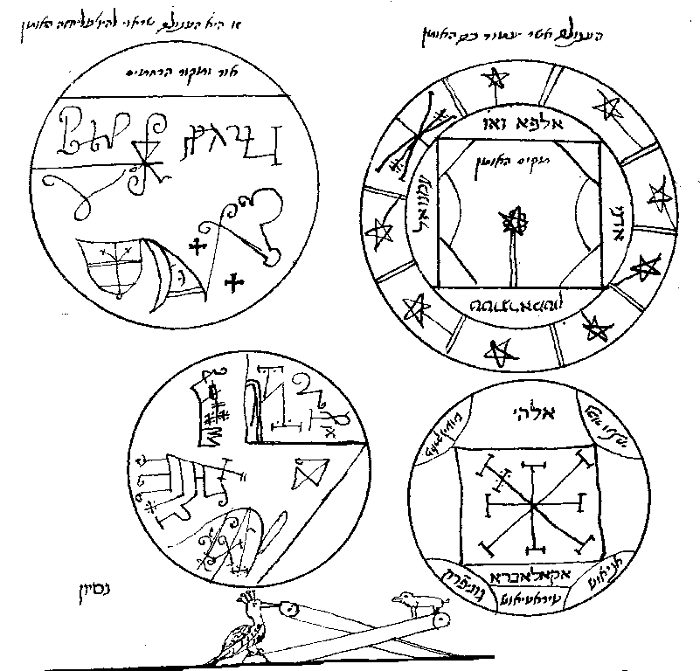 🇮🇹 Italy and 2 moreKey of SolomonClavicula Salomonis
A Renaissance grimoire attributed to King Solomon, detailing ritual preparations and invocations.Text · Cursing and harm · Love and attraction Historical
🇮🇹 Italy and 2 moreKey of SolomonClavicula Salomonis
A Renaissance grimoire attributed to King Solomon, detailing ritual preparations and invocations.Text · Cursing and harm · Love and attraction Historical
 🇫🇷 France and 1 moreNostradamus
A French astrologer and physician known for a book of poetic propheciesText · Seeing and foretelling · Power and authority Historical
🇫🇷 France and 1 moreNostradamus
A French astrologer and physician known for a book of poetic propheciesText · Seeing and foretelling · Power and authority Historical
 🇫🇷 France and 2 moreÉliphas Lévi
A French writer who shaped modern occult thought and ceremonial magic.Text · Power and authority · Speaking with spirits and the dead Historical
🇫🇷 France and 2 moreÉliphas Lévi
A French writer who shaped modern occult thought and ceremonial magic.Text · Power and authority · Speaking with spirits and the dead Historical
Related elsewhere
All text 🇮🇳 India and 1 moreAmritaअमृत (Sanskrit)
A Sanskrit concept of immortality and the nectar that grants it across Indian religionsBelief · Healing · Power and authority Living
🇮🇳 India and 1 moreAmritaअमृत (Sanskrit)
A Sanskrit concept of immortality and the nectar that grants it across Indian religionsBelief · Healing · Power and authority Living
 🇯🇵 JapanShugendō修験道
A Japanese mountain ascetic path blending Esoteric Buddhism, Shinto, and folk ritualsTradition · Protection · Healing Living
🇯🇵 JapanShugendō修験道
A Japanese mountain ascetic path blending Esoteric Buddhism, Shinto, and folk ritualsTradition · Protection · Healing Living
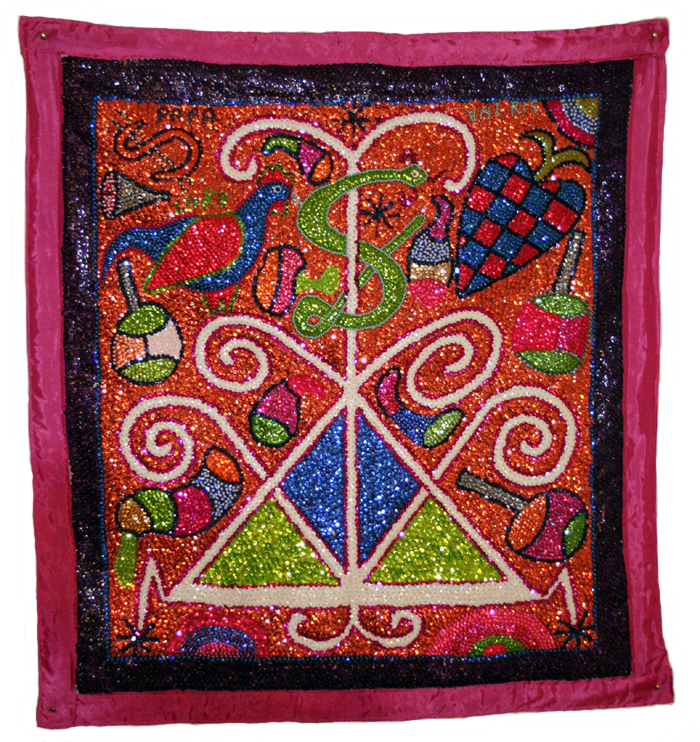 🇭🇹 Haiti and 2 moreHaitian VodouVodou
An Afro-Haitian religion blending West African traditions with Catholicism and FreemasonryTradition · Protection · Healing Living
🇭🇹 Haiti and 2 moreHaitian VodouVodou
An Afro-Haitian religion blending West African traditions with Catholicism and FreemasonryTradition · Protection · Healing Living
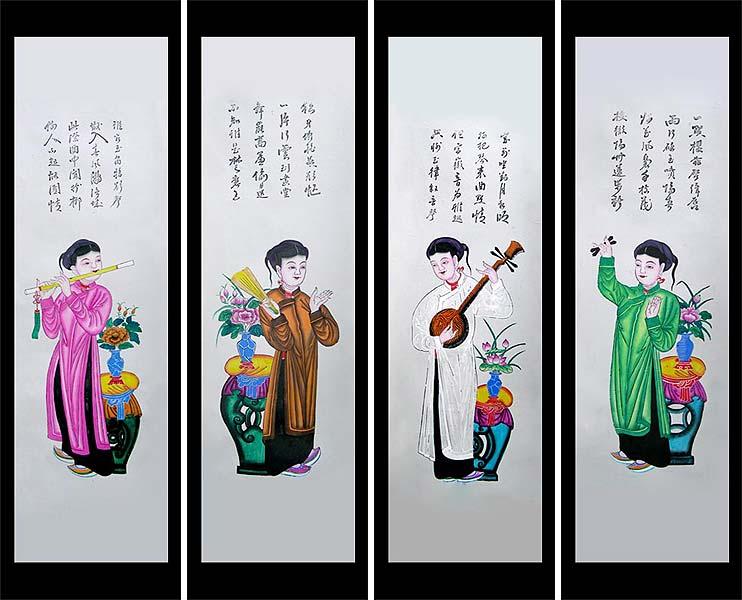 🇻🇳 Vietnam and 1 moreVietnamese folk religiontín ngưỡng dân gian Việt Nam
A collection of local spirit worship and ancestral veneration in VietnamTradition · Protection · Healing Living
🇻🇳 Vietnam and 1 moreVietnamese folk religiontín ngưỡng dân gian Việt Nam
A collection of local spirit worship and ancestral veneration in VietnamTradition · Protection · Healing Living