
Dhikr
In its own language: ذِكْر
from Arabic dhikr, meaning remembrance or reminder
Islamic remembrance of God through repeated recitation and prayer
Dhikr is a form of Islamic worship involving the repetition of phrases to remember God. It holds a central place in Sufism, where specific orders use distinct postures and breathing techniques. The practice aims to quiet the mind and foster a deeper connection with the Divine.
- Dhikr means remembrance in Arabic
- Central to Sufi spiritual exercises
- Uses prayer beads for counting
- Includes silent and vocal forms
- Quran commands frequent remembrance
What it is
Dhikr serves as a core act of Islamic devotion focused on remembering God. Practitioners repeat sacred phrases to maintain spiritual awareness throughout their day. This practice is especially vital within Sufism, where it forms the backbone of spiritual exercises. Each Sufi order often develops its own unique style of dhikr, incorporating specific movements and breathing patterns. The term covers both the action of remembrance and the prayers used during it. Muslims view this constant recall as a way to align their hearts with divine will. It transforms ordinary moments into opportunities for spiritual connection. The goal is to fill the heart with meaning rather than empty chanting. Through this focus, practitioners seek inner peace and closeness to God.
Where it comes from
The concept originates from the Quran, which frequently refers to itself as a reminder. Verses instruct believers to remember Allah often and find rest in His remembrance. Prophetic traditions also emphasize dhikr as one of the best deeds. The practice draws from these scriptural foundations to guide daily worship. Over time, Sufi orders formalized these instructions into structured rituals. They developed specific methods to deepen the experience of remembrance. These methods include silent contemplation and vocal group ceremonies. The tradition evolved to address different spiritual needs within the community. Scholars trace its roots to early Islamic teachings on mindfulness of God.
How it is done
Practitioners engage in dhikr by repeating names of God or short prayers. This can be done silently or aloud, alone or in groups. Some methods involve regulating breath and focusing energy in specific body parts. Others use prayer beads to keep track of repetitions. The Tasbih of Fatimah involves counting thirty-three praises and thirty-four declarations of greatness. Sufi ceremonies may include singing, dancing, and incense. Participants aim to internalize the qualities represented by divine names. The repetitive nature helps quiet the mind and focus attention. Awareness of God's presence becomes central to the activity.
Tools and materials
Prayer beads, known as misbaha, help count repetitions accurately. Beads come in sets of thirty-three, ninety-nine, or one hundred. Fingers are also used for counting without tools. Specific phrases like subḥāna-llahi and al-ḥamdu lillāhi serve as verbal tools. These words carry meanings that practitioners reflect upon. The physical act of moving beads supports mental concentration. Tools aid in maintaining focus during lengthy recitations. They ensure the count remains precise without distraction. Simple materials support deep spiritual engagement.
Dhikr, drawn and placed
- Living
- Revived
- Fading
- Historical
- Legendary
- Performed
- Lineage
- Sufism
- Timing
- during daily life and rituals
What it is for
Dhikr aims to strengthen faith and bring inner peace. Practitioners seek to detach from worldly concerns through remembrance. It fills the heart with spiritual significance and divine presence. Sufis believe it leads to annihilation of self and permanence in God. The practice helps quiet the mind and cultivate purity. Believers ask for guidance and rectitude through frequent recall. It serves as a remedy for spiritual forgetfulness. The intention is to align human will with divine will. Practitioners hope to achieve a state of constant awareness.
Who does it
A dhakir is someone who recites dhikr and reminds others of God. In some contexts, it refers to a professional narrator of religious tragedies. Practitioners range from individuals praying at home to group participants. Sufi masters guide disciples through specific dhikr methods. Training involves learning correct pronunciation and spiritual intent. Gender does not restrict participation in most forms. Status varies based on knowledge and experience. Household members practice individually, while scholars study its theology. Performers lead group ceremonies in certain traditions.
Peoples and places
Muslims worldwide engage in dhikr as part of daily worship. Sufi communities in the Arab world and beyond have distinct styles. Orders like the Naqshbandi emphasize silent, internal practices. Other groups prefer vocal ceremonies with music and movement. Regional variations exist in phrase selection and ritual structure. The practice unites diverse Muslim cultures under shared devotional goals. Diaspora communities maintain these traditions in new lands. Local adaptations reflect cultural influences while preserving core principles.
At a glance: who, where and when
Who does it
Belief worlds


What people believe
Muslims believe dhikr connects them directly to God's presence. The Quran frames remembrance as a reciprocal interaction between divine and human. Prophets delivered messages meant to remind humans of innate knowledge. Remembering God brings rest to the heart and mercy from angels. Spiritual purity arises from consistent invocation of divine names. The practice reflects trust in God's will and guidance. Believers hold that forgetting leads to spiritual loss. Constant recall prevents regret and fosters closeness to the Divine. Angels surround assemblies where God is remembered.
When it is done
Dhikr is performed daily as part of routine worship. It occurs during personal reflection and communal gatherings. Initiation ceremonies for Sufi orders require specific dhikr repetitions. Life events may prompt additional remembrance practices. No fixed calendar days mandate exclusive dhikr observance. Instead, it integrates seamlessly into everyday activities. Morning and evening routines often include set recitations. Spontaneous moments of need trigger immediate verbal remembrance. The practice adapts to various temporal contexts.
How scholars and sceptics see it
Anthropologists study dhikr as a key element of Islamic spirituality. Historians trace its development through Sufi orders and textual sources. Psychologists examine its effects on mental focus and emotional regulation. Researchers note its role in fostering community cohesion among Muslims. Skeptics may view it as ritualistic habit without supernatural effect. Scholars acknowledge its profound impact on practitioner identity. Studies highlight how repetition shapes cognitive and spiritual states. Academic work respects dhikr as a serious religious discipline.
Cautions and what is closed
Some critics argue against performative aspects of group dhikr. Concerns exist about showing off during public ceremonies. Legal issues arose in US prisons regarding prayer bead possession. Inmates sought access to beads for therapeutic purposes. Courts recognized religious freedom rights in such cases. Closed knowledge within certain Sufi orders limits outsider understanding. Initiates must follow strict guidelines to avoid misuse. Practitioners warn against empty chanting without sincere intent. Spiritual harm may result from neglecting proper method.
Compare and confuse
Dhikr resembles meditation practices in other religions but focuses on God's names. It differs from general prayer by emphasizing repetition and mindfulness. The term tasbih overlaps with dhikr but specifies praise. Dua represents supplication rather than repetitive remembrance. Confusion sometimes arises between individual and group forms. Different cultures adapt the practice to local customs while keeping core elements.
Questions people ask about Dhikr
What is dhikr?
Dhikr is an Islamic practice of remembering God through repeated recitation of phrases or prayers. It is central to Sufism and aims to foster spiritual connection and inner peace.
Where does dhikr come from?
It originates from the Quran and prophetic traditions that instruct believers to remember Allah often. The practice evolved within Islamic culture, especially in Sufi orders.
How is dhikr performed?
Practitioners repeat sacred phrases using fingers or prayer beads. Methods vary from silent contemplation to vocal group ceremonies with music and movement.
What is the purpose of dhikr?
It seeks to strengthen faith, bring inner peace, and detach from worldly concerns. Practitioners aim to fill their hearts with divine presence and spiritual meaning.
Good reading and sources
- Dhikr on WikipediaEncyclopedia
- More photos on Wikimedia CommonsPhotos and video
- Wikidata recordOpen data
The facts on this page come from the Wikipedia article "Dhikr", written by its contributors and used under the CC BY-SA 4.0 licence, and from its Wikidata record (CC0). EveryJaadu rewrote the text in its own words, with AI assistance, and compares every page with the article to make sure no passage is copied. It may be reused under the same CC BY-SA 4.0 licence with a link back.
It may contain mistakes. Names and customs differ from one community to the next, and some knowledge is closed to outsiders and left out here. This page describes belief and practice. It does not say that any of it works, it is not a how-to, and it is not medical advice. If something is wrong, tell us. Last refreshed 2026-10-05.
More from Saudi Arabia
All the entries from Saudi Arabia 🇸🇦 Saudi Arabia and 5 moreIslamic exorcismرقية
A rite to expel spirits through Quranic recitation and negotiationRite · Healing · Cleansing and purification Living
🇸🇦 Saudi Arabia and 5 moreIslamic exorcismرقية
A rite to expel spirits through Quranic recitation and negotiationRite · Healing · Cleansing and purification Living
 🇺🇸 United States and 4 moreFortune-telling
A practice of predicting future events or personal details through various methods and tools.Rite · Seeing and foretelling · Power and authority Living
🇺🇸 United States and 4 moreFortune-telling
A practice of predicting future events or personal details through various methods and tools.Rite · Seeing and foretelling · Power and authority Living
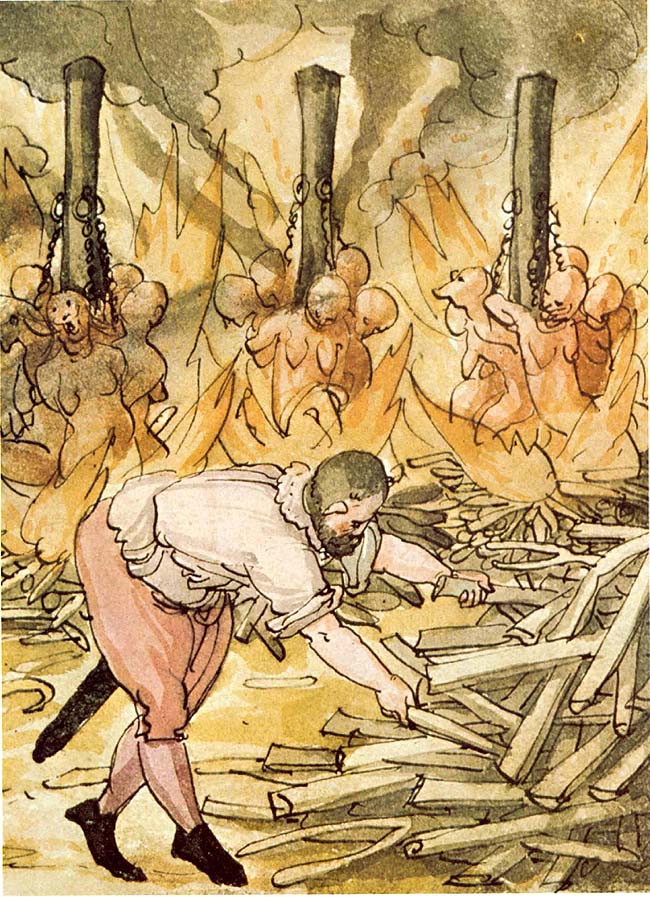 🇸🇦 Saudi Arabia and 5 moreWitch hunt
A campaign to find and punish people accused of using magic for harmBelief · Cursing and harm Historical
🇸🇦 Saudi Arabia and 5 moreWitch hunt
A campaign to find and punish people accused of using magic for harmBelief · Cursing and harm Historical
Related elsewhere
All rite 🇪🇬 Egypt and 4 moreAnimal sacrifice
The ritual killing of livestock or wild animals as an offering to deitiesRite · Speaking with spirits and the dead · Power and authority Historical
🇪🇬 Egypt and 4 moreAnimal sacrifice
The ritual killing of livestock or wild animals as an offering to deitiesRite · Speaking with spirits and the dead · Power and authority Historical
 🇮🇳 India and 2 moreHomaहोम
A fire ritual found across Asian religions where offerings are burned as a votive exchange with the divine.Rite · Protection · Speaking with spirits and the dead Living
🇮🇳 India and 2 moreHomaहोम
A fire ritual found across Asian religions where offerings are burned as a votive exchange with the divine.Rite · Protection · Speaking with spirits and the dead Living
 🇮🇳 India and 1 moreMantraमन्त्रम्
A sacred sound or phrase repeated to focus the mind and invoke spiritual powerText · Speaking with spirits and the dead · Power and authority Living
🇮🇳 India and 1 moreMantraमन्त्रम्
A sacred sound or phrase repeated to focus the mind and invoke spiritual powerText · Speaking with spirits and the dead · Power and authority Living