
Isaac Luria
In its own language: יִצְחָק בן שלמה אשכנזי לוּרְיָא
The name Luria derives from his family lineage; Ha'ari means "the Lion" in Hebrew.
A sixteenth-century rabbi who founded modern Kabbalah through oral teachings in Safed.
Isaac Luria was a leading Jewish mystic and rabbi in Safed during the sixteenth century. He is regarded as the father of contemporary Kabbalah, though he left few writings behind. His disciples recorded his oral lectures to form the basis of Lurianic Kabbalah.
- Born in Jerusalem around 1534 to mixed heritage parents.
- Spent seven years in isolation near the Nile River.
- Established the core of modern Kabbalah in Safed.
- Left almost no written works; disciples compiled his lectures.
- Died in July 1572 and is buried in Safed's old cemetery.
What it is
Isaac Luria stands as the central figure in the development of modern Jewish mysticism. He established a system known as Lurianic Kabbalah, which reshaped how many Jews understand divine structure and human purpose. Though he wrote very little himself, his influence became massive because his students preserved his spoken words. This body of thought focuses on cosmic processes, spiritual repair, and the nature of the soul. It remains a primary framework for understanding Jewish esotericism today.
Where it comes from
Luria was born in Jerusalem around 1534 to an Ashkenazi father and a Sephardic mother. After losing his father early, he was raised by his wealthy uncle in Cairo. He studied under prominent scholars before retreating to Egypt for seven years to meditate near the Nile. He later moved to Safed in Ottoman Palestine, where he joined an existing circle of mystics led by Moses Cordovero. His arrival coincided with a period of spiritual transition for the community.
How it is done
Luria did not write down his core teachings. Instead, he delivered spontaneous lectures to small groups of students. He separated his followers into two levels: novices who learned basic concepts, and initiates who received secret doctrines. These initiates took notes and compiled them into manuscripts. The most famous compilation is the Etz Chaim, or Tree of Life. Students were forbidden from sharing these texts outside the region, ensuring they stayed within Ottoman Syria for decades.
Tools and materials
His practice involved intense personal meditation and study of the Zohar, a foundational Kabbalistic text. He wore white clothes and a special fourfold garment on Shabbat to symbolize the four letters of the divine name. These acts were part of a rigorous daily routine of prayer and contemplation.
Isaac Luria, drawn and placed
- Living
- Revived
- Fading
- Historical
- Legendary
- Performed
- Lineage
- Lurianic Kabbalah
- Timing
- Daily meditation and Shabbat observance
What it is for
The teachings aim to help individuals align their actions with cosmic structures. They offer comfort to those feeling disconnected or exiled, framing current struggles as part of a larger spiritual journey. Practitioners seek to repair broken aspects of the world and elevate the soul. The system provides a detailed map of how divine energy flows and how humans can participate in restoring harmony to creation.
Who does it
Luria trained both general students and a select group of advanced initiates. The most notable disciple was Hayyim Vital, whom Luria considered spiritually pure. These students lived closely with their teacher, absorbing his methods through observation and note-taking. The tradition required strict discipline, including vows of secrecy and rigorous adherence to daily rituals. Leadership passed to these close followers after his death.
Peoples and places
The movement gained traction among Jews living in the Galilee region, particularly those who had fled Spain. Many believed they were living in a time of trial before the Messiah's arrival. Luria's themes of exile resonated deeply with this displaced population. His ideas spread from Safed to Europe by the mid-seventeenth century, influencing Jewish communities across the continent through circulated manuscripts.
At a glance: who, where and when
Who does it
Belief worlds
Occasions


What people believe
Lurianic Kabbalah describes a universe shaped by divine contraction and emanation. It teaches that the soul has multiple layers and that human actions affect higher spiritual realms. The system emphasizes the concept of Tzimtzum, where God withdraws to make space for creation. It views history as a process of gathering scattered divine sparks. Salvation involves correcting these fragments through mindful ritual and ethical conduct.
When it is done
Observances centered heavily on Shabbat, the weekly day of rest. Luria modified traditional prayers and added specific intentions to recite during services. He also emphasized the importance of visiting sacred sites on certain days. His daily routine included morning and evening meditations focused on divine names. These practices were designed to align the practitioner's consciousness with cosmic rhythms throughout the week.
How scholars and sceptics see it
Historians view Luria as a pivotal reformer who revitalized Jewish mysticism in the sixteenth century. Anthropologists note how his oral traditions created a strong communal identity among Safed's residents. Researchers analyze his texts to understand the psychological impact of exile on Jewish thought. Skeptics sometimes question the historical accuracy of claims about his miraculous abilities, but agree on his lasting intellectual influence.
Cautions and what is closed
The transmission of his teachings relied on strict secrecy. Students who broke their vows faced excommunication. Modern scholars must rely on reconstructed manuscripts rather than original drafts. The emphasis on hidden knowledge meant that some practices were never fully documented, leaving gaps in the historical record.
Compare and confuse
Luria's work built upon earlier Kabbalistic traditions, especially those of Moses Cordovero. While Cordovero offered a more systematic philosophical approach, Luria introduced dynamic, mythic narratives about cosmic events. His ideas differ from mainstream rabbinic Judaism by focusing heavily on esoteric symbolism.
Questions people ask about Isaac Luria
What is Isaac Luria best known for?
He is known as the father of contemporary Kabbalah. He developed a complex system of Jewish mysticism called Lurianic Kabbalah, which focuses on cosmic repair and the nature of the soul.
Where did Isaac Luria live and teach?
He was born in Jerusalem and spent his youth in Cairo. He taught primarily in Safed, located in the Galilee region of Ottoman Palestine, which is now Israel.
Did Isaac Luria write books?
No, he wrote very little. He delivered oral lectures that his students, especially Hayyim Vital, recorded. These notes were later compiled into major works like the Etz Chaim.
What is the meaning of his title Ha'ari?
Ha'ari is a Hebrew acronym that translates to "the Lion." It refers to his spiritual strength and is derived from his name, Isaac.
Good reading and sources
- Isaac Luria on WikipediaEncyclopedia
- More photos on Wikimedia CommonsPhotos and video
- Wikidata recordOpen data
The facts on this page come from the Wikipedia article "Isaac Luria", written by its contributors and used under the CC BY-SA 4.0 licence, and from its Wikidata record (CC0). EveryJaadu rewrote the text in its own words, with AI assistance, and compares every page with the article to make sure no passage is copied. It may be reused under the same CC BY-SA 4.0 licence with a link back.
It may contain mistakes. Names and customs differ from one community to the next, and some knowledge is closed to outsiders and left out here. This page describes belief and practice. It does not say that any of it works, it is not a how-to, and it is not medical advice. If something is wrong, tell us. Last refreshed 2026-10-06.
More from Israel
All the entries from Israel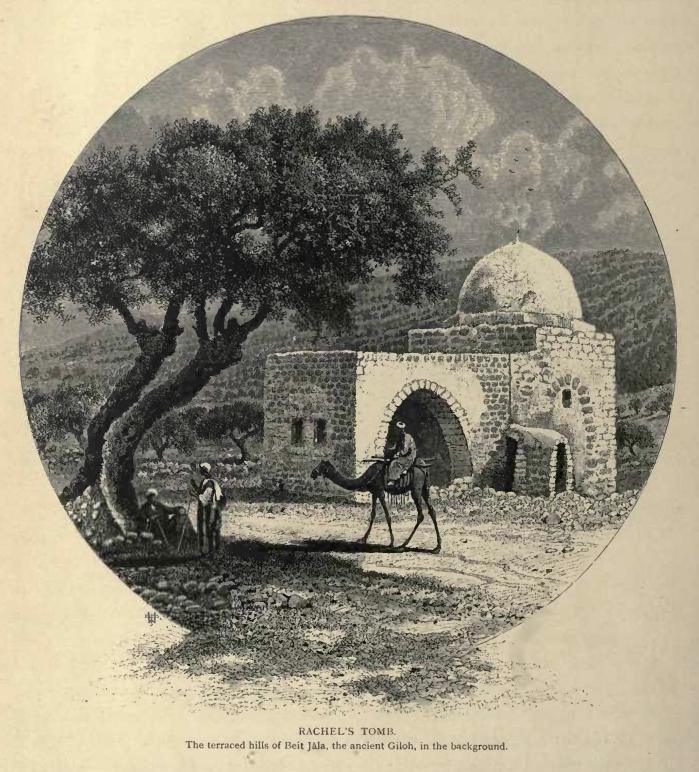 🇵🇸 Palestine and 1 moreRachel's TombQever Raḥel; Qabr Rāḥīl
A shared holy site near Bethlehem revered by Jews, Christians, and MuslimsTradition · Speaking with spirits and the dead · Protection Living
🇵🇸 Palestine and 1 moreRachel's TombQever Raḥel; Qabr Rāḥīl
A shared holy site near Bethlehem revered by Jews, Christians, and MuslimsTradition · Speaking with spirits and the dead · Protection Living
 🇪🇬 Egypt and 5 moreSacred dance
Movement used in worship to honour deities, heal communities, or connect with the spirit world.Tradition · Protection · Healing Living
🇪🇬 Egypt and 5 moreSacred dance
Movement used in worship to honour deities, heal communities, or connect with the spirit world.Tradition · Protection · Healing Living
 🇮🇱 Israel and 3 moreGematriaגימטריה
A numeric writing system that assigns numerical values to words and phrases for interpretation.Text · Seeing and foretelling · Power and authority Living
🇮🇱 Israel and 3 moreGematriaגימטריה
A numeric writing system that assigns numerical values to words and phrases for interpretation.Text · Seeing and foretelling · Power and authority Living
 🇮🇱 Israel and 2 moreLag BaOmerלַ״ג בָּעוֹמֶר
A Jewish holiday marking the end of a mourning period with bonfires and outdoor playTradition · Speaking with spirits and the dead · Wonder and entertainment Living
🇮🇱 Israel and 2 moreLag BaOmerלַ״ג בָּעוֹמֶר
A Jewish holiday marking the end of a mourning period with bonfires and outdoor playTradition · Speaking with spirits and the dead · Wonder and entertainment Living
Related elsewhere
All text 🇮🇳 IndiaChakraचक्र
Meditation points in the subtle body used in Hindu and Buddhist yogaTradition · Speaking with spirits and the dead · Change and initiation Living
🇮🇳 IndiaChakraचक्र
Meditation points in the subtle body used in Hindu and Buddhist yogaTradition · Speaking with spirits and the dead · Change and initiation Living
 🇮🇳 India and 2 moreKalachakraདུས་ཀྱི་འཁོར་ལོ།
A Tibetan Buddhist tantric deity and system of yogic time cyclesTradition · Change and initiation · Speaking with spirits and the dead Living
🇮🇳 India and 2 moreKalachakraདུས་ཀྱི་འཁོར་ལོ།
A Tibetan Buddhist tantric deity and system of yogic time cyclesTradition · Change and initiation · Speaking with spirits and the dead Living
 🇳🇬 NigeriaOrunmilaỌ̀rúnmìlà
Yoruba deity of wisdom and the creator of the Ifá divination systemBeing · Seeing and foretelling · Speaking with spirits and the dead Living
🇳🇬 NigeriaOrunmilaỌ̀rúnmìlà
Yoruba deity of wisdom and the creator of the Ifá divination systemBeing · Seeing and foretelling · Speaking with spirits and the dead Living
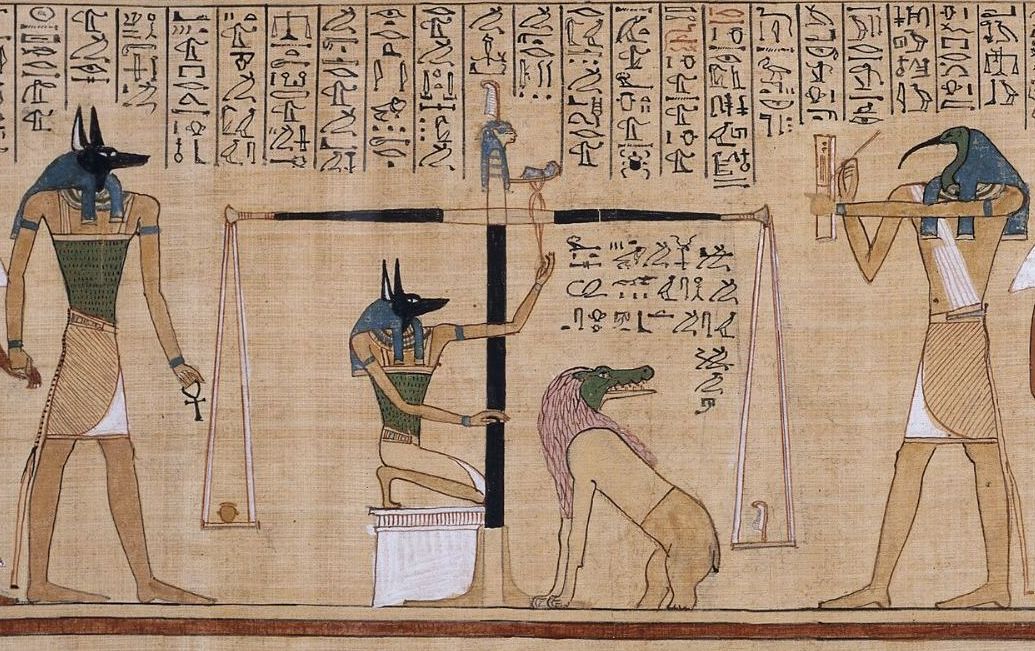 🇪🇬 EgyptAncient Egyptian afterlife beliefs
A system of rituals and texts guiding the soul through the underworld to eternal rebirthTradition · Protection · Speaking with spirits and the dead Historical
🇪🇬 EgyptAncient Egyptian afterlife beliefs
A system of rituals and texts guiding the soul through the underworld to eternal rebirthTradition · Protection · Speaking with spirits and the dead Historical