
Soul dualism describes the idea that humans possess multiple soul types. One part usually anchors the body while another can travel during sleep or trance. This view appears in shamanic and folk traditions across many cultures.
- One soul anchors the body while another wanders freely
- Shamans retrieve lost souls to cure illness
- Found in Austronesian, Chinese, Inuit, and Uralic traditions
- Illness is viewed as soul loss requiring ritual return
- Harmony between souls indicates virtue and health
What it is
This concept holds that human beings contain more than one type of soul. Usually, one soul stays with the physical body to maintain life functions. The other soul is free to move away from the body. It may leave during sleep, trance, or death. Some traditions describe even more complex arrangements with several different soul parts. Scholars study these ideas as examples of how different cultures understand human nature and consciousness.
Where it comes from
The belief appears in many ancient traditions. Proto-Austronesian languages have words for a vital spirit located in the abdomen or heart. Chinese culture distinguishes between ethereal and physical spirits linked to yin and yang. Inuit groups describe souls connected to breath and shadow. Bakongo religion speaks of a dual mind-spirit. Uralic peoples include concepts like the Hungarian ész or Finnish itse. These views developed independently in various regions over time.
How it is done
Shamans use this belief to treat illness. Sickness is seen as a loss of the wandering soul. The healer enters a trance to find the lost soul in the spirit world. They then guide it back into the patient's body. If the soul returns, health is restored. If it cannot be found, the person may die or suffer permanent madness. Rituals focus on retrieving the missing part rather than using medicine alone.
Tools and materials
No specific tools are required for the belief itself. However, shamans rely on trance states to locate wandering souls. Austronesian traditions mention the liver or heart as anchors for the body soul. Chinese texts discuss hun and po spirits. Inuit beliefs reference the shadow and breath. Bakongo cosmology uses the rotation of the sun to mark life stages. These elements serve as markers for where souls reside or travel.
Soul dualism, drawn and placed
- Living
- Revived
- Fading
- Historical
- Legendary
- Performed
What it is for
People hold these beliefs to explain health and mental state. A balanced soul brings harmony and virtue. Conflict between souls leads to evil or sickness. Healing aims to restore the wandering soul to its proper place. Understanding soul duality helps communities make sense of dreams, death, and spiritual journeys. It provides a framework for interpreting unusual experiences.
Who does it
Shamans play a key role in traditions that emphasize soul travel. They undergo training to enter trances safely. Healers retrieve lost souls to cure patients. Scholars analyze these beliefs as cultural phenomena. Ordinary people accept these ideas as part of their worldview. Gender roles vary by culture, such as the male right side and female left side in Bakongo tradition.
Peoples and places
Austronesian groups see the free soul in the head and the body soul in the torso. Chinese culture divides souls into yin and yang components. Inuit societies describe souls tied to breath and shadow. The Bakongo view the soul-mind as a single dual entity. Uralic peoples include concepts like the shadow-soul. Each group has unique names and locations for these soul parts, reflecting local cosmologies.
At a glance: who, where and when
Who does it
Belief worlds
Occasions
What people believe
The worldview assumes a connection between the physical and spiritual realms. Souls can exist separately from the body. Harmony between soul parts indicates moral character. Illness results from soul separation or theft by spirits. Death marks the final departure of certain souls. Ancestors and nature spirits interact with these wandering entities. The rules governing soul movement vary by tradition but generally follow cosmic cycles.
When it is done
Daily life influences soul activity. Sleep allows the free soul to wander. Trance states facilitate spirit journeys. Life events like birth and death mark major transitions. The sun's rotation tracks seasonal changes in some traditions. Shamans perform rituals when souls are lost or disturbed. These practices align with natural rhythms and personal milestones.
How scholars and sceptics see it
Anthropologists study soul dualism as a common theme in indigenous religions. Historians trace its presence in ancient texts and folklore. Psychologists examine how these beliefs explain altered states of consciousness. Skeptics view them as cultural constructs rather than literal truths. Researchers compare different traditions to find patterns in how humans conceptualize the self.
Cautions and what is closed
Some traditions warn that losing a soul leads to death or madness. Shamans risk getting trapped in the spirit world during journeys. Misunderstanding soul balance can lead to social stigma. Colonial powers often suppressed these beliefs as superstition. Modern practitioners respect closed knowledge and avoid sharing restricted details with outsiders.
Compare and confuse
Soul dualism differs from tripartite models that add a third soul part. It relates to mind-body dualism in philosophy but focuses on spiritual entities. Concepts like the Egyptian ka and ba share similarities with body and free souls. Haitian Vodou includes similar dual soul ideas. Greek psyche and pneuma also reflect this division.
Questions people ask about Soul dualism
What is soul dualism?
It is a belief that humans have two or more distinct soul types. One part stays with the body to sustain life. Another part can leave during sleep, trance, or after death. This view appears in many indigenous and folk traditions worldwide.
Where does this belief come from?
It originates in diverse cultures including Austronesian, Chinese, Inuit, Bakongo, and Uralic peoples. Each group developed its own version explaining soul location and function. These ideas emerged independently as ways to understand health, dreams, and spirituality.
How do healers use this concept?
Healers see sickness as a lost wandering soul. They enter trances to find it in the spirit world. Then they guide it back to the patient's body. Successful retrieval restores health. Failure may result in death or permanent madness according to these traditions.
Good reading and sources
The facts on this page come from the Wikipedia article "Soul dualism", written by its contributors and used under the CC BY-SA 4.0 licence, and from its Wikidata record (CC0). EveryJaadu rewrote the text in its own words, with AI assistance, and compares every page with the article to make sure no passage is copied. It may be reused under the same CC BY-SA 4.0 licence with a link back.
It may contain mistakes. Names and customs differ from one community to the next, and some knowledge is closed to outsiders and left out here. This page describes belief and practice. It does not say that any of it works, it is not a how-to, and it is not medical advice. If something is wrong, tell us. Last refreshed 2026-10-05.
More from Estonia
All the entries from Estonia 🇩🇪 Germany and 7 moreWalpurgis NightWalpurgisnacht
A spring vigil marking the eve of Saint Walpurga's feast day with bonfires and student festivalsRite · Protection · Speaking with spirits and the dead Living
🇩🇪 Germany and 7 moreWalpurgis NightWalpurgisnacht
A spring vigil marking the eve of Saint Walpurga's feast day with bonfires and student festivalsRite · Protection · Speaking with spirits and the dead Living
 🇮🇪 Ireland and 4 moreFour-leaf clover
A rare plant mutation believed to bring good luck and used as a symbol of fortune.Charm · Luck and prosperity Living
🇮🇪 Ireland and 4 moreFour-leaf clover
A rare plant mutation believed to bring good luck and used as a symbol of fortune.Charm · Luck and prosperity Living
 🇧🇷 Brazil and 5 moreWhite Lady
A female ghost in white clothing linked to tragedy and omens across many culturesFigure · Cursing and harm · Seeing and foretelling Legendary
🇧🇷 Brazil and 5 moreWhite Lady
A female ghost in white clothing linked to tragedy and omens across many culturesFigure · Cursing and harm · Seeing and foretelling Legendary
Related elsewhere
All belief 🇮🇳 IndiaKamakhya Templekamakhya mondir
A Hindu temple in Assam known for its yoni shrine and the Ambubachi Mela festivalTradition · Protection · Healing Living
🇮🇳 IndiaKamakhya Templekamakhya mondir
A Hindu temple in Assam known for its yoni shrine and the Ambubachi Mela festivalTradition · Protection · Healing Living
 🇺🇸 United StatesHawaiian religion
The traditional spiritual practices of the Indigenous people of Hawaiʻi, centered on deities and ancestral guardians.Tradition · Protection · Speaking with spirits and the dead Living
🇺🇸 United StatesHawaiian religion
The traditional spiritual practices of the Indigenous people of Hawaiʻi, centered on deities and ancestral guardians.Tradition · Protection · Speaking with spirits and the dead Living
 🇲🇦 Morocco and 5 moreWild rueاسپند
A desert plant whose seeds hold psychoactive alkaloids and serve as incense in the Middle East.Substance · Protection · Speaking with spirits and the dead Living
🇲🇦 Morocco and 5 moreWild rueاسپند
A desert plant whose seeds hold psychoactive alkaloids and serve as incense in the Middle East.Substance · Protection · Speaking with spirits and the dead Living
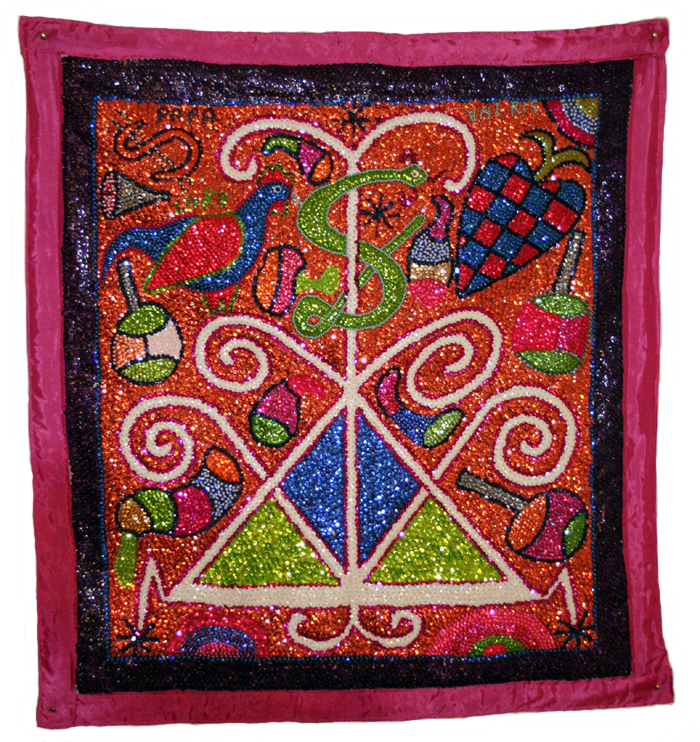 🇭🇹 Haiti and 2 moreHaitian VodouVodou
An Afro-Haitian religion blending West African traditions with Catholicism and FreemasonryTradition · Protection · Healing Living
🇭🇹 Haiti and 2 moreHaitian VodouVodou
An Afro-Haitian religion blending West African traditions with Catholicism and FreemasonryTradition · Protection · Healing Living