Speaking with spirits and the dead
Mediumship, ancestor rites, possession and the offerings made to the unseen.
Speaking with spirits and the dead is the aim of mediumship, ancestor rites, possession and necromancy. It runs from the spirit mediums of Korea and Brazil to Vodou possession, Chinese ancestor offerings, the Mexican Day of the Dead, Victorian spiritualism and the Witch of Endor of the Bible. It is a central practice in some living religions and a frequent target of fraud in others. This page covers who speaks to the dead and how they are judged.
Ways of contact
Methods differ. In possession, a spirit or deity is said to speak through the body of a medium, as in Vodou, Candomblé, Haitian and Brazilian rites, and in Korean gut. In trance or dream, a shaman travels to the spirit world. In offerings and festivals, families feed and talk to ancestors, as in the Hungry Ghost month in China and the ofrenda in Mexico. Spiritualism added the seance and the table-rapping of the 1840s.
Who may
In many societies, women lead: Korean mudang, Okinawan yuta, Brazilian mães de santo and the Western spiritualist mediums of the nineteenth century, who found in mediumship a public role denied elsewhere. Elsewhere, the role is for elders and ancestors' descendants. Some traditions require initiation, and some say contact with the dead is not for outsiders to attempt. Spirits and ancestors are not always friendly: mediums report angry, hungry or lost beings, and rites exist for settling them, such as offerings for neglected ancestors in China and Vietnam.
Authority and fear
Religions disagree. Christianity, Judaism and Islam each forbid certain contact with the dead while honouring prayer for them. Spiritist movements around Kardec in Brazil and France treat communication as a doctrine. Colonial authorities banned possession cults in many places, often labelling them devil worship, and some Pentecostal churches today condemn them in the same terms. The rites are widely found in Africa too, where ancestors are consulted at the family shrine and are held to watch over the living.
Fraud, grief and study
Grieving people are vulnerable. Fraudulent mediums, from the Fox sisters, who confessed in 1888, to modern cold readers, have taken money by exploiting loss. Researchers point to cold reading and to the ideomotor effect behind the Ouija board. Many bereaved people also report real comfort from rites that keep a bond with the dead, and counsellors acknowledge that continuing bonds are common. Doctors and psychologists note that a grief reaction can include hearing or sensing the dead, which is common and not in itself a sign of illness.
Speaking with spirits and the dead on EveryJaadu
The entries written up so far, best known first.
 🇮🇳 India and 5 morePilgrimage
A journey to a sacred site for spiritual growth or religious dutyTradition · Healing · Speaking with spirits and the dead Living
 🇬🇷 GreeceEleusinian MysteriesἘλευσίνια Μυστήρια
Ancient Greek secret initiation rites honouring Demeter and Persephone at EleusisTradition · Change and initiation · Speaking with spirits and the dead Historical
 🇦🇺 AustraliaWelcome to Country
A ceremony performed by Aboriginal elders to welcome visitors to their landRite · Speaking with spirits and the dead Living
🇮🇳 IndiaMuhurtamuhūrta
A Hindu unit of time used to select auspicious moments for rituals and daily practiceBelief · Power and authority · Speaking with spirits and the dead Living
 🇮🇳 IndiaSarnaism
A nature-based faith of India's Adivasi communities centered on sacred grovesTradition · Protection · Speaking with spirits and the dead Living
 🇧🇴 Bolivia and 2 moreYatiri
A lightning-struck healer in Aymara communities who restores balance with nature and ancestorsTradition · Healing · Speaking with spirits and the dead Living
 🇧🇯 Benin and 5 moreVodun art
Religious sculpture and temple painting from West African Vodun traditionsTradition · Protection · Speaking with spirits and the dead Living
 🇲🇱 MaliDogon religion
The traditional spiritual beliefs of the Dogon people of MaliTradition · Protection · Speaking with spirits and the dead Living
 🇮🇹 ItalyMarsilio Ficino
A Renaissance priest and philosopher who revived Plato and blended astrology with Christian theology.Text · Speaking with spirits and the dead · Healing Historical
 🇲🇽 Mexico and 5 moreFolk Catholicism
Local religious customs that blend official Church teaching with indigenous or regional traditions.Tradition · Protection · Healing Living
 🇸🇩 Sudan and 5 moreIncense
Aromatic plant material that releases scent when heated or burnedSubstance · Protection · Speaking with spirits and the dead Living
 🇷🇺 Russia and 2 moreSiberian Shamanism
Spirit journey and healing rituals of North Asian ethnic groupsTradition · Healing · Speaking with spirits and the dead Fading
 🇳🇬 Nigeria and 1 moreBoriBòòríí
A traditional Hausa spirit possession system and healing practice in West AfricaTradition · Healing · Protection Living
 🇨🇳 China and 5 moreQingming Festival清明节
A spring day for sweeping graves, feeding the dead and honouring ancestorsTradition · Speaking with spirits and the dead · Protection Living
 🇮🇳 IndiaPanjurli
A divine wild boar spirit of Tulu Nadu, honoured as guardian of fields and forestsBeing · Protection · Luck and prosperity Living
 🇳🇬 Nigeria and 2 moreỌya
A Yoruba orisha of storms and the dead, worshipped in Africa and the Americas.Being · Protection · Speaking with spirits and the dead Living
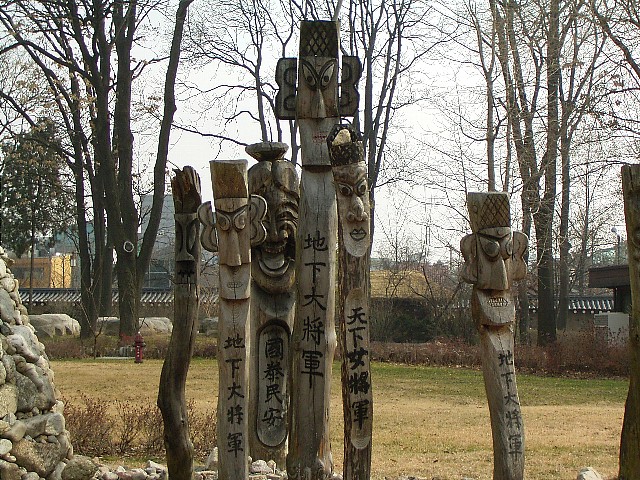 🇰🇷 South Korea and 1 moreJangseung장승
Wooden or stone poles that guard Korean villages and temples from evil spiritsTradition · Protection · Speaking with spirits and the dead Living
🇫🇷 France and 3 moreChristian Kabbalah
A Renaissance effort to read Christian theology into Jewish mysticismTradition · Speaking with spirits and the dead · Cursing and harm Historical
 🇫🇷 France and 3 moreReliquary
A container for sacred remains or objects, crafted across many faithsCharm · Protection · Speaking with spirits and the dead Living
 🇯🇵 JapanItakoイタコ
Blind women in Japan who train to channel spirits and communicate with the dead.Tradition · Speaking with spirits and the dead · Seeing and foretelling Fading
 🇰🇷 South Korea and 1 moreKorean shaman무당 (mudang)
A ritual specialist in Korean folk religion who mediates between humans and spirits through gut ceremonies.Tradition · Healing · Protection Living
 🇪🇬 Egypt and 4 moreAnimal sacrifice
The ritual killing of livestock or wild animals as an offering to deitiesRite · Speaking with spirits and the dead · Power and authority Historical
 🇮🇱 IsraelWitch of Endorאֵ֥שֶׁת בַּֽעֲלַת־אֹ֖וב בְּעֵ֥ין דֹּֽור
A biblical spirit-diviner summoned by King Saul to consult the prophet Samuel.Figure · Speaking with spirits and the dead Legendary
🇯🇲 Jamaica and 1 moreMyal
An Afro-Jamaican healing tradition rooted in Arawak and Akan spiritualityTradition · Healing · Protection Living
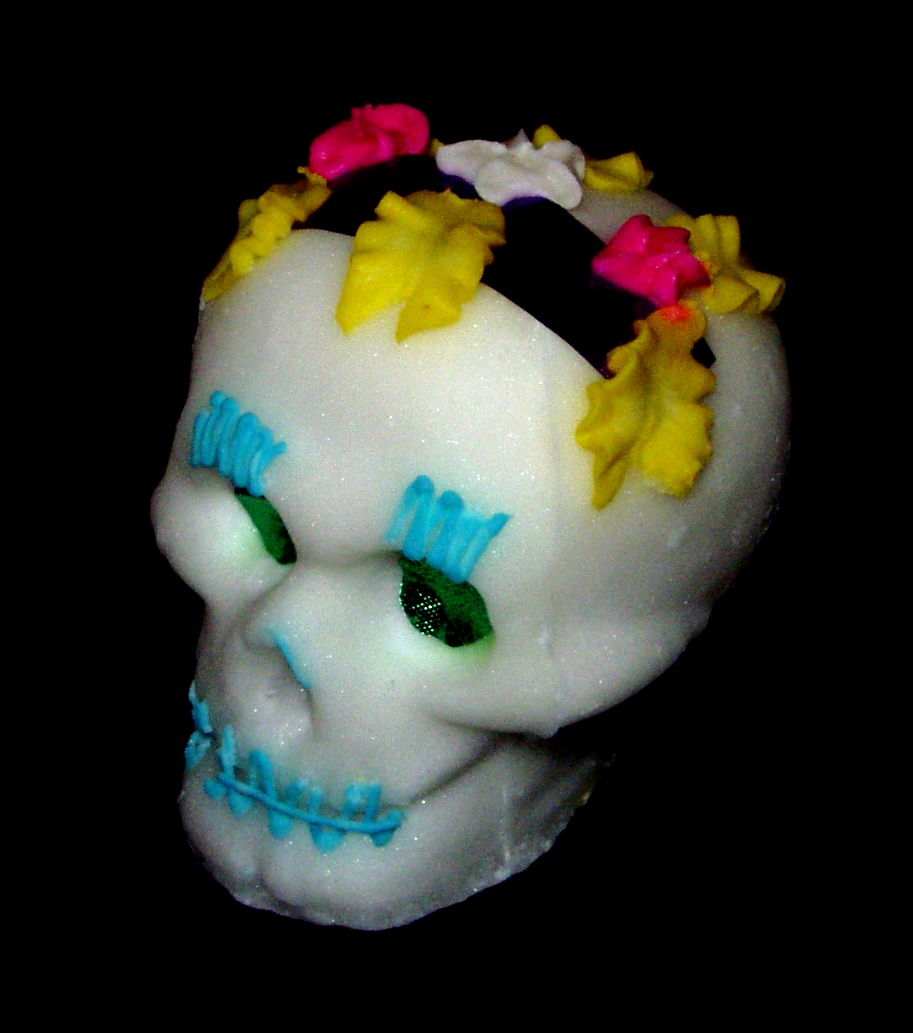 🇲🇽 MexicoCalavera
A sugar or clay skull used in Mexican Day of the Dead celebrations.Charm · Speaking with spirits and the dead · Luck and prosperity Living
 🇺🇸 United States and 2 moreSéance
A gathering to communicate with spirits, ranging from religious services to stage performances.Rite · Speaking with spirits and the dead · Healing Living
🇿🇦 South Africa and 1 moreSan religion
Traditional beliefs of the San peoples of Southern Africa, centered on trance and rock artTradition · Speaking with spirits and the dead Living
 🇵🇭 PhilippinesBabaylan
Spiritual leaders of pre-colonial Philippines who mediated with the unseen world.Tradition · Healing · Seeing and foretelling Historical
 🇻🇳 VietnamĐạo Mẫu
A Vietnamese shamanic tradition honouring mother goddesses through ritual performance.Tradition · Speaking with spirits and the dead · Power and authority Living
🇬🇧 United KingdomCŵn Annwn
Spectral hounds of the Welsh otherworld that hunt souls and signal deathBeing · Cursing and harm · Speaking with spirits and the dead Legendary
 🇯🇵 Japan and 1 moreAinu religion
The animist spiritual beliefs and ritual practices of the Ainu people of Japan and RussiaTradition · Protection · Speaking with spirits and the dead Living
 🇪🇸 Spain and 5 moreIbn Arabiمحيي الدين أبو عبد الله محمد بن علي بن عربي الحاتمي الطائي
A medieval Andalusian mystic and philosopher whose teachings shaped Sufi metaphysics across the Islamic world.Text · Speaking with spirits and the dead · Change and initiation Living
 🇯🇵 JapanShugendō修験道
A Japanese mountain ascetic path blending Esoteric Buddhism, Shinto, and folk ritualsTradition · Protection · Healing Living
 🇮🇱 Israel and 5 moreTefillinתְּפִלִּין
Black leather boxes containing Torah scrolls, worn by Jewish men during weekday prayers.Charm · Speaking with spirits and the dead · Protection Living
 🇲🇬 MadagascarFamadihana
A Malagasy ritual to rewrap ancestors and celebrate their return to the spirit worldRite · Speaking with spirits and the dead · Luck and prosperity Fading
 🇮🇳 IndiaBhuta KolaBhūta Kōla
A Tulu spirit dance in which a performer is believed to host a deityTradition · Speaking with spirits and the dead · Protection Living
 🇬🇧 United Kingdom and 2 moreSoul cake
A spiced cake given to soulers during Allhallowtide to remember the dead.Tradition · Speaking with spirits and the dead · Luck and prosperity Living
 🇨🇺 Cuba and 5 morePalo
An Afro-Cuban religion centered on spirit vessels and ancestral powerTradition · Healing · Cursing and harm Living
 🇮🇳 India and 5 moreKolamகோலம்
A daily geometric floor drawing made with rice flour at the home entrance in South IndiaRite · Protection · Luck and prosperity Living
 🇮🇳 IndiaBamakhepaবামাখ্যাপা
A Bengali Hindu saint known for his devotion to Goddess Tara and meditation in cremation grounds.Figure · Speaking with spirits and the dead Historical
🇯🇵 JapanYutaユタ
Okinawan folk shamans who guide families through spirits and fortune-tellingTradition · Protection · Healing Living
 🇺🇸 United States and 5 moreMediumship
The practice of mediating communication between the living and spirits of the dead.Tradition · Speaking with spirits and the dead · Healing Living
 🇲🇽 MexicoOfrenda
A Mexican home altar built to welcome the souls of the dead during Día de los MuertosTradition · Speaking with spirits and the dead Living
 🇮🇹 ItalyCumaean Sibyl
The priestess of the Apollonian oracle at Cumae, famous in Roman legend for her prophetic books and underworld guidance.Figure · Seeing and foretelling · Speaking with spirits and the dead Legendary
 🇭🇹 Haiti and 2 moreLwa
Spirits in Haitian Vodou that mediate between people and the creator god.Being · Protection · Healing Living
 🇻🇺 Vanuatu and 5 moreKava culture
A shared ritual across Oceania where a root brew marks ceremony, respect, and social gathering.Tradition · Speaking with spirits and the dead · Luck and prosperity Living
 🇲🇳 Mongolia and 1 moreTsagaan SarЦагаан сар
The Mongolian Lunar New Year, three days of white foods and family visitsTradition · Luck and prosperity · Cleansing and purification Living
 🇳🇵 Nepal and 1 moreMani stone
Carved stones bearing Buddhist mantras, placed as devotional offerings along paths and rivers.Charm · Protection · Speaking with spirits and the dead Living
Photo credits on this page
The small pictures above come from Wikimedia Commons under free licences. Some are cropped to fit.
- Rada lwa: Calvin Hennick, for WBUR Boston, CC BY 3.0, source
- Welcome to Country: Bidgee, CC BY-SA 3.0 au, source
- Panjurli: Uajith, CC BY-SA 3.0, source
- Calavera: Unknown author, CC BY-SA 3.0, source
- Soul cake: Samantha, CC BY 2.0, source
- Malagasy mythology: Saveoursmile (Hery Zo Rakotondramanana), CC BY-SA 2.0, source
- Dogon religion: Unknown author, CC BY 3.0, source
- Incense: nakimusi, CC BY 2.0, source
- Witch of Endor: Adam Elsheimer / John Kay, CC BY 4.0, source
- Babaylan: Hptina24, CC BY-SA 4.0, source
- Ainu religion: Unknown author, Public domain, source
- Shugendō: 唐山健志郎 (Kenshiro Karayama), CC BY-SA 3.0, source
- Cumaean Sibyl: Elihu Vedder, Public domain, source
- Mani stone: John Hill, CC BY-SA 4.0, source
- Corpus Hermeticum: Marsilio Ficino, Public domain, source
- Pilgrimage: Ali Mansuri, CC BY-SA 2.5, source
- Eleusinian Mysteries: No machine-readable author provided. Marsyas assumed (based on copyrig, Public domain, source
- Yatiri: EEJCC, CC BY-SA 4.0, source
- Vodun art: Fraipont, Gustave (1849-1923), Public domain, source
- Siberian Shamanism: Аркадий Зарубин, CC BY-SA 3.0, source
- Bori: Tremearne, A. J. N. (Arthur John Newman), 1877-1915, Public domain, source
- Qingming Festival: Jacklee ., CC BY-SA 3.0, source
- Ọya: Picture taken by Eurico Zimbres, CC BY-SA 2.5, source
- Jangseung: Yoshiaki Sano, CC BY-SA 2.0, source
- Reliquary: Attributed to Jean de Toul, also written Jehan de Touyl in one source, CC0, source
- Itako: User Geomr~commonswiki self upload, CC BY-SA 3.0, source
- Korean shaman: Hyewon Shin Yun-bok (申潤福: 1758-early 19th century) (혜원 신윤복 (申潤福: 1758-, Public domain, source
- Animal sacrifice: Wilfredor, CC0, source
- Séance: Unknown author, Public domain, source
- Đạo Mẫu: Vũ Tiến Lâm, CC BY-SA 4.0, source
- Ibn Arabi: Omar.Hafez, CC0, source
- Bhuta Kola: Unknown author, Public domain, source
- Bamakhepa: Pinakpani, CC BY-SA 4.0, source
- Mediumship: Harvey Metcalfe, Public domain, source
- Ofrenda: Eneas de Troya, CC BY 2.0, source
- Lwa: Hector Hyppolite, Public domain, source
- Kava culture: Jaejay77, CC BY-SA 4.0, source
- Tsagaan Sar: User:Chinneeb, CC BY-SA 3.0, source
- Sarnaism: বুদ্ধি, CC BY-SA 4.0, source
- Tefillin: Brooklyn Museum, CC BY 3.0, source
- Palo: Burkhard Mücke, CC BY-SA 4.0, source
- Kolam: mckaysavage, CC BY 2.0, source