
Smoking ceremony
A ritual using herbal smoke for cleansing and welcoming among Aboriginal Australians
An Aboriginal Australian practice that burns native plants to create smoke for spiritual and physical purification. The custom marks life transitions such as birth and initiation, and is now used in public Welcome to Country events.
- Emu bush smoke kills bacteria only after heating
- Used to welcome royalty during 2018 royal tour
- Replaced incense at Mary Mackillop beatification
- Ochre marks living spaces after a death
- Women manage birth-related smoking rituals
What it is
This rite uses the smoke from burning native plants to purify people and places. It serves both spiritual and physical purposes within Aboriginal Australian culture. The smoke is believed to cleanse bad spirits and promote health. Communities perform it at key life stages to mark transitions and ensure safety.
Where it comes from
The practice is deeply rooted in Aboriginal traditions across Australia. Different nations have their own specific ways of conducting the ceremony. It has been performed for generations to welcome new members into the community and to honor ancestors. The custom adapts to local beliefs while maintaining its core purpose of purification.
How it is done
Practitioners light a fire using materials like paperbark. Green leaves are placed on the flames to produce thick smoke. The fire may be built in a pit or a bucket. Participants expose themselves to the smoke by moving near it. In some cases, tools are also passed through the smoke for disinfection.
Tools and materials
Native plants are central to the ritual. Emu bush leaves are commonly burned for their properties. Australian sandalwood is also used for its anti-inflammatory effects. Paperbark helps start the fire. Ochre may be painted on spaces to mark them during death ceremonies.
Smoking ceremony, drawn and placed
- Living
- Revived
- Fading
- Historical
- Legendary
- Performed
- Lineage
- Aboriginal Australian tradition
- Timing
- at birth, initiation, death, and public gatherings
What it is for
The smoke cleanses individuals and locations. It is used to protect newborns and mothers from illness. It prepares initiates for adulthood by purifying their bodies and spirits. It helps deceased spirits move on and clears spaces of lingering energy. It also welcomes guests to traditional land.
Who does it
Women often lead ceremonies related to birth and infants. Elders and community members conduct public welcome events. Specialists handle initiation rites involving circumcision. The practice requires knowledge of local plant species and ceremonial protocols.
Peoples and places
Aboriginal groups across Australia observe this custom. The Darug nation associates smoke with connections to family and land. The Gundungurra use it for communication between territories. Butchulla elders perform it for visitors. Practices vary significantly between different Indigenous nations.
At a glance: who, where and when


What people believe
Smoke carries spiritual power that removes negative influences. It connects participants to their country and ancestors. Physical health benefits are recognized alongside spiritual ones. The ritual acknowledges the presence of spirits and seeks harmony with them.
When it is done
Ceremonies occur at birth, initiation, and death. They mark entry into adulthood for boys. They are performed when someone dies to aid their spirit. Public versions happen at festivals and official events throughout the year.
How scholars and sceptics see it
Research indicates that heating emu bush leaves produces antimicrobial smoke. This effect does not exist in the raw leaves. Studies show sandalwood oil can reduce anxiety. Scientists note the medicinal value of the plants used in the ritual.
Cautions and what is closed
Some emu bush varieties contain toxic compounds. Burning changes the chemical structure of the oils. People with allergies may react to sandalwood smoke. The practice respects sacred knowledge and limits access to certain rituals.
Compare and confuse
It shares similarities with incense burning in other religions. Both use smoke for purification and prayer. However, this rite uses native Australian plants instead of imported resins. It focuses on land connection rather than deity worship alone.
Law and persecution
The practice is protected as part of Indigenous cultural heritage. It is performed openly at public events today. Some aspects remain closed to outsiders. Community leaders control access to sacred elements.
Rites that involve Smoking ceremony
Questions people ask about Smoking ceremony
What is a smoking ceremony?
It is an Aboriginal Australian ritual using smoke from burning native plants. The smoke cleanses people and places spiritually and physically. It marks life events like birth and initiation.
Where does it come from?
It originates from Aboriginal cultures across Australia. Different nations have unique variations. It is a traditional practice that continues today in communities and public events.
Why is it performed?
It purifies individuals and spaces. It protects newborns and initiates. It helps deceased spirits transition. It welcomes guests to traditional land respectfully.
What plants are used?
Emu bush and Australian sandalwood are common. Paperbark starts the fire. These plants have antimicrobial and anti-inflammatory properties when burned.
Good reading and sources
The facts on this page come from the Wikipedia article "Smoking ceremony", written by its contributors and used under the CC BY-SA 4.0 licence, and from its Wikidata record (CC0). EveryJaadu rewrote the text in its own words, with AI assistance, and compares every page with the article to make sure no passage is copied. It may be reused under the same CC BY-SA 4.0 licence with a link back.
It may contain mistakes. Names and customs differ from one community to the next, and some knowledge is closed to outsiders and left out here. This page describes belief and practice. It does not say that any of it works, it is not a how-to, and it is not medical advice. If something is wrong, tell us. Last refreshed 2026-10-05.
More from Australia
All the entries from Australia 🇻🇺 Vanuatu and 5 moreKava culture
A shared ritual across Oceania where a root brew marks ceremony, respect, and social gathering.Tradition · Speaking with spirits and the dead · Luck and prosperity Living
🇻🇺 Vanuatu and 5 moreKava culture
A shared ritual across Oceania where a root brew marks ceremony, respect, and social gathering.Tradition · Speaking with spirits and the dead · Luck and prosperity Living
 🇦🇺 AustraliaWelcome to Country
A ceremony performed by Aboriginal elders to welcome visitors to their landRite · Speaking with spirits and the dead Living
🇦🇺 AustraliaWelcome to Country
A ceremony performed by Aboriginal elders to welcome visitors to their landRite · Speaking with spirits and the dead Living
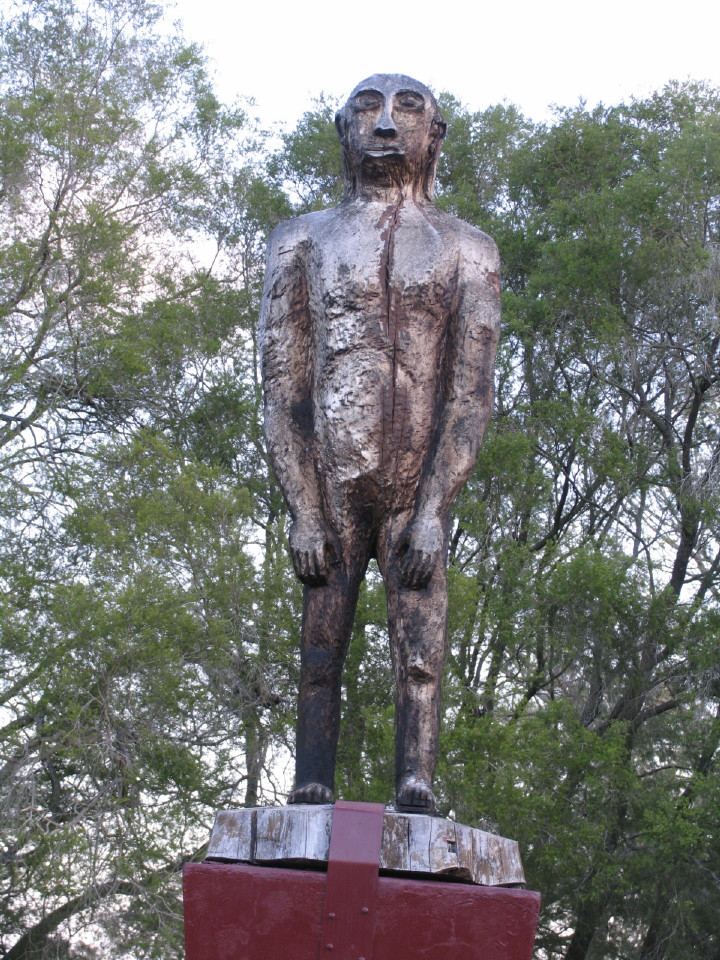 🇦🇺 AustraliaYowie
A hairy, bipedal creature of Australian folklore and cryptozoologyFigure · Wonder and entertainment Legendary
🇦🇺 AustraliaYowie
A hairy, bipedal creature of Australian folklore and cryptozoologyFigure · Wonder and entertainment Legendary
 🇦🇺 Australia and 1 moreTattoo
A permanent mark made by placing pigment under the skin to form a design.Tradition · Protection · Power and authority Living
🇦🇺 Australia and 1 moreTattoo
A permanent mark made by placing pigment under the skin to form a design.Tradition · Protection · Power and authority Living
Related elsewhere
All rite 🇯🇵 JapanOfudaお札/御札 (ofuda)
Paper and wooden talismans from Japanese Shinto shrines and Buddhist templesCharm · Protection · Cleansing and purification Living
🇯🇵 JapanOfudaお札/御札 (ofuda)
Paper and wooden talismans from Japanese Shinto shrines and Buddhist templesCharm · Protection · Cleansing and purification Living
 🇸🇪 Sweden and 5 moreMidsummerJāņi; Joninės; Jaanipäev; Enyovden; Litha; Juhannus
A summer solstice festival marked by bonfires, maypole dancing, and feasting across Europe.Tradition · Protection · Luck and prosperity Living
🇸🇪 Sweden and 5 moreMidsummerJāņi; Joninės; Jaanipäev; Enyovden; Litha; Juhannus
A summer solstice festival marked by bonfires, maypole dancing, and feasting across Europe.Tradition · Protection · Luck and prosperity Living
 🇸🇩 Sudan and 5 moreIncense
Aromatic plant materials burned to release fragrant smoke for ritual, scent, or timekeeping.Substance · Protection · Speaking with spirits and the dead Living
🇸🇩 Sudan and 5 moreIncense
Aromatic plant materials burned to release fragrant smoke for ritual, scent, or timekeeping.Substance · Protection · Speaking with spirits and the dead Living
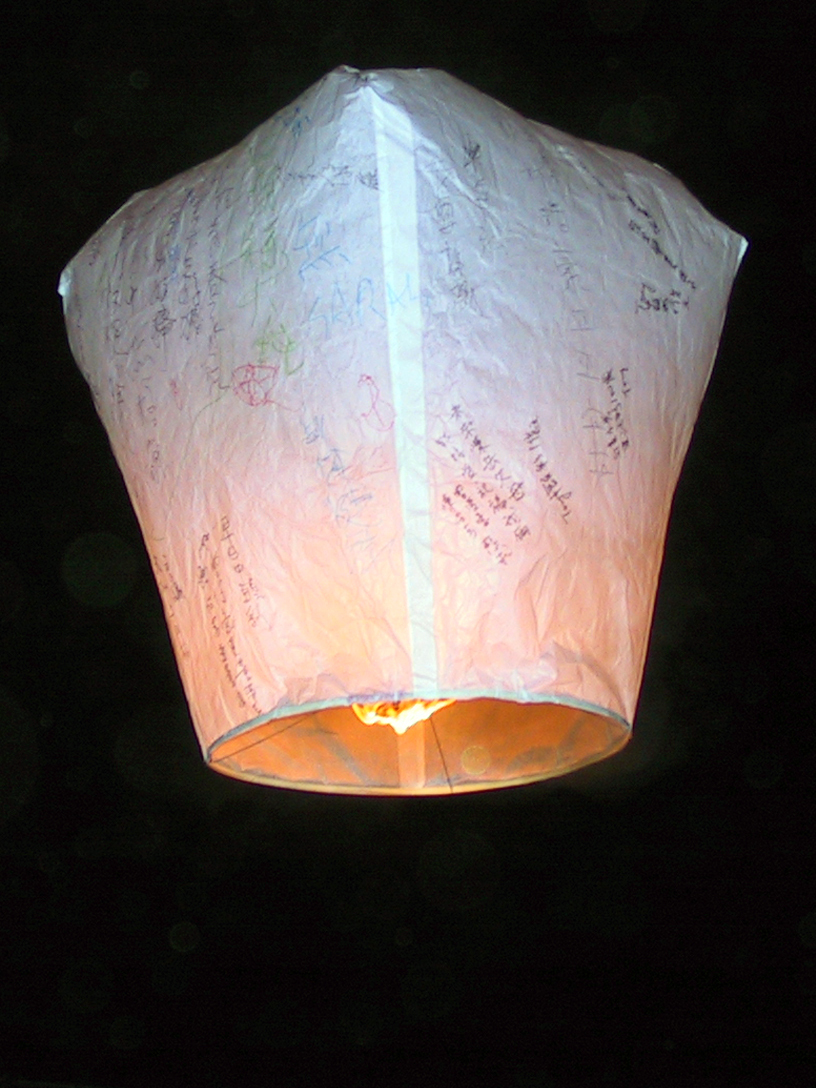 🇨🇳 China and 5 moreSky lantern天燈
A paper hot air balloon lifted by flame to carry wishes and blessingsRite · Luck and prosperity · Protection Living
🇨🇳 China and 5 moreSky lantern天燈
A paper hot air balloon lifted by flame to carry wishes and blessingsRite · Luck and prosperity · Protection Living