
Makar Sankranti
In its own language: मकरसङ्क्रान्ति
from Sanskrit makara (Capricorn) and sankranti (transition)
A solar festival marking the sun's northward shift and the winter harvest across South Asia.
Makar Sankranti is a Hindu observance and mid-winter harvest festival celebrated in India and Nepal. It marks the sun's transition into Capricorn and honors Surya, the solar deity. The date falls on January 14 or 15 annually.
- Marks the sun's entry into Capricorn on Jan 14 or 15.
- Honors Surya, the Hindu solar deity.
- Sesame seeds are sacred ritual food.
- Known as Pongal in Tamil Nadu.
- Kumbha Mela occurs every 12 years.
What it is
Makar Sankranti stands as a major solar observance within the Hindu tradition. It serves as a mid-winter celebration of the agricultural harvest. The festival centers on the movement of the sun from Sagittarius to Capricorn. This celestial shift signals the start of Uttarayana, the sun's northward journey. Devotees honor Surya, the sun god, during this time. The event marks a period of renewal and new beginnings for communities across South Asia.
Where it comes from
The festival follows the sidereal solar cycle rather than the tropical calendar. It aligns with the exact moment the sun enters the zodiac sign of Capricorn. Historical texts like the Mahabharata reference associated gatherings such as the Magha Mela. The date typically lands on January 14, shifting to January 15 during leap years. This timing reflects the astronomical reality of the earth's orbit around the sun.
How it is done
Celebrations involve social gatherings and ritual acts of gratitude. People visit sacred rivers and lakes to bathe in thanks to the sun. Rural children often sing songs while visiting homes for treats. Communities fly kites, light bonfires, and hold fairs known as melas. In some regions, geometric patterns made from colored rice flour decorate home entrances. Feasts featuring specific seasonal foods are central to the festivities.
Tools and materials
Sesame seeds play a vital role in rituals and offerings. They are considered sacred due to legends linking them to Vishnu. Kites are flown widely, especially in northern regions. Bonfires are lit to mark the end of the harvesting season. Rice flour creates decorative designs called muggu. Traditional dishes like pongal or khichdi are prepared using newly harvested grains.
Makar Sankranti, drawn and placed
- Living
- Revived
- Fading
- Historical
- Legendary
- Performed
- Lineage
- Hindu astronomical calendar
- Timing
- mid-winter, post-harvest
What it is for
The festival expresses thankfulness for the winter harvest. It seeks blessings for future prosperity and well-being. Devotees aim to purify themselves through ritual bathing. The observance strengthens community bonds through shared feasts and games. It also serves as a spiritual marker for the sun's return and the lengthening days.
Who does it
Households and local communities organize the main celebrations. Religious specialists may lead prayers at temples or riverbanks. Farmers participate by marking the completion of their harvest cycles. Children engage in festive activities like kite flying and singing. The practice is widespread among Hindus but also includes Sikhs and Jains in certain regions.
Peoples and places
The festival appears under many names across different cultures. Tamils call it Pongal, focusing on boiling rice and milk. Assamese celebrate Magh Bihu with week-long feasts and bamboo huts. Punjabis observe Lohri the night before. Bengalis attend the Tusu Mela. Each region adds unique customs while sharing the core solar theme. The variations reflect local agricultural cycles and linguistic traditions.
At a glance: who, where and when
Who does it
Belief worlds
Occasions


What people believe
Hindu cosmology views the sun's movement as spiritually significant. The transition into Capricorn is seen as an auspicious time. Legends tell of deities defeating demons to establish the festival. Sesame seeds are believed to possess ritual purity because they emerged from divine sweat. The sun is worshipped as a source of life and energy. Rituals aim to align human activity with cosmic order.
When it is done
The festival occurs annually in mid-January. It coincides with the winter solstice period. In Tamil Nadu, Pongal lasts four days. In Andhra Pradesh and Telangana, celebrations span four days including Bhogi and Kanuma. Assam's Magh Bihu traditionally lasted the whole month but now focuses on one day. The Kumbha Mela happens every twelve years at major pilgrimage sites.
How scholars and sceptics see it
Researchers note the festival's deep roots in ancient astronomy. The date calculation relies on sidereal measurements distinct from tropical astrology. Anthropologists study the social functions of the melas and communal feasts. Historians trace the evolution of regional names and customs. The festival demonstrates how agricultural societies track celestial events for practical and spiritual purposes.
Cautions and what is closed
Large gatherings at pilgrimage sites require careful management. The Kumbha Mela attracts tens of millions of people, posing logistical challenges. Some traditional practices involve fire, which requires safety precautions. The festival does not involve harmful rituals or animal sacrifice. It remains a peaceful celebration of harvest and solar renewal.
Compare and confuse
Makar Sankranti shares themes with other solar festivals worldwide. It parallels European mid-winter celebrations that honor the returning sun. The name Uttarayana refers to the broader six-month northward movement. Regional variants like Pongal and Magh Bihu highlight local adaptations. The festival differs from purely lunar-based Hindu holidays in its fixed solar timing.
Questions people ask about Makar Sankranti
What is Makar Sankranti?
It is a Hindu solar festival celebrating the harvest and the sun's northward shift. It occurs annually in mid-January when the sun enters Capricorn. Devotees worship Surya and perform rituals for prosperity.
Why is sesame important?
Sesame seeds are considered ritually pure. Legends say they formed from Vishnu's sweat. They are offered in prayers and eaten as part of the harvest feast to invoke divine blessings.
When is it celebrated?
It falls on January 14 most years. In leap years, it shifts to January 15. This timing aligns with the sidereal solar cycle and the winter harvest season in South Asia.
How do people celebrate?
Communities fly kites, light bonfires, and hold fairs. Many take ritual baths in sacred rivers. Families prepare special dishes like pongal or khichdi and share sweets with neighbors.
Good reading and sources
- Tilgul: A Indian sweet that encourages kind wordsBBC, Article
- Devotees throng Gangasagar on Makar SankrantiThe Hindu, Article
- Makar Sankranti on WikipediaEncyclopedia
- More photos on Wikimedia CommonsPhotos and video
- Wikidata recordOpen data
The facts on this page come from the Wikipedia article "Makar Sankranti", written by its contributors and used under the CC BY-SA 4.0 licence, and from its Wikidata record (CC0). EveryJaadu rewrote the text in its own words, with AI assistance, and compares every page with the article to make sure no passage is copied. It may be reused under the same CC BY-SA 4.0 licence with a link back.
It may contain mistakes. Names and customs differ from one community to the next, and some knowledge is closed to outsiders and left out here. This page describes belief and practice. It does not say that any of it works, it is not a how-to, and it is not medical advice. If something is wrong, tell us. Last refreshed 2026-10-05.
More from India
All the entries from India 🇮🇳 IndiaChakraचक्र
Meditation points in the subtle body used in Hindu and Buddhist yogaTradition · Speaking with spirits and the dead · Change and initiation Living
🇮🇳 IndiaChakraचक्र
Meditation points in the subtle body used in Hindu and Buddhist yogaTradition · Speaking with spirits and the dead · Change and initiation Living
 🇮🇳 IndiaKavu
Sacred forest patches in South India that protect local deities and wildlifeTradition · Protection · Speaking with spirits and the dead Living
🇮🇳 IndiaKavu
Sacred forest patches in South India that protect local deities and wildlifeTradition · Protection · Speaking with spirits and the dead Living
 🇮🇳 India and 2 moreYantraयन्त्र
A geometric diagram from Indian traditions used for worship and meditationTradition · Protection · Speaking with spirits and the dead Living
🇮🇳 India and 2 moreYantraयन्त्र
A geometric diagram from Indian traditions used for worship and meditationTradition · Protection · Speaking with spirits and the dead Living
 🇮🇳 India and 4 moreTantraतन्त्र
An esoteric yogic tradition from India focusing on ritual, mantra, and body-based spiritual practices.Tradition · Power and authority · Change and initiation Living
🇮🇳 India and 4 moreTantraतन्त्र
An esoteric yogic tradition from India focusing on ritual, mantra, and body-based spiritual practices.Tradition · Power and authority · Change and initiation Living
Related elsewhere
All tradition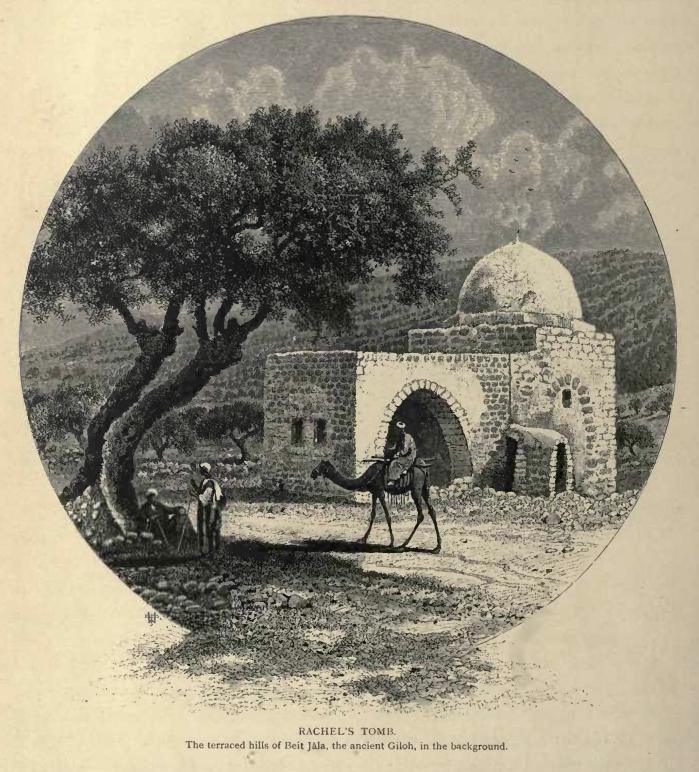 🇵🇸 Palestine and 1 moreRachel's TombQever Raḥel; Qabr Rāḥīl
A shared holy site near Bethlehem revered by Jews, Christians, and MuslimsTradition · Speaking with spirits and the dead · Protection Living
🇵🇸 Palestine and 1 moreRachel's TombQever Raḥel; Qabr Rāḥīl
A shared holy site near Bethlehem revered by Jews, Christians, and MuslimsTradition · Speaking with spirits and the dead · Protection Living
 🇨🇳 China and 1 moreAncestor veneration in China中國傳統宗法性宗教
Rites for dead kin who are thought to watch over the familyTradition · Protection · Speaking with spirits and the dead Living
🇨🇳 China and 1 moreAncestor veneration in China中國傳統宗法性宗教
Rites for dead kin who are thought to watch over the familyTradition · Protection · Speaking with spirits and the dead Living
 🇲🇦 Morocco and 5 moreWild rueاسپند
A desert plant whose seeds hold psychoactive alkaloids and serve as incense in the Middle East.Substance · Protection · Speaking with spirits and the dead Living
🇲🇦 Morocco and 5 moreWild rueاسپند
A desert plant whose seeds hold psychoactive alkaloids and serve as incense in the Middle East.Substance · Protection · Speaking with spirits and the dead Living
 🇳🇬 NigeriaOrunmilaỌ̀rúnmìlà
Yoruba deity of wisdom and the creator of the Ifá divination systemBeing · Seeing and foretelling · Speaking with spirits and the dead Living
🇳🇬 NigeriaOrunmilaỌ̀rúnmìlà
Yoruba deity of wisdom and the creator of the Ifá divination systemBeing · Seeing and foretelling · Speaking with spirits and the dead Living