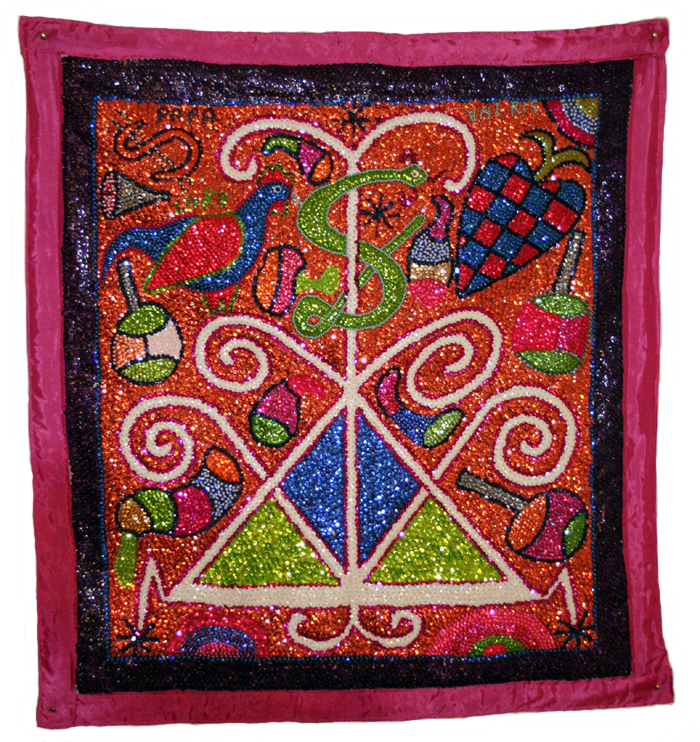
Haitian Vodou
In its own language: Vodou
from Fon Vôdoun, meaning spirit or deity
An Afro-Haitian religion blending West African traditions with Catholicism and Freemasonry
Haitian Vodou is a syncretic faith that developed in Haiti between the sixteenth and nineteenth centuries. It combines traditional religions of enslaved West and Central Africans with Roman Catholicism and Freemasonry to form a system centred on Bondye and the lwa spirits.
- Developed through syncretism of African traditions and Catholicism
- Centres on Bondye and intermediary lwa spirits
- No central authority or formal creed exists
- Practiced alongside Catholicism by many Haitians
- Shares origins with Santería and Candomblé
What it is
Haitian Vodou is an African diasporic religion that emerged in Haiti through the blending of West and Central African spiritual systems with European influences. Practitioners, known as Vodouists, view it as a living tradition rather than a static set of rules. The faith lacks a central authority or formal creed, allowing for significant diversity among local congregations and family groups. It is often described by scholars as an Afro-Latin American religion or a neo-African tradition. Many adherents practice Vodou alongside Roman Catholicism, seeing no conflict between the two systems. The religion focuses on maintaining harmony with the spiritual world through ritual service and community gathering.
Where it comes from
The religion developed during the Atlantic slave trade period between the sixteenth and nineteenth centuries. Enslaved people from West and Central Africa, including those of Fon, Bakongo, and Yoruba descent, brought their traditional beliefs to the island of Hispaniola. These beliefs merged with the iconography of French colonial culture, particularly Roman Catholicism and Freemasonry. This process of creolization created a new religious structure around the mid-eighteenth century. The faith played a role in the Haitian Revolution, after which it became the dominant religion in the newly formed republic as the Catholic Church withdrew.
How it is done
Ceremonies are typically held in temples called ounfò or within family groups. Participants drum, sing, and dance to invite lwa spirits to possess the dancers temporarily. Divination is used to communicate with the spirits and identify personal tutelary lwa. Offerings such as fruit, liquor, and sacrificed animals are presented to the lwa. Healers prepare herbal remedies and talismans for devotees seeking assistance. The rituals are led by initiated priests and priestesses who guide the community through these interactions with the supernatural realm.
Tools and materials
Practitioners use drums, rattles, and specific songs to facilitate spirit communication. Offerings include food items like fruit and beverages such as liquor. Animal sacrifice is performed to honour the lwa and maintain reciprocal relationships. Herbal remedies and talismans are prepared by healers for protection and healing. Specific colours, days of the week, and objects are associated with individual lwa. Divination tools help practitioners identify the identity of a person's tutelary spirit.
Haitian Vodou, drawn and placed
- Living
- Revived
- Fading
- Historical
- Legendary
- Performed
- Lineage
- Afro-Caribbean syncretic religion
- Timing
- during ceremonies and daily life
What it is for
Devotees seek the aid, protection, and counsel of the lwa and ancestral spirits. The lwa act as intermediaries between humans and the transcendent creator Bondye. Rituals aim to restore balance, heal illnesses, and resolve personal crises. Individuals connect with their mèt tèt, or master of the head, to understand their personality and destiny. The practice provides a framework for moral philosophy and social cohesion within the community. It offers a way to navigate life events through spiritual guidance and communal support.
Who does it
Initiation into an ounfò is conducted by oungan (priests) or manbo (priestesses). These leaders run communal temples and oversee group ceremonies. Some practitioners belong to secret societies like the Bizango. Certain individuals are believed to have the gift of eyes, allowing them to see the identity of tutelary lwa. Leadership roles are not restricted to a single hierarchy, reflecting the decentralized nature of the faith. Both men and women serve as spiritual guides and ritual specialists.
Peoples and places
Vodou originated among Afro-Haitian communities but has spread beyond its ethnic roots. It is practiced by individuals of various backgrounds in Haiti and among diaspora communities in Cuba and the United States. The religion shares similarities with Cuban Santería and Brazilian Candomblé due to common West African origins. In Haiti, many adherents also identify as Roman Catholics or Protestants. Some practitioners influenced by the Négritude movement have sought to remove European influences from their practice.
At a glance: who, where and when
Belief worlds
Occasions
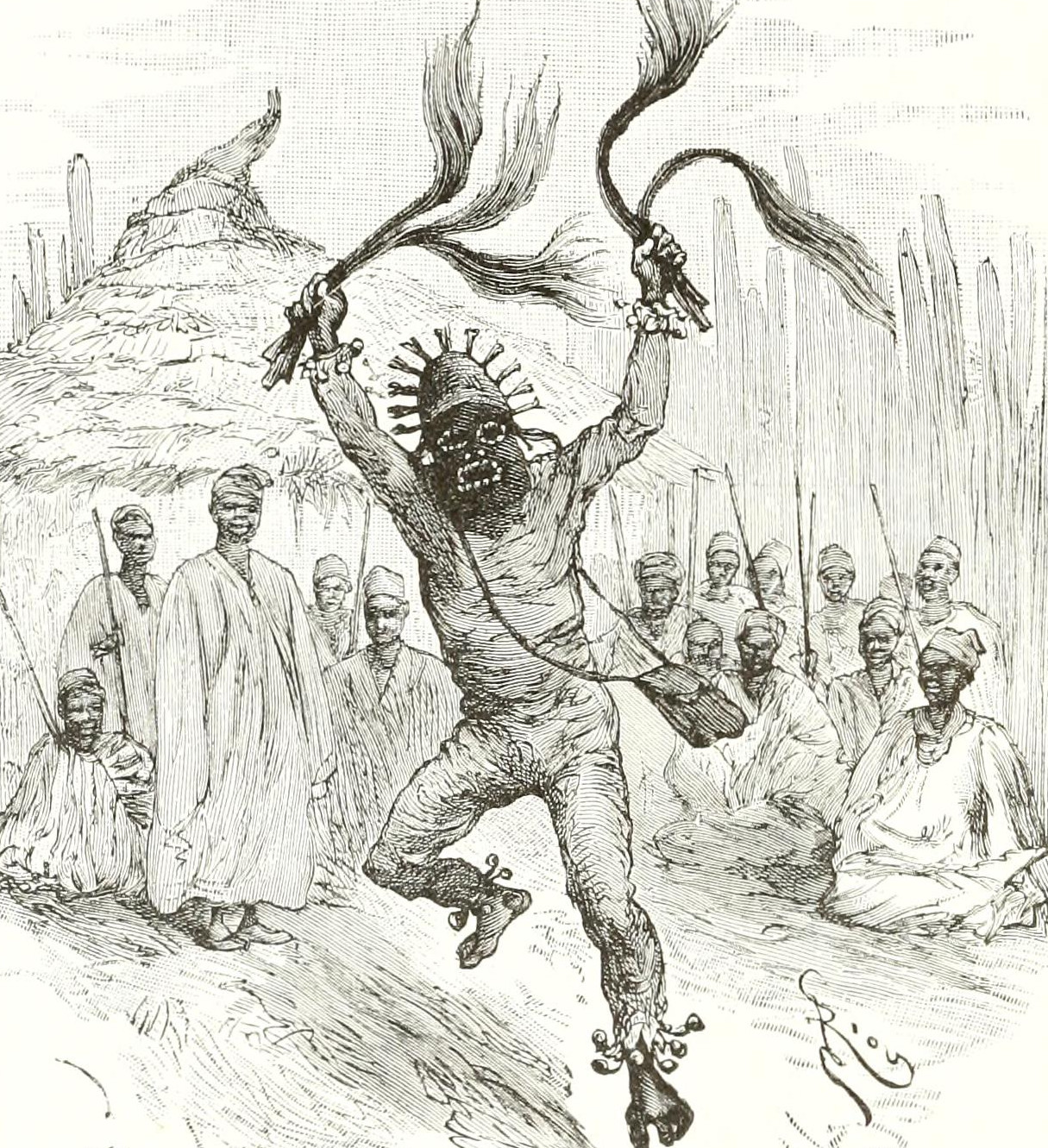


What people believe
The theology centres on Bondye, a transcendent creator god who remains remote from human affairs. Below Bondye are the lwa, spirits who serve as intermediaries and interact directly with humans. There are over a thousand lwa, each with distinct personalities and associations. The lwa divide into nations like Rada and Petwo, reflecting different temperaments and historical origins. Devotees believe everyone connects to a specific tutelary lwa that shapes their character. The spirits can offer protection or inflict misfortune depending on how they are treated.
When it is done
Rituals occur throughout the year, often aligned with Catholic feast days due to syncretism. Daily life includes prayers and offerings to Bondye and the lwa. Specific days of the week are associated with particular spirits. Ceremonies mark important life events and community gatherings. The rhythm of worship follows both seasonal cycles and the needs of individual devotees. Festivals may involve public processions and communal feasting.
How scholars and sceptics see it
Anthropologists and historians describe Vodou as a syncretic religion formed through creolization. Scholars note its structural similarities to other Afro-diasporic faiths in the Americas. Researchers highlight the religion's adaptability and lack of centralized dogma. Some academics emphasize the role of Vodou in Haitian national identity and revolutionary history. Critics have historically misunderstood the religion, leading to widespread misconceptions about its practices and beliefs.
Cautions and what is closed
Vodou has faced significant criticism and misunderstanding throughout its history. Misconceptions often stem from popular culture depictions rather than actual practice. The religion is sometimes confused with Louisiana Voodoo, a distinct tradition. Outsiders may misinterpret rituals involving animal sacrifice or spirit possession. The decentralized nature of Vodou means there is no single standard to judge against. Practitioners emphasize the moral and philosophical aspects of their faith over sensational elements.
Compare and confuse
Vodou is related to Cuban Santería and Brazilian Candomblé through shared West African roots. It differs from Louisiana Voodoo, which is a separate tradition with its own history. The term Vodou is preferred over Voodoo to avoid negative connotations in Western media. Ginen refers to the moral philosophy underlying the practice rather than the religion itself. The religion shares some theological concepts with Christianity but maintains distinct African spiritual frameworks.
Law and persecution
Vodou is recognized as part of Haiti's cultural heritage and is practiced openly by many citizens. Legal status varies in diaspora communities, where it may face discrimination or misunderstanding. Historical persecution occurred during periods of political instability and foreign intervention. Contemporary practitioners advocate for greater recognition and respect for their religious freedom. The religion operates without official state endorsement but enjoys broad social acceptance in Haiti.
Rites that involve Haitian Vodou
Questions people ask about Haitian Vodou
What is Haitian Vodou?
It is an Afro-Haitian religion blending West African traditions with Catholicism and Freemasonry. It centres on Bondye and the lwa spirits, lacking a central authority or formal creed.
Where did Vodou originate?
It developed in Haiti between the sixteenth and nineteenth centuries among enslaved West and Central Africans. Their beliefs merged with French colonial influences to create a unique syncretic faith.
Who are the lwa?
The lwa are spirits serving as intermediaries between humans and Bondye. They have distinct personalities and are invoked through rituals, offerings, and drumming to provide guidance and protection.
Is Vodou the same as Voodoo?
No. Vodou refers specifically to the Haitian religion. Voodoo is a term often avoided by practitioners due to negative connotations and confusion with Louisiana Voodoo, a distinct tradition.
Good reading and sources
- Haitian Vodou on WikipediaEncyclopedia
- More photos on Wikimedia CommonsPhotos and video
- Wikidata recordOpen data
The facts on this page come from the Wikipedia article "Haitian Vodou", written by its contributors and used under the CC BY-SA 4.0 licence, and from its Wikidata record (CC0). EveryJaadu rewrote the text in its own words, with AI assistance, and compares every page with the article to make sure no passage is copied. It may be reused under the same CC BY-SA 4.0 licence with a link back.
It may contain mistakes. Names and customs differ from one community to the next, and some knowledge is closed to outsiders and left out here. This page describes belief and practice. It does not say that any of it works, it is not a how-to, and it is not medical advice. If something is wrong, tell us. Last refreshed 2026-10-05.
More from Haiti
All the entries from Haiti 🇭🇹 Haiti and 2 moreBokorbòkò
A Haitian Vodou practitioner said to serve spirits for both protection and harmTradition · Protection · Cursing and harm Living
🇭🇹 Haiti and 2 moreBokorbòkò
A Haitian Vodou practitioner said to serve spirits for both protection and harmTradition · Protection · Cursing and harm Living
 🇭🇹 Haiti and 2 moreManbo
A female priestess in Haitian Vodou who leads rituals and healing workTradition · Healing · Speaking with spirits and the dead Living
🇭🇹 Haiti and 2 moreManbo
A female priestess in Haitian Vodou who leads rituals and healing workTradition · Healing · Speaking with spirits and the dead Living
 🇹🇹 Trinidad and Tobago and 3 moreCaribbean folklore
The blended tales and spirits of the Caribbean islandsTradition · Wonder and entertainment Living
🇹🇹 Trinidad and Tobago and 3 moreCaribbean folklore
The blended tales and spirits of the Caribbean islandsTradition · Wonder and entertainment Living
 🇨🇺 Cuba and 5 morePalo
An Afro-Cuban religion centered on spirit vessels and ancestral powerTradition · Healing · Cursing and harm Living
🇨🇺 Cuba and 5 morePalo
An Afro-Cuban religion centered on spirit vessels and ancestral powerTradition · Healing · Cursing and harm Living
Related elsewhere
All tradition 🇸🇳 Senegal and 1 moreSerer religionA ƭat Roog
The traditional faith of the Serer people, centred on the supreme deity Roog and ancestral veneration.Tradition · Protection · Speaking with spirits and the dead Living
🇸🇳 Senegal and 1 moreSerer religionA ƭat Roog
The traditional faith of the Serer people, centred on the supreme deity Roog and ancestral veneration.Tradition · Protection · Speaking with spirits and the dead Living
 🇰🇪 Kenya and 1 moreMaasai religion
The spiritual beliefs of the semi-nomadic Maasai people of East AfricaTradition · Protection · Healing Living
🇰🇪 Kenya and 1 moreMaasai religion
The spiritual beliefs of the semi-nomadic Maasai people of East AfricaTradition · Protection · Healing Living
 🇹🇭 Thailand and 3 moreThai Buddha amuletsพระเครื่อง (phrakhrueang)
Sacred Buddhist images and relics worn for protection, merit, and fortune in Thailand.Charm · Protection · Luck and prosperity Living
🇹🇭 Thailand and 3 moreThai Buddha amuletsพระเครื่อง (phrakhrueang)
Sacred Buddhist images and relics worn for protection, merit, and fortune in Thailand.Charm · Protection · Luck and prosperity Living
 🇮🇶 Iraq and 5 moreGrimoire
A textbook containing instructions for spells, rituals, and the creation of magical objects.Text · Protection · Healing Historical
🇮🇶 Iraq and 5 moreGrimoire
A textbook containing instructions for spells, rituals, and the creation of magical objects.Text · Protection · Healing Historical