
Ghost Festival
In its own language: Zhongyuan Festival; Yulanpen Festival
from Chinese zhong yuan jie, meaning mid-origin festival
A festival to feed wandering spirits and guide them home during the seventh lunar month.
The Ghost Festival is a traditional observance in East and Southeast Asia held on the fifteenth day of the seventh lunar month. It commemorates the opening of the underworld gates, allowing spirits to receive food offerings and guidance from the living.
- Held on the 15th day of the 7th lunar month
- Spirits are believed to visit the living world
- Joss paper is burned to provide goods for the afterlife
- Lotus lanterns guide lost souls back to the underworld
- Front rows of performances are left empty for ghosts
What it is
The Ghost Festival is a traditional observance held across East and Southeast Asia. It occurs on the fifteenth night of the seventh month of the Chinese lunisolar calendar. During this time, the boundaries between the living world and the spirit realm are believed to open. Spirits, including ancestors and hungry ghosts, are thought to visit the earth. The festival serves as a time for the living to provide sustenance and comfort to these visiting souls. It is also known by various names depending on the region and religious tradition involved.
Where it comes from
The festival has roots in both Taoist and Buddhist traditions. In Taoism, it relates to the Three Yuan theory and the name Zhongyuan. In Buddhism, it derives from the Ullambana Sutra. This text tells of the disciple Maudgalyayana seeking his deceased mother in the hungry ghost realm. He learns to offer food to the monastic community to transfer merit to his mother. Similar older texts exist in Theravada Buddhism, such as the Petavatthu, which features the disciple Sariputta.
How it is done
Families prepare ritualistic food offerings and burn joss paper to provide goods for the afterlife. Incense containing styrax benzoin is burned at household doors. Elaborate meals are served with empty seats for the deceased. Lotus-shaped lanterns are floated on water to guide lost spirits. In some areas, live performances called Getai are held, with the front row left empty for the ghosts. Priests and monks perform ceremonies to relieve the suffering of the dead.
Tools and materials
Joss paper is used to create representations of money, clothes, and other items. Styrax benzoin incense is burned for prosperity. Lotus-shaped lanterns are placed on paper boats to float on rivers. Altars are set up outside temples or houses with fresh fruit and sacrifices.
Ghost Festival, drawn and placed
- Living
- Revived
- Fading
- Historical
- Legendary
- Performed
- Lineage
- Chinese folk religion
- Timing
- seventh lunar month
What it is for
The festival aims to appease wandering spirits and prevent them from bringing misfortune. It allows descendants to show filial piety to their ancestors. Offering food helps hungry ghosts who lack descendants. Guiding lanterns help spirits find their way back to the underworld. The rituals are intended to maintain harmony between the living and the dead.
Who does it
Households participate by preparing offerings and burning paper goods. Taoist priests and Buddhist monks conduct formal ceremonies. Community organizations may fund street performances. In some regions, local residents gather to distribute offerings to the poor after praying for spirits who died unluckily. The practice involves both private family rituals and public community events.
Peoples and places
The festival is widely observed in China, Japan, and Southeast Asian countries like Indonesia and Thailand. In China, it is known as the Zhongyuan Festival or Yulanpen Festival. In Indonesia, it is called Chit Gwee Pua. Khmer people observe a similar festival called Pchum Ben. Different cultures have unique customs, such as floating lanterns in some areas and holding concerts in others. The core theme of honoring the dead remains consistent across regions.
At a glance: who, where and when
Peoples
Belief worlds
Occasions


What people believe
The belief system centers on the existence of a lower realm where spirits reside. Hungry ghosts are beings driven by intense emotional needs. They are often those without descendants or proper tribute. The living believe that offerings can alleviate the suffering of these spirits. Burning joss paper transfers value to the afterlife. The festival reflects a worldview where the dead remain connected to the living through memory and ritual.
When it is done
The festival takes place on the fifteenth day of the seventh lunar month. This date coincides with a full moon and the autumn harvest. In some southern parts of China, it is observed on the fourteenth day. The entire seventh month is considered Ghost Month. Rituals continue throughout the month, with specific activities peaking on the main festival day.
How scholars and sceptics see it
Scholars view the festival as a blend of Taoist, Buddhist, and folk religious elements. Anthropologists study how the festival reinforces family bonds and social cohesion. Historians trace its origins to ancient Indian scriptures and their translation into Chinese. Researchers note the festival's adaptation over time, incorporating modern entertainment like concerts alongside traditional opera.
Cautions and what is closed
Some practitioners avoid making important decisions during Ghost Month. Activities like moving homes, starting businesses, or getting married are often postponed. People may avoid staying out late or walking near bodies of water. Leaving food out overnight is discouraged as it may attract spirits. These precautions are based on beliefs about the increased activity of wandering souls during this period.
Compare and confuse
The Ghost Festival is related to other ancestor veneration festivals like Qingming and Double Ninth Festival. While Qingming focuses on older generations, the Ghost Festival honors all deceased relatives. It shares themes with the Japanese Obon festival and the Vietnamese Vu Lan. Each culture has distinct customs, but all involve feeding and guiding spirits.
Law and persecution
The festival is legally permitted and culturally accepted in most regions where it is observed. There are no significant legal restrictions on the practices described. Some areas may have regulations regarding public gatherings or fire safety for burning paper offerings, but these are general public safety measures rather than specific bans on the festival itself.
Today
The festival continues to be practiced by communities across Asia and in diaspora populations. Modern adaptations include live concerts and digital offerings. Temples and community organizations play a central role in organizing events. The festival remains an important cultural touchstone for maintaining connections to ancestry and tradition.
Rites that involve Ghost Festival
Questions people ask about Ghost Festival
What is the Ghost Festival?
It is a traditional festival in East and Southeast Asia held on the 15th day of the 7th lunar month. It is believed that the gates of hell open, allowing spirits to visit the living. Families make offerings to honor ancestors and appease wandering ghosts.
Why is it called the Hungry Ghost Festival?
The name comes from the Buddhist concept of preta, or hungry ghosts. These are spirits driven by intense needs, often lacking descendants to care for them. Offerings are made to relieve their suffering and prevent them from causing trouble.
How do people celebrate the festival?
Families burn joss paper, light incense, and prepare food offerings. Lotus lanterns are floated on water to guide spirits. In some areas, live performances are held with empty front rows for the ghosts. Monks and priests also perform rituals to help the dead.
Where is the Ghost Festival observed?
It is widely observed in China, Japan, Hong Kong, Indonesia, Thailand, Cambodia, and other parts of Southeast Asia. Different regions have unique names and customs, such as Zhongyuan in China and Chit Gwee Pua in Indonesia.
What precautions do people take during Ghost Month?
Some people avoid making major life decisions, traveling, or staying out late. Leaving food out overnight or whistling at night is discouraged. These practices are based on beliefs about the increased presence of wandering spirits during this time.
Good reading and sources
- Ghost Festival on WikipediaEncyclopedia
- More photos on Wikimedia CommonsPhotos and video
- Wikidata recordOpen data
The facts on this page come from the Wikipedia article "Ghost Festival", written by its contributors and used under the CC BY-SA 4.0 licence, and from its Wikidata record (CC0). EveryJaadu rewrote the text in its own words, with AI assistance, and compares every page with the article to make sure no passage is copied. It may be reused under the same CC BY-SA 4.0 licence with a link back.
It may contain mistakes. Names and customs differ from one community to the next, and some knowledge is closed to outsiders and left out here. This page describes belief and practice. It does not say that any of it works, it is not a how-to, and it is not medical advice. If something is wrong, tell us. Last refreshed 2026-10-05.
More from China
All the entries from China 🇨🇳 China and 1 moreAncestor veneration in China中國傳統宗法性宗教
Rites for dead kin who are thought to watch over the familyTradition · Protection · Speaking with spirits and the dead Living
🇨🇳 China and 1 moreAncestor veneration in China中國傳統宗法性宗教
Rites for dead kin who are thought to watch over the familyTradition · Protection · Speaking with spirits and the dead Living
 🇲🇳 Mongolia and 1 moreTsagaan SarЦагаан сар
A Mongol lunisolar new year marked by white clothes and dairy feastsTradition · Luck and prosperity · Speaking with spirits and the dead Living
🇲🇳 Mongolia and 1 moreTsagaan SarЦагаан сар
A Mongol lunisolar new year marked by white clothes and dairy feastsTradition · Luck and prosperity · Speaking with spirits and the dead Living
 🇨🇳 ChinaChinese alchemy煉丹術
A Taoist pursuit of longevity through elixirs and internal cultivationTradition · Healing · Speaking with spirits and the dead Historical
🇨🇳 ChinaChinese alchemy煉丹術
A Taoist pursuit of longevity through elixirs and internal cultivationTradition · Healing · Speaking with spirits and the dead Historical
 🇨🇳 China and 1 moreBagua八卦
A set of eight trigram symbols from China used in divination, cosmology, and feng shui.Tradition · Seeing and foretelling · Protection Living
🇨🇳 China and 1 moreBagua八卦
A set of eight trigram symbols from China used in divination, cosmology, and feng shui.Tradition · Seeing and foretelling · Protection Living
Related elsewhere
All tradition 🇪🇸 Spain and 5 moreSt John's Eve
A Christian vigil marked by bonfires and plant gathering on the summer solstice eveRite · Protection · Speaking with spirits and the dead Living
🇪🇸 Spain and 5 moreSt John's Eve
A Christian vigil marked by bonfires and plant gathering on the summer solstice eveRite · Protection · Speaking with spirits and the dead Living
 🇮🇳 India and 2 moreHomaहोम
A fire ritual found across Asian religions where offerings are burned as a votive exchange with the divine.Rite · Protection · Speaking with spirits and the dead Living
🇮🇳 India and 2 moreHomaहोम
A fire ritual found across Asian religions where offerings are burned as a votive exchange with the divine.Rite · Protection · Speaking with spirits and the dead Living
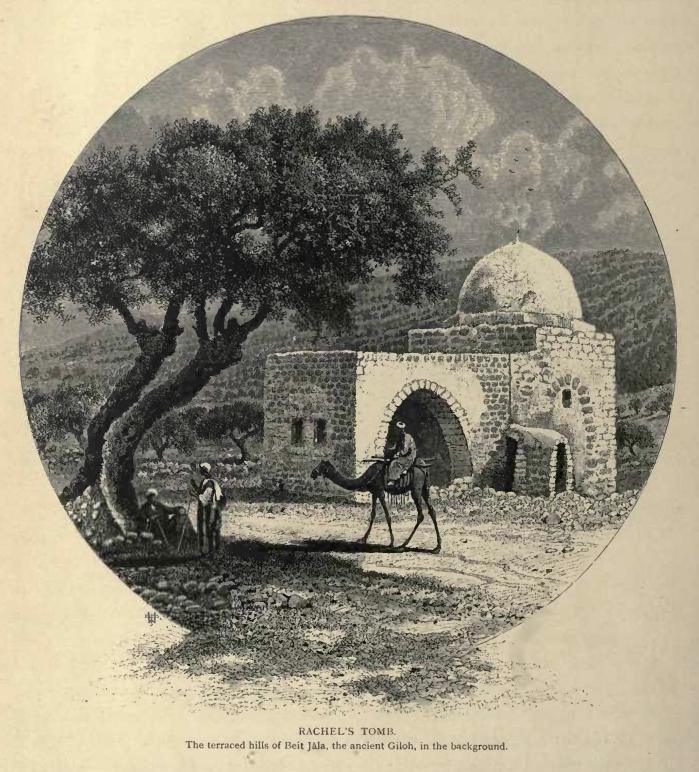 🇵🇸 Palestine and 1 moreRachel's TombQever Raḥel; Qabr Rāḥīl
A shared holy site near Bethlehem revered by Jews, Christians, and MuslimsTradition · Speaking with spirits and the dead · Protection Living
🇳🇿 New ZealandKarakia
Māori recitations used for spiritual guidance, protection, and formal greetingsTradition · Protection · Speaking with spirits and the dead Living
🇵🇸 Palestine and 1 moreRachel's TombQever Raḥel; Qabr Rāḥīl
A shared holy site near Bethlehem revered by Jews, Christians, and MuslimsTradition · Speaking with spirits and the dead · Protection Living
🇳🇿 New ZealandKarakia
Māori recitations used for spiritual guidance, protection, and formal greetingsTradition · Protection · Speaking with spirits and the dead Living