Fijian mythology encompasses the spiritual worldview of Fiji's indigenous communities. It centers on a cyclical existence linking humans, nature, and ancestors, with Degei as the supreme serpent god who judges souls after death.
- Degei is the supreme serpent god and creator
- Souls are judged by Degei after death
- Life exists in a dynamic cycle with nature
- Humans may become prey to animals like sharks
- Ancestors play a key role in the spiritual world
What it is
Fijian mythology represents the indigenous spiritual framework of Fiji. It views life as part of a continuous cycle involving ancestors, the natural world, and human experience. This system emphasizes a deep connection between people and their environment, where survival depends on understanding one's place within nature rather than dominating it.
Where it comes from
These beliefs originate from the indigenous cultures of the Fijian islands. They have developed over generations through oral tradition and community practice. The mythology reflects the specific ecological and social history of the region, adapting to local experiences while maintaining core themes of cyclicality and ancestral reverence.
How it is done
Practitioners engage with these beliefs through daily life and communal rituals. There are no prescribed magical formulas or external tools required for participation. Instead, adherence involves respecting natural cycles and acknowledging the presence of spirits in the environment. Knowledge is passed down through storytelling and community observance.
Fijian mythology, drawn and placed
- Living
- Revived
- Fading
- Historical
- Legendary
- Performed
What it is for
The primary purpose is to maintain harmony between the living and the spiritual realm. Believers seek to understand their role in the cosmic order and honor their ancestors. The mythology provides a moral structure for judging actions in life, particularly regarding how one treats the natural world and other beings.
Who does it
Ordinary households and community members hold these beliefs. No specialized priesthood is required for basic participation. Elders often serve as keepers of stories and traditions, guiding younger generations. The practice is integrated into everyday life rather than confined to specific religious institutions.
Peoples and places
This mythology is specific to the indigenous people of Fiji. It distinguishes itself from other Oceanic traditions through its unique emphasis on the serpent deity Degei and the specific geography of the afterlife. While sharing some thematic similarities with neighboring Pacific cultures, its details remain distinct to Fijian identity.
At a glance: who, where and when
What people believe
Central to this belief system is Degei, a serpent identified as the supreme creator god. He governs the fate of souls after death. The worldview posits that humans are not always the dominant species; they may become prey to animals like sharks or snakes. This perspective reinforces humility and respect for the natural order.
How scholars and sceptics see it
Anthropologists study Fijian mythology as an example of indigenous cosmology. Researchers analyze how these beliefs shape social structures and environmental attitudes. Scholars note the integration of myth with practical survival strategies in island ecosystems. The cyclical nature of the beliefs offers insights into pre-colonial Fijian thought processes.
Compare and confuse
Fijian mythology shares broad themes with other Austronesian traditions but differs in specific deities and afterlife geography. Unlike some systems that emphasize ancestor veneration alone, it integrates complex creation myths and animal symbolism. The role of Degei as a serpent creator is a distinctive feature compared to other Pacific pantheons.
Today
These beliefs continue to be held by many indigenous Fijians today. They coexist with introduced religions and modern influences. Cultural revival efforts help preserve traditional stories and values. The mythology remains relevant as a marker of cultural identity and a source of ethical guidance for contemporary communities.
Questions people ask about Fijian mythology
What is Fijian mythology?
It is the traditional belief system of Fiji's indigenous people. It focuses on cyclic existence, ancestral connections, and the relationship between humans and nature. Degei serves as the central creator deity.
Who is Degei?
Degei is a serpent identified as the supreme god and creator of the world. He judges the souls of the newly dead, determining their fate based on their actions during life.
What happens to souls after death?
Souls pass through caves to reach Degei. Some are sent to paradise, while others sink to the bottom of a lake called Murimuria for reward or punishment based on their earthly conduct.
How do Fijians view their relationship with nature?
They believe humans exist within a dynamic cycle with the environment. Humans are not always predators; they can be prey to animals like sharks or snakes, emphasizing humility and respect for all life forms.
Good reading and sources
- Fijian mythology on WikipediaEncyclopedia
- More photos on Wikimedia CommonsPhotos and video
- Wikidata recordOpen data
The facts on this page come from the Wikipedia article "Fijian mythology", written by its contributors and used under the CC BY-SA 4.0 licence, and from its Wikidata record (CC0). EveryJaadu rewrote the text in its own words, with AI assistance, and compares every page with the article to make sure no passage is copied. It may be reused under the same CC BY-SA 4.0 licence with a link back.
It may contain mistakes. Names and customs differ from one community to the next, and some knowledge is closed to outsiders and left out here. This page describes belief and practice. It does not say that any of it works, it is not a how-to, and it is not medical advice. If something is wrong, tell us. Last refreshed 2026-10-05.
More from Fiji
All the entries from Fiji 🇻🇺 Vanuatu and 3 moreKastom
A Melanesian term for traditional life, covering magic, law and ritualTradition · Speaking with spirits and the dead · Power and authority Living
🇹🇴 Tonga and 2 moreTongan mythologytala-ē-fonua
The myths and legends of the Polynesian island nation of TongaTradition · Wonder and entertainment Historical
🇻🇺 Vanuatu and 3 moreKastom
A Melanesian term for traditional life, covering magic, law and ritualTradition · Speaking with spirits and the dead · Power and authority Living
🇹🇴 Tonga and 2 moreTongan mythologytala-ē-fonua
The myths and legends of the Polynesian island nation of TongaTradition · Wonder and entertainment Historical
 🇹🇴 Tonga and 5 moreTabootapu
A cultural prohibition that marks something as forbidden or sacredBelief · Protection · Speaking with spirits and the dead Living
🇹🇴 Tonga and 5 moreTabootapu
A cultural prohibition that marks something as forbidden or sacredBelief · Protection · Speaking with spirits and the dead Living
 🇻🇺 Vanuatu and 5 moreKava culture
A shared ritual across Oceania where a root brew marks ceremony, respect, and social gathering.Tradition · Speaking with spirits and the dead · Luck and prosperity Living
🇻🇺 Vanuatu and 5 moreKava culture
A shared ritual across Oceania where a root brew marks ceremony, respect, and social gathering.Tradition · Speaking with spirits and the dead · Luck and prosperity Living
Related elsewhere
All tradition 🇮🇳 IndiaChakraचक्र
Meditation points in the subtle body used in Hindu and Buddhist yogaTradition · Speaking with spirits and the dead · Change and initiation Living
🇮🇳 IndiaChakraचक्र
Meditation points in the subtle body used in Hindu and Buddhist yogaTradition · Speaking with spirits and the dead · Change and initiation Living
 🇳🇬 NigeriaOrunmilaỌ̀rúnmìlà
Yoruba deity of wisdom and the creator of the Ifá divination systemBeing · Seeing and foretelling · Speaking with spirits and the dead Living
🇳🇬 NigeriaOrunmilaỌ̀rúnmìlà
Yoruba deity of wisdom and the creator of the Ifá divination systemBeing · Seeing and foretelling · Speaking with spirits and the dead Living
 🇮🇳 India and 2 moreHomaहोम
A fire ritual found across Asian religions where offerings are burned as a votive exchange with the divine.Rite · Protection · Speaking with spirits and the dead Living
🇮🇳 India and 2 moreHomaहोम
A fire ritual found across Asian religions where offerings are burned as a votive exchange with the divine.Rite · Protection · Speaking with spirits and the dead Living
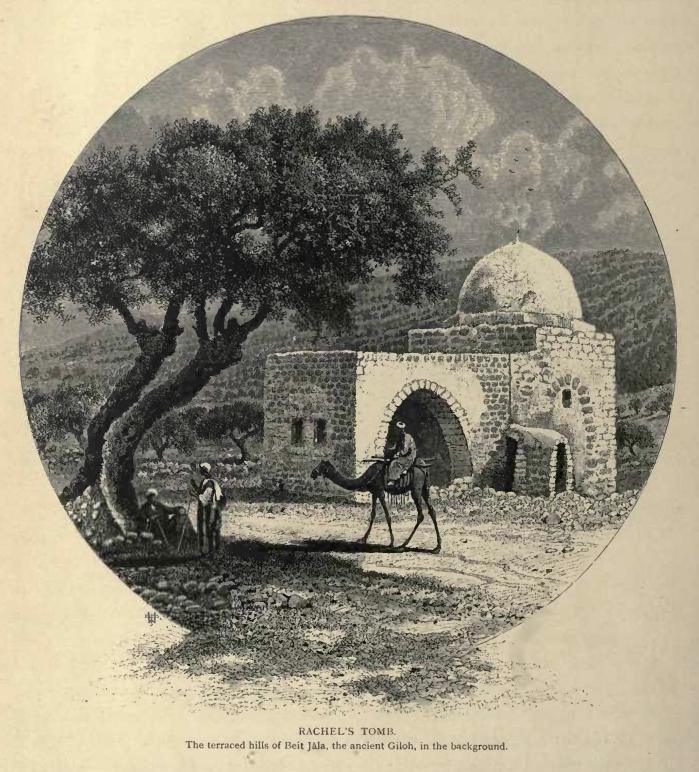 🇵🇸 Palestine and 1 moreRachel's TombQever Raḥel; Qabr Rāḥīl
A shared holy site near Bethlehem revered by Jews, Christians, and MuslimsTradition · Speaking with spirits and the dead · Protection Living
🇵🇸 Palestine and 1 moreRachel's TombQever Raḥel; Qabr Rāḥīl
A shared holy site near Bethlehem revered by Jews, Christians, and MuslimsTradition · Speaking with spirits and the dead · Protection Living