
This scroll is a copy of the Book of the Dead made around 1250 BCE for an Egyptian scribe named Ani. It contains spells and pictures to guide him through the underworld and is now kept at the British Museum.
- Created c. 1250 BCE for a Theban scribe named Ani
- Measures approximately 78 feet long and 13 inches high
- Contains cursive hieroglyphs and colour illustrations
- Discovered in Thebes in 1888 by illegal antiquities traders
- Housed in the British Museum, London
What it is
The Papyrus of Ani serves as a personal guide for the deceased, containing specific declarations and magical spells intended to assist Ani in his journey through the afterlife. This illuminated manuscript was produced during the New Kingdom period, specifically within the Nineteenth Dynasty. The text features cursive hieroglyphic writing alongside vibrant illustrations that depict key moments in the Egyptian belief system regarding death and rebirth.
Where it comes from
The scroll was originally created for Ani, a scribe living in Thebes, Egypt, approximately 1250 BCE. It was discovered in 1888 within Ani's tomb in Thebes by local individuals involved in the illegal antiquities market. The artifact was subsequently acquired by E. A. Wallis Budge, who documented the transaction in his autobiography. Following the purchase, Egyptian authorities arrested several dealers and sealed their properties, leading to a complex retrieval process involving distraction tactics and tunneling to recover the items from the secured houses.
How it is done
The manuscript functions as a ritual text rather than a performance. It consists of a long scroll measuring roughly seventy-eight feet in length and thirteen inches in height. The content includes written spells and visual narratives designed to help the soul navigate the dangers of the underworld. The text is organized into sections that correspond to different trials and judgments faced by the deceased, such as the weighing of the heart against the feather of truth.
Tools and materials
The primary material used is papyrus, which was prepared and rolled into a scroll format. The surface features cursive hieroglyphs written in black ink, accompanied by detailed colour illustrations. These images depict deities like Anubis and scenes of judgment, serving as visual aids to complement the written spells. The physical object was stored in custom tin boxes after its recovery from the sealed house in Thebes.
Papyrus of Ani, drawn and placed
- Living
- Revived
- Fading
- Historical
- Legendary
- Performed
- Lineage
- Ancient Egyptian religion
What it is for
The text was compiled to ensure Ani's successful passage into the afterlife. It provides the necessary words and protections to overcome obstacles and pass divine judgments. The spells are believed to offer guidance and assistance to the deceased soul. The manuscript is often regarded as one of the most complete and well-preserved examples of this type of funerary literature.
Who does it
In modern times, the Papyrus of Ani is studied by scholars and historians rather than being actively used in religious practice. It is housed in the British Museum in London, where it is accessible for academic research and public viewing. The artifact remains a significant subject of study for those interested in ancient Egyptian beliefs about death and the afterlife.
Peoples and places
The Papyrus of Ani originates from Ancient Egypt, specifically associated with the Theban region. It reflects the religious practices and beliefs of the Egyptian elite during the New Kingdom period. The scroll was created for a scribe, indicating its use among educated classes who could afford such personalized funerary texts. Today, it is part of the collection of the British Museum, linking it to international heritage discourse.
At a glance: who, where and when
Who does it
Peoples

What people believe
The text embodies the Ancient Egyptian worldview concerning the afterlife, where the soul undergoes judgment. Central to this belief is the concept of Ma'at, or cosmic order, which the deceased must uphold. The spells aim to protect the soul from chaos and ensure its transformation into an effective spirit. The imagery reinforces the importance of moral integrity and divine favor in achieving eternal life.
How scholars and sceptics see it
Scholars view the Papyrus of Ani as a crucial document for understanding Ancient Egyptian funerary practices. It provides insight into the religious beliefs and artistic traditions of the New Kingdom. Researchers analyze the text and illustrations to reconstruct the rituals associated with death and burial. The manuscript is also examined in the context of the history of antiquities collecting and colonial extraction.
Cautions and what is closed
The acquisition of the Papyrus of Ani raises ethical questions regarding the antiquities trade and colonial appropriation. The circumstances of its discovery involve illegal excavation and the bypassing of local laws. Budge received a gratuity from the British Treasury for the acquisition, highlighting the institutional support for such collections. The artifact's presence in a Western museum continues to be a point of discussion regarding cultural heritage repatriation.
Compare and confuse
The Papyrus of Ani is a specific instance of the broader genre known as the Book of the Dead. Other similar scrolls exist, but this one is noted for its quality and completeness. It differs from other funerary texts in its individualized nature, tailored specifically for Ani. The scroll shares thematic elements with other Egyptian religious texts, such as the Pyramid Texts and Coffin Texts, which also address the afterlife.
Questions people ask about Papyrus of Ani
What is the Papyrus of Ani?
It is an ancient Egyptian scroll created around 1250 BCE for a scribe named Ani. It contains spells and images to help him navigate the afterlife and is now kept at the British Museum.
Where was the Papyrus of Ani found?
The scroll was discovered in 1888 in the tomb of Ani located in Thebes, Egypt. It was found by individuals involved in the illegal antiquities trade.
What is the purpose of the Papyrus of Ani?
The text serves as a guide for the deceased, providing spells and declarations to assist Ani in the afterlife. It is believed to help him pass judgment and achieve eternal life.
Who owns the Papyrus of Ani today?
The Papyrus of Ani is currently held in the collection of the British Museum in London. It was acquired by E. A. Wallis Budge in the late nineteenth century.
Good reading and sources
- Papyrus of Ani on WikipediaEncyclopedia
- More photos on Wikimedia CommonsPhotos and video
- Wikidata recordOpen data
The facts on this page come from the Wikipedia article "Papyrus of Ani", written by its contributors and used under the CC BY-SA 4.0 licence, and from its Wikidata record (CC0). EveryJaadu rewrote the text in its own words, with AI assistance, and compares every page with the article to make sure no passage is copied. It may be reused under the same CC BY-SA 4.0 licence with a link back.
It may contain mistakes. Names and customs differ from one community to the next, and some knowledge is closed to outsiders and left out here. This page describes belief and practice. It does not say that any of it works, it is not a how-to, and it is not medical advice. If something is wrong, tell us. Last refreshed 2026-10-05.
More from Egypt
All the entries from Egypt 🇪🇬 Egypt and 1 moreEbers Papyrus
An ancient Egyptian medical scroll detailing herbal remedies and bodily theories from around 1550 BCE.Text · Healing Historical
🇪🇬 Egypt and 1 moreEbers Papyrus
An ancient Egyptian medical scroll detailing herbal remedies and bodily theories from around 1550 BCE.Text · Healing Historical
 🇪🇬 Egypt and 1 moreDendera zodiac
A carved Egyptian sky map now held in a Paris museumText · Seeing and foretelling · Power and authority Historical
🇪🇬 Egypt and 1 moreLeyden papyrus X
A third-century Greek manuscript of alchemical and metallurgical recipesText · Power and authority Historical
🇪🇬 Egypt and 1 moreDendera zodiac
A carved Egyptian sky map now held in a Paris museumText · Seeing and foretelling · Power and authority Historical
🇪🇬 Egypt and 1 moreLeyden papyrus X
A third-century Greek manuscript of alchemical and metallurgical recipesText · Power and authority Historical
Related elsewhere
All text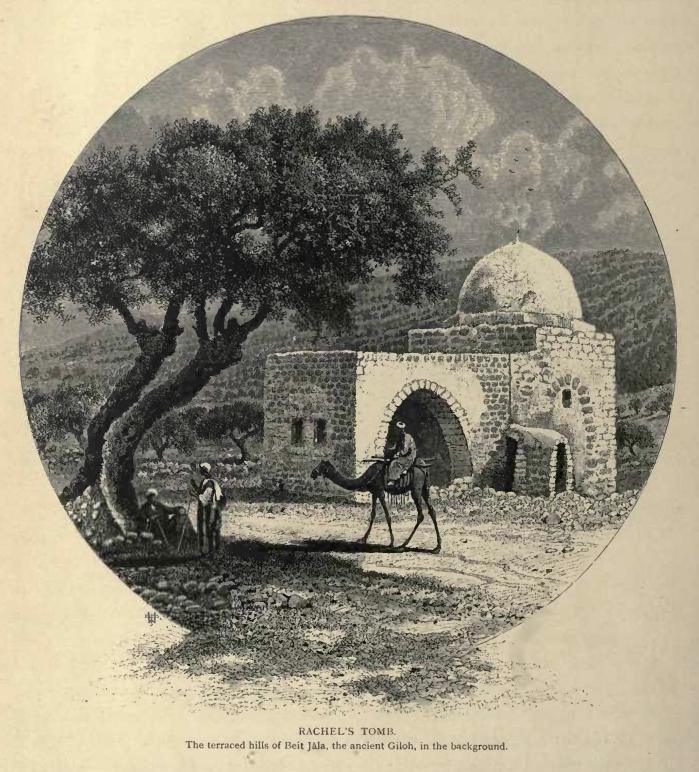 🇵🇸 Palestine and 1 moreRachel's TombQever Raḥel; Qabr Rāḥīl
A shared holy site near Bethlehem revered by Jews, Christians, and MuslimsTradition · Speaking with spirits and the dead · Protection Living
🇵🇸 Palestine and 1 moreRachel's TombQever Raḥel; Qabr Rāḥīl
A shared holy site near Bethlehem revered by Jews, Christians, and MuslimsTradition · Speaking with spirits and the dead · Protection Living
 🇪🇸 Spain and 5 moreSt John's Eve
A Christian vigil marked by bonfires and plant gathering on the summer solstice eveRite · Protection · Speaking with spirits and the dead Living
🇪🇸 Spain and 5 moreSt John's Eve
A Christian vigil marked by bonfires and plant gathering on the summer solstice eveRite · Protection · Speaking with spirits and the dead Living
 🇸🇳 Senegal and 1 moreSerer religionA ƭat Roog
The traditional faith of the Serer people, centred on the supreme deity Roog and ancestral veneration.Tradition · Protection · Speaking with spirits and the dead Living
🇸🇳 Senegal and 1 moreSerer religionA ƭat Roog
The traditional faith of the Serer people, centred on the supreme deity Roog and ancestral veneration.Tradition · Protection · Speaking with spirits and the dead Living