
Palo
from the Spanish word for stick, reflecting the use of wooden branches
An Afro-Cuban religion centered on spirit vessels and ancestral power
Palo is an initiatory faith developed in Cuba by enslaved Bakongo people. It focuses on nganga spirit vessels that house dead ancestors and nature spirits to heal or harm.
- Palo uses iron pots called nganga
- Dead ancestors live inside the vessel
- Originates from the Bakongo people
- Developed in Cuba in the 19th century
- Practitioners are known as paleros
What it is
Palo, also called Las Regles de Congo, is a spiritual system born in Cuba from Central African roots. Practitioners work with a nganga, a vessel often made of iron. This container holds sticks and remains of the dead. The dead person’s spirit lives inside the vessel. The owner commands this spirit. The spirit helps with healing or causes trouble. The practice has no single leader. Small groups run themselves. Each group follows its own rules.
Where it comes from
The religion formed in Cuba between the late 1800s and early 1900s. Enslaved people from the Kongo region brought their beliefs. They mixed these ideas with Catholicism and Spiritism. The Spanish government only allowed Catholic worship. Palo kept its African identity secret at first. Later, practitioners accepted the label of witchcraft. Emigration after the Cuban Revolution spread the faith abroad.
How it is done
Rituals involve singing, drumming, and dancing. These actions help spirits enter the body. The nganga needs regular feeding. Offerings include animal blood. Divination reveals the vessel’s wishes. Group feasts honor the ancestors. The living ask for permission to begin. The dead guide the ceremony.
Tools and materials
The main tool is the nganga. It is usually an iron pot. Inside are sticks and human bones. The bones are called nfumbe. They bring the dead into the vessel. Other items may be added. The vessel acts as a minor god. It connects the living to the dead.
Palo, drawn and placed
- Living
- Revived
- Fading
- Historical
- Legendary
- Performed
- Lineage
- Kongo traditional religion
- Timing
- during rituals and daily maintenance
What it is for
People seek help for health issues. They also ask for protection or revenge. The nganga can cure sickness. It can also bring illness. The practitioner directs the spirit. The spirit obeys the owner. Some vessels are for good works. Others are for harmful deeds.
Who does it
Men are called paleros. Women are called paleras. They handle tree branches. Another name is mayombero. In Cuba, they might be called ngangulero. This term means worker of the nganga. Society often views this negatively. Some wear it with pride. Training happens through initiation.
Peoples and places
The faith started with Bakongo slaves. It grew among Afro-Cuban communities. Today it exists in Cuba and beyond. People carry it to the United States. It appears in Mexico and Venezuela. Haitians and Jamaicans have similar practices. Migration moved the tradition across borders.
At a glance: who, where and when
Who does it
Peoples
Belief worlds
Occasions


What people believe
A creator named Nsambi made the world. This god stays far away. No one prays to Nsambi directly. Instead, people talk to mpungus. These are nature spirits and ancestors. They live in rivers and forests. Dead people become powerful spirits. They gain knowledge after death. They can help or hurt the living.
When it is done
Rituals happen when needed. Feasts honor the house ancestors. Daily care keeps the nganga strong. Specific days are not fixed. The timing depends on the problem. The community gathers for ceremonies. Spirits arrive during the music.
Questions people ask about Palo
What is a nganga?
It is a spirit vessel, usually an iron cauldron. It holds sticks and human bones. A dead ancestor’s spirit inhabits it. The owner commands the spirit for help.
Where did Palo come from?
It began in Cuba with enslaved Bakongo people. They brought Central African traditions. They mixed them with Catholicism. The form emerged around 1900.
Who leads Palo?
There is no central authority. Small autonomous groups exist. A father or mother leads each group. They teach new members orally.
What do practitioners believe about the dead?
They believe dead people gain power. Their spirits mediate human action. They can help or cause problems. The living must respect them.
Good reading and sources
The facts on this page come from the Wikipedia article "Palo (religion)", written by its contributors and used under the CC BY-SA 4.0 licence, and from its Wikidata record (CC0). EveryJaadu rewrote the text in its own words, with AI assistance, and compares every page with the article to make sure no passage is copied. It may be reused under the same CC BY-SA 4.0 licence with a link back.
It may contain mistakes. Names and customs differ from one community to the next, and some knowledge is closed to outsiders and left out here. This page describes belief and practice. It does not say that any of it works, it is not a how-to, and it is not medical advice. If something is wrong, tell us. Last refreshed 2026-10-06.
More from Cuba
All the entries from Cuba 🇨🇺 Cuba and 2 moreSanteríaRegla de Ocha
An Afro-Cuban religion blending Yoruba beliefs with Catholicism and SpiritismTradition · Protection · Healing Living
🇨🇺 Cuba and 2 moreSanteríaRegla de Ocha
An Afro-Cuban religion blending Yoruba beliefs with Catholicism and SpiritismTradition · Protection · Healing Living
 🇨🇺 Cuba and 2 moreAbakuá
A male-only Cuban religious fraternity with West African roots and strict secrecyTradition · Protection · Speaking with spirits and the dead Living
🇨🇺 Cuba and 2 moreAbakuá
A male-only Cuban religious fraternity with West African roots and strict secrecyTradition · Protection · Speaking with spirits and the dead Living
 🇲🇽 Mexico and 5 moreWitchcraft in Latin AmericaBrujería
A syncretic blend of Indigenous, African, and European magical practices across Latin AmericaTradition · Protection · Healing Living
🇲🇽 Mexico and 5 moreWitchcraft in Latin AmericaBrujería
A syncretic blend of Indigenous, African, and European magical practices across Latin AmericaTradition · Protection · Healing Living
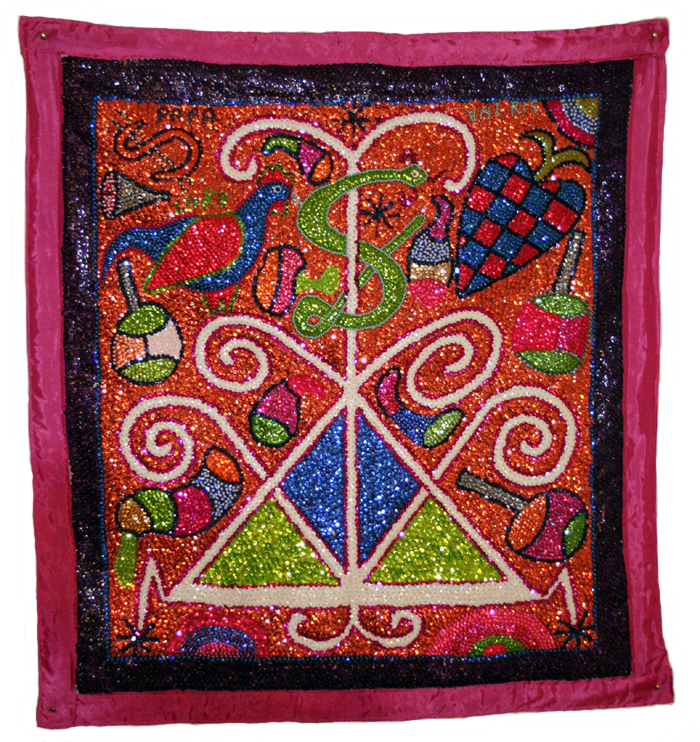 🇭🇹 Haiti and 2 moreHaitian VodouVodou
An Afro-Haitian religion blending West African traditions with Catholicism and FreemasonryTradition · Protection · Healing Living
🇭🇹 Haiti and 2 moreHaitian VodouVodou
An Afro-Haitian religion blending West African traditions with Catholicism and FreemasonryTradition · Protection · Healing Living
Related elsewhere
All tradition 🇭🇹 HaitiBaron Samedi
A Haitian Vodou spirit of the dead who also controls healing and resurrection.Being · Healing · Cursing and harm Living
🇭🇹 HaitiBaron Samedi
A Haitian Vodou spirit of the dead who also controls healing and resurrection.Being · Healing · Cursing and harm Living
 🇭🇷 Croatia and 5 moreVilavila (Serbian: вила), víla (Bulgarian: ви́ла)
Slavic nature spirits known for healing, storms, and deadly dancesBeing · Protection · Cursing and harm Legendary
🇭🇷 Croatia and 5 moreVilavila (Serbian: вила), víla (Bulgarian: ви́ла)
Slavic nature spirits known for healing, storms, and deadly dancesBeing · Protection · Cursing and harm Legendary
 🇰🇪 Kenya and 1 moreMaasai religion
The spiritual beliefs of the semi-nomadic Maasai people of East AfricaTradition · Protection · Healing Living
🇰🇪 Kenya and 1 moreMaasai religion
The spiritual beliefs of the semi-nomadic Maasai people of East AfricaTradition · Protection · Healing Living
 🇹🇭 Thailand and 3 moreThai Buddha amuletsพระเครื่อง (phrakhrueang)
Sacred Buddhist images and relics worn for protection, merit, and fortune in Thailand.Charm · Protection · Luck and prosperity Living
🇹🇭 Thailand and 3 moreThai Buddha amuletsพระเครื่อง (phrakhrueang)
Sacred Buddhist images and relics worn for protection, merit, and fortune in Thailand.Charm · Protection · Luck and prosperity Living