
Crossroads (folklore)
from Greek triodia, a three-way junction
A junction between worlds where spirits are met and deals are made
In folklore, a crossroads is a liminal space where the physical world touches the supernatural. It serves as a meeting point for humans and spirits in Greek, African diasporic, and European traditions.
- Hecate received suppers at crossroads on new moons
- Kongo cosmogram symbolizes death and rebirth
- Robert Johnson legend involves selling soul at crossroads
- Papa Legba is the lwa of crossroads in Vodou
- Crossroads burials ended in Great Britain in 1823
What it is
A crossroads represents a location between worlds, acting as a site where supernatural spirits can be contacted. Symbolically, it marks a locality where two realms touch, representing liminality. This is a place literally neither here nor there, serving as a boundary marker for spiritual transitions.
Where it comes from
In Greek mythology, crossroads were associated with Hecate and Hermes. Shrines and ceremonies took place at these junctions. The term triodia referred to a three-way intersection. Offerings were left for Hecate at each new moon. In Great Britain, burying criminals and suicides at crossroads dates back to Anglo-Saxon times. This practice continued until 1823.
How it is done
Rituals of protection and purification were performed at crossroads in Graeco-Roman society. In Hoodoo, practitioners may visit a crossroads at midnight to meet a spirit. A magic circle might be drawn, and a copper coin offered. In Romanian belief, an incantation is recited to summon a demon. Suppers of Hecate were left at the junction.
Tools and materials
Offerings such as food and copper coins are common tools. Magic circles are drawn on the ground to define the ritual space. Herm pillars marked places associated with Hermes. Clay pots bearing the Kongo cosmogram were used by enslaved Africans. These items facilitate communication with the spirit world.
Crossroads (folklore), drawn and placed
- Living
- Revived
- Fading
- Historical
- Legendary
- Performed
- Lineage
- Kongo cosmogram
- Timing
- at midnight or before dawn
What it is for
The crossroads is used to commune with spirits, ancestors, and deities. It is a site for making deals to acquire skills, such as musical ability. Protection rituals are conducted to ward off harm. Purification rites leave remains at the junction. It serves as a point of transition and change in direction.
Who does it
Practitioners include those in conjure, rootwork, and hoodoo. African American communities maintain these traditions. Vodou practitioners invoke Papa Legba at the crossroads. Yoruba people leave offerings for Eshu-Elegba. Household members perform daily rituals. Scholars study these customs as part of magical spirituality.
Peoples and places
The tradition spans multiple cultures. Greeks and Romans viewed crossroads as spiritual boundaries. Yoruba people associate them with trickster deities. African Americans in the United States practice Hoodoo rituals. Brazilians use them for manifestations of entities like Exu. Haitians venerate Papa Legba at these sites. Romanians avoid them due to demonic associations.
At a glance: who, where and when


What people believe
Crossroads are seen as points where the living and dead intersect. The Kongo cosmogram symbolizes the life cycle of death and rebirth. Spirits travel highways and are likely to find offerings at junctions. Deities like Hecate and Hermes govern these spaces. The concept of liminality is central to understanding their power.
When it is done
Offerings to Hecate were made at each new moon and full moon. Rituals were performed during transitions in life or journey. Midnight and dawn are common times for soul-selling legends. New Year celebrations often involve liminal concepts. Daily practices occur at household crossroads.
How scholars and sceptics see it
Anthropologists view crossroads as symbols of transition and boundary. Historians note the abolition of crossroads burials in 1823. Folklorists record rituals among African Americans. Skeptics attribute soul-selling stories to oral history rather than fact. Robert Johnson's legend is explained by training under Ike Zimmerman.
Cautions and what is closed
Crossroads are avoided in some traditions due to demonic associations. Summoning demons carries risks in folk belief. Soul-selling legends warn of spiritual consequences. Burial at crossroads was reserved for those outside the law. Practices involving spirits require careful adherence to custom.
Compare and confuse
Crossroads are similar to other liminal spaces like rivers and gates. They share traits with fairy rings and ley lines. The concept of liminality connects them to various mythological sites. Different cultures name these junctions differently but recognize their spiritual significance.
Law and persecution
Crossroads burials were abolished in Great Britain in 1823. Suicide was considered a crime, affecting burial practices. Modern laws do not typically regulate spiritual visits to crossroads. However, local ordinances may restrict gatherings or offerings.
Today
Crossroads remain significant in Hoodoo and Vodou traditions. Diaspora communities maintain rituals in the United States and Brazil. Commercialization sometimes exploits the soul-selling legend. Scholars continue to study the cultural importance of these sites.
Questions people ask about Crossroads (folklore)
What is a crossroads in folklore?
A crossroads is a liminal space where the physical world touches the supernatural. It serves as a meeting point for humans and spirits, representing a boundary between different realms.
Which deities are associated with crossroads?
Hecate and Hermes are linked to crossroads in Greek mythology. Eshu-Elegba resides there in Yoruba tradition. Papa Legba is the lwa of crossroads in Haitian Vodou.
Why is the Robert Johnson story famous?
Legend says he sold his soul at a crossroads to learn guitar. Family members say he trained under Ike Zimmerman instead. The song describes hitchhiking, not a deal.
How are offerings made at crossroads?
Offerings include food, copper coins, and magic circles. They are left at midnight or before dawn. Practitioners believe spirits travel highways and find offerings at junctions.
Where did the crossroads tradition originate?
It has roots in Greek mythology and the Kongo cosmogram. Enslaved Africans brought these beliefs to the United States. They are also found in Brazilian and Haitian religions.
Good reading and sources
The facts on this page come from the Wikipedia article "Crossroads (folklore)", written by its contributors and used under the CC BY-SA 4.0 licence, and from its Wikidata record (CC0). EveryJaadu rewrote the text in its own words, with AI assistance, and compares every page with the article to make sure no passage is copied. It may be reused under the same CC BY-SA 4.0 licence with a link back.
It may contain mistakes. Names and customs differ from one community to the next, and some knowledge is closed to outsiders and left out here. This page describes belief and practice. It does not say that any of it works, it is not a how-to, and it is not medical advice. If something is wrong, tell us. Last refreshed 2026-10-05.
More from Greece
All the entries from Greece 🇹🇷 Turkey and 5 moreEvil eye
A curse believed to be cast by a jealous glare and the charms used to stop itBelief · Protection Living
🇹🇷 Turkey and 5 moreEvil eye
A curse believed to be cast by a jealous glare and the charms used to stop itBelief · Protection Living
 🇬🇷 GreeceOrphismὈρφικά
A Greek mystery tradition based on the myth of Dionysus and the soul's journeyTradition Historical
🇬🇷 GreeceOrphismὈρφικά
A Greek mystery tradition based on the myth of Dionysus and the soul's journeyTradition Historical
 🇮🇪 Ireland and 5 moreCairn
A human-made stack of stones used as a marker, memorial, or religious symbol across many cultures.Tradition · Protection · Speaking with spirits and the dead Living
🇮🇪 Ireland and 5 moreCairn
A human-made stack of stones used as a marker, memorial, or religious symbol across many cultures.Tradition · Protection · Speaking with spirits and the dead Living
 🇬🇷 Greece and 5 moreBay Laurelδάφνη
An aromatic Mediterranean plant used in cooking and as a symbol of victory and purification.Substance · Protection · Cleansing and purification Living
🇬🇷 Greece and 5 moreBay Laurelδάφνη
An aromatic Mediterranean plant used in cooking and as a symbol of victory and purification.Substance · Protection · Cleansing and purification Living
Related elsewhere
All belief 🇮🇳 India and 1 moreNavagrahaनवग्रह
A group of nine celestial deities in Hinduism that govern fate and astrologyTradition · Protection · Luck and prosperity Living
🇮🇳 India and 1 moreNavagrahaनवग्रह
A group of nine celestial deities in Hinduism that govern fate and astrologyTradition · Protection · Luck and prosperity Living
 🇪🇬 EgyptCurse
A spoken wish for misfortune to befall a person or placeBelief · Cursing and harm · Luck and prosperity Historical
🇨🇳 China and 4 moreKitchen God灶君
The Chinese hearth deity who reports domestic conduct to the Jade EmperorBeing · Protection · Luck and prosperity Living
🇪🇬 EgyptCurse
A spoken wish for misfortune to befall a person or placeBelief · Cursing and harm · Luck and prosperity Historical
🇨🇳 China and 4 moreKitchen God灶君
The Chinese hearth deity who reports domestic conduct to the Jade EmperorBeing · Protection · Luck and prosperity Living
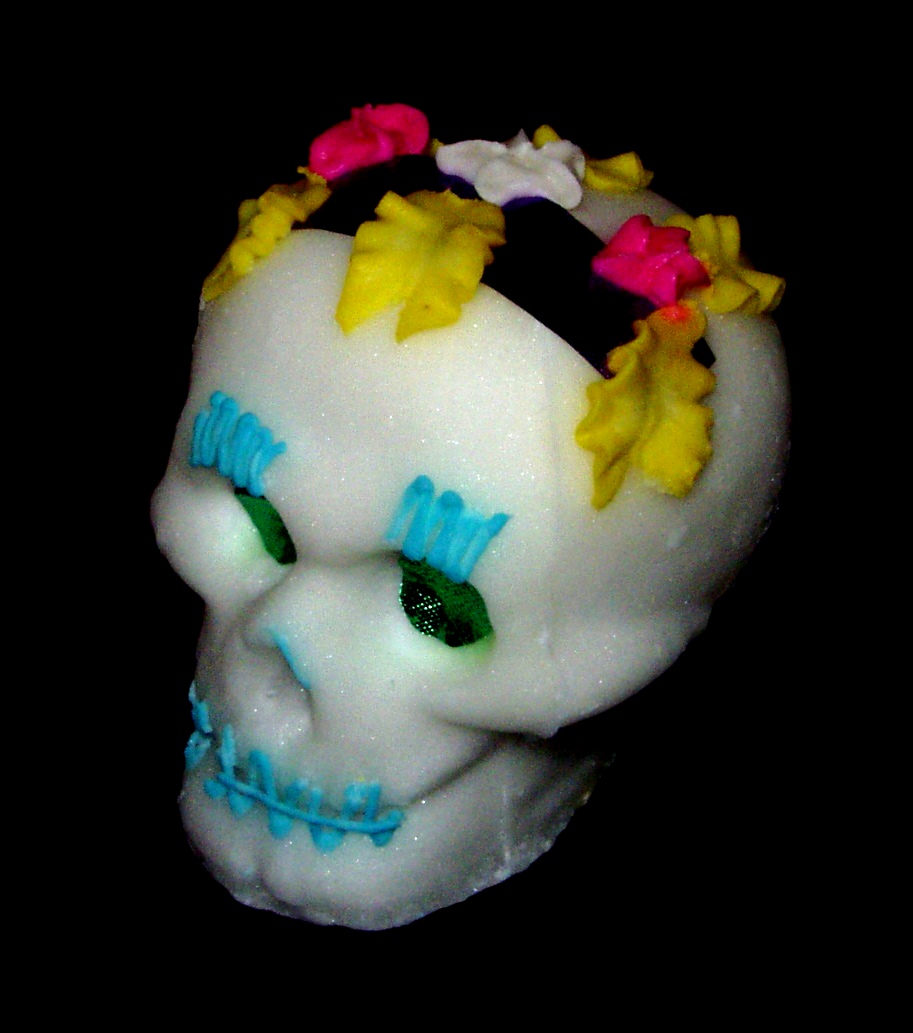 🇲🇽 MexicoCalavera
A sugar or clay skull used in Mexican Day of the Dead celebrations.Charm · Speaking with spirits and the dead · Luck and prosperity Living
🇲🇽 MexicoCalavera
A sugar or clay skull used in Mexican Day of the Dead celebrations.Charm · Speaking with spirits and the dead · Luck and prosperity Living