Magic in East Asia
Taoist talismans, the I Ching and feng shui, onmyodo and the omamori, and the mudang of Korea. 308 entries on EveryJaadu so far.
Places of magic
Kyoto 5Beijing 3Edo 3Mount Tai 3Shikoku 3Akita 2Asakusa 2Guangdong 2Himeji Castle 2Kifune Shrine 2Kumano Sanzan 2Mount Hiei 2Mount Ōmine 2Mukden 2Nagano Prefecture 2Sado Island 2Sendai 2Seoul 2Shimane Prefecture 2Aikoku Station 1Aizu region 1Akishino-dera 1Amami Ōshima 1Amoy 1Anyang 1Aojiang 1Aomori prefecture 1Ariake Sea 1Asagaya 1Awaji Island 1
Rites of the region
Writing and burning a fu talismanJoss paper and the Hungry Ghost offeringKau cim and jiaobeiThe I Ching and the yarrow stalksFeng shui placementSetsubun bean-throwingHarai, the Shinto rite of purificationOmamori and ofuda renewalOmikuji fortune slipsGut, the Korean shaman rite
Countries
PurposeProtectionHealingSeeing and foretellingLuck and prosperityLove and attractionCursing and harmCleansing and purificationSpeaking with spirits and the deadChange and initiationBinding and oathsPower and authorityWonder and entertainment
WhoShamansFolk healersPriests and ritual specialistsWitches, sorcerers and cunning folkDiviners and readersMediums and the possessedCeremonial magicians and alchemistsHouseholds and ordinary peopleStage magiciansScholars and sceptics
BeliefHindu and TantricBuddhistJainMuslim and SufiJewishChristianSikhZoroastrianShinto and TaoistIndigenous and shamanicAfrican and Afro-diasporicPagan and NeopaganEsoteric and occultFolk and village customSecular and stageOther traditions
 🇯🇵 JapanUchide no kozuchi打ち出の小槌
A legendary Japanese magic hammer that taps out desired items from thin airFigure · Luck and prosperity · Power and authority Legendary
🇯🇵 JapanMisaki御先
Japanese spirit-like entities that serve gods or possess humans with illness and calamityBeing · Cursing and harm · Speaking with spirits and the dead Living
🇯🇵 Japan and 2 moreJapanese numismatic charm絵銭
Coin-shaped charms from Japan used for protection, luck, and blessings.Charm · Protection · Luck and prosperity Living
🇯🇵 JapanUchide no kozuchi打ち出の小槌
A legendary Japanese magic hammer that taps out desired items from thin airFigure · Luck and prosperity · Power and authority Legendary
🇯🇵 JapanMisaki御先
Japanese spirit-like entities that serve gods or possess humans with illness and calamityBeing · Cursing and harm · Speaking with spirits and the dead Living
🇯🇵 Japan and 2 moreJapanese numismatic charm絵銭
Coin-shaped charms from Japan used for protection, luck, and blessings.Charm · Protection · Luck and prosperity Living
 🇰🇷 South Korea and 3 moreKorean numismatic charm열쇠패
Coin-shaped objects used as protective and decorative charms in Korean cultureCharm · Protection · Luck and prosperity Historical
🇰🇷 South Korea and 3 moreKorean numismatic charm열쇠패
Coin-shaped objects used as protective and decorative charms in Korean cultureCharm · Protection · Luck and prosperity Historical
 🇨🇳 China and 1 moreHorse coin馬錢 (mǎ qián)
A Chinese numismatic charm depicting horses, used as game pieces or gambling tokensCharm · Luck and prosperity · Wonder and entertainment Historical
🇨🇳 China and 1 moreHorse coin馬錢 (mǎ qián)
A Chinese numismatic charm depicting horses, used as game pieces or gambling tokensCharm · Luck and prosperity · Wonder and entertainment Historical
 🇯🇵 JapanChinkon kishin鎮魂帰神
A Japanese spiritual practice combining soul calming with spirit possessionRite · Speaking with spirits and the dead · Healing Living
🇯🇵 JapanChinkon kishin鎮魂帰神
A Japanese spiritual practice combining soul calming with spirit possessionRite · Speaking with spirits and the dead · Healing Living
 🇨🇳 China and 1 moreJiji ru lüling急急如律令
A Taoist incantation demanding immediate action from spiritsText · Cursing and harm · Protection Historical
🇯🇵 JapanDōbutsu uranai動物占い
A Japanese divination system that sorts people into animal types based on birthdate and personality axes.Oracle · Luck and prosperity Living
🇨🇳 China and 1 moreJiji ru lüling急急如律令
A Taoist incantation demanding immediate action from spiritsText · Cursing and harm · Protection Historical
🇯🇵 JapanDōbutsu uranai動物占い
A Japanese divination system that sorts people into animal types based on birthdate and personality axes.Oracle · Luck and prosperity Living
 🇨🇳 China and 2 moreChinese burial money瘞錢 (yì qián)
Imitations of currency placed in Chinese graves to serve the deceased in the afterlife.Charm · Protection · Luck and prosperity Historical
🇨🇳 China and 2 moreChinese burial money瘞錢 (yì qián)
Imitations of currency placed in Chinese graves to serve the deceased in the afterlife.Charm · Protection · Luck and prosperity Historical
 🇨🇳 China and 2 moreBuddhist coin charm佛教品壓勝錢
Amulets shaped like coins that bear Buddhist symbols and prayers for protection.Charm · Protection · Luck and prosperity Historical
🇨🇳 China and 2 moreBuddhist coin charm佛教品壓勝錢
Amulets shaped like coins that bear Buddhist symbols and prayers for protection.Charm · Protection · Luck and prosperity Historical
 🇨🇳 China and 1 moreLei Ting curse charm符咒钱
A numismatic charm invoking the thunder god to banish evil spirits.Charm · Protection · Cursing and harm Historical
🇨🇳 China and 1 moreLei Ting curse charm符咒钱
A numismatic charm invoking the thunder god to banish evil spirits.Charm · Protection · Cursing and harm Historical
 🇨🇳 China and 1 moreLock charms家锁 / 锁片 (jiā suǒ / suǒ piàn)
A Chinese metal pendant shaped like a lock to protect children from harm and death.Charm · Protection · Luck and prosperity Historical
🇯🇵 JapanJapanese superstitions
Common beliefs in Japan about luck, numbers, and omens rooted in language and customBelief · Luck and prosperity · Protection Living
🇨🇳 China and 1 moreLock charms家锁 / 锁片 (jiā suǒ / suǒ piàn)
A Chinese metal pendant shaped like a lock to protect children from harm and death.Charm · Protection · Luck and prosperity Historical
🇯🇵 JapanJapanese superstitions
Common beliefs in Japan about luck, numbers, and omens rooted in language and customBelief · Luck and prosperity · Protection Living
 🇨🇳 China and 1 moreTaoist coin charm道教品壓生錢
Chinese and Vietnamese numismatic charms used for protection and feng shuiCharm · Protection · Cursing and harm Historical
🇨🇳 China and 1 moreTaoist coin charm道教品壓生錢
Chinese and Vietnamese numismatic charms used for protection and feng shuiCharm · Protection · Cursing and harm Historical
 🇯🇵 JapanTide jewels潮干る珠 (Shiohiru-tama) and 潮満つ珠 (Shiomitsu-tama)
Two magical gems from Japanese mythology that control the tides to drown or save enemies.Charm · Cursing and harm · Power and authority Legendary
🇯🇵 JapanUkehi誓
A Japanese divination ritual using oaths and sortition to seek the will of the kamiRite · Seeing and foretelling · Cursing and harm Historical
🇨🇳 China and 1 moreZhengde Tongbao正德通寶
A fantasy cash coin used as a Chinese and Vietnamese amulet for luck and protection.Charm · Luck and prosperity · Protection Living
🇯🇵 JapanTide jewels潮干る珠 (Shiohiru-tama) and 潮満つ珠 (Shiomitsu-tama)
Two magical gems from Japanese mythology that control the tides to drown or save enemies.Charm · Cursing and harm · Power and authority Legendary
🇯🇵 JapanUkehi誓
A Japanese divination ritual using oaths and sortition to seek the will of the kamiRite · Seeing and foretelling · Cursing and harm Historical
🇨🇳 China and 1 moreZhengde Tongbao正德通寶
A fantasy cash coin used as a Chinese and Vietnamese amulet for luck and protection.Charm · Luck and prosperity · Protection Living
 🇨🇳 China and 1 moreVault protector coin鎮庫錢 (zhèn kù qián)
Large Chinese numismatic charms cast to guard mint treasuries and attract wealth.Charm · Protection · Luck and prosperity Historical
🇰🇷 South KoreaDongti동티
Divine punishment in Korean mythology, often manifesting as sudden illness or death.Belief · Cursing and harm Historical
🇯🇵 JapanTanukitsuki狸憑き (たぬきつき)
A Japanese folk belief where a tanuki spirit possesses a human, causing illness and strange behavior.Belief · Cursing and harm Historical
🇨🇳 China and 1 moreVault protector coin鎮庫錢 (zhèn kù qián)
Large Chinese numismatic charms cast to guard mint treasuries and attract wealth.Charm · Protection · Luck and prosperity Historical
🇰🇷 South KoreaDongti동티
Divine punishment in Korean mythology, often manifesting as sudden illness or death.Belief · Cursing and harm Historical
🇯🇵 JapanTanukitsuki狸憑き (たぬきつき)
A Japanese folk belief where a tanuki spirit possesses a human, causing illness and strange behavior.Belief · Cursing and harm Historical
 🇨🇳 China and 1 moreConfucian coin charms
Amulets bearing Confucian moral teachings and historical storiesCharm · Protection · Luck and prosperity Historical
🇨🇳 China and 1 moreConfucian coin charms
Amulets bearing Confucian moral teachings and historical storiesCharm · Protection · Luck and prosperity Historical
 🇨🇳 China and 3 moreMarriage coin charm夫婦和合花錢
Coin-shaped amulets from East Asia that celebrate marriage, fertility, and conjugal harmonyCharm · Protection · Luck and prosperity Historical
🇨🇳 China and 3 moreMarriage coin charm夫婦和合花錢
Coin-shaped amulets from East Asia that celebrate marriage, fertility, and conjugal harmonyCharm · Protection · Luck and prosperity Historical
 🇨🇳 China and 1 moreShamanism in the Qing dynasty
State-managed rituals of the Manchu rulers and their shamansTradition · Protection · Healing Historical
🇨🇳 China and 1 moreShamanism in the Qing dynasty
State-managed rituals of the Manchu rulers and their shamansTradition · Protection · Healing Historical
 🇨🇳 China and 1 moreFalun Gong法轮功
A Chinese cultivation practice blending meditative exercises with moral principlesTradition · Healing · Protection Living
🇨🇳 China and 1 moreFalun Gong法轮功
A Chinese cultivation practice blending meditative exercises with moral principlesTradition · Healing · Protection Living
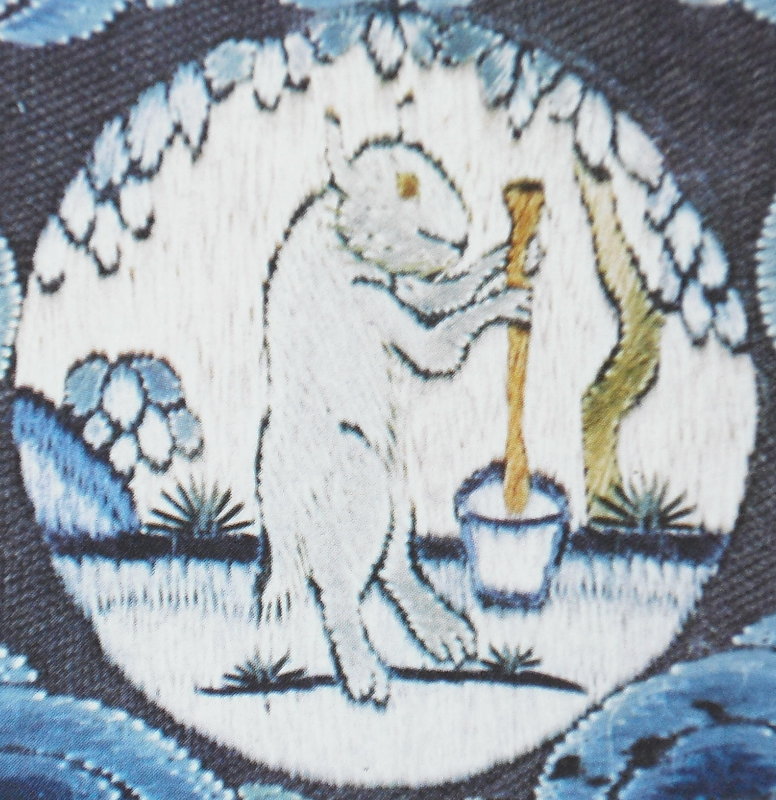 🇨🇳 China and 5 moreMoon rabbit月兔 (yuètù)
A mythical figure seen in lunar markings, pounding elixirs or rice cakes across Asia and the Americas.Being · Wonder and entertainment Living
🇨🇳 China and 5 moreMoon rabbit月兔 (yuètù)
A mythical figure seen in lunar markings, pounding elixirs or rice cakes across Asia and the Americas.Being · Wonder and entertainment Living
 🇯🇵 JapanNamazu鯰
A giant catfish myth believed to cause earthquakes in JapanBeing Legendary
🇯🇵 JapanNamazu鯰
A giant catfish myth believed to cause earthquakes in JapanBeing Legendary
 🇨🇳 ChinaYeren野人
A Chinese cryptid apeman reported in remote mountains since ancient timesBelief · Wonder and entertainment Legendary
🇨🇳 ChinaYeren野人
A Chinese cryptid apeman reported in remote mountains since ancient timesBelief · Wonder and entertainment Legendary
 🇯🇵 JapanAbura-sumashi油すまし
A mountain spirit from Amakusa folklore said to be a thief turned yōkaiBeing Legendary
🇯🇵 JapanAbura-sumashi油すまし
A mountain spirit from Amakusa folklore said to be a thief turned yōkaiBeing Legendary
 🇯🇵 JapanGashadokuroがしゃどくろ
A giant skeleton spirit born from the bones of those who died in war or famine.Being · Cursing and harm Legendary
🇯🇵 JapanGashadokuroがしゃどくろ
A giant skeleton spirit born from the bones of those who died in war or famine.Being · Cursing and harm Legendary
 🇯🇵 JapanNurikabe塗り壁
A spirit that manifests as an invisible wall to block travelers at nightBeing · Cursing and harm Historical
🇯🇵 JapanRaijū雷獣
A Japanese lightning creature that sleeps in navels and falls from stormsBeing · Cursing and harm Legendary
🇯🇵 JapanSatori覚
A mind-reading monkey-like yōkai from the mountains of JapanBeing Legendary
🇯🇵 JapanNurikabe塗り壁
A spirit that manifests as an invisible wall to block travelers at nightBeing · Cursing and harm Historical
🇯🇵 JapanRaijū雷獣
A Japanese lightning creature that sleeps in navels and falls from stormsBeing · Cursing and harm Legendary
🇯🇵 JapanSatori覚
A mind-reading monkey-like yōkai from the mountains of JapanBeing Legendary
 🇯🇵 JapanAosaginohi青鷺火
A Japanese will-o'-the-wisp attributed to the glowing flight of herons at nightBelief · Wonder and entertainment Historical
🇯🇵 JapanKijo鬼女
A demon woman from Japanese folklore, born of resentment and karma.Being · Cursing and harm Legendary
🇯🇵 JapanAosaginohi青鷺火
A Japanese will-o'-the-wisp attributed to the glowing flight of herons at nightBelief · Wonder and entertainment Historical
🇯🇵 JapanKijo鬼女
A demon woman from Japanese folklore, born of resentment and karma.Being · Cursing and harm Legendary
 🇨🇳 China and 1 moreMogwai魔鬼
A Chinese term for demons and evil spirits, borrowed from Sanskrit lore through Buddhism.Being · Cursing and harm Historical
🇯🇵 JapanYōsei妖精
A Japanese term for spirits drawn from Western legends and native folkloreBeing Legendary
🇨🇳 China and 1 moreMogwai魔鬼
A Chinese term for demons and evil spirits, borrowed from Sanskrit lore through Buddhism.Being · Cursing and harm Historical
🇯🇵 JapanYōsei妖精
A Japanese term for spirits drawn from Western legends and native folkloreBeing Legendary
 🇯🇵 JapanUwanうわん
A Japanese yōkai with an unknown identity and a loud voiceBeing Historical
🇰🇷 South KoreaGwisin귀신
A Korean ghost of a human who died, lingering to finish unfinished business.Being · Cursing and harm · Protection Legendary
🇯🇵 JapanUwanうわん
A Japanese yōkai with an unknown identity and a loud voiceBeing Historical
🇰🇷 South KoreaGwisin귀신
A Korean ghost of a human who died, lingering to finish unfinished business.Being · Cursing and harm · Protection Legendary
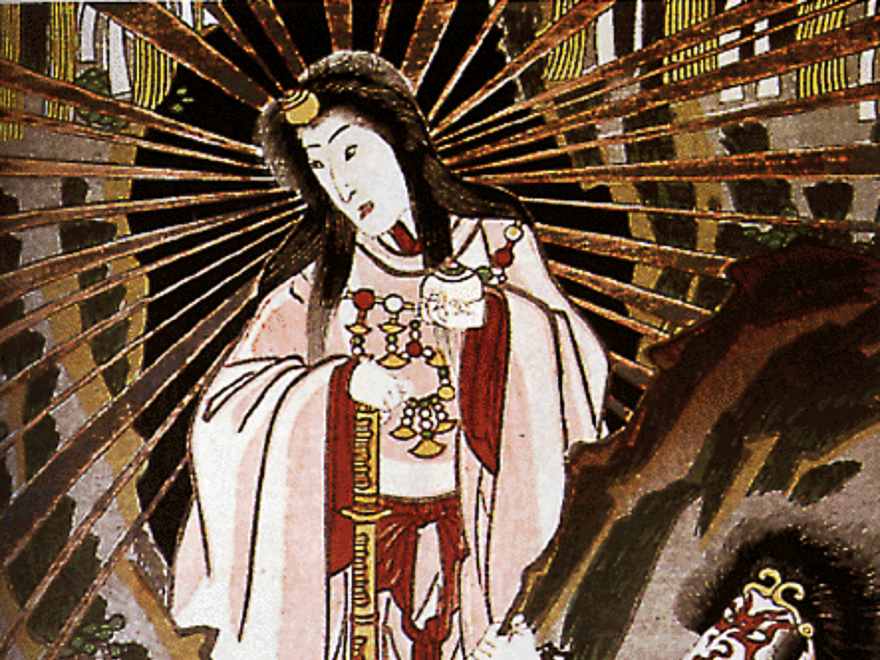 🇯🇵 JapanAkuma悪魔(あくま)
An evil spirit in Japanese folklore, later used for Satan in ChristianityBeing · Cursing and harm Historical
🇯🇵 JapanAkuma悪魔(あくま)
An evil spirit in Japanese folklore, later used for Satan in ChristianityBeing · Cursing and harm Historical
 🇯🇵 JapanShikome黄泉醜女 (Yomotsu-shikome)
A hag from the Japanese underworld who pursued Izanagi after he shamed Izanami.Figure · Cursing and harm Legendary
🇯🇵 JapanShikome黄泉醜女 (Yomotsu-shikome)
A hag from the Japanese underworld who pursued Izanagi after he shamed Izanami.Figure · Cursing and harm Legendary
 🇨🇳 China and 1 moreNuo folk religion傩 (Nuó)
A Chinese exorcistic tradition using wooden masks and ancestor worship to drive away malevolent forcesTradition · Protection · Speaking with spirits and the dead Living
🇨🇳 ChinaQiongqi窮奇
A winged beast from Chinese myth that rewards wickedness and punishes virtueBeing · Cursing and harm Legendary
🇯🇵 JapanMazoku魔族
Supernatural beings in Japanese myth and fantasy, often evil.Being · Cursing and harm Legendary
🇨🇳 China and 1 moreNuo folk religion傩 (Nuó)
A Chinese exorcistic tradition using wooden masks and ancestor worship to drive away malevolent forcesTradition · Protection · Speaking with spirits and the dead Living
🇨🇳 ChinaQiongqi窮奇
A winged beast from Chinese myth that rewards wickedness and punishes virtueBeing · Cursing and harm Legendary
🇯🇵 JapanMazoku魔族
Supernatural beings in Japanese myth and fantasy, often evil.Being · Cursing and harm Legendary
 🇨🇳 China and 1 moreQianliyan千里眼
A Chinese sea and door god with clairvoyant sight, guardian of the sea goddess MazuBeing · Protection Living
🇯🇵 Japan and 2 moreChimimōryō魑魅魍魎
A Chinese term for mountain and river spirits that spread to Japan and VietnamBeing · Cursing and harm Legendary
🇨🇳 China and 1 moreQianliyan千里眼
A Chinese sea and door god with clairvoyant sight, guardian of the sea goddess MazuBeing · Protection Living
🇯🇵 Japan and 2 moreChimimōryō魑魅魍魎
A Chinese term for mountain and river spirits that spread to Japan and VietnamBeing · Cursing and harm Legendary
 🇨🇳 ChinaKui夔 (kuí)
A one-legged mountain spirit and ancient music master from Chinese mythologyBeing · Power and authority · Wonder and entertainment Legendary
🇨🇳 ChinaKui夔 (kuí)
A one-legged mountain spirit and ancient music master from Chinese mythologyBeing · Power and authority · Wonder and entertainment Legendary
 🇨🇳 ChinaZouyu騶虞
A legendary Chinese creature said to appear only under benevolent ruleBeing · Luck and prosperity Legendary
🇨🇳 ChinaZouyu騶虞
A legendary Chinese creature said to appear only under benevolent ruleBeing · Luck and prosperity Legendary
 🇰🇷 South Korea and 1 moreDaejongism대종교
A Korean faith system centred on the ancestral king Dangun and national identity.Tradition · Power and authority Living
🇰🇷 South Korea and 1 moreDaejongism대종교
A Korean faith system centred on the ancestral king Dangun and national identity.Tradition · Power and authority Living
Photo credits on this page
The small pictures above come from Wikimedia Commons under free licences. Some are cropped to fit.
- Vault protector coin: 风之清扬, CC BY-SA 3.0, source
- Aosaginohi: Koikawa Harumachi ja:恋川春町 (1744-1789), Public domain, source
- Obake: Utagawa Kunisada (歌川国貞), Public domain, source
- Chinkon kishin: Tomokiyo Yoshisane (友清歓真), also known as Tomokiyo Kyūgo (友清九吾), Public domain, source
- Jiji ru lüling: Unknown author, Public domain, source
- Chinese burial money: Gary Todd, CC0, source
- Lei Ting curse charm: Donald_Trung, CC BY-SA 4.0, source
- Horse coin: Etnografiska museet, CC BY 2.5, source
- Uchide no kozuchi: Yashima Gakutei, CC0, source
- Tide jewels: Shizhao, CC BY-SA 3.0, source
- Taoist coin charm: Etnografiska Museet, CC BY 2.5, source
- Buddhist coin charm: Scott Semans, CC BY 3.0, source
- Confucian coin charms: Jean-Michel Moullec, CC BY 2.0, source
- Marriage coin charm: Scott Semans, CC BY 3.0, source
- Shamanism in the Qing dynasty: A nineteenth-century team of editors., Public domain, source
- Moon rabbit: An artist, Public domain, source
- Falun Gong: longtrekhome, CC BY 3.0, source
- Namazu: Anonymous Unknown author, Public domain, source
- Yeren: Rolf Müller, CC BY-SA 3.0, source
- Abura-sumashi: Triton, CC BY 3.0, source
- Nurikabe: Anonymous Unknown author, Public domain, source
- Gashadokuro: Unknown author, Public domain, source
- Uwan: Sawaki Sūshi (佐脇嵩之, Japanase, *1707, †1772), Public domain, source
- Mogwai: Gisling, CC BY-SA 3.0, source
- Shikome: Raita Futo, CC BY 2.0, source
- Nuo folk religion: Wikiwikiyarou, CC BY-SA 3.0, source
- Daejongism: Berghendorf, CC0, source
- Zouyu: Chen Menglei, Public domain, source
- Kui: Dave Pape, Public domain, source
- Korean numismatic charm: Unknown author(s)., Public domain, source
- Lock charms: Scott Semans World Coins (CoinCoin.com)., CC BY 3.0, source
- Qianliyan: 玄史生, CC0, source