
Mogwai
In its own language: 魔鬼
from Cantonese mo1 gwai2, meaning monster or devil; mo comes from Sanskrit māra (death)
A Chinese term for demons and evil spirits, borrowed from Sanskrit lore through Buddhism.
The word mogwai translates to demon or evil spirit in Cantonese and Mandarin. It describes malevolent supernatural entities that entered Chinese mythology via Buddhist texts from India.
- Mogwai means demon or evil spirit in Cantonese and Mandarin.
- The term mo comes from Sanskrit māra, meaning death or evil.
- Yakshas and raksashas entered China via Buddhist influence from India.
- Air-traversing yakshas fly at night with glowing darkness.
- Earth-traversing yakshas have flaming eyebrows and half-moon marks.
What it is
Mogwai refers to demons or evil spirits within Chinese culture. The term covers truly malevolent spiritual entities found in both Buddhist and Christian scriptures. It is distinct from other supernatural beings like ghosts or goblins. While often used loosely in literature, it specifically denotes harmful forces rather than general strange phenomena.
Where it comes from
The concept entered Chinese thought through the spread of Buddhism from India. The root word mo derives from the Sanskrit māra, which means death or evil beings. This links Chinese demonic lore directly to Hindu and Buddhist traditions where Mara represents death and desire. The second part, gwai, originally meant simply deceased souls but evolved to mean vengeful spirits.
Mogwai, drawn and placed
- Living
- Revived
- Fading
- Historical
- Legendary
- Performed
- Lineage
- Chinese mythology influenced by Indian folklore
What it is for
Mogwai are believed to cause harm and afflict humans. They are seen as tempters who lead people toward sin and self-destruction. In some contexts, they act as jailers in hell punishing criminals. Others serve as guardians of sacred texts after conversion. Their presence is associated with suffering and negative outcomes.
Who does it
Scholars study these figures as part of comparative mythology and religious history. No specific group performs rituals against them in this context. The focus remains on literary analysis and understanding the theological shift from Indian concepts to Chinese interpretations of evil.
Peoples and places
The tradition is primarily Chinese, though its roots lie in Indian folklore. Yakshas and raksashas were adapted from Indian myths into Chinese stories. These beings appear in classical Chinese literature such as records of the strange. They are described as violent and ferocious, differing significantly from their original Indian counterparts.
At a glance: who, where and when


What people believe
Belief holds that these spirits can inflict physical and spiritual harm. Some reproduce during rainy seasons when resources are plentiful. Air-traversing types fly at night with glowing darkness, while earth-traversing ones have flaming eyebrows. They represent a force that tethers people to cycles of reincarnation and suffering.
How scholars and sceptics see it
Researchers trace the etymology back to Sanskrit terms for evil beings. Anthropologists note how Buddhist influence reshaped local views on demons. The distinction between different types of supernatural entities helps clarify cultural attitudes toward the dead and the monstrous.
Compare and confuse
Mogwai differs from yaoguai, which are more like European fae or sprites. It also differs from gui, which are simply souls of the departed. While all are supernatural, mogwai specifically implies active malice and evil intent rather than just strangeness or lingering presence.
Questions people ask about Mogwai
What does mogwai mean?
It translates to demon or evil spirit. The word combines mo from Sanskrit māra and gwai for deceased souls. It refers to malevolent entities in Chinese religious and folk contexts.
Where did the concept come from?
It originated in Indian folklore and was brought to China through Buddhism. The root mo means death or evil beings. Gwai originally meant any dead soul but now implies vengeful spirits.
How are mogwai different from ghosts?
Ghosts are souls of the departed. Mogwai are actively evil spirits or demons. They cause harm and affliction rather than just lingering. They are tied to sin and suffering in religious texts.
Good reading and sources
The facts on this page come from the Wikipedia article "Mogwai (Chinese culture)", written by its contributors and used under the CC BY-SA 4.0 licence, and from its Wikidata record (CC0). EveryJaadu rewrote the text in its own words, with AI assistance, and compares every page with the article to make sure no passage is copied. It may be reused under the same CC BY-SA 4.0 licence with a link back.
It may contain mistakes. Names and customs differ from one community to the next, and some knowledge is closed to outsiders and left out here. This page describes belief and practice. It does not say that any of it works, it is not a how-to, and it is not medical advice. If something is wrong, tell us. Last refreshed 2026-10-06.
More from China
All the entries from China 🇨🇳 China and 3 moreChinese dragon龍
A legendary water deity and imperial symbol in East Asian cultureBeing · Protection · Luck and prosperity Historical
🇨🇳 China and 3 moreChinese dragon龍
A legendary water deity and imperial symbol in East Asian cultureBeing · Protection · Luck and prosperity Historical
 🇨🇳 ChinaLan Caihe藍采和
An ambiguous Taoist immortal known for a flower basket and wandering songsBeing · Wonder and entertainment Legendary
🇨🇳 ChinaLan Caihe藍采和
An ambiguous Taoist immortal known for a flower basket and wandering songsBeing · Wonder and entertainment Legendary
 🇨🇳 China and 2 moreXiezhi獬豸
A one-horned beast from East Asia that separates the guilty from the innocentBeing · Cursing and harm · Protection Legendary
🇨🇳 China and 2 moreXiezhi獬豸
A one-horned beast from East Asia that separates the guilty from the innocentBeing · Cursing and harm · Protection Legendary
 🇨🇳 China and 2 moreEight Immortals八仙
Eight legendary Taoist figures of China, each with a power and a vesselFigure · Protection · Healing Living
🇨🇳 China and 2 moreEight Immortals八仙
Eight legendary Taoist figures of China, each with a power and a vesselFigure · Protection · Healing Living
Related elsewhere
All being 🇷🇸 Serbia and 5 moreVampire
An undead creature from folklore that feeds on the blood or life force of the livingBeing · Cursing and harm · Luck and prosperity Legendary
🇷🇸 Serbia and 5 moreVampire
An undead creature from folklore that feeds on the blood or life force of the livingBeing · Cursing and harm · Luck and prosperity Legendary
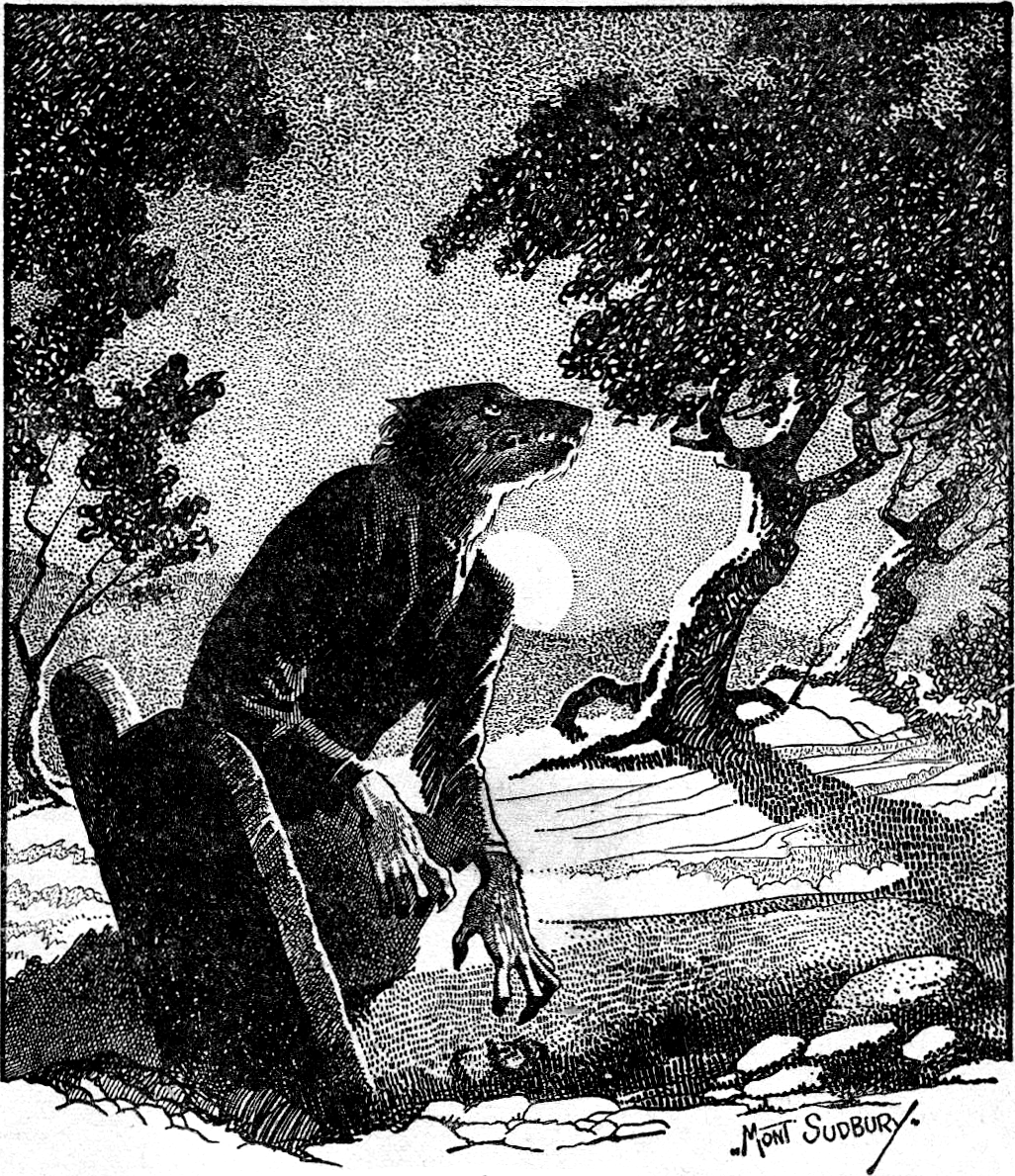 🇫🇷 France and 5 moreWerewolf
A mythical shapeshifter that turns into a wolf, central to European witch-hunts and Gothic horror.Being · Cursing and harm · Wonder and entertainment Legendary
🇫🇷 France and 5 moreWerewolf
A mythical shapeshifter that turns into a wolf, central to European witch-hunts and Gothic horror.Being · Cursing and harm · Wonder and entertainment Legendary
 🇪🇬 Egypt and 1 moreLilithלִילִית
A feminine figure from Mesopotamian and Jewish mythology, often depicted as a night demon or spirit.Being · Cursing and harm Legendary
🇪🇬 Egypt and 1 moreLilithלִילִית
A feminine figure from Mesopotamian and Jewish mythology, often depicted as a night demon or spirit.Being · Cursing and harm Legendary
 🇪🇬 EgyptCurse
A spoken wish for misfortune to befall a person or placeBelief · Cursing and harm · Luck and prosperity Historical
🇪🇬 EgyptCurse
A spoken wish for misfortune to befall a person or placeBelief · Cursing and harm · Luck and prosperity Historical