
Lei Ting curse charm
In its own language: 符咒钱
from Lei (thunder) and Ting (thunderbolts), referring to the divine punishment of malicious spirits
A numismatic charm invoking the thunder god to banish evil spirits.
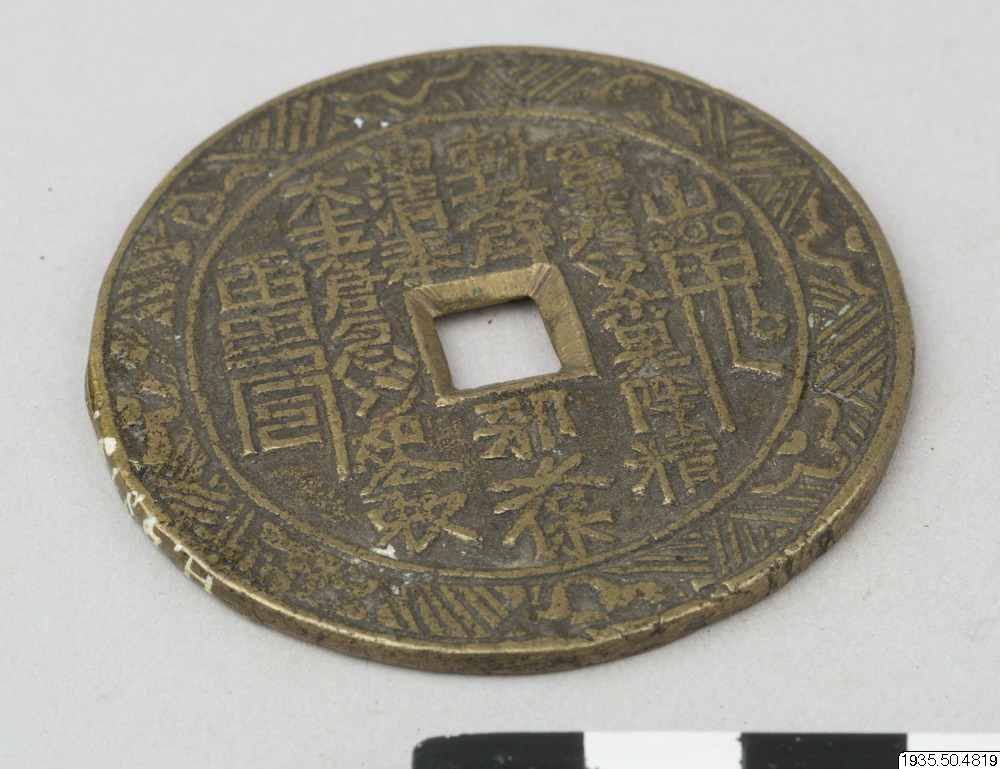
Lei Ting curse charms are Chinese and Vietnamese talismanic coins that call upon Leigong, the Taoist deity of thunder, to destroy malevolent entities. Collectors use this name for these amulets, which mimic imperial decrees to command spiritual forces through inscribed magic writing.
- Inscriptions mimic imperial government decrees
- Leigong is commanded to destroy evil spirits
- Uses secret Taoist Fuwen writing scripts
- Often includes the Bagua symbol on reverse
- Sold by Taoist masters to households
What it is
These objects are metal amulets shaped like ancient cash coins, featuring round or square holes. They serve as protective talismans against evil spirits and bogies. The term is used by collectors to describe these specific numismatic items. They function as magical tools within a cultural framework where coins hold spiritual power.
Where it comes from
The practice stems from ancient Chinese beliefs about spirit control. Early exorcists threw spears and displayed dismembered prisoners to frighten malevolent entities. Over time, written characters were seen as having inherent magical properties. During the Han dynasty, people began wearing numismatic charms as pendants for protection. This evolved into the creation of specific curse charms invoking powerful deities.
How it is done
Readings proceed vertically from top to bottom and right to left. Inscriptions combine standard Chinese characters with secret Taoist scripts. The text mimics official government decrees but originates from Laozi. It commands Leigong to act swiftly against moral offenders and evil entities. Some charms include images of other deities or Bagua symbols on the reverse side.
Tools and materials
Metal coins form the base, often resembling traditional cash currency. Inscriptions use Hanzi and specialized Taoist Fuwen writing. Symbols like the Bagua appear on some pieces. The character for dead ghost may be included to frighten other spirits. These materials are believed to channel spiritual authority when combined with the correct incantations.
Lei Ting curse charm, drawn and placed
- Living
- Revived
- Fading
- Historical
- Legendary
- Performed
- Lineage
- Chinese numismatic charms
What it is for
Wearers seek protection from malicious spirits and bogies. The charms command Leigong to punish unfilial children and those using magic to harm others. They also aim to scare away ghosts by displaying the concept of a dead ghost. Buyers traditionally obtained them from Taoist masters who understood the complex inscriptions.
Who does it
Taoist masters created and sold these amulets to the public. They possessed the knowledge to read and write the complex Fuwen scripts used in the inscriptions. Ordinary households purchased them for personal protection. Modern scholars and collectors study them as historical artifacts rather than active religious tools.
Peoples and places
The tradition is primarily associated with Chinese culture. Vietnamese numismatic charms also feature similar designs and invocations. Collectors in both regions identify these items as distinct types of spiritual currency. The practice reflects broader East Asian beliefs in the power of written words and divine justice.
At a glance: who, where and when
Peoples
What people believe
The worldview assumes spirits can be controlled through authoritative commands. Leigong serves as an official in the celestial Ministry of Thunder and Storm. He punishes wrongdoers on behalf of Heaven using thunderbolts. Laozi holds the prestige to issue orders that Leigong must obey. Characters themselves are viewed as possessing magical potency.
When it is done
No specific festivals or calendar days are tied to these charms. They were acquired as needed for protection against immediate spiritual threats. The timing depends on individual household concerns rather than seasonal cycles. They function as permanent guardians when worn or displayed.
How scholars and sceptics see it
David Hartill and other researchers catalog these items as part of Chinese numismatic history. Scholars analyze the inscriptions to understand Taoist magical practices. The study focuses on the evolution of charm design and the integration of religious texts into currency forms. Historical records link these objects to broader trends in folk religion.
Cautions and what is closed
No specific harms or legal risks are documented for these historical objects. They are studied as cultural artifacts rather than active magical instruments. Modern collectors handle them without reported danger. The original belief system involved fear of spiritual retribution, but this does not apply to contemporary observation.
Compare and confuse
These charms differ from standard currency by their religious inscriptions. They share features with other Taoist talismans but use a coin format. Similar items exist in Vietnamese numismatic traditions. They contrast with simple decorative coins by their explicit invocation of divine punishment.
Questions people ask about Lei Ting curse charm
What is a Lei Ting curse charm?
It is a Chinese and Vietnamese numismatic charm shaped like a cash coin. It invokes the thunder god Leigong to banish evil spirits and punish moral offenders through inscribed magical commands.
Where do these charms originate?
They originate from China and Vietnam. The tradition evolved from ancient beliefs in spirit control and the magical power of written characters during the Han dynasty.
Who creates these amulets?
Taoist masters traditionally created and sold them. They used complex Fuwen scripts that only they could fully read, ensuring the spiritual authority of the inscriptions.
Good reading and sources
- Lei Ting curse charm on WikipediaEncyclopedia
- More photos on Wikimedia CommonsPhotos and video
- Wikidata recordOpen data
The facts on this page come from the Wikipedia article "Lei Ting curse charm", written by its contributors and used under the CC BY-SA 4.0 licence, and from its Wikidata record (CC0). EveryJaadu rewrote the text in its own words, with AI assistance, and compares every page with the article to make sure no passage is copied. It may be reused under the same CC BY-SA 4.0 licence with a link back.
It may contain mistakes. Names and customs differ from one community to the next, and some knowledge is closed to outsiders and left out here. This page describes belief and practice. It does not say that any of it works, it is not a how-to, and it is not medical advice. If something is wrong, tell us. Last refreshed 2026-10-06.
More from China
All the entries from China 🇨🇳 China and 5 moreJoss paper金紙
Paper burned as money and goods for ancestors, gods and the deadCharm · Speaking with spirits and the dead · Luck and prosperity Living
🇨🇳 China and 5 moreJoss paper金紙
Paper burned as money and goods for ancestors, gods and the deadCharm · Speaking with spirits and the dead · Luck and prosperity Living
 🇨🇳 China and 5 moreChinese guardian lions石獅 (shíshī)
Stone lion pairs placed at entrances to ward off harm and welcome fortuneCharm · Protection · Luck and prosperity Living
🇨🇳 China and 5 moreChinese guardian lions石獅 (shíshī)
Stone lion pairs placed at entrances to ward off harm and welcome fortuneCharm · Protection · Luck and prosperity Living
 🇨🇳 China and 1 moreFulu符籙
Taoist talismans with cryptic symbols used for healing and protectionCharm · Healing · Protection Living
🇨🇳 China and 1 moreFulu符籙
Taoist talismans with cryptic symbols used for healing and protectionCharm · Healing · Protection Living
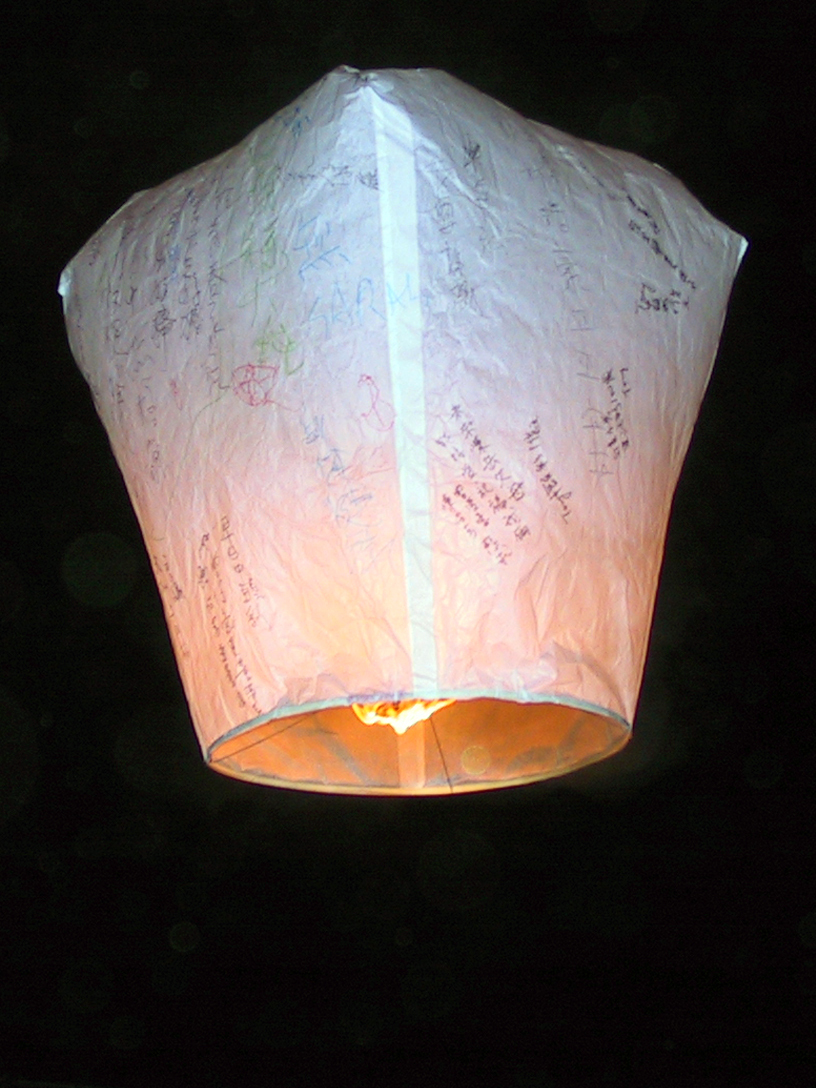 🇨🇳 China and 5 moreSky lantern天燈
A paper hot air balloon lifted by flame to carry wishes and blessingsRite · Luck and prosperity · Protection Living
🇨🇳 China and 5 moreSky lantern天燈
A paper hot air balloon lifted by flame to carry wishes and blessingsRite · Luck and prosperity · Protection Living
Related elsewhere
All charm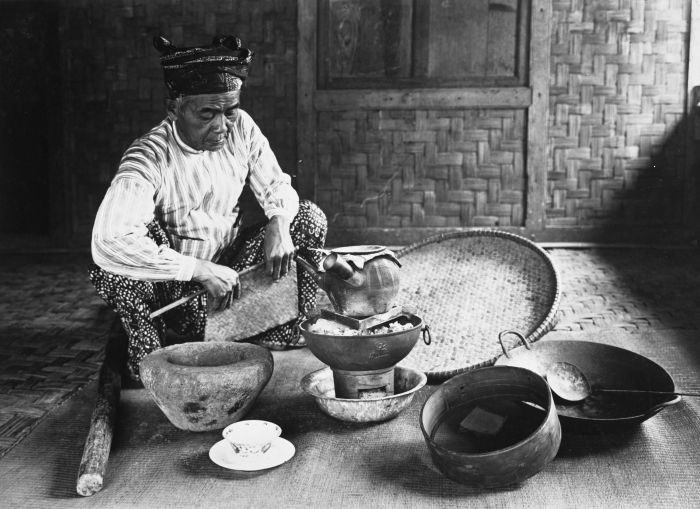 🇮🇩 Indonesia and 2 moreDukun
A traditional healer and spirit medium in Indonesian folk practiceTradition · Healing · Seeing and foretelling Living
🇬🇧 United KingdomGlaistig
A Scottish shape-shifting spirit linked to cattle, deer, and haunted castles.Being · Protection · Cursing and harm Legendary
🇮🇩 Indonesia and 2 moreDukun
A traditional healer and spirit medium in Indonesian folk practiceTradition · Healing · Seeing and foretelling Living
🇬🇧 United KingdomGlaistig
A Scottish shape-shifting spirit linked to cattle, deer, and haunted castles.Being · Protection · Cursing and harm Legendary
 🇮🇩 IndonesiaNyi Roro KidulRatu Laut Selatan
The spirit queen of Java's southern coast and guardian of the Indian OceanBeing · Protection · Cursing and harm Living
🇮🇩 IndonesiaNyi Roro KidulRatu Laut Selatan
The spirit queen of Java's southern coast and guardian of the Indian OceanBeing · Protection · Cursing and harm Living
 🇫🇷 FranceLady of the LakeDame du Lac
A water spirit who raises knights and captures wizards in Arthurian talesFigure · Protection · Cursing and harm Legendary
🇫🇷 FranceLady of the LakeDame du Lac
A water spirit who raises knights and captures wizards in Arthurian talesFigure · Protection · Cursing and harm Legendary